




Central Asian Bagface
A central asian bagface brings nomadic tribal artistry into a modern interior, offering rich wool weaving and intricate geometric guls.
Central Asian Bagface
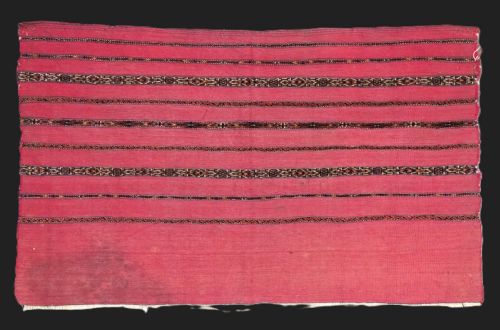
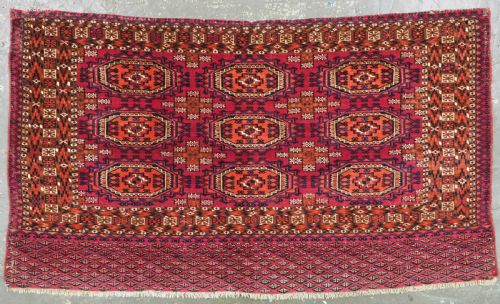
A central asian bagface represents the surviving front panel of a utilitarian nomadic container, woven by Turkmen and Ersari tribes during the nineteenth century. These textiles were originally utilised for domestic storage inside yurts, functioning as practical containers for household goods and dowry belongings.
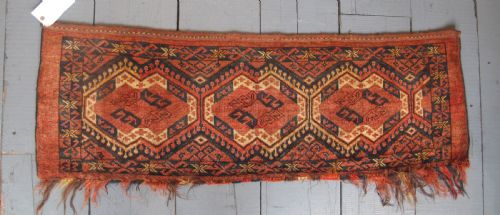
The pieces available on this page primarily showcase traditional forms such as chuval faces and torba faces. Dating predominantly from the decades around eighteen eighty and eighteen ninety, these woven artefacts reflect the distinct tribal identities of the Tekke, Yomut, Saryk, and Ersari peoples.
Collectors seek out these specific textile fragments for their authentic tribal designs, which preserve traditional motifs passed down through generations. Each bagface demonstrates the functional artistry of Central Asian nomadic weavers working entirely in wool.
Materials and construction
Every central asian bagface in the collection is constructed entirely from wool, utilising traditional hand-spun fibres for both the foundation and the pile. Weavers knotted the wool tightly to create durable surfaces capable of withstanding daily nomadic use.
The technical execution relies on precise knotting techniques, resulting in fine weaves that accommodate complex geometric patterns. Natural dyes provided the deep reds, browns, and contrasting tones characteristic of nineteenth-century tribal weaving.
Nomadic weavers packed spare spindle tools inside narrow igsalyk bags, ensuring spinning gear stayed tidy while moving across the steppes.
Factors of quality and distinction
Quality in a central asian bagface depends primarily on the density of the weave and the clarity of the design. Finer knot counts allow for sharper execution of traditional motifs such as the gul or curled leaf pattern.
The sophistication of the tribal design and the preservation of the original wool surface distinguish exceptional examples from standard specimens. Dowry pieces often display superior technical execution and finer materials intended to mark significant life events.
The Central Asian Bagface Glossary
- Chuval
- A large storage bag face produced by Turkmen nomadic tribes. These rectangular panels were traditionally used for household storage inside tents.
- Torba
- A smaller storage bag face created for domestic use within the nomadic household. They often feature detailed gul arrangements and fine tribal weaving.
- Gul
- A primary octagonal medallion motif repeated across Turkmen carpets and bag faces. Each tribal group utilised distinct variations of this geometric ornament.
- Beshir
- A regional style associated with Ersari Turkmen weavers residing along the Amu Darya river valley. These pieces frequently incorporate larger scale patterns or non-standard design influences.
- Igsalyk
- A specialised spindle bag woven by Yomut Turkmen tribes. These narrower utility bags were designed specifically for holding spinning equipment.
Central Asian Bagface: Frequently Asked Questions
What is a central asian bagface?
A central asian bagface is the decorative front panel of a nomadic storage container, woven in wool by tribes such as the Tekke and Ersari during the nineteenth century.
These panels were salvaged when the original utility bags wore out, preserving the intricate tribal designs for decorative display.
How were these bags used?
Nomadic families utilised these textile containers inside yurts for storing household items, blankets, and dowry belongings.
The bags hung against tent walls or served as functional storage units within daily nomadic life.
How do I display a bagface?
Many collectors mount these textile panels on walls as flat art to showcase the dense wool pile and geometric patterns.
They can also be positioned on flat surfaces or integrated into interior spaces as small accent rugs.
How do I date these textiles?
Dating relies on assessing the wool quality, natural dye palette, structural characteristics, and traditional tribal motifs.
Most examples date from the nineteenth century, spanning the period from eighteen sixty through to nineteen hundred.