


Antique Bag Face Rug
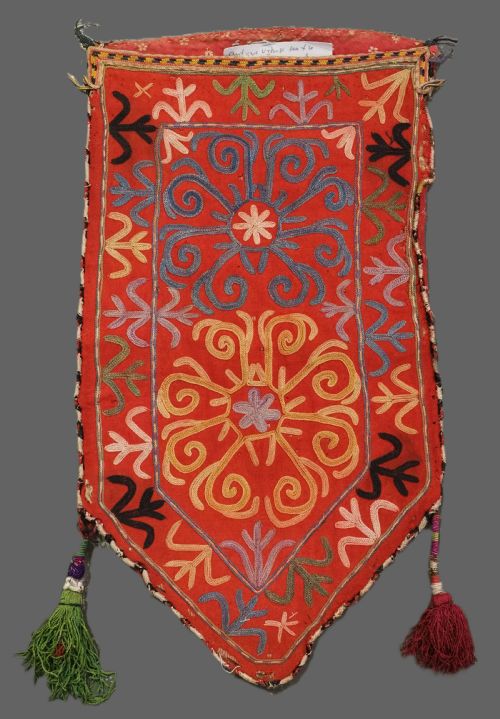
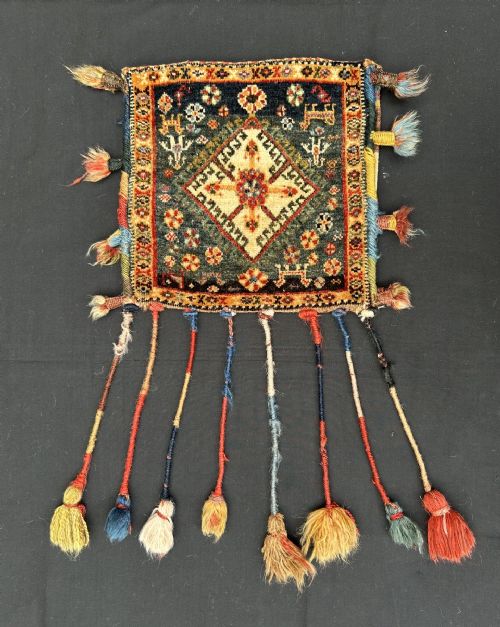
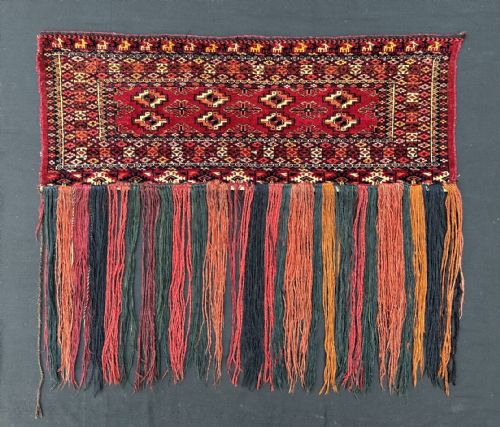
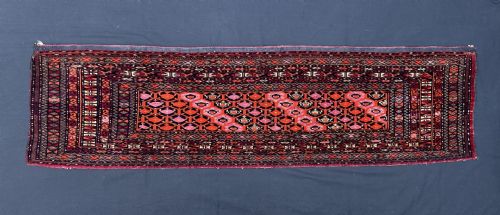
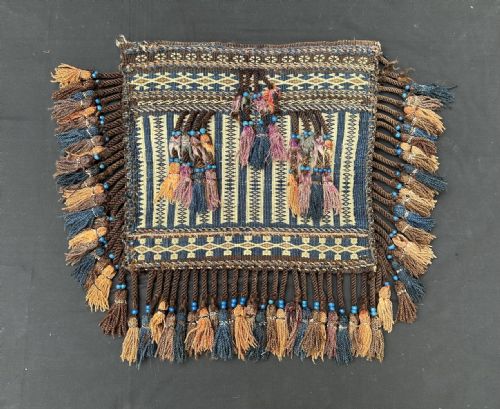
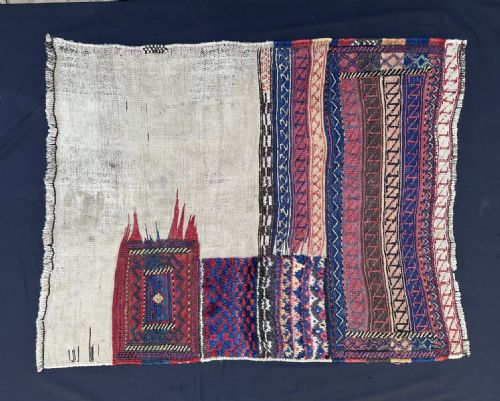
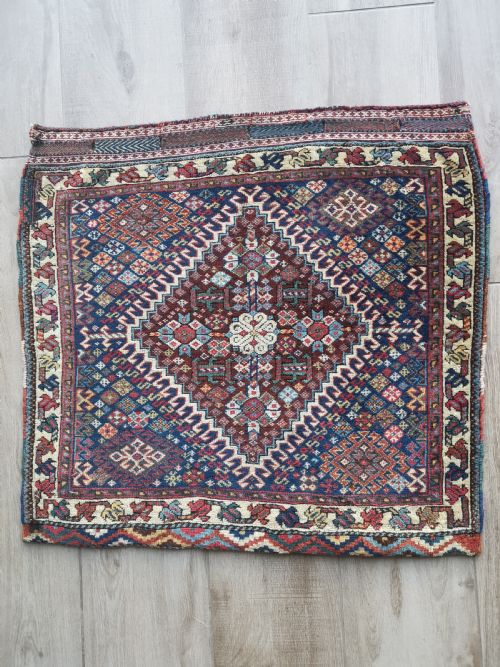
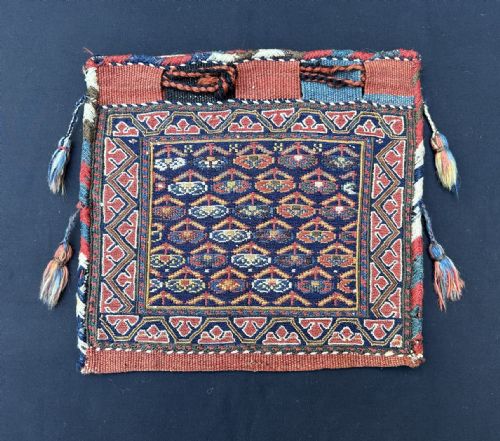
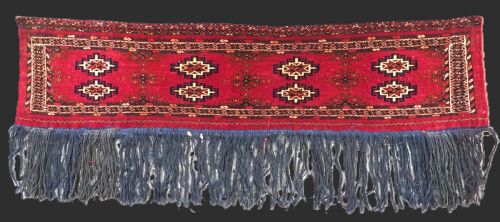
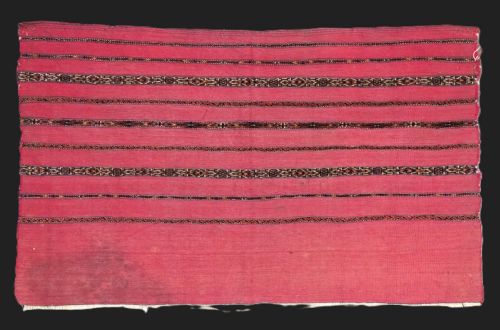
An antique bag face rug is a tribal textile fragment retaining the decorative front of a nomadic storage sack.
Antique Bag Face Rug
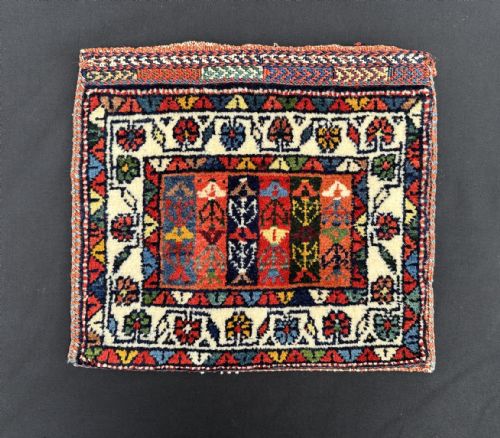
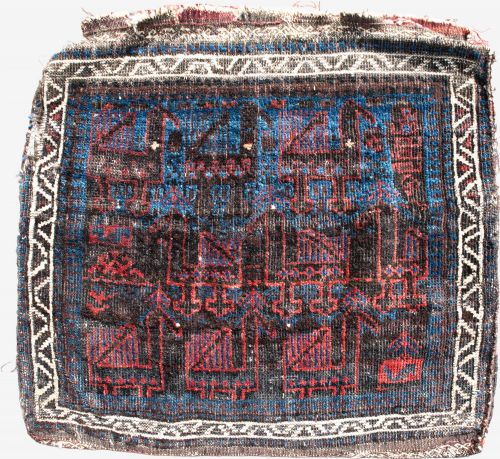
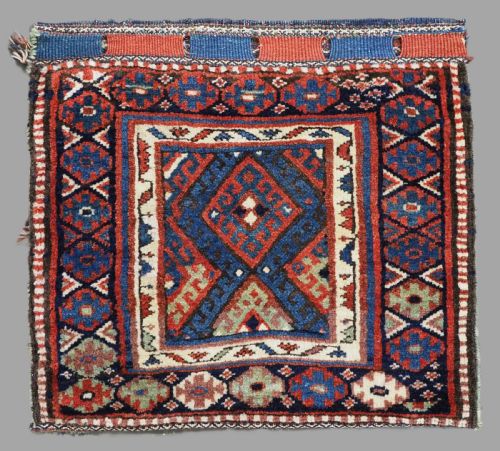
Collectors seeking an antique bag face rug explore woven tribal fronts originating from nomadic and village communities across Central Asia, Persia, and Afghanistan. These items represent the severed decorative faces of larger utility containers, such as saddle bags, storage sacks, and bedding bags, which were initially created for domestic or migratory transport use.
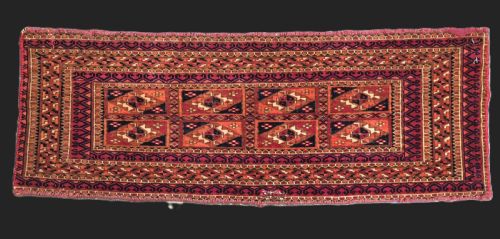
The selections available on this page typically manifest as Turkmen torbas and chuvals, Persian vanity bags, and Baluch pillow bags produced during the nineteenth and early twentieth centuries. Pieces often display characteristic tribal motifs like guls, hooked polygons, and banded flatweave patterns unique to specific weaving confederations.
Materials and construction
Weavers constructed these textiles predominantly using hand-spun wool for the pile and foundation yarns, frequently supplemented with cotton or silk highlights and occasional glass bead embellishments. Artisans dyed the fleece using natural colour sources, producing rich tones that mellow gradually across the surface over decades of exposure.
The production method combines dense asymmetrical or symmetrical knotted pile with sturdy flatweave techniques, ensuring the decorative face remained durable while attached to utility backs. Surviving pieces demonstrate precise structural integrity through fine knot densities and tightly packed warps and wefts.
Nomads wove tiny spindle bags specifically to store the humble wooden tools used for spinning wool on the move.
Evaluating craftsmanship and condition
Superior examples distinguish themselves through exceptionally fine knotting, precise geometry within tribal motifs, and a balanced palette derived from superior natural dyeing techniques. The finest pieces maintain crisp drawing in repetitive guls and generous proportions of silk or high-grade wool highlights.
Overall condition, pile retention, and the preservation of original side corduroy or upper finishes heavily influence the standing of an individual textile. Pieces retaining complete borders or integrated flatweave backs command greater appreciation among traditional carpet collectors.
The Antique Bag Face Rug Glossary
- Gul
- A primary medallion or octagonal design element repeated across Turkmen and Central Asian tribal weavings. Each major tribe utilised distinct forms to signify lineage and identity.
- Torba
- A small horizontal wall-hanging storage bag traditionally used within nomadic tents for holding small household possessions. They frequently survive as isolated decorative bag faces.
- Chuval
- A large tent storage bag utilised by Turkmen tribes for bedding and clothing. The surviving faces showcase complex recurring gul patterns and secondary filler motifs.
- Khorjin
- The Persian term for a double saddlebag used on pack animals during seasonal migrations. When separated into halves, the remaining portion forms a distinct bag face.
- Flatweave
- A non-pile textile structure created by tightly interlacing warp and weft threads together. Examples include banded designs and utilitarian backs attached to pile fronts.
Antique Bag Face Rug: Frequently Asked Questions
How were tribal bags used?
Tribal groups utilised woven sacks for storing grain, bedding, clothing, and personal items inside tents or on pack animals. Different sizes served specific domestic functions within daily nomadic life.
Smaller vanity bags held personal trinkets, while larger chuvals and torbas accommodated heavy blankets and provisions. Their placement inside the dwelling reflected both utility and status.
How do I identify tribal origins?
Tribal attribution relies on specific design vocabulary, colour combinations, and structural weaving techniques unique to particular groups. Turkmen tribes often employed repeated guls, whereas Persian confederations favoured geometric field arrangements.
Analysing the wool quality, palette, and border styles helps narrow the origin down to specific regions like Khorassan, Fars, or the Merv Oasis.
How should I display a bag face?
Bag faces adapt well to vertical presentation as wall hangings due to their manageable dimensions and flat structural profiles. Proper mounting prevents undue stress on the ancient wool foundation.
Supported hanging methods using Velcro sleeves or specialised conservation clips distribute the weight evenly. Direct sunlight should be avoided to protect natural dye colours from fading.