


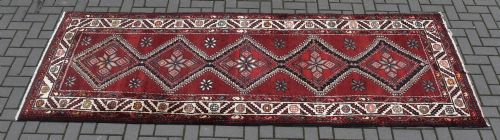


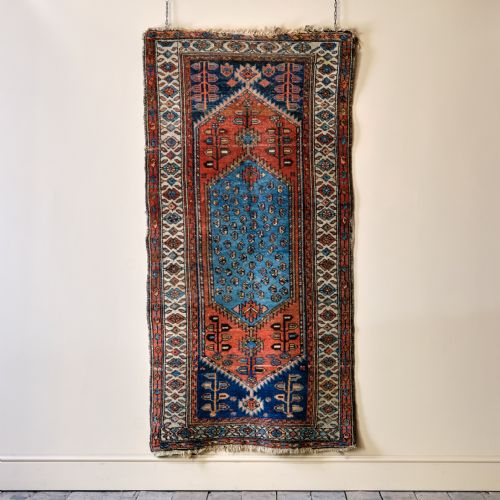
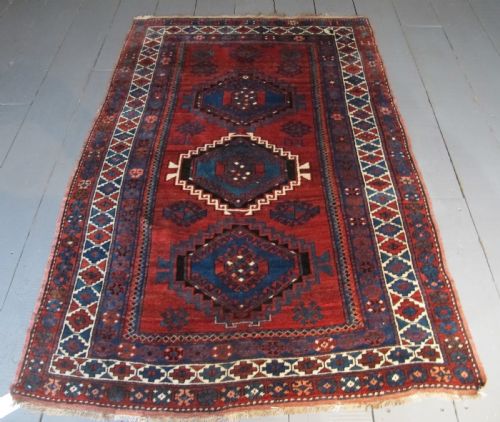
Caucasian Floor Carpet
A caucasian floor carpet brings geometric tribal designs and dense pile into a room, offering durability and historical character.
Caucasian Floor Carpet
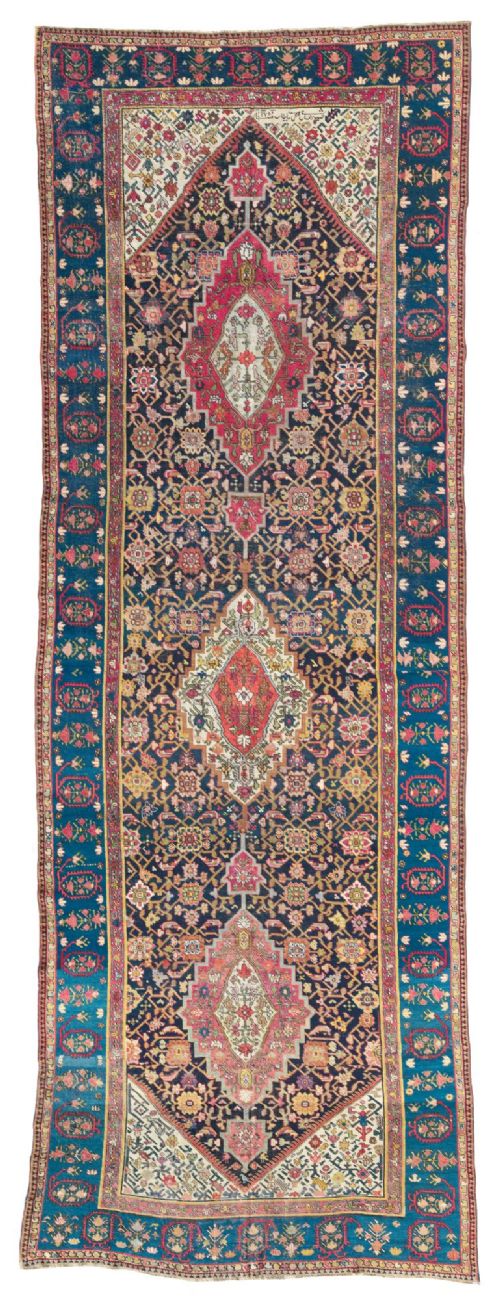
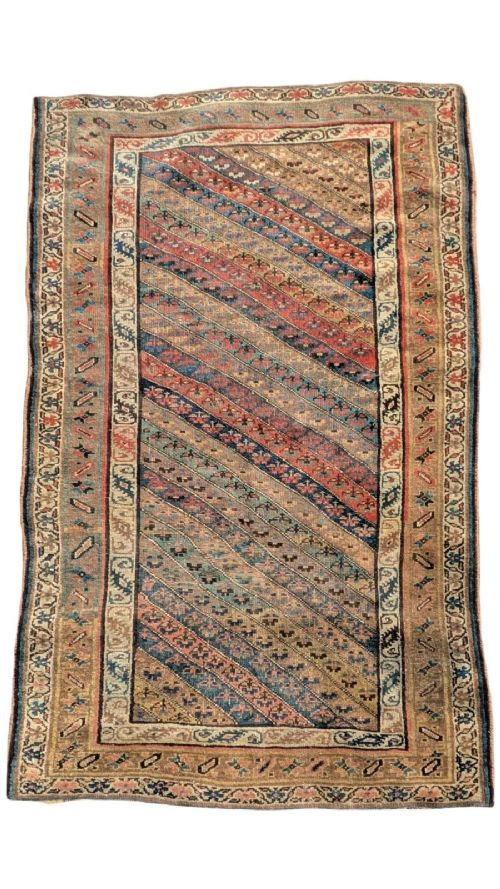
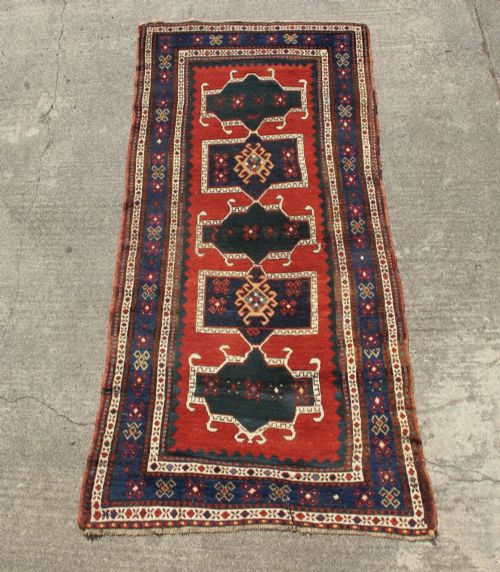
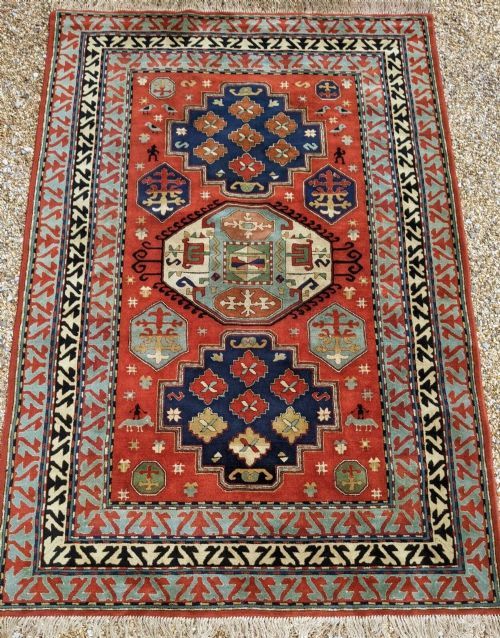
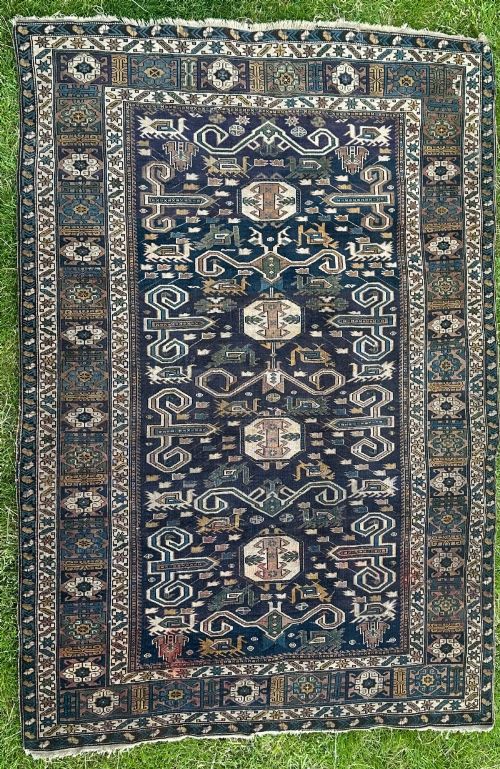
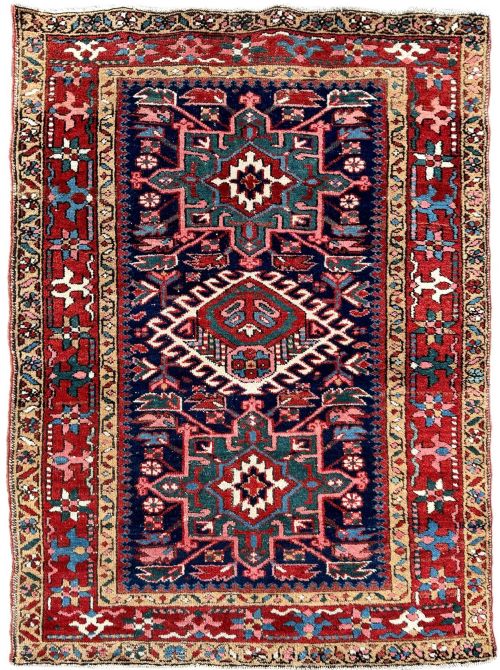
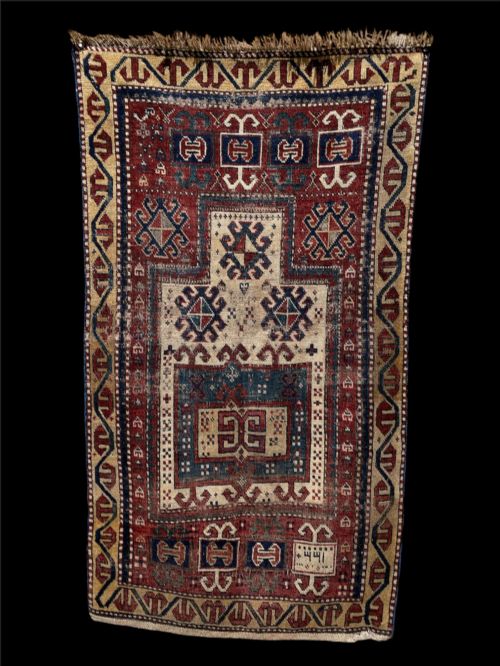
When you search for a caucasian floor carpet, you are looking at woven floor coverings originating from the Caucasus region and surrounding tribal areas, spanning the nineteenth and early twentieth centuries. These pieces encompass specific regional village weaving styles such as Kazak, Shirvan, Karabagh, and Gendje, often featuring distinct geometric medallions and tribal motifs.
The format ranges from room-sized carpets and long hallway runners down to compact prayer rugs and area rugs. While large format floor carpets appear in the archive, standard listings on this page frequently comprise village rugs, runner rugs, and tribal carpets woven in wool.
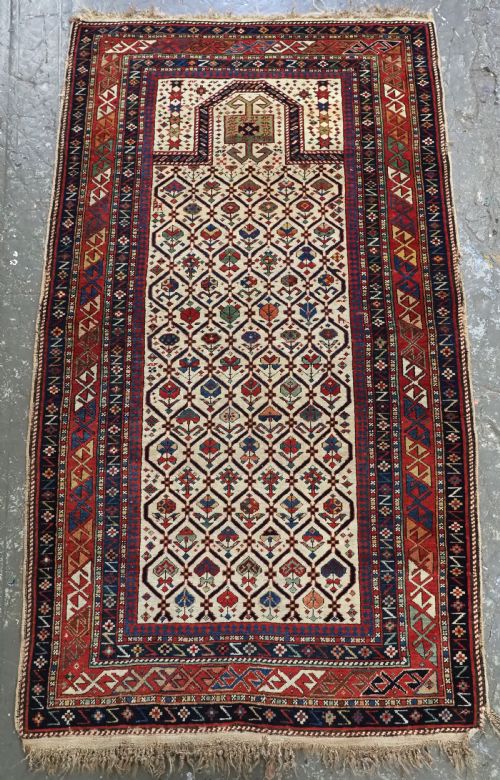
The design vocabulary includes floral lattice patterns, Lezghi stars, animal motifs, and prayer arches rooted in Caucasian and Persian tribal traditions. These textiles served practical and decorative functions in country houses and village settings alike, executed by nomadic and settled weavers.
What varies in quality
The distinction between tiers rests upon the precision of the weave and the crispness of the tribal design work. Finer knots permit sharper geometric definition in motifs like Lezghi stars and prayer lattices, whereas coarser structures yield softer outlines.
Material preparation also dictates standard, with hand-spun wool displaying natural variations in texture and dye absorption that lend depth to the surface. The integrity of the foundation and the retention of original edges further separate ordinary utility pieces from superior collector examples.
Listings feature pieces dated across the nineteenth and early twentieth centuries, utilising wool, cotton, and hand-spun wool.
The Caucasian Floor Carpet Glossary
- Kazak
- A type of Caucasian rug known for bold geometric designs and bright primary colours. These pieces typically display large medallions and strong tribal character.
- Shirvan
- A style of weaving originating from the eastern Caucasus region. They are recognised for balanced compositions, intricate borders, and lower, tighter pile heights.
- Kelleh
- A long, narrow format of carpet traditionally used in Middle Eastern domestic interiors. This shape suits hallways and narrow reception spaces.
- Flat weave
- A textile constructed without pile by interlocking warp and weft threads. Examples include kilims and verneh floor coverings.
- Prayer rug
- A small rug featuring a mihrab or niche design at one end. Historically used for daily prayers, these pieces often hang on walls or serve as focused floor accents.
Caucasian Floor Carpet: Frequently Asked Questions
How do I clean an old wool rug?
Maintenance requires gentle vacuuming without a rotating brush bar to protect the wool pile and hand-knotted foundations. Professional textile cleaning is advised for deeper maintenance.
Harsh chemical detergents and excessive moisture should be avoided to preserve the natural lanolin in the hand-spun wool and prevent dye bleeding.
Where were these rugs made?
The pieces originate from the Caucasus region, spanning areas associated with Kazak, Shirvan, Karabagh, and Dagestan weaving traditions. Adjacent regions in Persia and Anatolia also produced related tribal designs.
Village and nomadic workshops produced these textiles using local materials and traditional motifs handed down through generations.
Can I use these rugs in a hallway?
Many examples on this page are produced in runner and narrow formats specifically suited for hallways and corridors. The durable wool construction handles foot traffic effectively.
Underlay is recommended to prevent slipping and reduce friction between the flat weave or pile and the floorboards.
How do I identify a Kazak rug?
Kazak rugs are typically identified by their heavy wool pile, generous proportions of primary colours, and large geometric medallions. Animal figures and stylized stars often populate the field.
The structural density and tribal aesthetic distinguish them from finer city-woven Persian counterparts.