




Handwoven Oriental Mat
A handwoven oriental mat brings centuries of nomadic and village weaving traditions directly to your floor through rich geometric patterns and deep wool pile.
Handwoven Oriental Mat
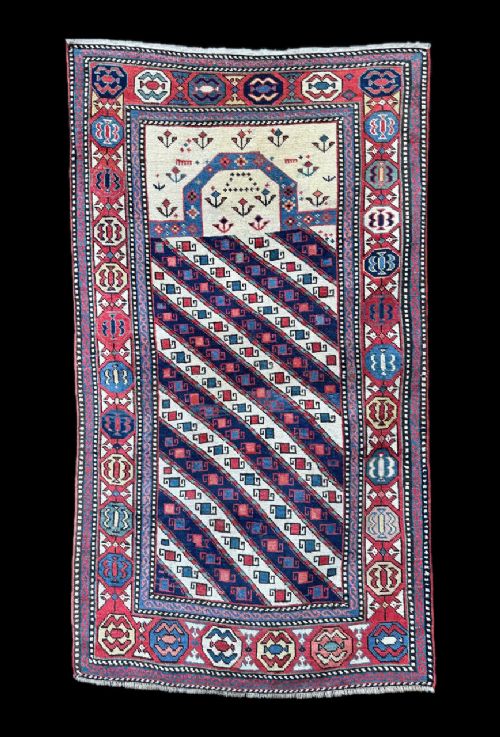
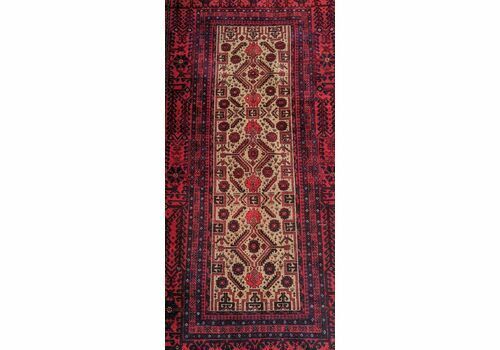
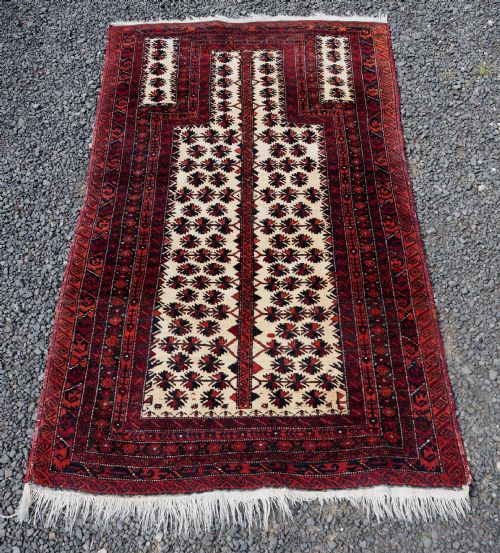
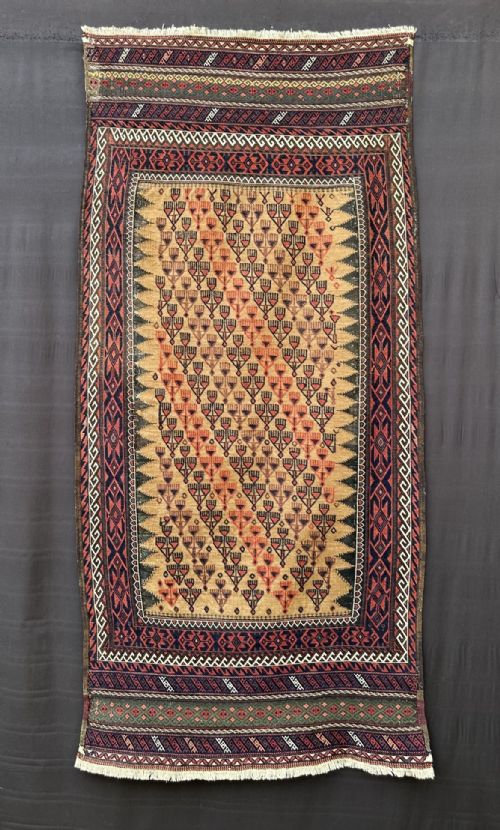
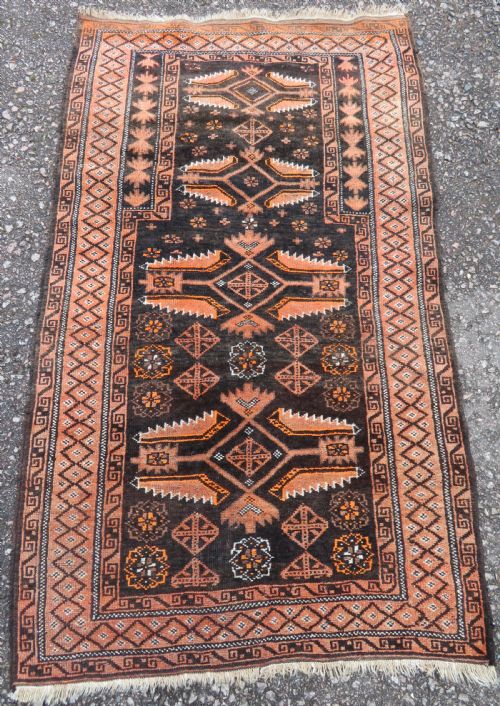
A handwoven oriental mat encompasses various floor coverings, tribal rugs, and prayer rugs originating from Persian, Afghan, Anatolian, and Caucasian regions. These textiles range from small village formats to specific utilitarian forms such as saddle covers and saddlebag faces.
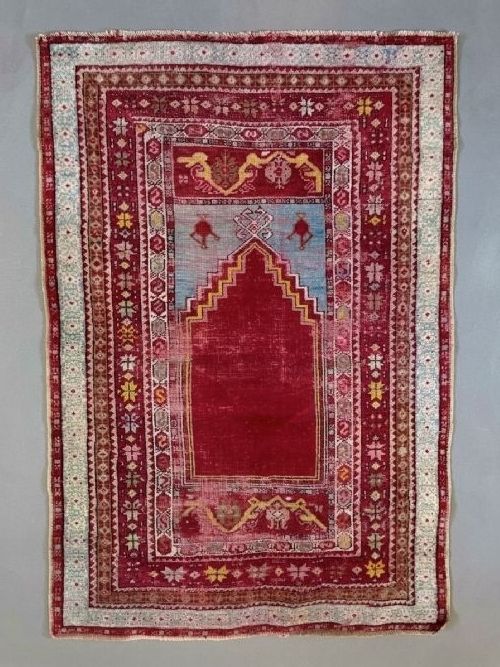
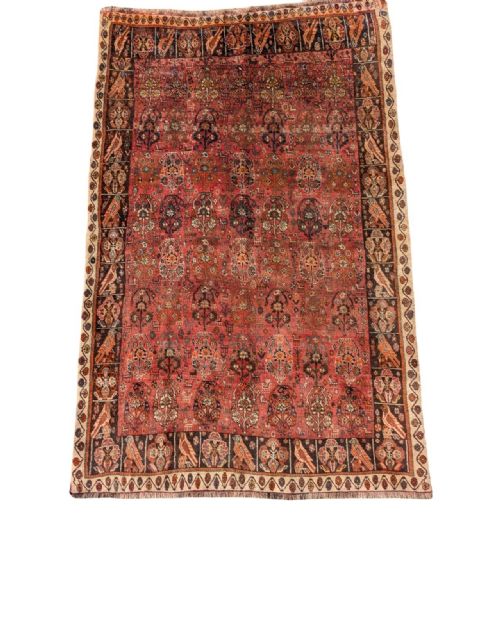
Buyers encounter pieces produced across the nineteenth and early twentieth centuries, reflecting diverse regional styles like Kashgai, Baluchi, Gendje, and Konya. Prayer rugs featuring mihrab designs and tribal village rugs dominate the selections available on this page.
How they were made
Weavers utilised natural dyes derived from plants and minerals to colour the materials, producing rich tones that age gracefully over decades. The foundational structure relies predominantly on hand-spun wool and cotton foundations, occasionally incorporating camel wool and camel hair for specific tactile contrasts.
The construction involves meticulous hand-knotting and flatweaving techniques executed by tribal and village artisans. Artisans combined these durable natural fibres with leather reinforcements or long kilim ends where functional strength was required.
Handwoven Oriental Mat Retail Price Guide 2026
Typical asking prices for handwoven oriental mat among the pieces listed under this phrase on Sellingantiques today, from the lower quarter to the upper quarter. They describe what is for sale here now, not the wider market.
Occasional village rugs quietly reveal small stray animal motifs and playful peacocks woven directly into the geometric borders by makers.
What varies in quality
The primary distinction in quality lies in the density of the knotting and the precision of the tribal design execution. Finer examples display crisper geometric motifs and tightly packed piles that indicate superior hand-spun wool preparation.
Colour saturation and the utilisation of diverse natural dyes significantly elevate a piece, as does the preservation of original kilim ends and structural integrity across the rug field.
The Handwoven Oriental Mat Glossary
- Prayer rug
- A small rug featuring a mihrab or arch design used historically for daily prayers. The niche points toward Mecca during use.
- Mihrab
- The arched architectural niche depicted in the field of prayer rugs, symbolising the direction of prayer. It is a central design element in many oriental mats.
- Sofreh
- A spreading cloth or dining spread woven by tribal groups for sharing meals. These flatweaves often feature symbolic borderland patterns.
- Kilim end
- The flatwoven extension at the top or bottom of a rug pile. It protects the knotted foundation from fraying.
- Natural dyes
- Colourants extracted from plants, insects, and minerals before the advent of synthetic alternatives. They yield harmonious patinas as they age.
Handwoven Oriental Mat: Frequently Asked Questions
How do I clean an antique rug?
Gentle surface brushing and professional specialist washing are recommended for antique textiles to protect natural wool fibres and dyes.
Avoid harsh chemical cleaners and excessive water immersion which can weaken the historical foundation of the piece.
Can I use these rugs on heated floors?
Natural materials like wool and cotton tolerate moderate underfloor heating well because they breathe naturally.
Ensure you use a breathable underlay to allow proper air circulation beneath the textile.
What is a prayer rug used for?
These smaller formats were traditionally used for daily Islamic prayers, serving as a clean portable space for prostration.
Today they function effectively as decorative wall hangings or accent floor pieces due to their striking central niches.
How do I identify tribal designs?
Tribal designs typically feature geometric medallions, stylised animals, and repeating boteh motifs rather than courtly floral scrolls.
Specific border arrangements and colour palettes often point directly to the producing tribe or borderland region.