


Cast Metal Figurine
A cast metal figurine brings weight and sculptural detail to a desk or mantelpiece, spanning utility and pure ornament.
Cast Metal Figurine
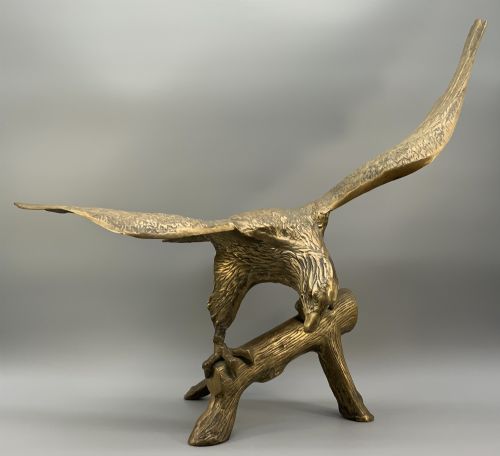
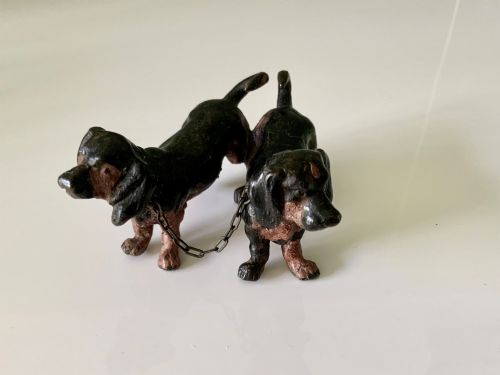
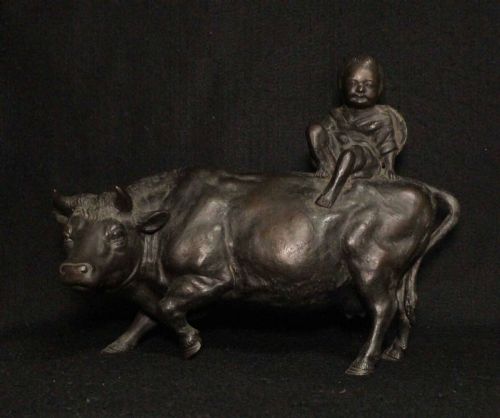
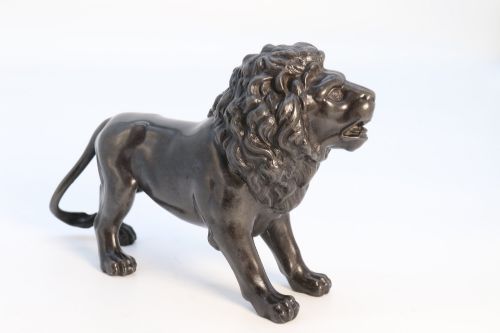
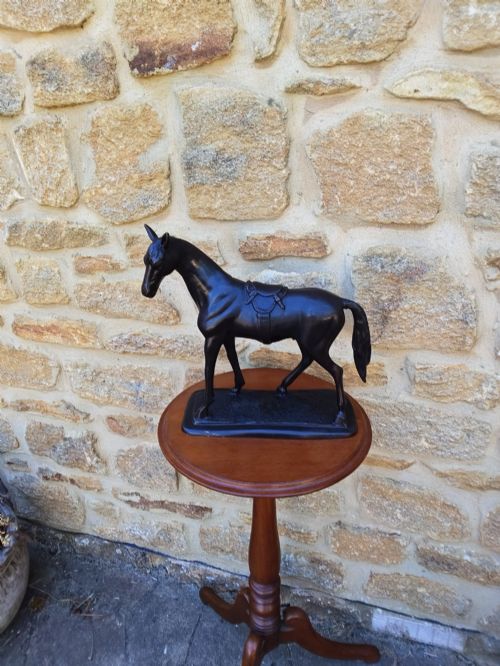
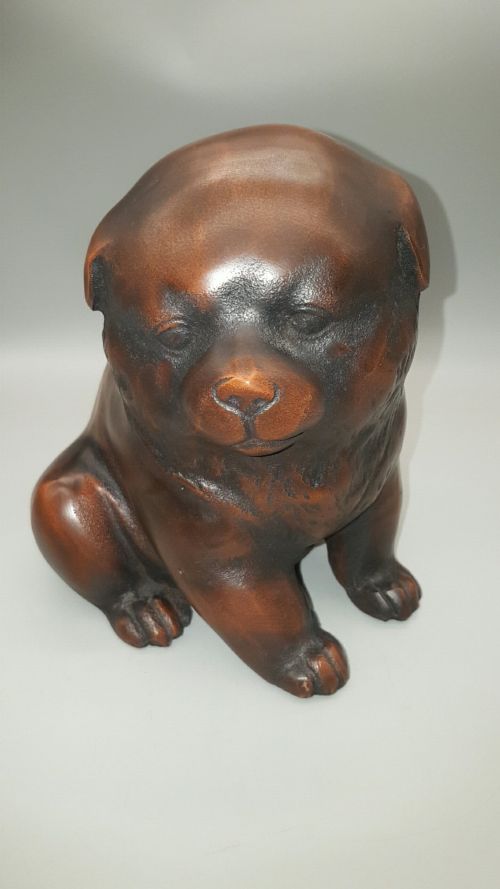
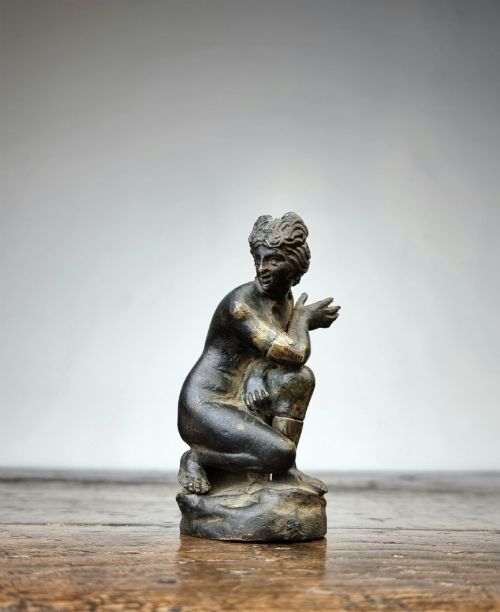
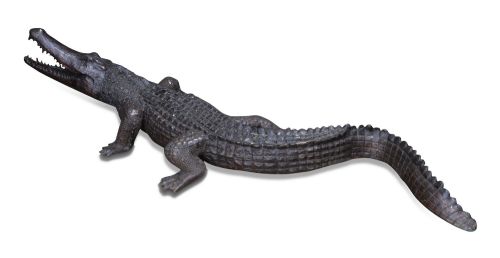
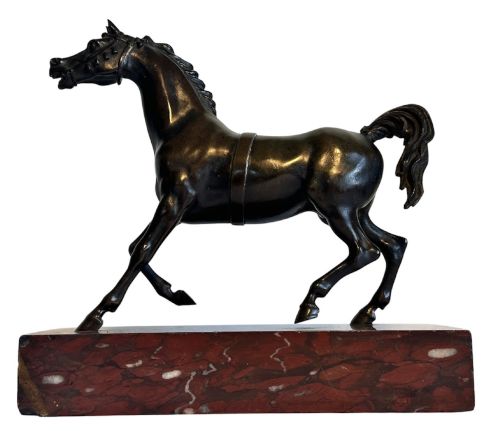
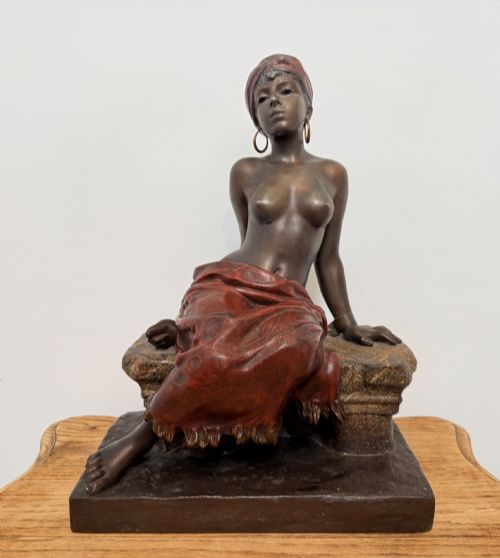
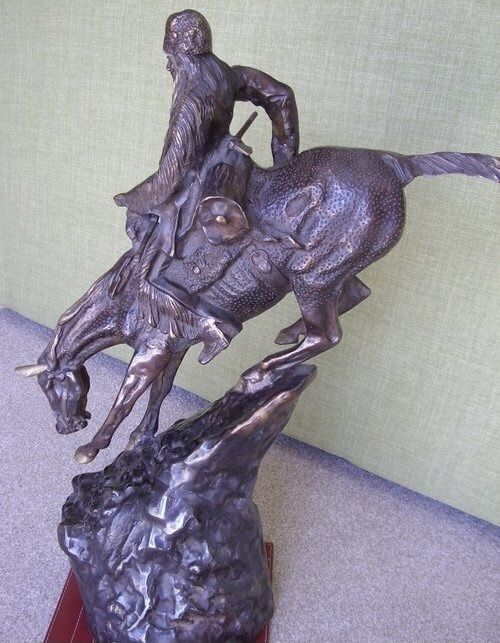
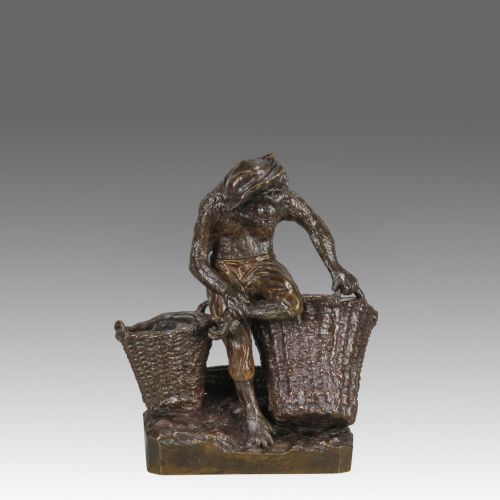
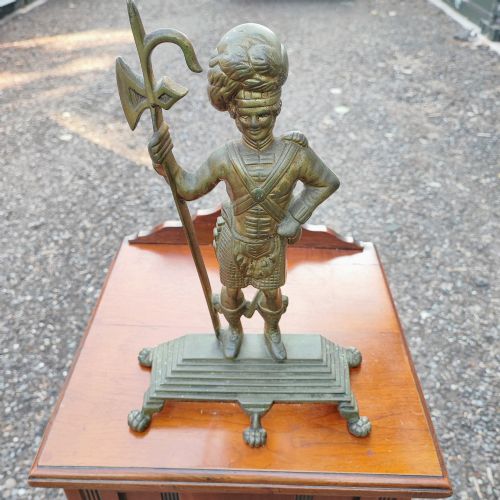
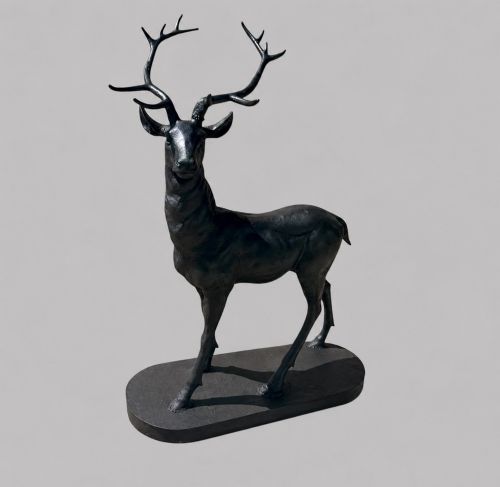
A cast metal figurine covers a broad spectrum of small decorative sculptures, doorstops, and desk accessories found across this page. They emerge from diverse traditions, ranging from European animalier studies to Japanese Meiji period bronzes and utilitarian iron doorstops.
Buyers encounter subjects stretching from classical figures and literary characters to domestic and wild animals rendered in bronze, brass, iron, and pewter. The selection spans centuries of foundry work, with nineteenth-century examples and early twentieth-century pieces appearing frequently.
How they were made
Foundries utilised traditional casting methods, predominantly the lost-wax technique for finer bronzes or sand-casting for heavier iron and brass items. Molten metal poured into moulds captured intricate textures, from fur and feathers to human musculature and garment folds.
Finishing involved hand-chasing to sharpen details, followed by applied patinas, cold-painted polychrome pigments, or silver plating. Bases of marble occasionally provided stability for heavier pieces.
Among the menagerie of dogs, lions, and stags, a tiny cast metal rhinoceros beetle stands ready for action.
What varies in quality
Quality rests primarily on the crispness of the casting and the sensitivity of the hand-finishing work. Superior examples retain sharp facial expressions, fine surface textures, and deliberate patination without obscuring detail.
The integrity of the signature or foundry mark and the weight of the metal distinguish master foundry output from later commercial reproductions. Base mounting and secondary materials like marble or wood further indicate the original tier of production.
E Villanis·Frederic Remington·Christophe Fratin·Franz Bergman·Justo de Gandarias·Bradley & Hubbard·Tsunemitsu
The Cast Metal Figurine Glossary
- Animalier
- A nineteenth-century artistic style and movement focusing on realistic depictions of animals, particularly in motion. Sculptors in this tradition studied anatomy closely.
- Patina
- The surface coloration and sheen developed naturally over time or applied chemically by the foundry. It protects the metal and adds depth to the sculpture.
- Cold-painted
- A technique where paint is applied to cold metal rather than fired in a kiln. This finish is delicate and easily lost if handled improperly.
- Okimono
- A Japanese term for a decorative object placed on a display shelf or tokonoma. These miniature sculptures demonstrate exceptional metallurgical skill.
- Geschützt
- A German term meaning protected or registered, often stamped on continental metalware. It indicates a patented design or manufacturing method.
Cast Metal Figurine: Frequently Asked Questions
How do I clean a bronze figurine?
Dust gently with a soft, dry brush to prevent accumulation in crevices. Avoid water, abrasive cleaners, or polishes that strip the original patina.
Applying a light microcrystalline wax occasionally helps protect the surface from moisture and handling oils.
What is the difference between cold-painted and cast bronze?
Cast bronze relies on the inherent tone of the metal alloy, often enhanced with chemical patination. Cold-painted pieces feature surface pigments applied after casting.
Cold-painted surfaces require extra care to preserve the original polychrome colours.
How can I tell the age of a metal casting?
Examine the underside for casting seams, tool marks, and wear patterns consistent with historical manufacturing methods. Maker marks, foundry stamps, and patination depth also offer chronological clues.
Comparing stylistic details to known period examples helps narrow down the decade of production.
Were these figurines meant for desks or displays?
Many served dual purposes as paperweights, inkwell companions, or doorstops while others were purely decorative mantle ornaments. Their weight and flat bases usually indicate their intended domestic function.
Smaller examples were designed for close inspection on study desks or cabinet shelves.