



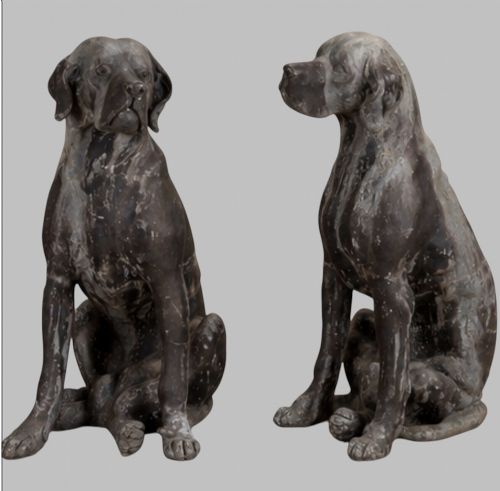
Cast Metal Figure
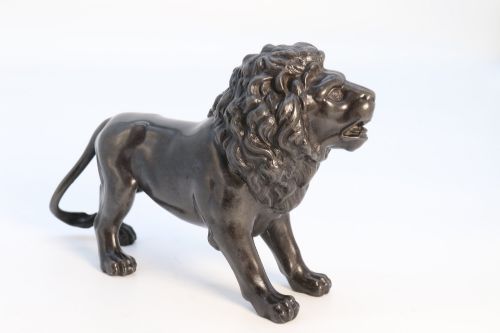
A cast metal figure brings weight and detail to a room, appearing in forms from classical lions to cast iron doorstops.
Cast Metal Figure
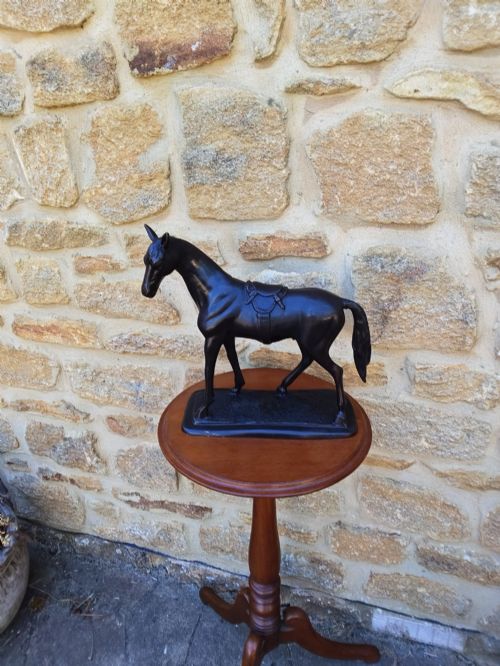
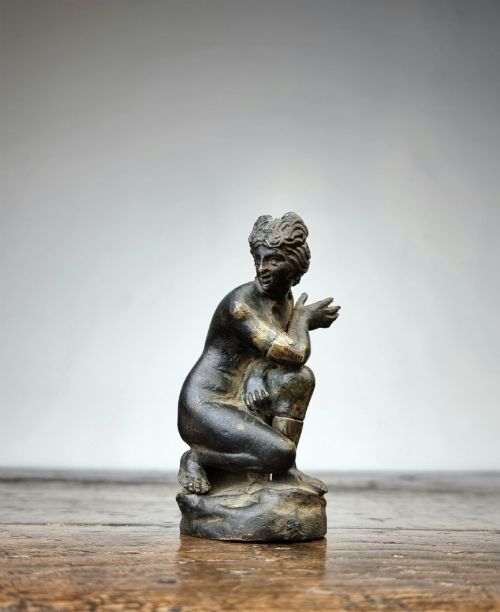
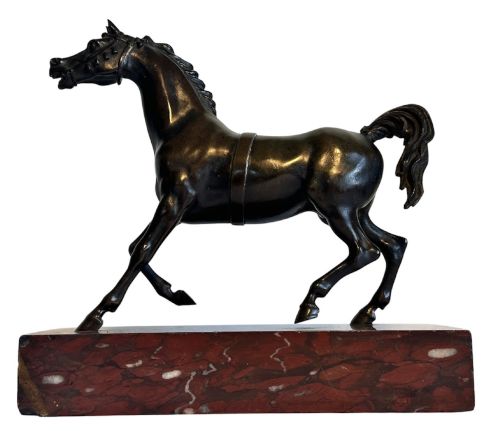
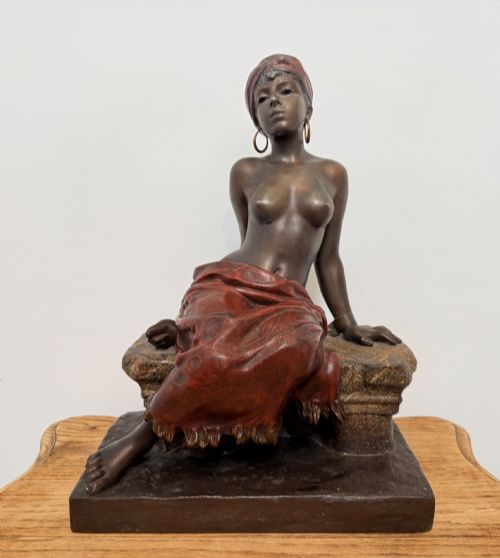
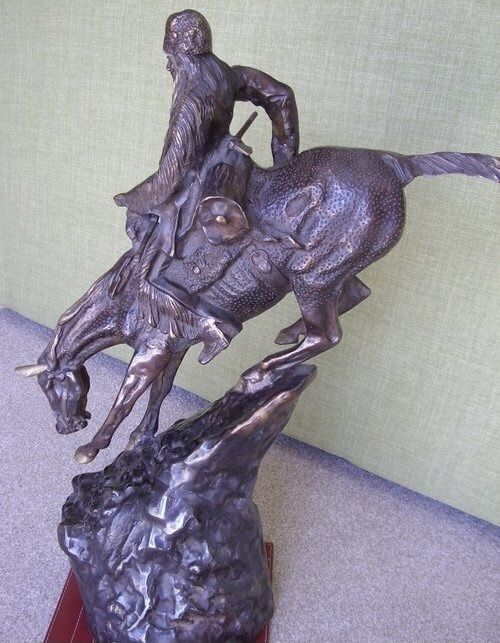
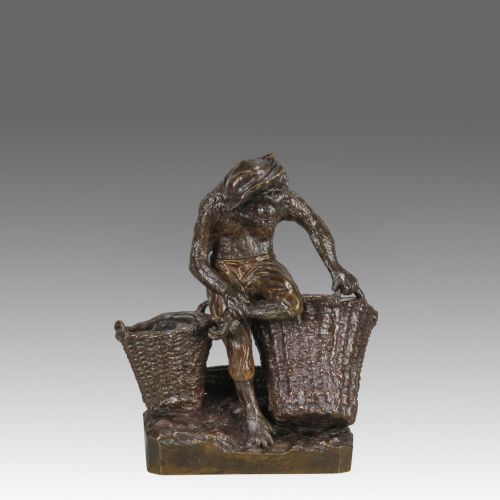
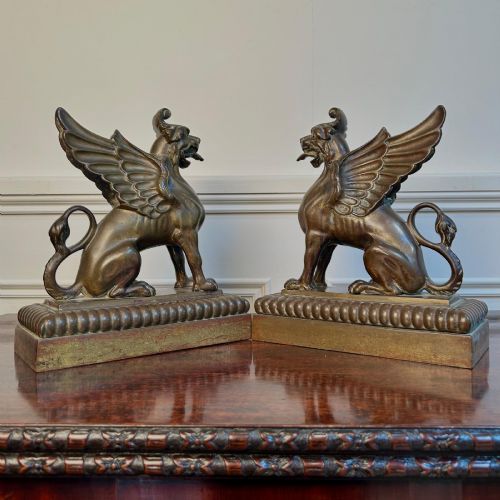
When searching for a cast metal figure, buyers encounter a diverse selection spanning the nineteenth and early twentieth centuries. These objects range from classical Grand Tour models and Animalier studies to utilitarian doorstops and mantel ornaments.
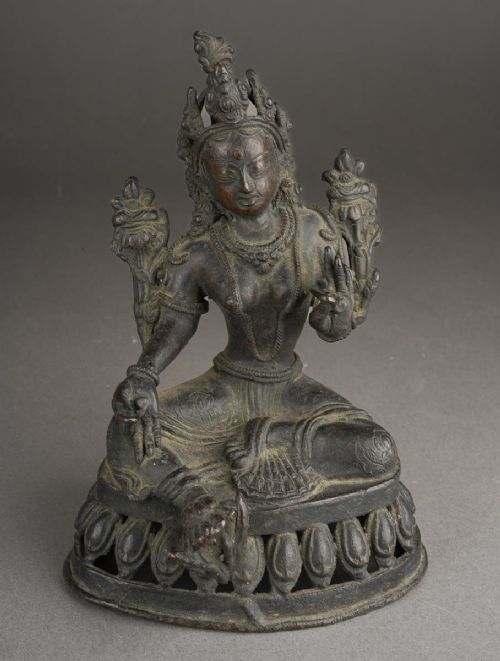
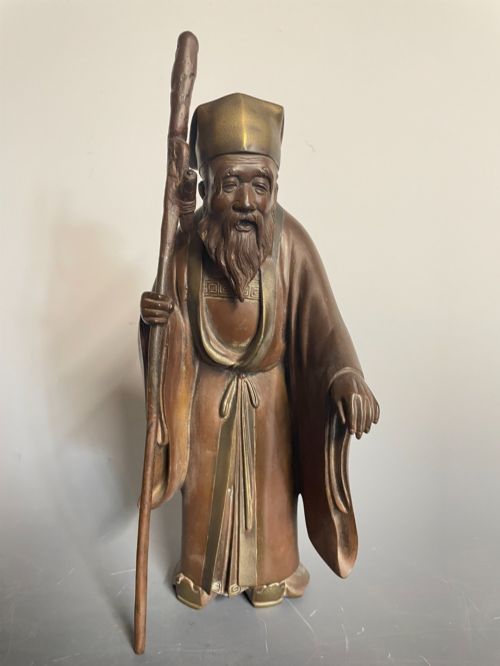
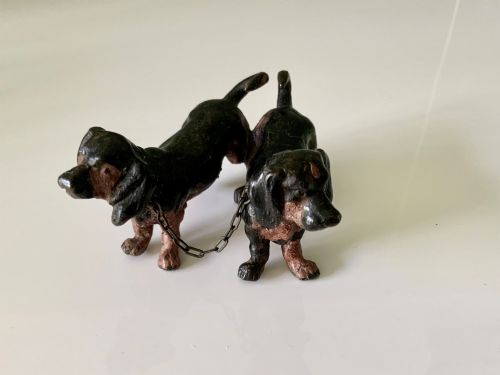
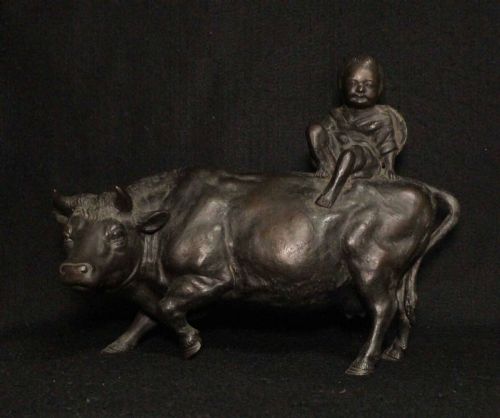
The assortment on this page leans heavily toward nineteenth-century and early twentieth-century examples, incorporating Victorian, Art Nouveau, and Meiji period aesthetics. Subjects vary from domestic dogs and wild animals to human figures in historical and mythical poses.
How they were made
Pieces in this category utilise metals such as bronze, brass, cast iron, and spelter, often finished with cold-painted highlights or patination. Foundries employed traditional casting techniques to capture fine surface detail in subjects ranging from animalier sculptures to decorative candlesticks.
Heavier items like garden statues and doorstops rely on cast lead or iron, whilst smaller decorative objects frequently combine metal figures with marble bases or wooden elements.
Rhinoceros beetles and bulldog figures remind us that nineteenth-century metalworkers found inspiration in the oddest corners of the natural world.
What varies in quality
Quality rests primarily in the crispness of the casting and the sensitivity of the finishing work. A superior piece retains sharp anatomical details or facial expressions without softening from worn moulds.
The integrity of the surface finish, whether original cold-painting or a patinated bronze surface, distinguishes higher tier examples from later or simpler reproductions.
E Villanis·L & F Moreau·Christophe Fratin·Franz Bergman·Justo de Gandarias
The Cast Metal Figure Glossary
- Animalier
- A nineteenth-century artistic movement focused on the realistic depiction of animals. Sculptors in this style studied living creatures closely to capture natural movement.
- Spelter
- An alloy of zinc and lead or copper, often used as a less expensive alternative to bronze. It takes patination well to simulate heavier metals.
- Cold-painted
- A method where paint is applied to a bronze object without heat-firing. This technique was favored by Austrian workshops for small desk ornaments and animal figures.
- Patination
- The surface coloration and texture developed naturally over time or applied chemically by a foundry. It protects the metal and adds depth to sculptural details.
- Grand Tour
- A nineteenth-century tradition where travellers collected miniature classical sculptures as souvenirs. These bronze figures replicate famous antiquities.
Cast Metal Figure: Frequently Asked Questions
What metals were used for these figures?
Makers utilised bronze, cast iron, brass, spelter, and lead depending on the intended function of the piece. Decorative sculptures usually employed bronze or spelter, whilst doorstops and heavy ornaments turned to iron.
Surface treatments such as cold-painting and chemical patination were added to enhance the visual appeal of the metal.
How do I care for a bronze figure?
Dust the surface gently with a soft, dry cloth to prevent the accumulation of dirt in recessed details. Avoid using liquid cleaners or polishes that can strip the original patination.
Keep the object away from direct moisture and extreme temperature fluctuations to protect the metal and any attached marble bases.
How can I tell the period of a cast figure?
Examine the style of the casting, the quality of the surface finish, and any foundry marks or signatures present on the base. Nineteenth-century pieces often reflect movements like Art Nouveau or the Animalier school.
Material composition also offers clues, as spelter gained widespread popularity during the late nineteenth and early twentieth centuries for decorative wares.
Where were these figures placed historically?
Smaller figures and desk tidies sat upon writing tables, mantelpieces, and cabinets in Victorian and Edwardian homes. Larger bronze sculptures and marble-based pieces occupied prominent display spaces in studies and drawing rooms.
Cast iron and lead versions served practical household roles as doorstops or paperweights alongside their decorative function.