




Cast Iron Log Supports
Cast iron log supports anchor a hearth, holding fuel safely above the ash bed in heavy metal forms.

Cast Iron Log Supports
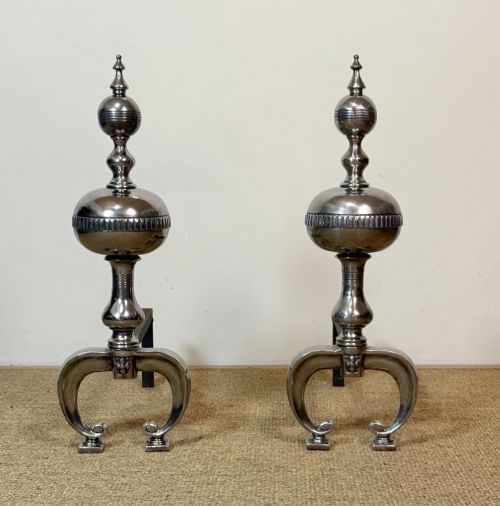
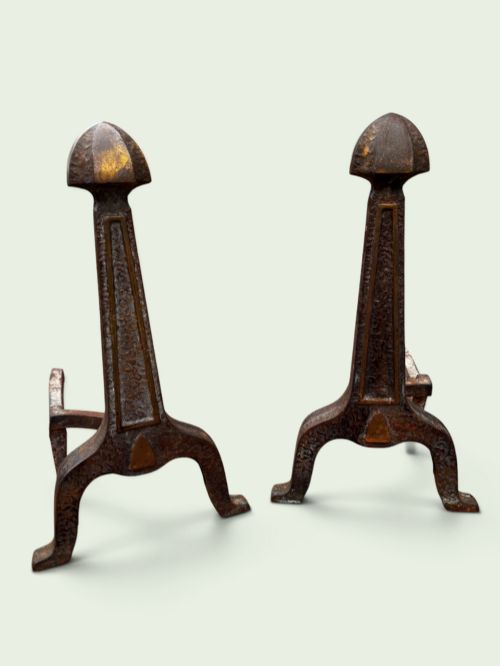
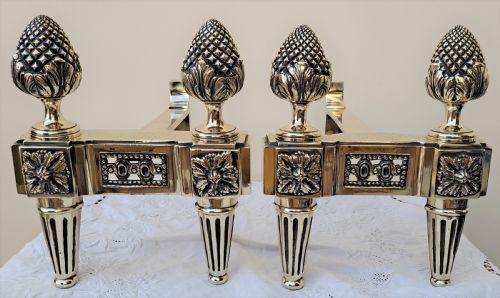
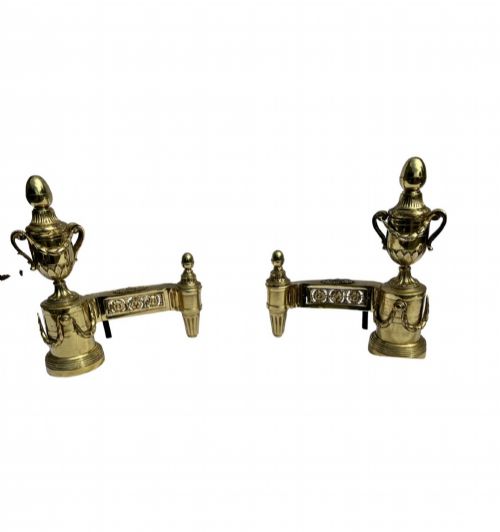
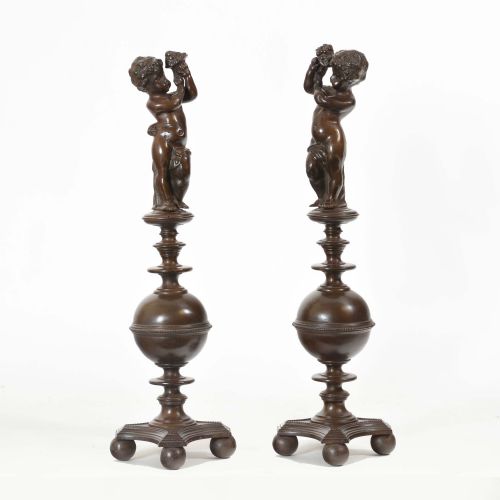
Cast iron log supports appear across this page as firedogs, andirons, and fire dogs designed for hearth use. These fireplace accessories elevate wood to improve airflow beneath burning logs.
Most examples date from the nineteenth century, though earlier sixteenth century pieces also surface alongside later twentieth century items. Forms range from simple functional iron stands to elaborate revival styles.
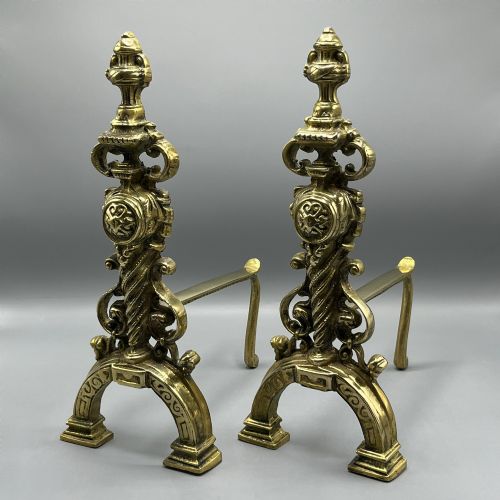
Makers shaped these supports for coal and wood fires in English, French, Italian, and Dutch households. Buyers encounter pairs that combine cast iron bodies with brass or bronze elements.
How they were made
Foundries poured molten cast iron into sand moulds to shape the main body and billet bars of these supports. Iron provided the heavy, heat-resistant structure needed to bear burning fuel in open hearths.
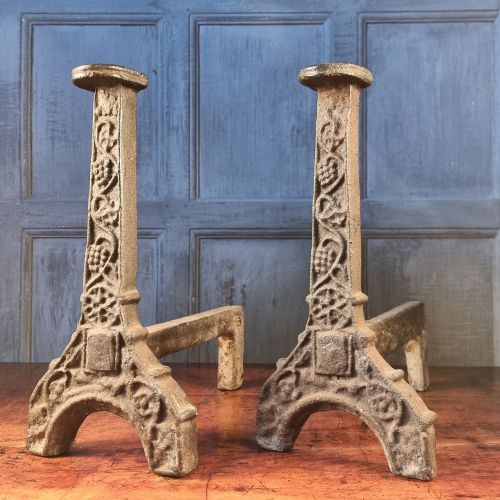
Craftsmen combined cast iron with wrought iron, steel, and solid brass components to create decorative fronts. Some pieces received a bronze finish or were cast in Renaissance and Gothic revival styles.
Listings feature periods spanning from the 16th century through the 19th century up to 1920, utilising cast iron, brass, steel, and bronze.
What varies in quality
Quality depends on the crispness of the casting and the weight of the metal used in the construction. Finer pieces display sharply defined ornamentation in styles like Gothic Revival and Renaissance Revival.
The choice of mixed metals alters the character of a pair, with solid brass or bronze highlights marking more ambitious foundry work. Simple nineteenth century utility pieces contrast with monumental sculptural designs.
The Cast Iron Log Supports Glossary
- Andirons
- Supports for logs in a fireplace, typically used in pairs. They feature an upright front standard and a horizontal bar behind.
- Firedogs
- Alternative term for andirons. These metal supports keep fuel lifted above the hearth floor.
- Billet bar
- The horizontal iron bar that extends backward from the front standard to hold the logs. It absorbs direct heat during a fire.
- Gothic Revival
- A design style drawing on medieval architecture and ornament. It appears frequently in nineteenth century fireplace accessories.
Cast Iron Log Supports: Frequently Asked Questions
What are cast iron log supports?
These are heavy metal fixtures placed inside a fireplace to hold logs above the hearth floor. They combine a decorative front standard with a rear bar.
The design allows air to circulate underneath the burning wood for a cleaner and more efficient fire. Most examples function as matching pairs on either side of the hearth.
How do you use andirons in a fireplace?
Andirons sit on the hearth floor with their horizontal bars pointing toward the back of the fireplace. Logs rest across these bars to keep them elevated.
This elevation prevents smothering and helps ash fall safely away from the burning wood. They work well in open wood-burning fireplaces.
How do you date cast iron log supports?
Dating relies on stylistic details, foundry marks, and the combination of materials like brass, steel, and cast iron. Pieces span from the sixteenth to the twentieth century.
Revival styles from the nineteenth century often imitate earlier Renaissance or Gothic designs. Examining the casting technique and wear helps place an item in its period.
Are all fire dogs made of cast iron?
While cast iron forms the primary structure for many pieces, makers frequently combined materials. Wrought iron, steel, solid brass, and bronze finishes appear across different examples.
Foundries often paired a heavy iron body with decorative brass fronts to enhance the visual appeal in formal rooms.