

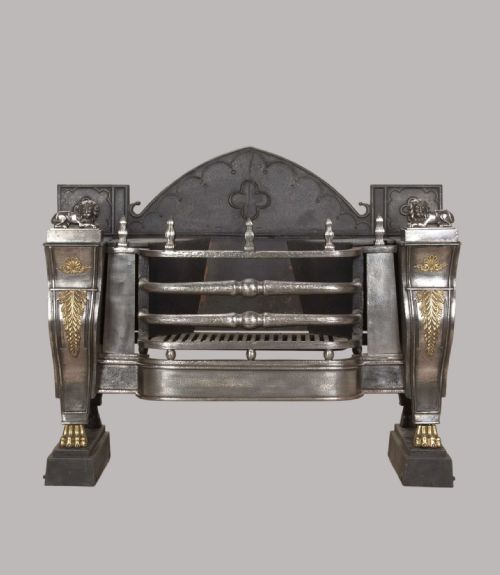
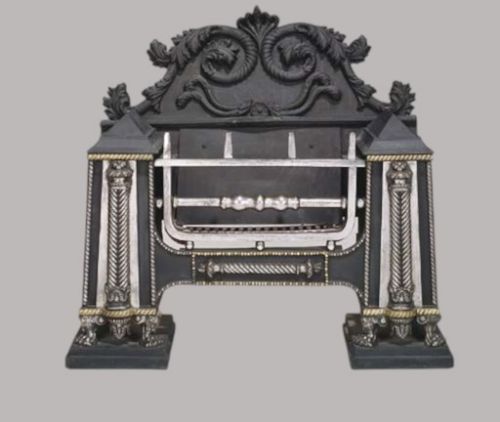


Cast Iron Fire Basket
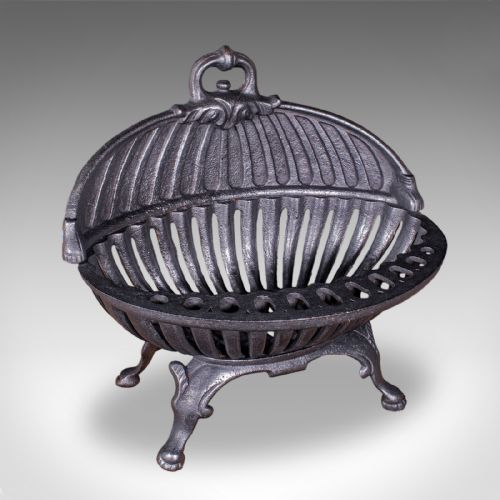
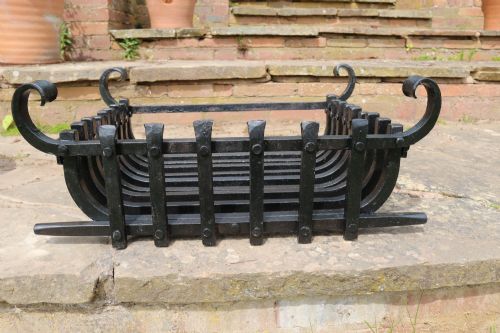
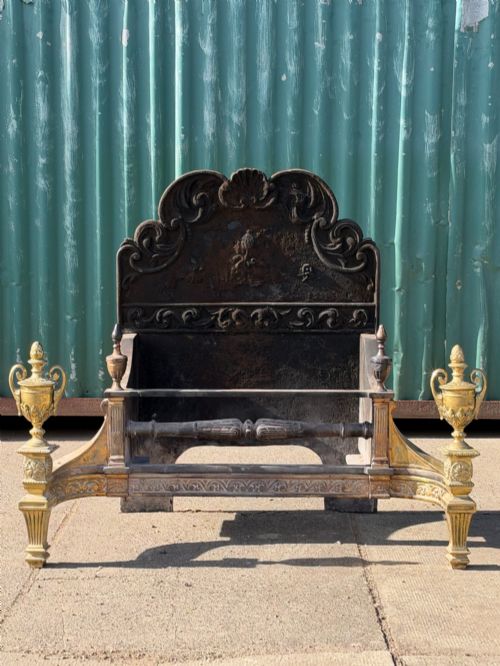
A cast iron fire basket brings weight and architectural presence to an open hearth, providing a functional hearth insert designed to hold coal or logs safely.
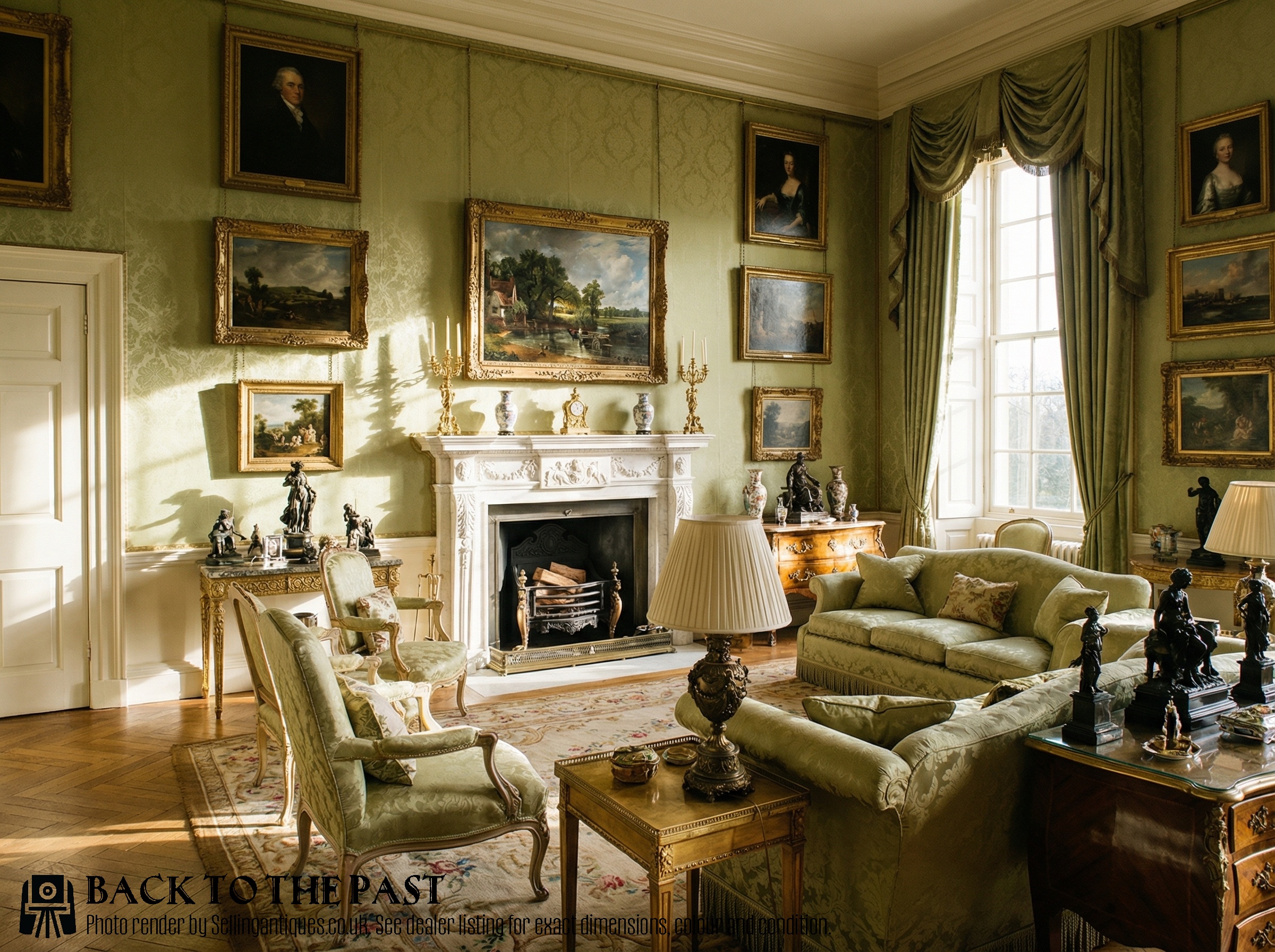
Cast Iron Fire Basket
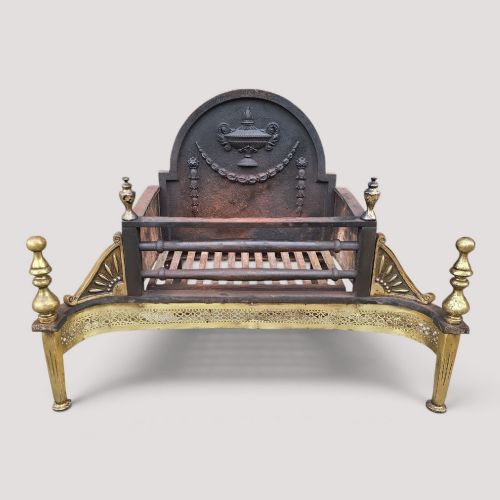
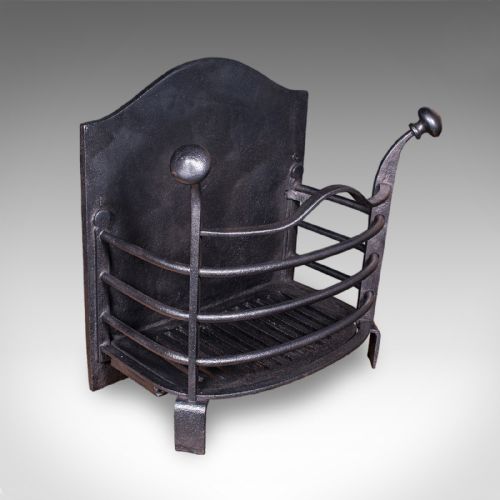
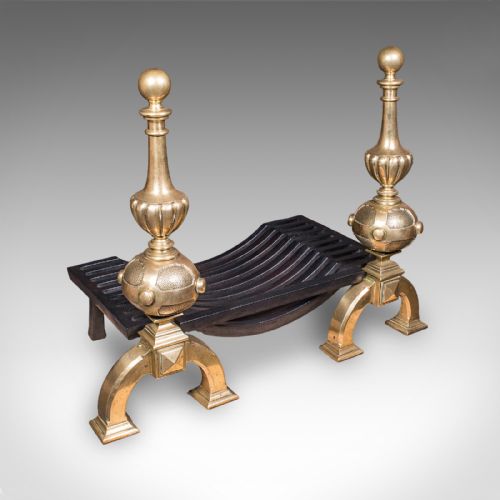
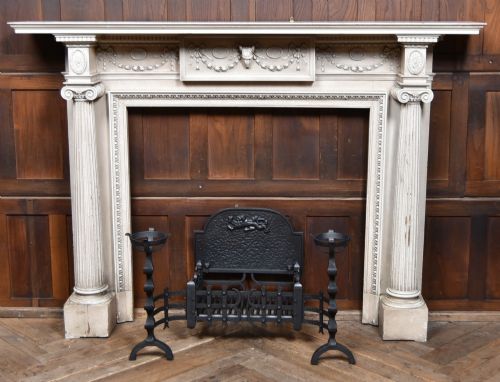
A cast iron fire basket forms the central iron grate or open fireplace insert in a room, holding fuel away from the masonry while radiating heat directly outward into the space. When searching for a cast iron fire basket, buyers encounter freestanding hearth units alongside larger register grates and combinations paired with matching andirons.
The surviving examples range widely across periods, encompassing Georgian and Regency classical designs alongside Victorian, Edwardian, and later Arts and Crafts interpretations. Many pieces incorporate integral firebacks or sit forward on heavy iron dogs, providing a substantial focal point within period chimney breasts and inglenook settings.
Materials and Construction
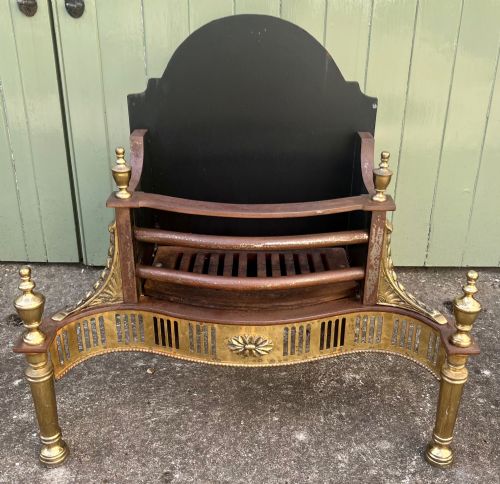
Foundry work relied heavily on durable cast iron for the main basket bodies, firebacks, and grates, paired frequently with wrought iron for forged handles, bars, and structural straps. Brass details appear frequently as decorative finials, classical mounts, and decorative flaming urn motifs.
Firebrick linings are occasionally integrated to protect the metal carcass from extreme heat during regular use. Components were secured using bolts, rivets, or traditional forge-welding techniques depending on the manufacturing period.
Cast Iron Fire Basket Retail Price Guide 2026
Typical asking prices for cast iron fire basket among the pieces listed under this phrase on Sellingantiques today, from the lower quarter to the upper quarter. They describe what is for sale here now, not the wider market.
Some sturdy Victorian fire baskets come equipped with small castors, proving that even heavy ironwork occasionally appreciated a little mobility.
Evaluating Quality and Proportion
Quality rests in the crispness of the casting and the structural integration of brass and wrought iron elements rather than plain weight alone. Finer examples display well-defined neoclassical urns, pierced aprons, and balanced proportions that suit formal reception rooms.
Heavier inglenook models and robust utility grates prioritise sheer thickness of metal and functional durability over decorative enrichment. The harmony between the basket, the companion andirons, and the fireback indicates whether a set was conceived as a unified whole.
The Cast Iron Fire Basket Glossary
- Fire Basket
- An open metal grate designed to hold solid fuel within a fireplace hearth. These units typically feature slatted iron bars to allow air circulation beneath the fire.
- Andirons
- Supporting metal dogs placed on either side of a hearth to hold logs or support the front of a fire grate. They often feature decorative brass or cast iron terminals.
- Fireback
- A heavy iron plate positioned at the back of an open fireplace to protect the masonry wall and reflect heat into the room. They frequently display raised heraldic or classical reliefs.
- Hob Grate
- A fireplace grate featuring flat raised metal shelves on either side designed for keeping kettles warm. This form is closely associated with Georgian and Regency interior styles.
- Register Grate
- A framed fireplace insert incorporating an adjustable flap or damper to control the draught up the chimney. These units became popular for regulating heat output in Victorian rooms.
Cast Iron Fire Basket: Frequently Asked Questions
Can I burn real wood in these baskets?
Most of these pieces accommodate seasoned logs or coal depending on the specific bar spacing and the presence of a firebrick lining. Lighter decorative models suit occasional fires, while heavy iron examples handle continuous daily use.
Buyers should ensure the basket size matches the depth of their hearth to contain embers safely and maintain proper draught.
How do I clean cast iron and brass?
Routine maintenance involves brushing out ash and applying a light coat of grate polish or oil to protect the cast iron surface from rust. Brass elements respond well to gentle cleaning with a soft cloth to preserve their original finish without harsh abrasives.
Avoid using water directly on unsealed iron surfaces to prevent corrosion over time.
Are andirons always included with the basket?
Many listings present fire baskets paired with matching andirons or fire dogs as complete hearth sets, particularly for Victorian and Georgian examples. Other pieces are designed as freestanding units with integral legs.
Checking the specific description confirms whether the dogs form an original matched pair with the grate.
How do I date a fire basket?
Dating relies on stylistic clues, such as the crisp neoclassical urns and brass finials typical of the Georgian and Regency periods versus the heavier Gothic Revival and Arts and Crafts motifs seen later. Construction methods, including the transition from hand-forged wrought iron to mass-produced cast components, also indicate the era.
Comparing the decorative detailing against established design movements helps narrow down the period of manufacture.