

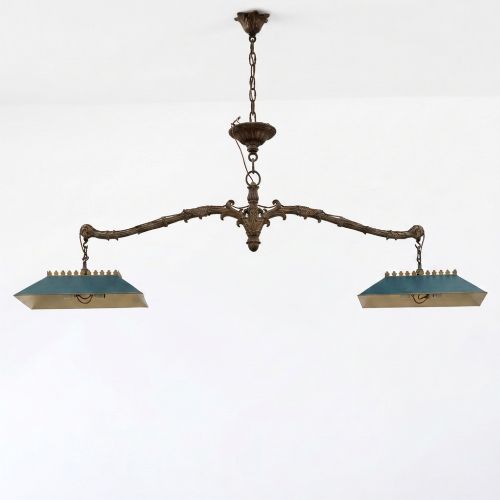
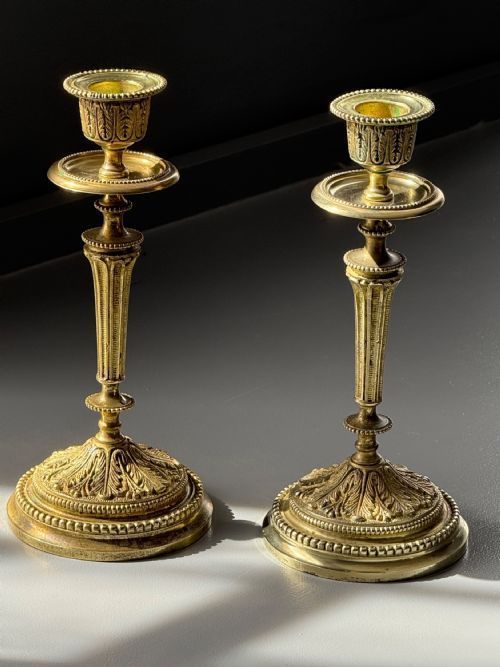
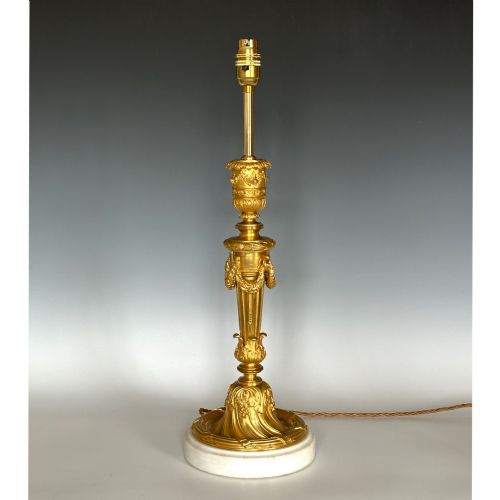
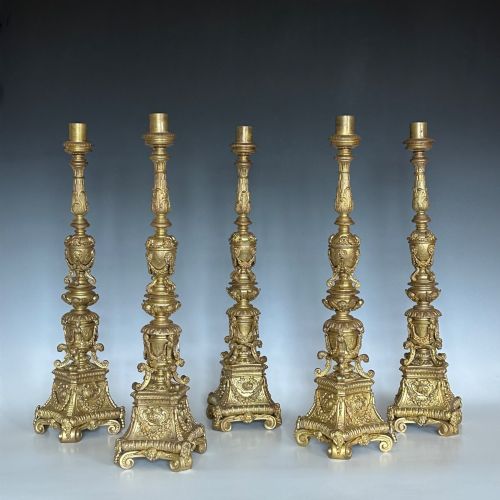
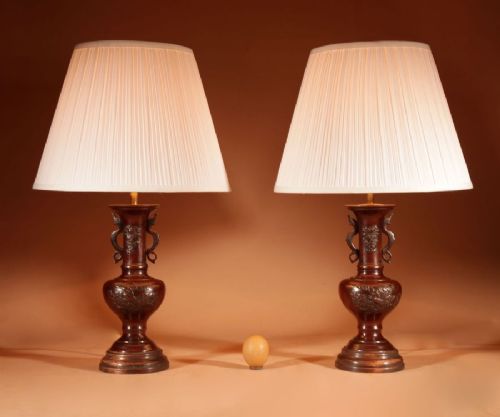
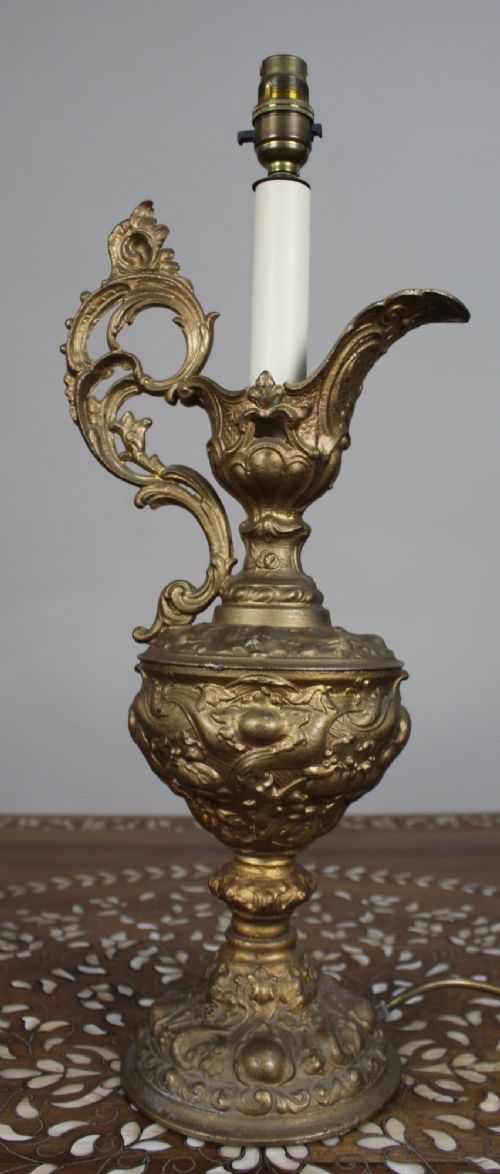
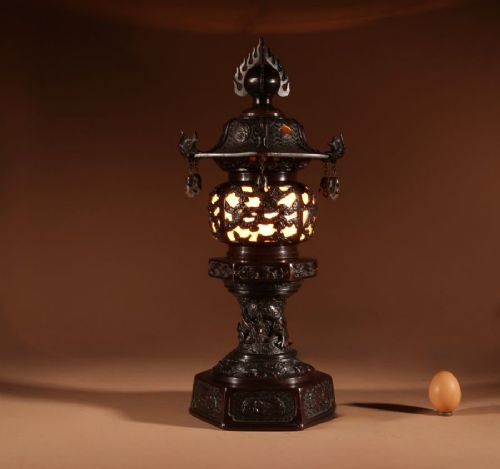

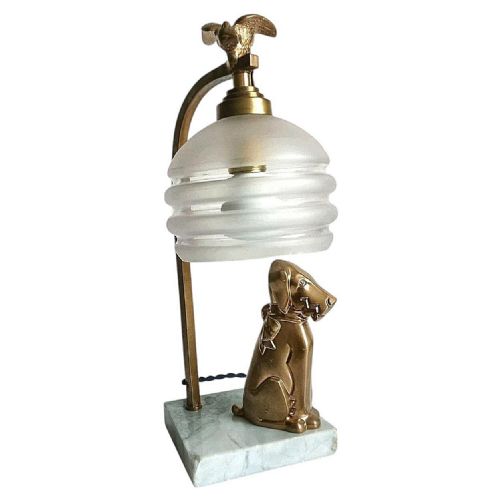

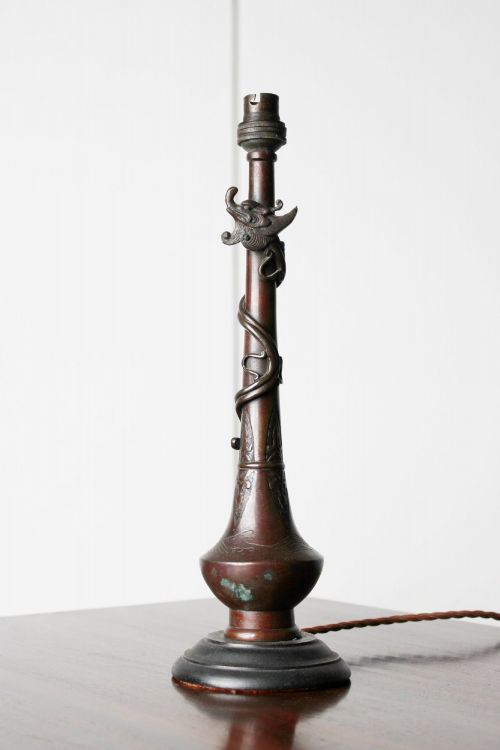
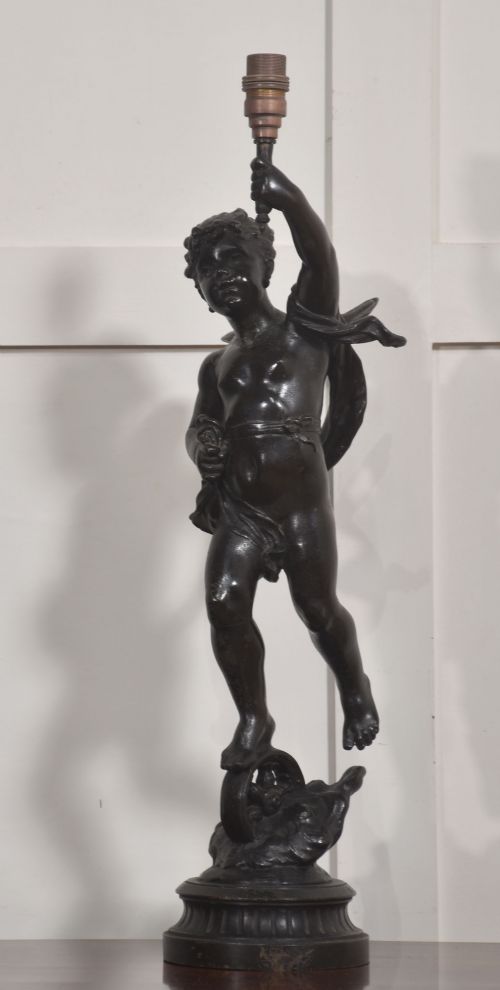


Cast Bronze Table Light
A cast bronze table light brings heavy metal weight, detailed casting and rich patination to a room, serving as both functional illumination and sculptural centrepiece.
Cast Bronze Table Light
A cast bronze table light encompasses functional illumination and converted candlesticks shaped from heavy copper alloy, spanning utilitarian desk lamps to ornate figural pieces. When searching for a cast bronze table light, buyers encounter various forms including converted vases, multi-arm candelabra and figural standards derived from earlier lighting implements.
The selection ranges across distinct historical periods from the Victorian era and the nineteenth century into the 1920s and 1930s, reflecting diverse international tastes. European designs lean towards French Louis styles, Rococo Revival, and Art Nouveau, while Japanese Meiji period bronzes and Chinoiserie pieces introduce distinct Eastern motifs.
Makers and foundries utilised these varied stylistic idioms to produce items equipped for domestic illumination, often pairing metal bodies with fabric shades, marble bases or glass elements. The resulting objects function as reliable desktop companions or prominent living room table lamps built with substantial physical presence.
Factors of quality and execution
Structural integrity also dictates worth, seen in the solidity of the mounting, the weight of the marble base, and the clean integration of electrical wiring or original burner mechanisms. Superior castings maintain proper balance across multi-arm candelabra and heavy figural lamps without listing or wobbling.
Listings feature items from the 19th century, Victorian era, and the 1920s and 1930s, alongside Art Nouveau and Meiji period works.
L & F Moreau·The Charles Parker Company·Joseph Hinks·Aug. Moreau·P. Sega
The Cast Bronze Table Light Glossary
- Bronze
- An alloy consisting primarily of copper combined with tin, prized for its durability and capacity to hold fine cast details.
- Patination
- The surface coloration and ageing acquired by metal over time, either naturally through oxidation or artificially through chemical treatments applied by the maker.
- Spelter
- A zinc alloy commonly utilised as a cheaper alternative to bronze for sculptural lamp bases, often given a bronze-look finish.
- Ormolu
- Gilt bronze produced by applying a finely ground high-carat gold-mercury amalgam to a bronze object, common in French decorative arts.
- Champlevé
- An enamelling technique where troughs are carved into the metal surface and filled with vitreous enamel before firing.
Cast Bronze Table Light: Frequently Asked Questions
How do I wire an antique lamp safely?
Older lamps often require rewiring to meet modern electrical standards before domestic use.
Qualified electricians can replace perished internal cords while retaining original metal components and holders.
What is the difference between bronze and spelter?
Bronze is a heavy copper and tin alloy that accepts detailed chasing and holds deep patination.
Spelter is a softer zinc alloy that feels lighter and requires careful handling to avoid breakage.
How do I clean a bronze lamp?
Dust surfaces regularly with a soft, dry cloth to prevent dirt accumulation within recessed casting details.
Avoid abrasive cleaners or chemical polishes that strip away the aged patination and surface colour.
Are these lamps converted from candlesticks?
Many older lighting pieces began life as oil lamps, candlesticks or decorative vases before receiving electrical fittings.
Conversions allow historical metalwork to serve modern domestic functions without losing its original aesthetic character.