
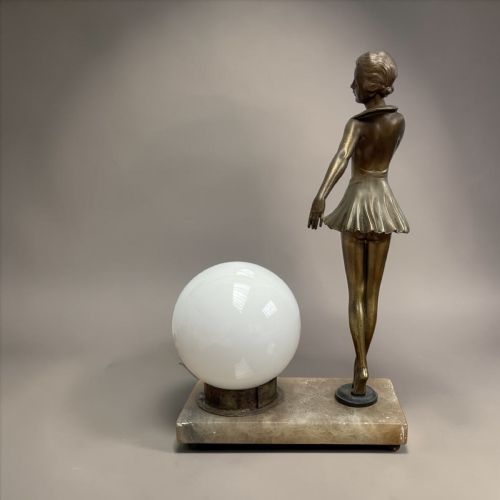
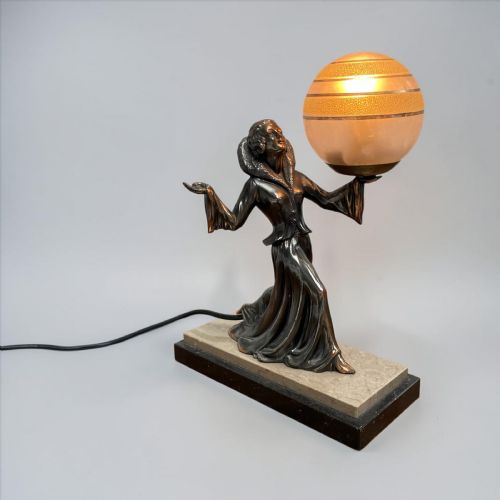
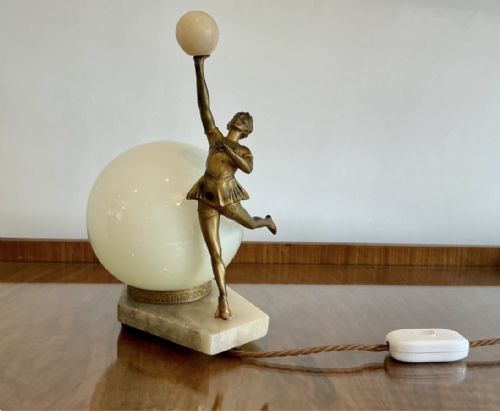
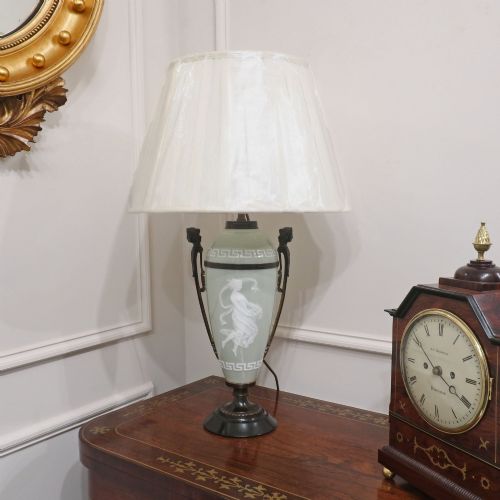
Vintage Bronze Desk Light
These vintage bronze desk light examples bring focused illumination and substantial metalwork to a workspace.
Vintage Bronze Desk Light
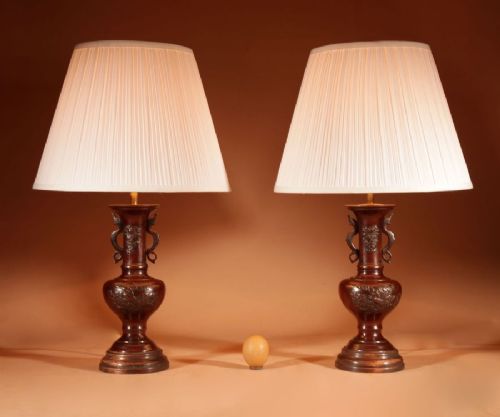
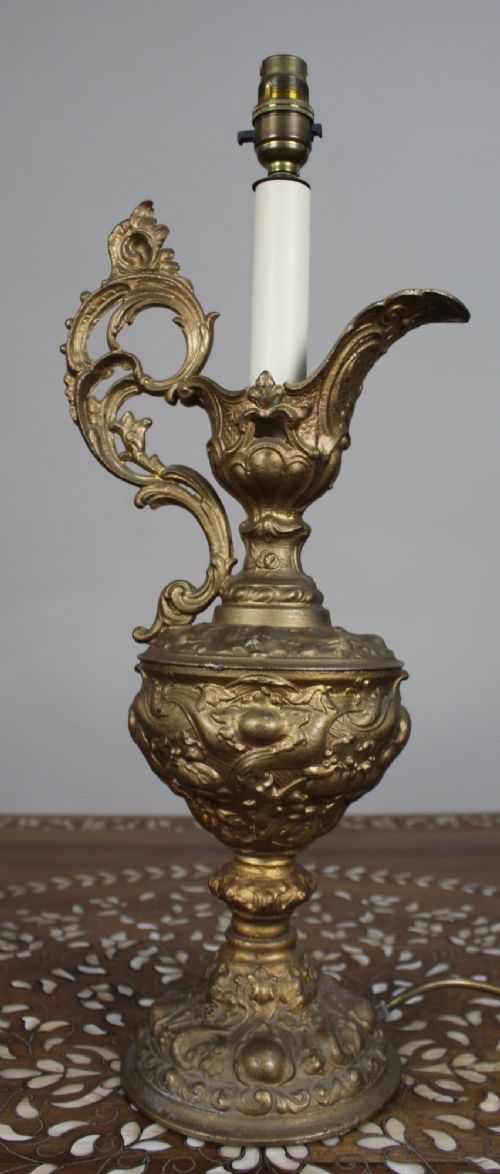
When buyers search for a vintage bronze desk light, they look for functional illumination combined with period metalwork. The selections span table lamps, desk lamps, and desk accessories designed for workspaces and libraries.
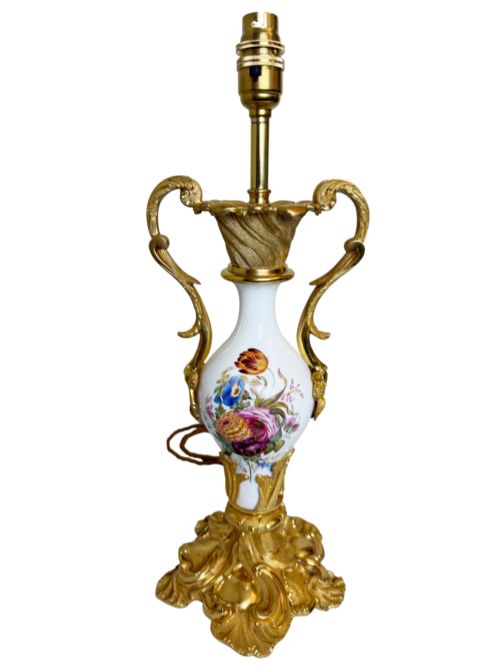
Pieces frequently date from the nineteenth and early twentieth centuries, encompassing styles such as Art Deco, Art Nouveau, and French Neoclassical. Most examples incorporate metal structures alongside materials like marble, porcelain, and glass.
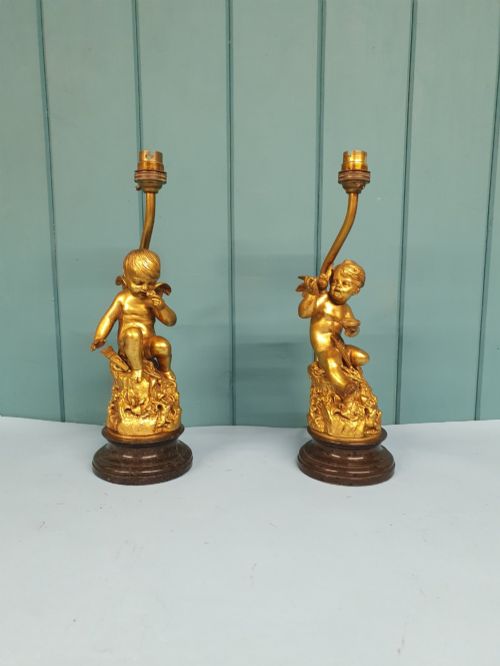
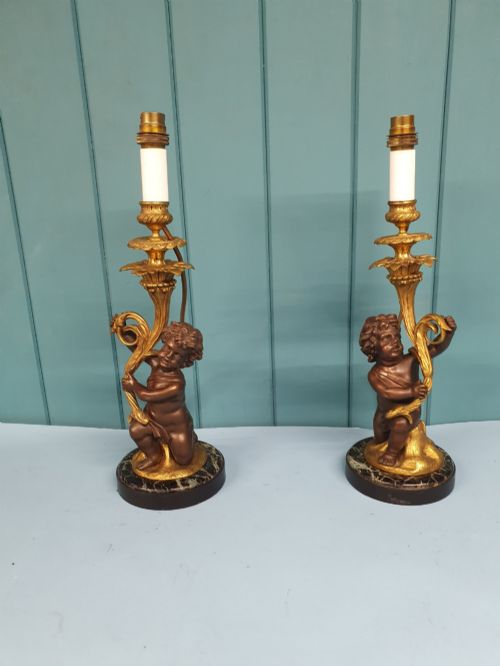
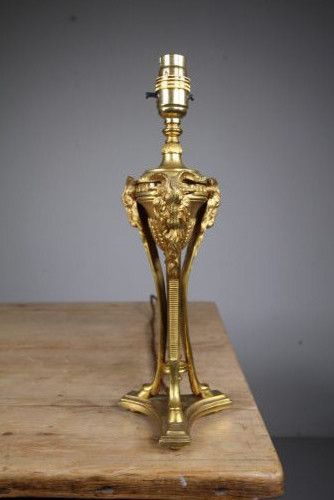
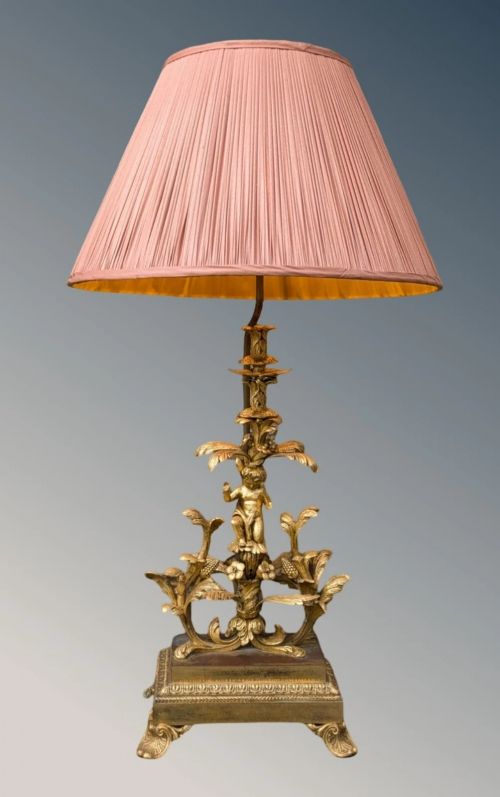
Workmanship reflects the decorative tastes of periods spanning from the eighteen-eighties to the nineteen-forties. Buyers meet both straightforward utilitarian task lamps and highly decorative forms featuring figures, urns, or floral motifs.
Materials and Construction
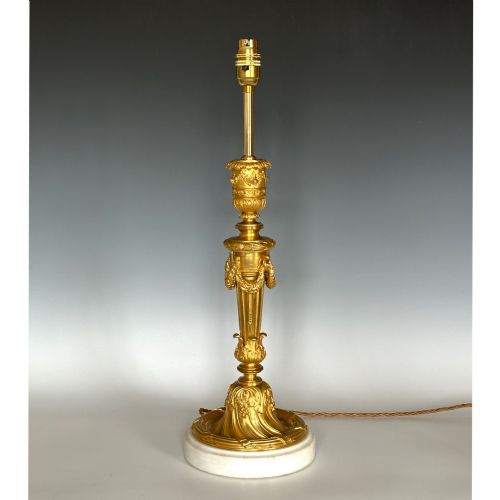
Foundations rely predominantly on cast bronze, brass, and ormolu, often paired with patinated metal finishes. These metallic components provide weight and structural stability to the base.
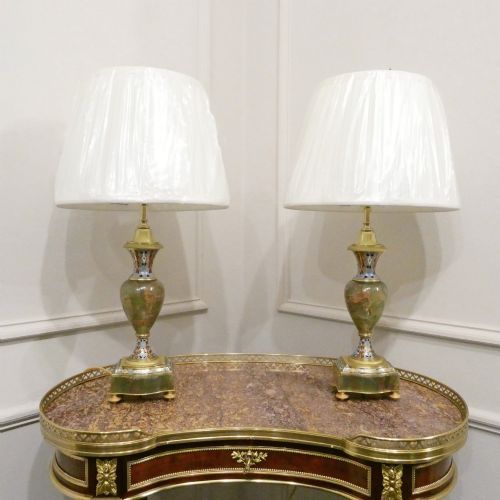
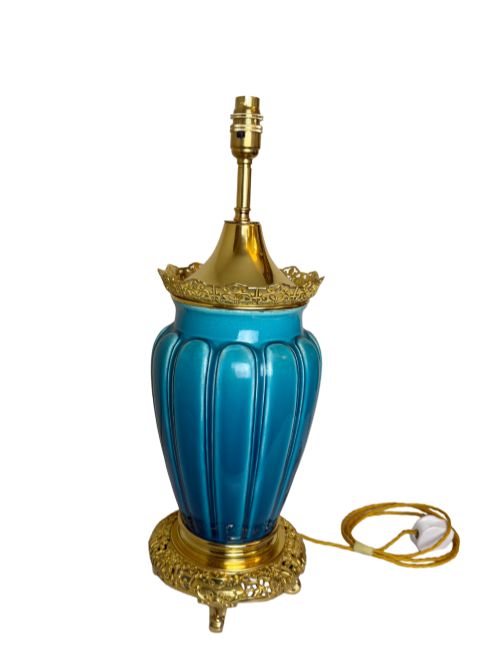
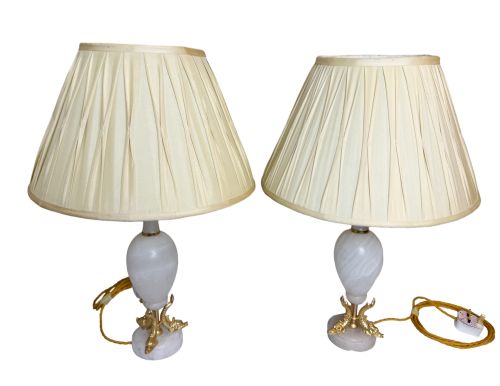
Accents incorporate natural stone such as onyx and marble, alongside ceramic elements including porcelain and glazed earthenware. Glass cabochons and fabric shades complete the construction of illuminated examples.
Listings feature bronze, brass, and patinated metal combined with marble, onyx, and porcelain across the nineteenth and twentieth centuries.
Evaluating the Pieces
Quality reveals itself in the crispness of the metal casting and the depth of the patination. Finer examples display sharp chisel work on ormolu mounts and carefully finished details on figural elements.
The integration of secondary materials dictates overall standard. Superior items use genuine marble, high-fired porcelain, or hand-set glass rather than simpler substitutes, ensuring durability and aesthetic balance.
Georges Leleu
The Vintage Bronze Desk Light Glossary
- Ormolu
- Gilded bronze produced by applying a mercury and gold amalgam to a bronze base. This technique was widely utilised in French decorative arts.
- Champlevé
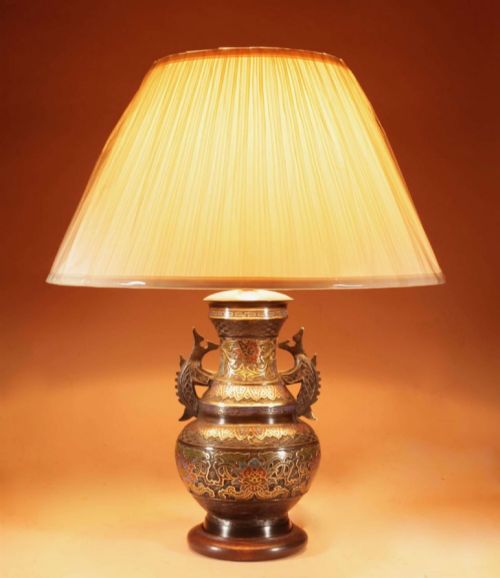
- An enamelling technique where troughs are dug into a metal surface and filled with vitreous enamel before firing. It frequently appears on metalwork from the late nineteenth century.
- Patinated Metal
- Metal treated with chemicals or heat to produce a specific surface colour and finish. This process protects the underlying material while adding visual depth.
- Spelter
- An alloy of zinc and lead used as a cost-effective substitute for bronze. It provides a similar weight and appearance when painted or electroplated.
Vintage Bronze Desk Light: Frequently Asked Questions
How do I identify a period bronze lamp?
Examine the casting quality, fastener types, and surface patination closely. Older pieces often show hand-finishing marks and heavier metal gauges.
Compare the decorative motifs against known historical styles such as Art Nouveau or French Neoclassical to determine the likely decade of production.
Were these originally wired for electricity?
Many nineteenth and early twentieth-century examples started as oil lamps or candlesticks before conversion. Wiring methods often reveal later adaptations.
Original electrical fittings appear on pieces from the nineteen-thirties onward, while older lighting requires professional rewiring for modern safety standards.
How should I clean patinated bronze?
Dust surfaces gently with a soft, dry cloth to remove everyday debris. Avoid harsh chemical cleaners that strip the original finish.
Preserve the existing patina by applying specialised microcrystalline wax sparingly if the metal requires protection against moisture.
What styles are most common?
French nineteenth-century designs and Art Deco variations dominate the available selection. These range from formal Neoclassical urns to streamlined figural lamps.
Orientalist and Chinoiserie interpretations also appear frequently, reflecting period tastes for global decorative influences.