


Vintage French Bronze Lamp
A vintage french bronze lamp brings weight, classical ornament and enduring metalwork into an interior.
Vintage French Bronze Lamp
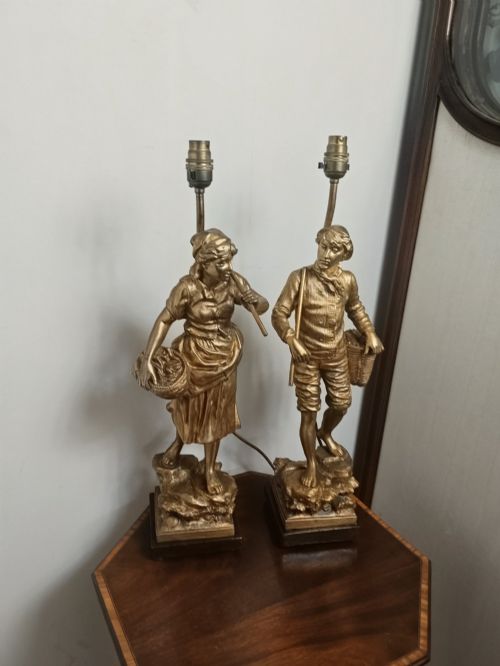
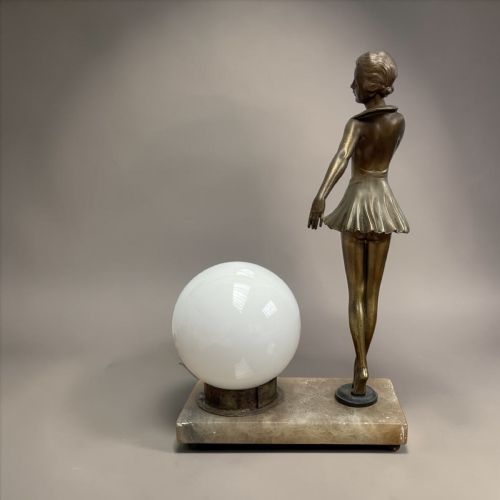
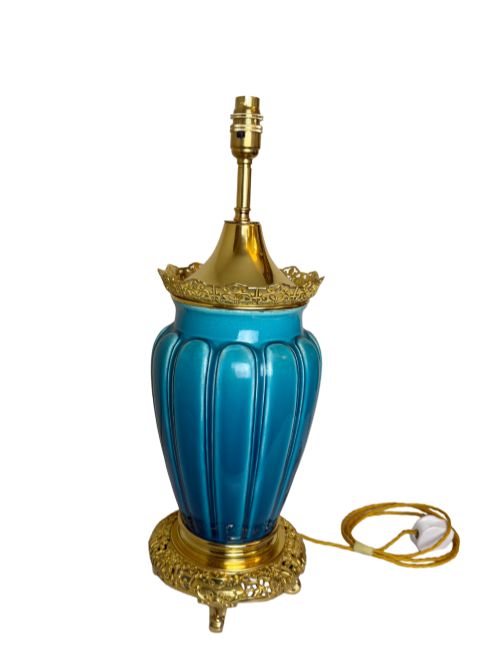
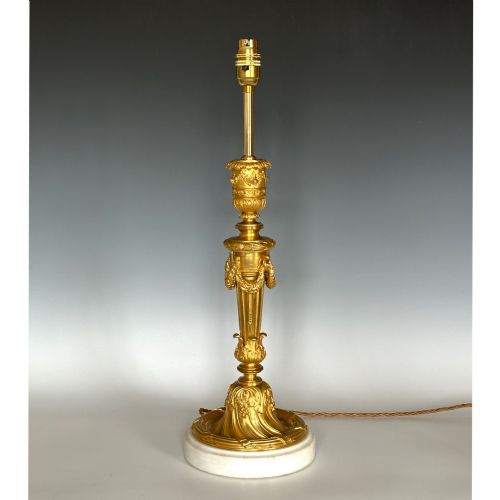
When you search for a vintage french bronze lamp, you encounter items designed to cast warm light while serving as sculptural objects within a room. The selections on this page span from nineteenth century examples through the art deco era, encompassing forms such as table lamps, desk lamps and figural lighting.
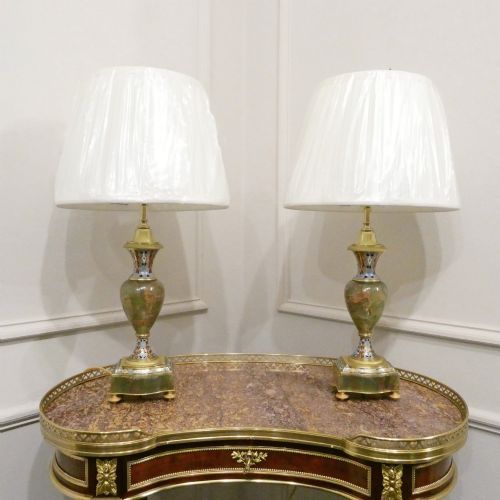
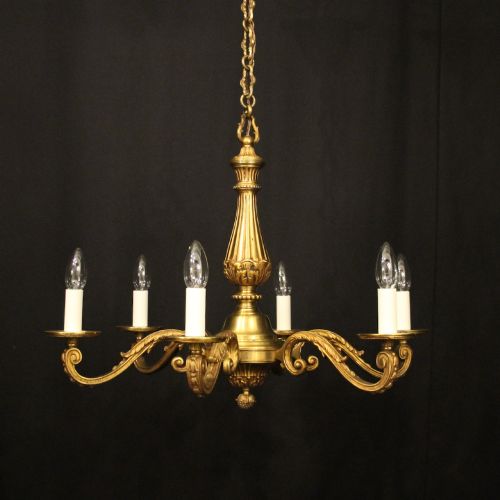
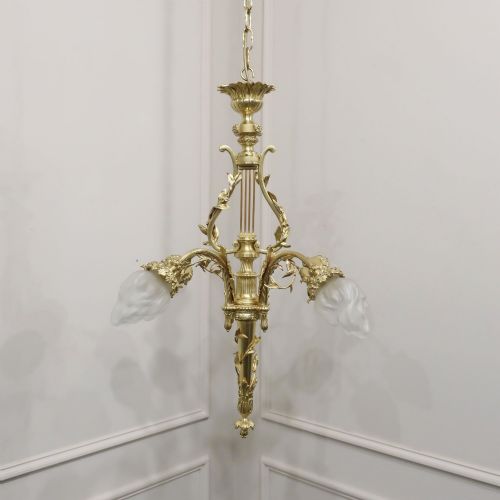
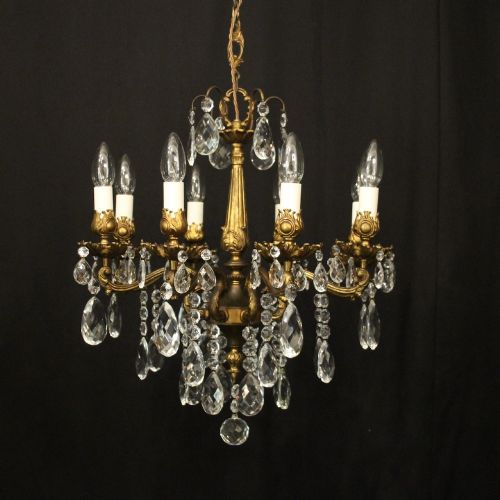
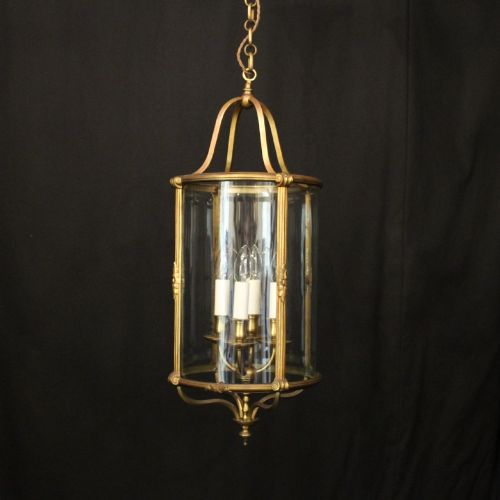
Table lamps dominate the listings, frequently paired with materials like marble, onyx, porcelain or crystal. You also meet wall lights, chandeliers and lanterns sharing the same vocabulary of French design.
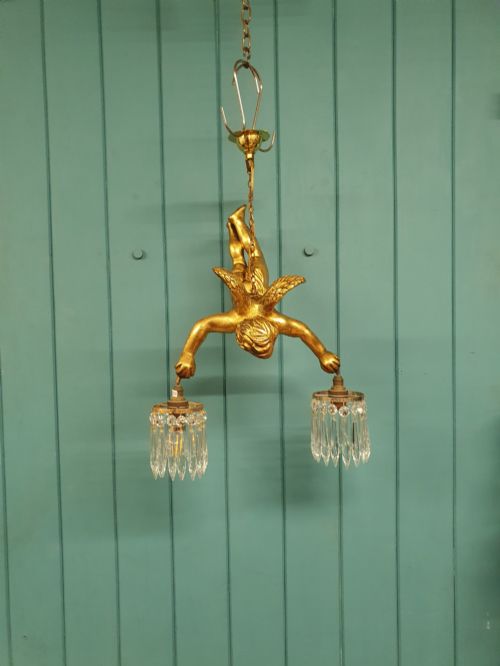
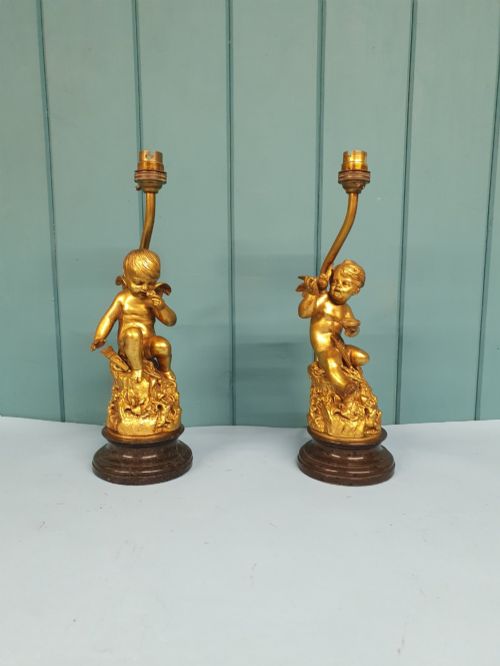
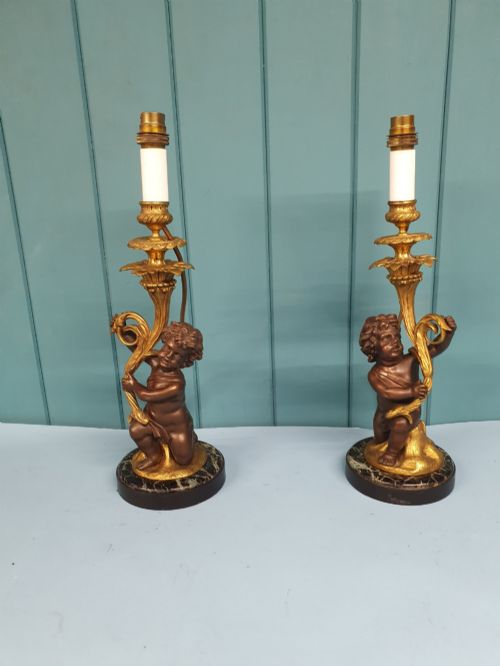
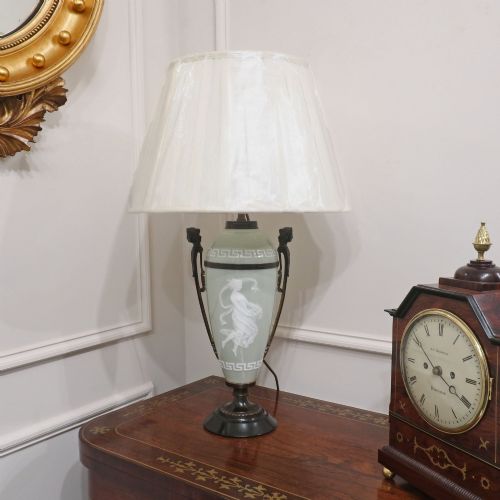
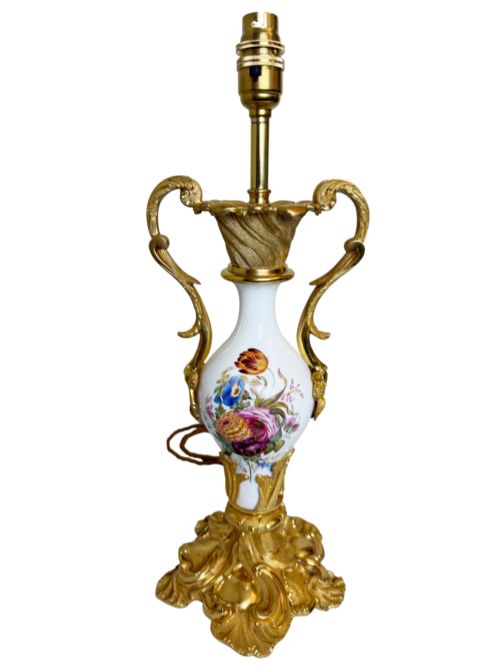
The aesthetic vocabulary draws heavily from French Neoclassical, Empire, Rococo and Art Deco styles. Makers utilised motifs including cherubs, urns, floral garlands and classical drapery to ornament the cast metal bodies.
How they were made
The foundation of these pieces relies on metal casting, predominantly utilising bronze, brass, gilded bronze or ormolu. Artisans poured molten metal into intricate moulds before refining the surface by hand through chasing and chiselling.
Gilding techniques, including fire gilding and silver gilding, applied precious metal layers over the bronze or brass substrate to achieve a luminous finish. Secondary materials such as cut glass crystal, hand-painted porcelain, marble and onyx were integrated to provide textural contrast and structural support.
Listings feature items from the 1860s through the 1940s, uniting materials such as gilt bronze, marble, onyx and cut glass crystal.
What varies in quality
The distinction between tiers of production rests on the crispness of the casting and the depth of the hand-finishing. Superior examples exhibit finely chased details in the bronze, where feathers, facial expressions and acanthus leaves remain sharp and distinct rather than softened by worn moulds.
The choice of accompanying materials dictates the standing of an object. Solid marble bases, genuine hand-cut crystal drops and thick layers of mercurial ormolu elevate a piece above standard brass-plated alternatives from mass production.
François Linke·E Rousseau
The Vintage French Bronze Lamp Glossary
- Ormolu
- Gilt bronze produced by applying a finely ground high-carat gold-mercury amalgam to a bronze object before heating. This technique creates a durable, golden surface characteristic of fine French decorative arts.
- Champlevé
- An enamelling technique where troughs or cells are carved into the surface of a metal object and filled with vitreous enamel before firing. It frequently appears on nineteenth-century decorative metalwork and lamp bases.
- Patinated bronze
- Bronze that has developed a subdued surface colour through natural oxidation or chemical treatment. This finish emphasises the sculptural contours of figural subjects.
- Pate sur pate
- A ceramic decorating technique where liquid white clay is painted in successive layers onto a coloured porcelain body to create a low-relief cameo effect.
- Spelter
- An alloy of zinc and other metals utilised as a cost-effective substitute for bronze in decorative castings. It takes plating and gilding well but possesses a lighter weight and softer structure.
Vintage French Bronze Lamp: Frequently Asked Questions
How do I identify a true French bronze lamp?
Examine the weight, the joining methods and the surface finish. Genuine pieces display substantial weight from solid bronze or brass, distinct hand-chased detailing rather than smooth cast uniformity, and traditional assembly screws.
Look closely at the chasing around high-relief elements like cherubs or foliage. Superior examples reveal individual tool marks and crisp definition that modern reproductions fail to replicate.
What periods do these lamps come from?
The listings span from the nineteenth century through the early twentieth century. You find items reflecting the ornate Rococo Revival and Neoclassical styles of the 1800s alongside streamlined Art Deco designs from the 1920s and 1930s.
Each era dictates the silhouette and ornamentation. Nineteenth-century pieces lean towards classical urns and figural cherubs, while later decades embrace geometric patterns and stylised animal motifs.
Are these lamps wired for modern use?
Many vintage lamps have been rewired at various points in their history to suit contemporary electrical standards. It is standard practice to have a qualified electrician inspect the internal wiring and plug before daily use in your home.
Rewiring preserves the original body of the lamp while ensuring safety. You can pair the fixture with modern shades that complement the historical style without altering the antique base.