





Cast Bronze Horse Sculpture
A cast bronze horse sculpture brings a powerful sense of movement and fine detail into a room, capturing the energy of the animal through enduring metal.
Cast Bronze Horse Sculpture
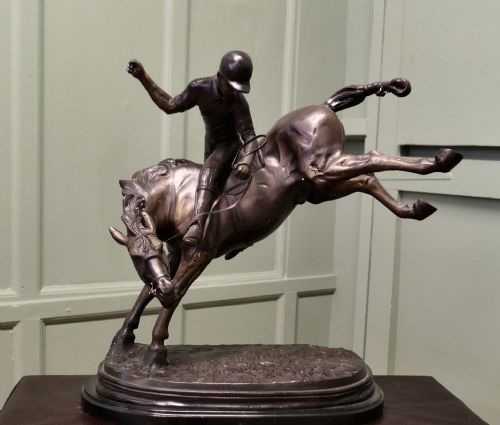
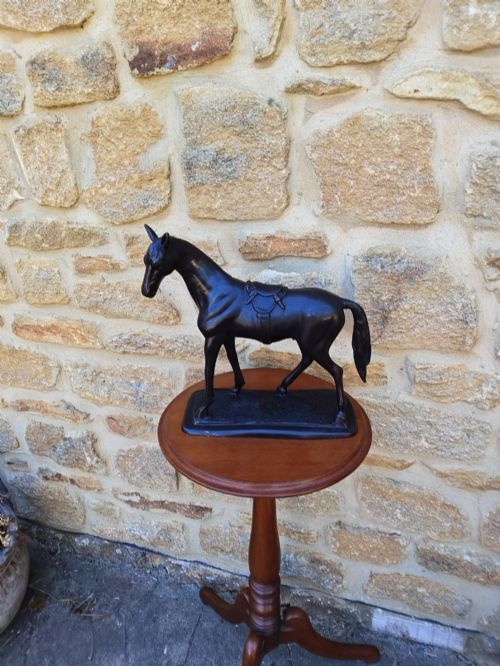
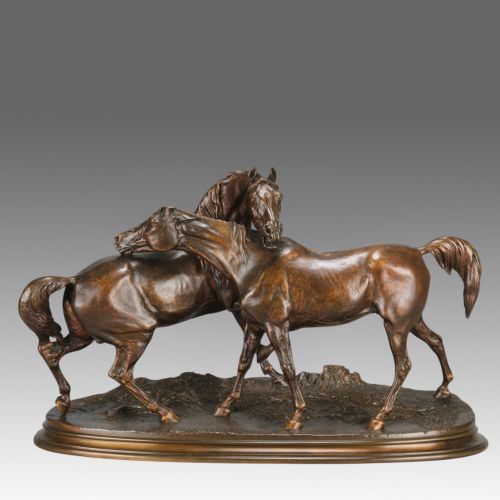
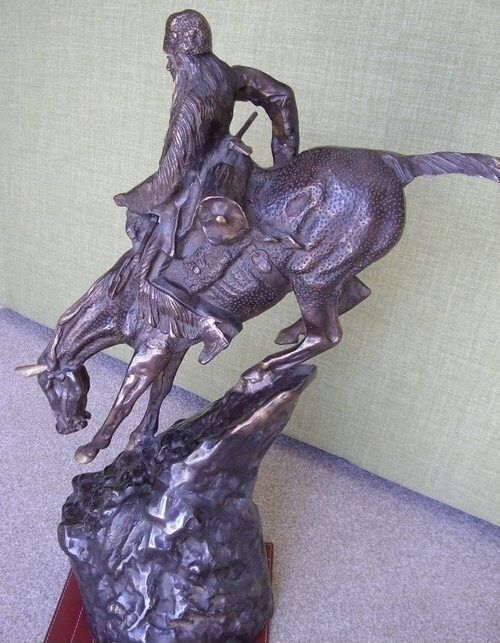
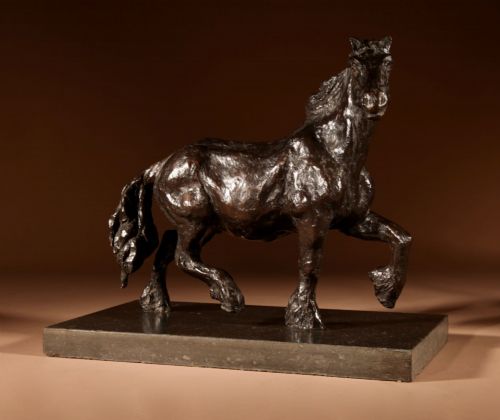
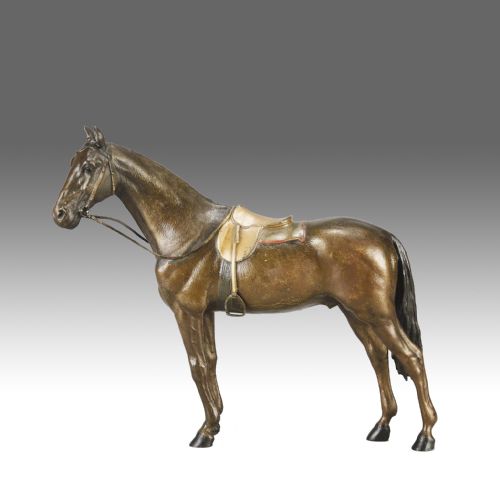
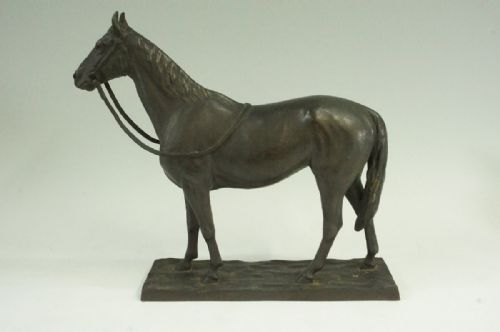
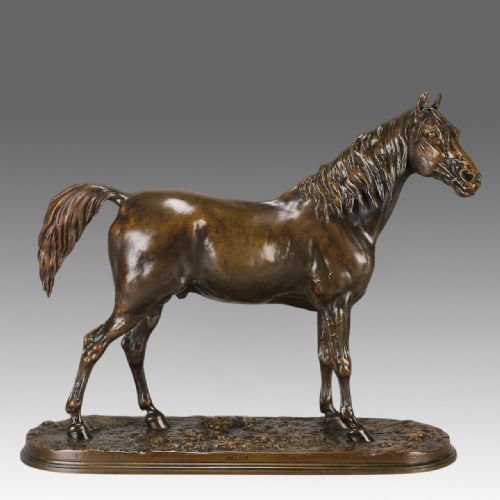
A cast bronze horse sculpture captures equine form across various historical periods, ranging from mid-nineteenth century Victorian works to Art Deco pieces. Buyers frequently encounter French Animalier subjects, Western Americana figures, and Austrian cold-painted bronzes mounted upon bases.
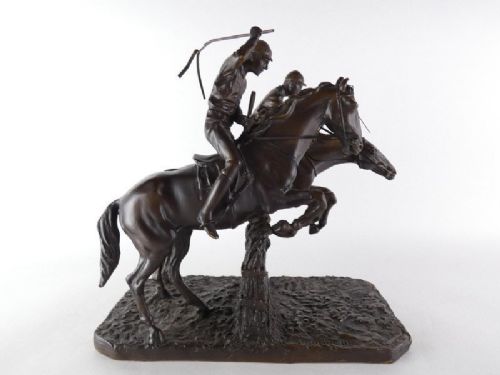
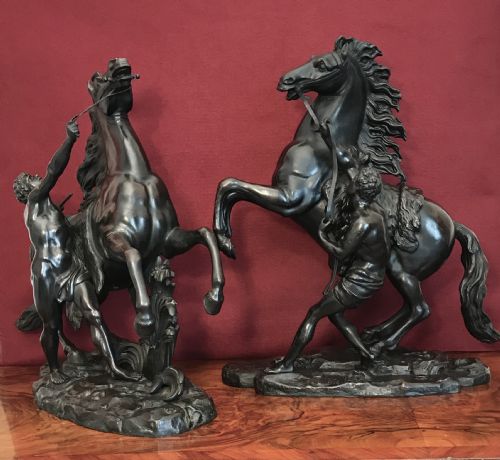
These works depict horses in diverse states, including stallions, polo players, hurdling jumpers, and figures accompanied by riders. Many examples draw inspiration from prominent historical models or classical monuments.
Origins span across European foundries in France, Italy, and Austria, alongside Japanese Meiji period examples and African pieces. Pieces appear both as standalone statues and functional items such as table lighters.
Materials and construction methods
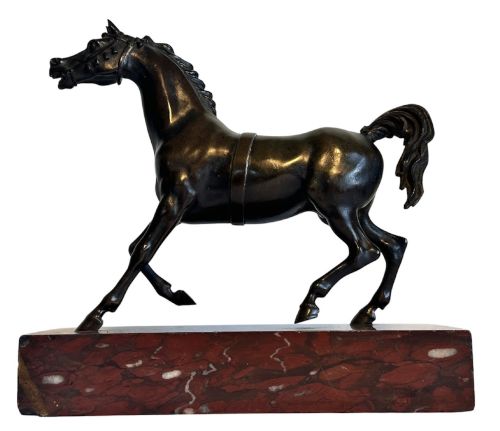
Makers utilised cast bronze as the primary medium, frequently applying patinated finishes or cold-painted pigments to enhance surface detail and colour. Many works incorporate sturdy supports of marble or stone beneath the metal figures.
Foundries employed traditional casting techniques to capture complex musculature and anatomical precision in the equine forms. Additional materials such as wood and paint appear across specific styles and regional works.
Cast Bronze Horse Sculpture Retail Price Guide 2026
Typical asking prices for cast bronze horse sculpture among the pieces listed under this phrase on Sellingantiques today, from the lower quarter to the upper quarter. They describe what is for sale here now, not the wider market.
Monkeys participate in horse racing alongside traditional human jockeys in select nineteenth-century bronze sculptures.
Distinctions in quality
The sophistication of the patina or the precision of the cold-painted surface distinguishes finer studio output from standard commercial production. Heavier, more stable mounting on dense marble or stone bases also indicates superior construction.
P J Mêne·Franz Bergman·Kunio Itô·Philip Blacker·Paul Joseph Gayrard
The Cast Bronze Horse Sculpture Glossary
- Animalier
- A nineteenth-century artistic movement dedicated to the realistic portrayal of animals. Sculptors in this tradition focused closely on anatomical accuracy and natural behaviour.
- Patinated Bronze
- Bronze treated with chemical solutions to produce a specific surface colour or tone. This process protects the metal while adding depth to the visual appearance.
- Cold-Painted Bronze
- Metal figures decorated with oil or synthetic paints that are applied without heat after casting. This technique is particularly characteristic of Austrian foundry work.
- Meiji
- A period in Japanese history spanning from the late nineteenth to the early twentieth century. Metalwork from this era often displays exceptional technical refinement.
- Equestrian
- Pertaining to horses and horseback riding. In sculpture, this describes figures mounted upon a horse or subjects directly relating to riding.
Cast Bronze Horse Sculpture: Frequently Asked Questions
What is an animalier bronze horse?
An animalier bronze horse is a nineteenth-century sculpture focused on the realistic depiction of the animal's anatomy and movement. These pieces highlight the natural strength and behaviour of horses rather than idealized forms.
Artists in this genre studied animals closely, often producing works that captured horses in motion, such as trotting, bucking, or jumping.
How do I identify Austrian cold-painted bronze?
Austrian cold-painted bronzes feature detailed surface painting applied after the casting process rather than heat-set patination. You will often notice rich polychrome colours depicting natural coats and saddles.
These pieces typically date from the late nineteenth or early twentieth century and frequently originate from Viennese workshops.
Where should I place a bronze horse sculpture?
A bronze horse sculpture suits sturdy surfaces such as wooden sideboards, desks, or mantelpieces where its weight and presence can be appreciated. Ensure the piece sits on a level area away from high-traffic zones.
Marble-based statues require stable support due to their substantial mass, particularly larger nineteenth-century equestrian figures.
How do I clean a bronze horse?
Dust the sculpture regularly with a soft, dry cloth to prevent dirt from settling into the recessed details of the casting. Avoid using chemical cleaners or abrasive polishes that can damage the patina or cold-painted surface.
If the piece requires deeper maintenance, consult a professional conservator to preserve the original finish and historical integrity.