
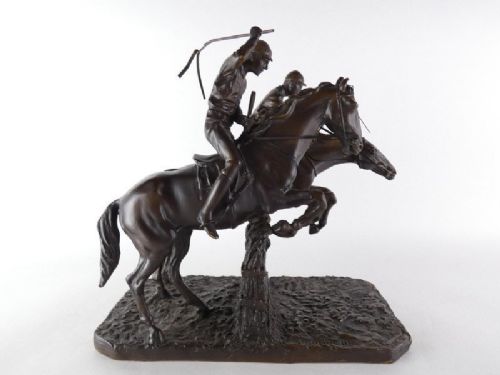


Cast Bronze Horse Figure
A cast bronze horse figure captures motion and form, bringing enduring equestrian sculpture into a room.
Cast Bronze Horse Figure
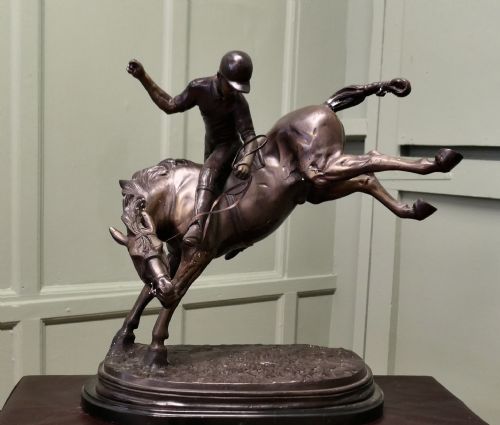
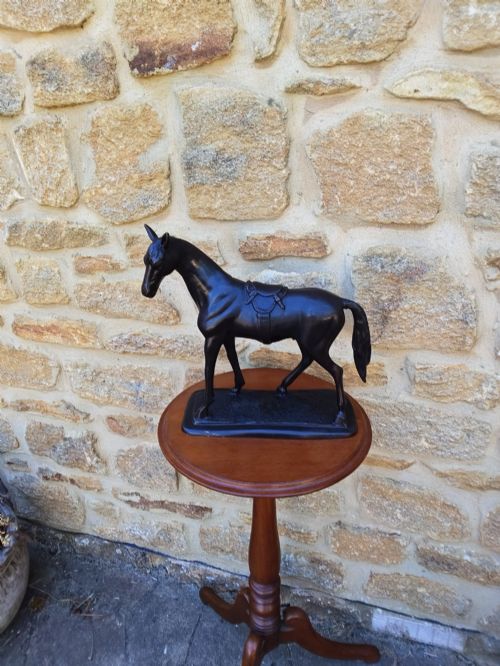
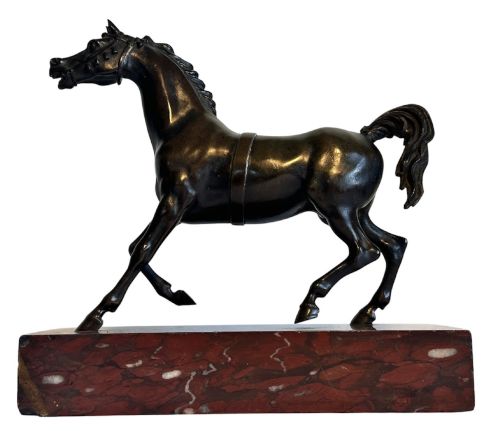
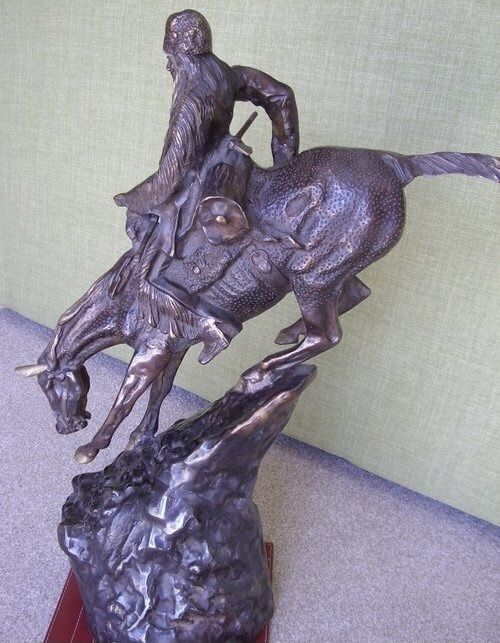
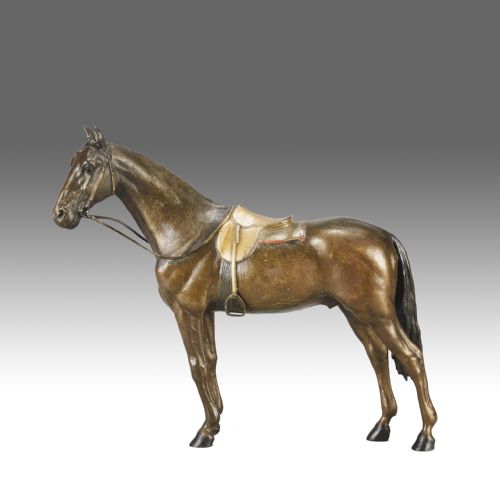
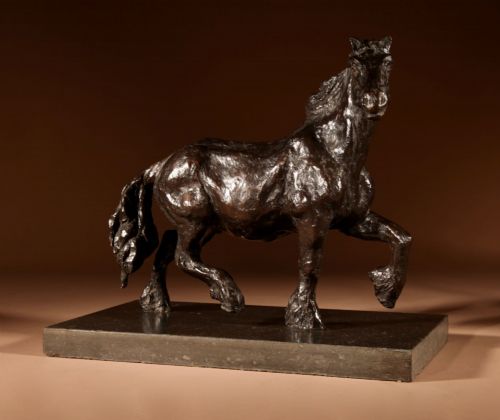
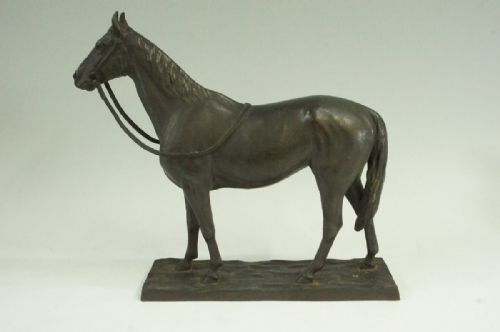
When you search for a cast bronze horse figure, you encounter works ranging from compact desk accessories to large statues mounted on marble or stone bases. These pieces span the nineteenth century through the mid twentieth century, including styles such as Animalier, Vienna Bronze, and Western Americana.
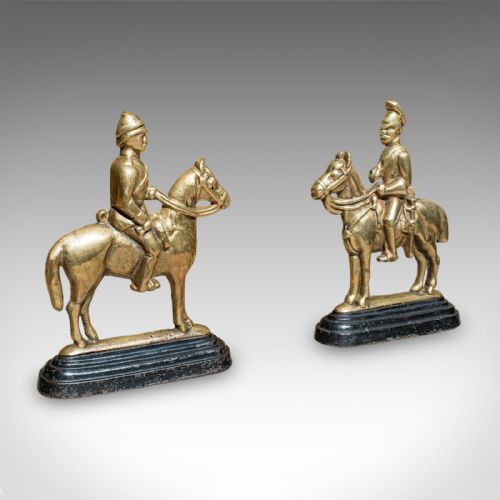
The most frequent examples on this page are French and Austrian animalier sculptures and bookends. Many pieces interpret famous subjects, depicting polo players, charging stallions, and riders from various historical eras.
Originating from diverse workshops and foundries, these sculptures utilise patinated metal, cold painted finishes, and mounted stone plinths to present realistic or stylised equine forms.
What varies in quality
Quality in a cast bronze horse figure depends upon the crispness of the chasing and the fidelity of the cast to the original model. Finer examples retain sharp details in the mane, musculature, and harness equipment.
The choice of base materials and the depth of the patination also distinguish standard production from exceptional foundry work. Heavier mounts and subtle colour transitions in the patinated bronze indicate superior craftsmanship.
Some horses wear full military harness while others carry miniature cowboys or napoleonic commanders.
Franz Bergman·Kunio Itô·Sakai Kōzan·Philip Blacker·Pierre Jules·Isidore Jules Bonheur·Frederic Remington·Renee Sintenis·Bartolomeo Colleoni·P J Mene
The Cast Bronze Horse Figure Glossary
- Animalier
- A nineteenth-century artistic movement focusing on the realistic depiction of animals. Sculptors in this tradition studied animal anatomy closely.
- Cold-Painted Bronze
- A technique where paint is applied to a bronze object without high-temperature firing. This method is particularly associated with Austrian workshops.
- Patinated Bronze
- Metal treated with chemical solutions to produce a specific surface colour or aged appearance. This finish protects the metal and highlights sculptural detail.
- Equestrian
- Pertaining to horseback riding or horse subjects. In sculpture, this describes any figure mounted on a horse.
- Foundry
- A workshop or factory where metal is melted and poured into moulds. Foundry marks often help identify the origin of a cast.
Cast Bronze Horse Figure: Frequently Asked Questions
How do I date a bronze horse?
Dating relies on stylistic markers, foundry stamps, and the type of base material used. Nineteenth-century pieces often feature heavier marble plinths and darker patination.
Later twentieth-century examples incorporate modernist interpretations or specific foundry marks associated with the 1920s and 1930s.
What is cold-painted bronze?
Cold-painted bronze refers to metal figures decorated with oil or synthetic paints that are not subjected to kiln firing. This technique produced colourful Austrian desk accessories and animal figures.
Care is required when cleaning these pieces to avoid damaging the original painted surface.
How do I care for bronze sculptures?
Maintenance involves dusting with a soft cloth and occasionally applying a microcrystalline wax to protect the patina. Avoid using liquid cleaners or abrasive materials.
Keeping the bronze away from direct moisture and extreme temperature fluctuations preserves the metal finish.
What is Animalier sculpture?
Animalier sculpture is a nineteenth-century genre dedicated to portraying animals with anatomical accuracy and naturalistic movement. Artists observed horses in motion to capture realistic poses.
These works range from small cabinet bronzes to large statues designed for prominent display.
Why are some horses mounted on marble?
Marble and stone bases provided structural support and visual weight to freestanding bronze figures. Heavy bases prevented top-heavy statues from tipping over.
This presentation became standard practice for nineteenth-century and early twentieth-century desk sculptures and bookends.