



French School Bronze Sculpture
These french school bronze sculpture pieces capture decades of foundry skill, offering collectors striking figures and animals cast across the late nineteenth and early twentieth centuries.
French School Bronze Sculpture
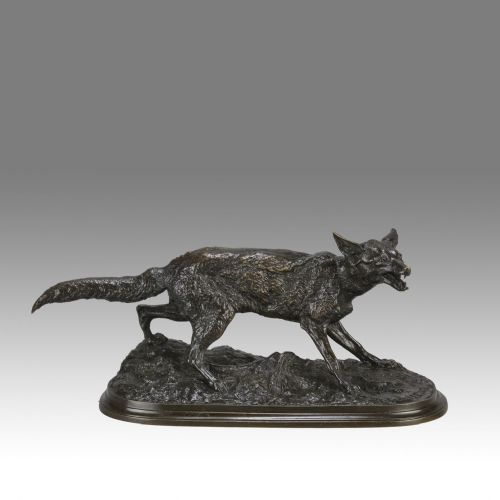
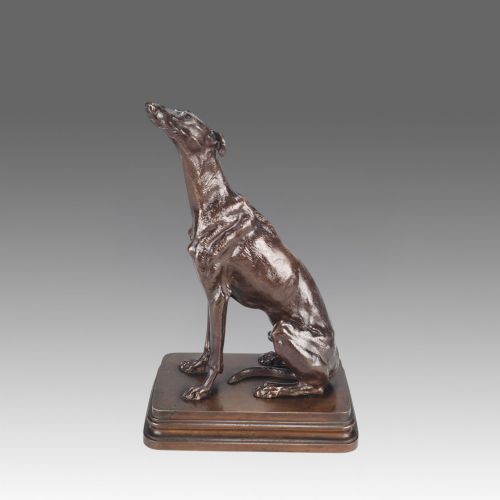
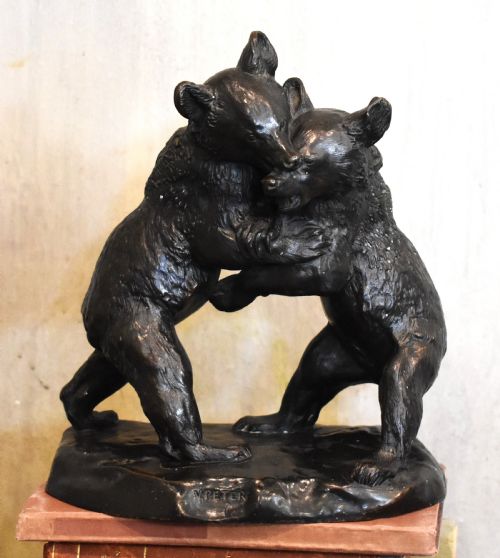
When you search for french school bronze sculpture, you encounter cast metal figures and groups originating from workshops spanning the period from eighteen seventy to nineteen forty. These works include mythological subjects, classical figures, and naturalistic animal studies created within styles such as Animalier, Art Nouveau, and the French Beaux-Arts movement.
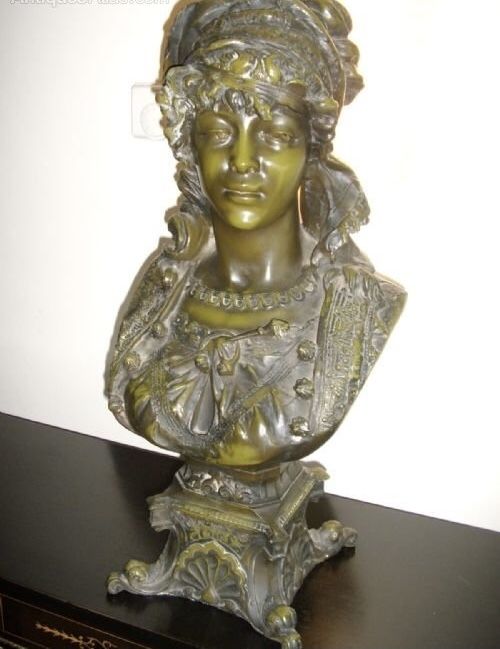
The objects take the form of standing nudes, expressive busts, and dynamic groupings of animals or human figures. Many examples incorporate integrated bases of marble or alabaster, anchoring the metalwork and providing contrast to the patinated surfaces.
How they were made
The works utilise cast bronze, often treated with varied patination techniques to create tonal depth across the metal surface. This process allows for precise rendering of fine details, from musculature in animal studies to the folds of drapery on figurative pieces.
Foundries frequently mounted these bronze castings onto heavy plinths carved from marble or alabaster. The combination requires precise fitting between the metal base and the stone support to ensure stability.
French School Bronze Sculpture Retail Price Guide 2026
Typical asking prices for french school bronze sculpture among the pieces listed under this phrase on Sellingantiques today, from the lower quarter to the upper quarter. They describe what is for sale here now, not the wider market.
Designations across the listings include Animalier, Art Nouveau, French Classical Revival, and French Beaux-Arts styles.
What varies in quality
The quality of the secondary materials also differentiates the pieces, particularly the selection and polish of the marble or alabaster bases. Heavier, well-veined stone plinths properly proportioned to the bronze sculpture indicate higher workshop standards.
P J Mêne·Alfred Dubucand·Henry Wissen Senior·Victor Peter·Louis Auguste Moreau·Joaquim Angles·Pierre-Jules Mêne·L Bureau
The French School Bronze Sculpture Glossary
- Animalier
- A nineteenth-century artistic genre focusing on the realistic depiction of animals, particularly dogs, horses, and wild beasts. Practitioners captured creatures in motion or repose with careful anatomical observation.
- Patination
- The chemical treatment or natural ageing process applied to the surface of bronze to alter its colour. This technique produces deep brown, green, or near-black tones that accentuate the contours of the sculpture.
- Beaux-Arts
- An academic architectural and sculptural style taught at the École des Beaux-Arts in Paris. It emphasises classical forms, ornate detail, and dramatic figurative composition.
- Alabaster
- A fine-grained, translucent stone utilised for bases and sculptural elements. Its softness allows for smooth shaping and polished surfaces that complement dark metal patinas.
French School Bronze Sculpture: Frequently Asked Questions
How do I identify a cast bronze?
Cast bronze pieces feel heavy for their size and exhibit a cold temperature to the touch before warming against the skin. Examining the underside often reveals casting seams or threaded bolts used to secure the figure to its base.
Closer inspection under magnification can show chasing marks where artisans refined the metal after it left the foundry. These hand-worked details help distinguish true metal casts from modern resin or composite reproductions.
What is an animalier sculpture?
An animalier sculpture focuses primarily on the realistic portrayal of animals in naturalistic settings. These works gained immense popularity during the nineteenth century through the accurate observation of wildlife and domestic beasts.
Artists working in this tradition studied anatomy closely, often capturing animals in dynamic moments of struggle or quiet observation. The resulting bronzes prioritise anatomical precision over decorative abstraction.
How should I clean bronze sculpture?
Bronze requires minimal intervention and should only be dusted gently with a soft, dry microfibre cloth. Avoid using water, commercial metal polishes, or chemical cleaners, which can strip the original patina.
Applying a very light coat of microcrystalline wax by hand can help protect the metal surface from atmospheric moisture. Buff the wax off thoroughly with a clean cloth to maintain a stable finish without creating an artificial gloss.
Why do some bronzes have marble bases?
Foundries paired bronze figures with marble or alabaster plinths to provide structural stability and visual weight. The dense stone anchors the composition, particularly for figures with extended limbs or dynamic postures.
This combination also added a sense of refinement suitable for nineteenth-century domestic display. The contrasting textures of dark patinated metal and pale stone became a hallmark of the period.