

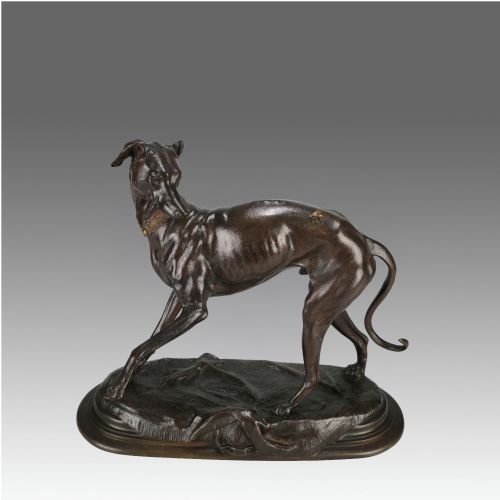
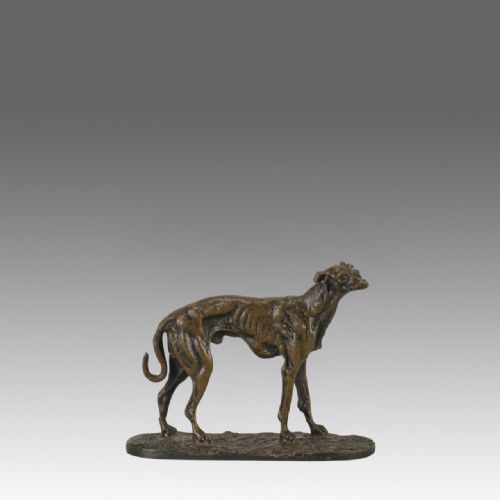
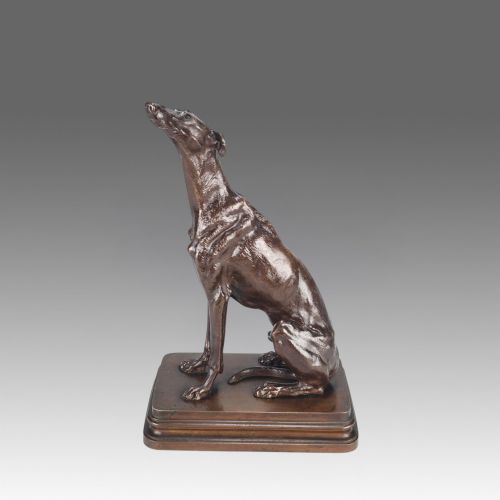

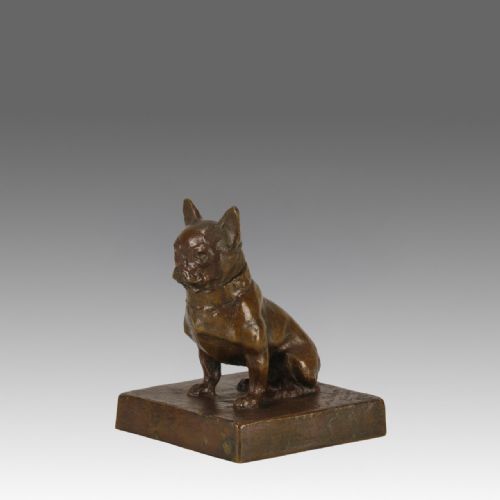


Cast Bronze Dog Sculpture
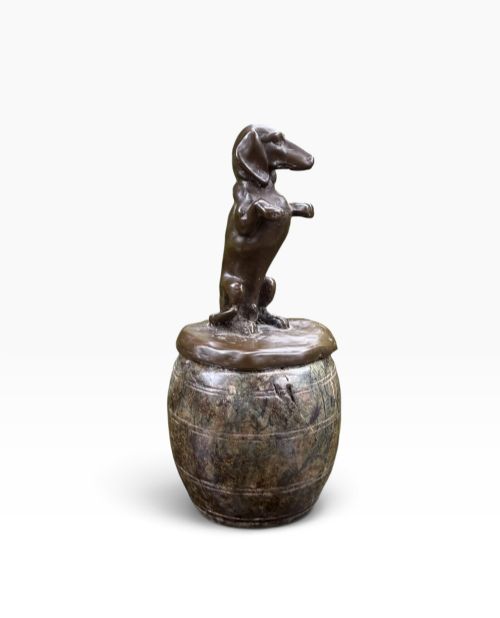
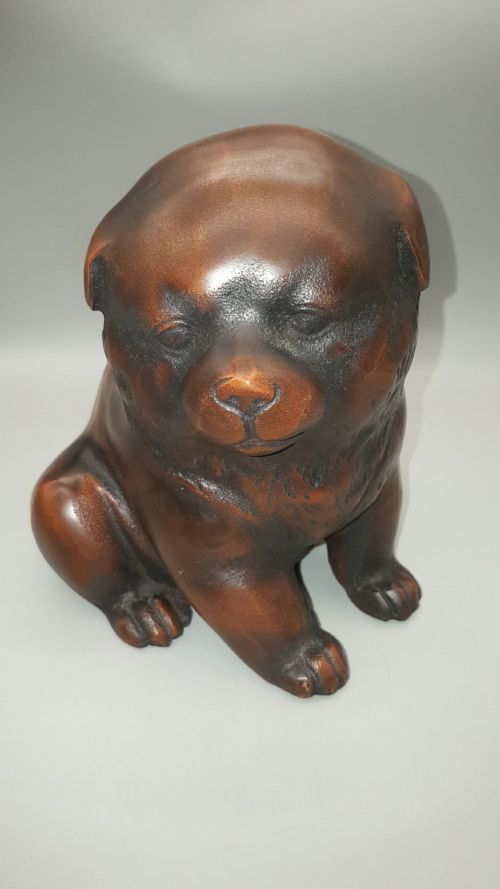
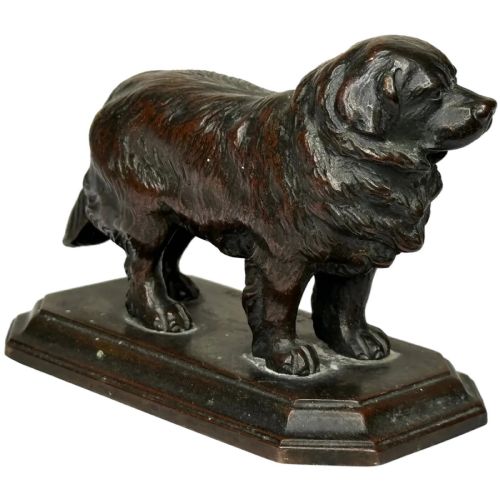
A cast bronze dog sculpture brings the weight and presence of nineteenth and early twentieth-century animalier art directly to a desk or mantelpiece.
Cast Bronze Dog Sculpture
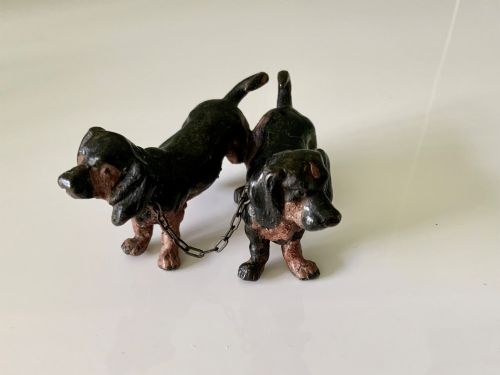
A cast bronze dog sculpture captures domestic and sporting breeds through the lens of nineteenth and early twentieth-century European and Asian foundries. When searching for a cast bronze dog sculpture, collectors encounter everything from French animalier studies of greyhounds and setters to Austrian cold-painted pugs and terriers.
The pieces on this page span the Victorian era, the Edwardian period, and the Art Deco style, frequently mounted on marble bases or combined with functional objects like inkwells and bookends. Gundogs, terriers, and spaniels dominate the forms, reflecting the nineteenth-century obsession with canine anatomy and character.
Materials and casting methods
Foundries utilised traditional metalcasting techniques to pour molten bronze into moulds, capturing fine muscular detail and fur texture before applying chemical patinas or hand-applied cold paint. Many works integrate secondary materials such as marble plinths, glass eyes, or gilt highlights to enhance the visual depth of the metal.
The surface finish relies heavily on the quality of the patination, ranging from deep brown and black chemical treatments to brightly coloured polychrome paints on Vienna bronzes.
Cast Bronze Dog Sculpture Retail Price Guide 2026
Typical asking prices for cast bronze dog sculpture among the pieces listed under this phrase on Sellingantiques today, from the lower quarter to the upper quarter. They describe what is for sale here now, not the wider market.
Several bronze terriers and pugs double as functional inkwells, guarding desk space with permanent vigilance.
Distinctions in craftsmanship
The division between standard commercial castings and masterworks rests upon the sharpness of the chisel work and the fidelity of the post-casting chase. Superior examples retain crisp definition in the animal's coat and expression, whereas lesser castings lose anatomical nuance during the mould reproduction process.
The reputation of the foundry and the clarity of the sculptor's signature heavily influence the standing of an individual piece within the broader animalier tradition.
Alfred Dubucand·Alfred Barye·P J Mêne·Jules Moigniez·Edith Parsons·Louis Riche
The Cast Bronze Dog Sculpture Glossary
- Animalier
- A nineteenth-century artistic movement dedicated to the realistic depiction of animals, particularly in bronze. Sculptors in this tradition focused on kinetic energy and precise anatomical study.
- Patina
- The chemical or natural coloration on the surface of the bronze resulting from age, oxidation, or intentional treatment. A rich patina adds depth to the sculptural contours.
- Cold painted
- A method of decorating bronze objects where oil or enamel paint is applied to an unheated metal surface and left to dry naturally. This technique is especially prevalent in Austrian works.
- Okimono
- A Japanese decorative figurine designed for display on a shelf or in a traditional alcove. These pieces demonstrate exceptional metallurgical skill from the Meiji period.
Cast Bronze Dog Sculpture: Frequently Asked Questions
How do I identify animalier bronzes?
Animalier bronzes typically display naturalistic poses of animals combined with detailed musculature and textured fur. They frequently bear the signature of the sculptor or foundry mark near the base.
Most authentic examples from the nineteenth century are cast solidly rather than hollow-formed, giving them a substantial weight relative to their size.
What is a Vienna bronze?
Vienna bronzes are small, highly detailed sculptures produced by Austrian workshops during the late nineteenth and early twentieth centuries. They are distinguished by their vibrant cold-painted polychrome surfaces.
These whimsical or realistic animal figures often required meticulous hand-painting over a cast bronze core.
Are these sculptures solid bronze?
Many historical dog sculptures are cast in solid bronze, though larger works may employ hollow casting techniques to manage weight and material cost. The base metal is copper alloy, which develops a characteristic metallic tone beneath the surface patina.
Some pieces incorporate heavy marble or stone plinths to provide stability for the metal figure.