


Vienna Bronze Dog Figurine
A vienna bronze dog figurine is a small metal casting that brings character to a desk or cabinet.
Vienna Bronze Dog Figurine
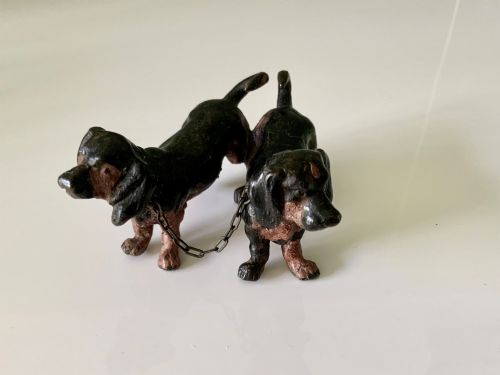
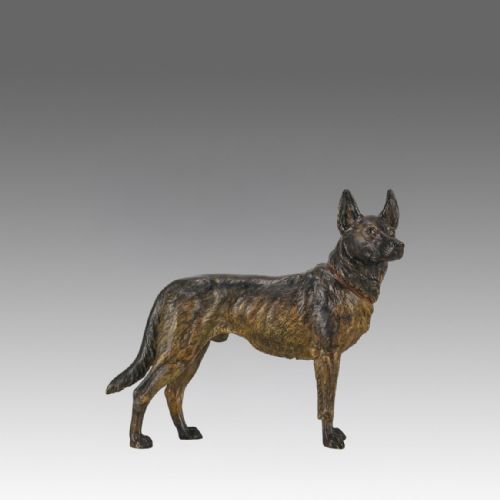
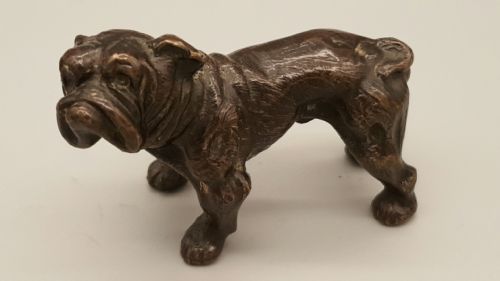
When you search for a vienna bronze dog figurine, you encounter miniature sculptures cast in metal and finished with pigment. These pieces range from simple animal figures to functional items like inkwells, car mascots, and sculptural dishes.
The versions most likely to appear on this page date from the late nineteenth century into the early decades of the twentieth century. They adopt Victorian, Edwardian, and Art Deco styles, often portraying specific breeds such as dachshunds, pugs, greyhounds, and bulldogs with humorous or lifelike poses.
How they were made
Artisans apply cold-painted enamel directly onto the unheated metal surface to build up the colour of the coat and details. Some examples incorporate stone bases or combine with utilitarian objects such as inkwells.
Listings span the late nineteenth century, the Edwardian period, and the 1920s Art Deco movement.
What varies in quality
The fidelity of the casting dictates the success of a piece, distinguishing expressive anatomical rendering from stiff or generic forms. Clean definition in the fur, facial expression, and posture sets finer work apart.
The preservation of the cold-painted enamel surface plays a major role in the overall character of an example. Subtle colour blending and minimal loss of pigment indicate careful handling over time.
Franz Bergman·Karl Hagenauer·Stephan Buchinger
The Vienna Bronze Dog Figurine Glossary
- Cold-painted
- A technique where paint or enamel is applied to a cured metal object without subsequent firing. This method preserves delicate surface details but remains vulnerable to flaking if handled roughly.
- Silvered bronze
- Bronze metal treated with a silver coating to provide a metallic sheen. This finish appears on certain twentieth-century modernist designs.
- Car mascot
- A sculptural ornament mounted on the radiator cap of an automobile. Several small animal bronzes double as mascots from this period.
- Inkwell
- A small container for holding ink, often incorporated into the base of a desk sculpture. These functional pieces combine utility with decorative metalwork.
Vienna Bronze Dog Figurine: Frequently Asked Questions
What is a vienna bronze dog figurine?
It is a small metal sculpture depicting a dog, produced primarily in Austria during the late nineteenth and early twentieth centuries. These figures often feature hand-applied enamel finishes.
They were created as decorative cabinet pieces or functional items like inkwells and car mascots. Their charm lies in the realistic or humorous poses captured by the maker.
How do I care for cold-painted bronze?
Keep the piece away from direct sunlight and high humidity to protect the delicate enamel surface from fading or lifting. Dust it gently with a dry, soft brush rather than using any cleaning liquids.
Moisture and harsh chemicals can damage the cold-painted layer. Careful placement ensures the pigment remains stable for years to come.
Are all these pieces marked?
Many pieces carry foundry marks, artist ciphers, or stamps, but a significant number remain unsigned. The absence of a signature does not diminish the quality of the casting or the painting.
Stylistic markers and casting techniques often provide enough evidence to attribute a work to a specific workshop or period.
How do I tell different dog breeds apart in these sculptures?
Artists emphasised characteristic traits such as the elongated bodies of dachshunds, the wrinkled faces of pugs, or the sleek lines of greyhounds. Tail carriage and ear shape help identify the intended breed.
These anatomical details reflect the popularity of specific companion animals during the Victorian and Edwardian eras.