


Cold Painted Animal Miniatures
Cold painted animal miniatures are small, cast figures that bring desk accessories and cabinets to life with vivid colour.
Cold Painted Animal Miniatures
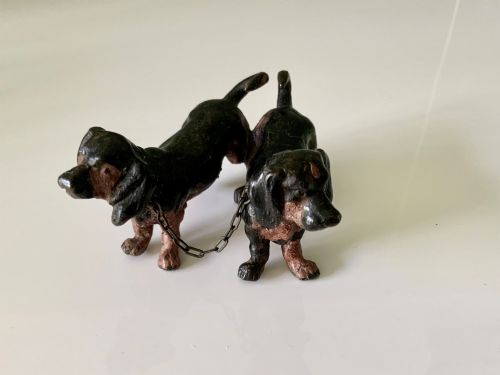
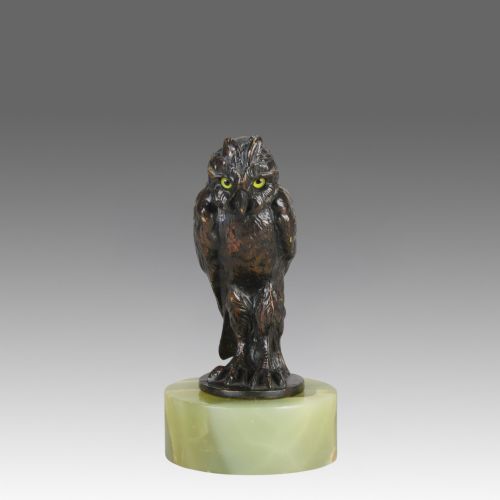
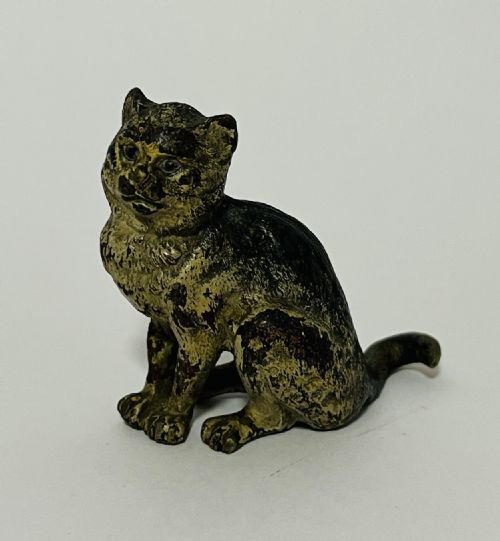
Cold painted animal miniatures represent a distinct grouping of small sculptures and figurines shaped around subjects such as dachshunds, owls, penguins, mice, cats, cockerels, pigs, frogs, antelope, and birds. These figures originate primarily from the nineteenth and twentieth centuries, spanning periods from eighteen fifty through to nineteen twenty.
The most common form you will meet on this page is the Austrian or Vienna bronze, typically cast as a miniature sculpture or decorative object. Makers working in this tradition captured naturalistic and whimsical animal postures, often mounted on bases or fashioned with accessories like buckets.
Objects in this category function both as desk accessories and miniature sculptures. Their enduring appeal lies in the combination of small scale and detailed animal representation, drawing collectors who appreciate compact metalwork.
How they were made
These pieces rely on bronze casting as the primary method of formation. Molten metal is poured into moulds to create solid or semi-solid animal figures, capturing fine textures such as feathers, fur, and anatomical details.
Following the casting process, the surface receives a layer of cold paint or cold painted enamel. Unlike kiln-fired ceramics or enamels, this oil-based pigment is applied directly to the unheated metal surface and allowed to dry naturally.
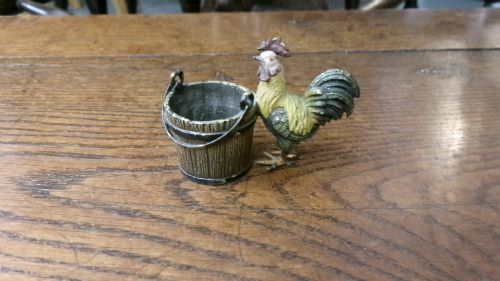
A small metal cockerel carrying a tiny bucket demonstrates the whimsical imagination found in early twentieth-century workshops.
What varies in quality
Quality in these miniatures rests upon the crispness of the original bronze casting and the delicacy of the retained paintwork. Finer examples display sharp anatomical definition and expressive modelling that brings the animal subject to life without relying solely on surface colour.
The preservation of the original cold painted surface separates ordinary specimens from superior ones. Because the paint was applied cold rather than fired, the integrity and completeness of the pigment layer dictate the aesthetic standing of the piece.
Franz Bergman
The Cold Painted Animal Miniatures Glossary
- Cold painted
- Paint applied to a metal object without subsequent firing in a kiln. This technique leaves the pigment vulnerable to chipping over time.
- Vienna Bronze
- A style of small, naturalistic or whimsical bronze sculpture produced in Austrian workshops during the late nineteenth and early twentieth centuries. These pieces are renowned for their polychrome painted surfaces.
- Animalier
- A nineteenth-century artistic movement dedicated to the realistic portrayal of animals. Figures in this style capture the natural movement and anatomy of beasts.
- Desk accessory
- A functional or decorative object designed to sit upon a writing desk. Many small bronzes served as paperweights or inkwell ornaments.
Cold Painted Animal Miniatures: Frequently Asked Questions
What are cold painted animal miniatures?
These items are small metal sculptures cast in bronze and finished with air-dried oil paint rather than fired enamel.
They depict domestic and wild creatures, ranging from dogs and birds to frogs and pigs.
How were these miniatures used originally?
Many of these figures served as decorative items or functional desk accessories in the late nineteenth and early twentieth centuries.
Owners placed them on writing tables, cabinets, and mantelpieces to add character to domestic and office interiors.
How do you identify Vienna bronzes?
Vienna bronzes typically show characteristic casting styles and specific subject matter associated with Austrian foundries of the period.
They often combine detailed animal forms with painted decoration applied directly to the bronze surface.
How should I care for cold painted bronze?
Protect these pieces from moisture and direct handling to preserve the delicate, unfired paint layer.
Dust them gently with a soft, dry brush and avoid chemical cleaners entirely.