
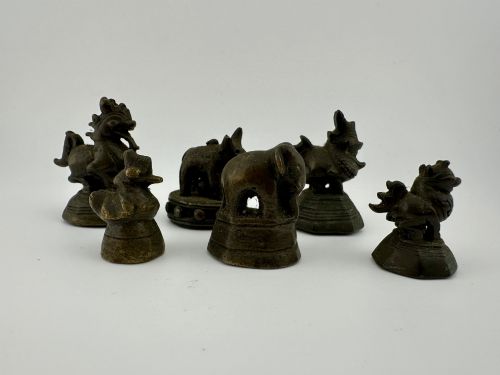
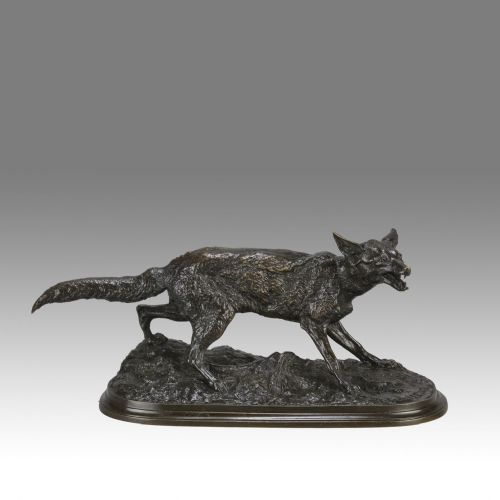
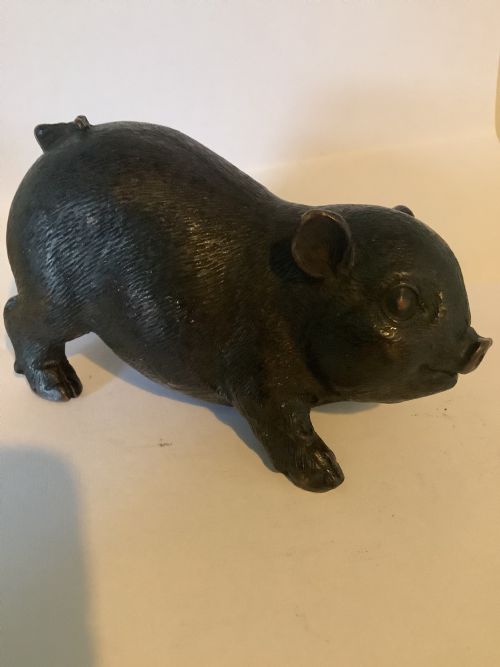
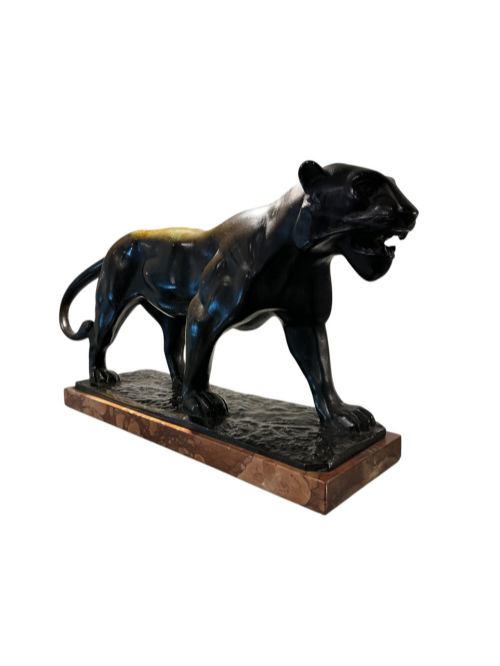
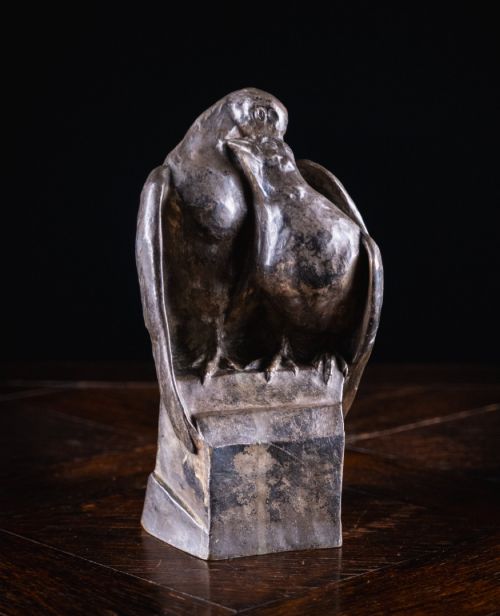
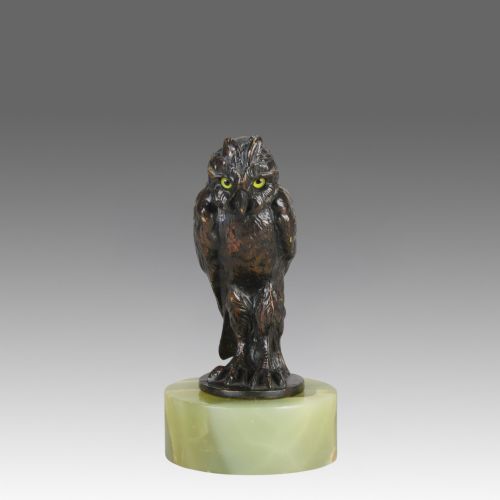
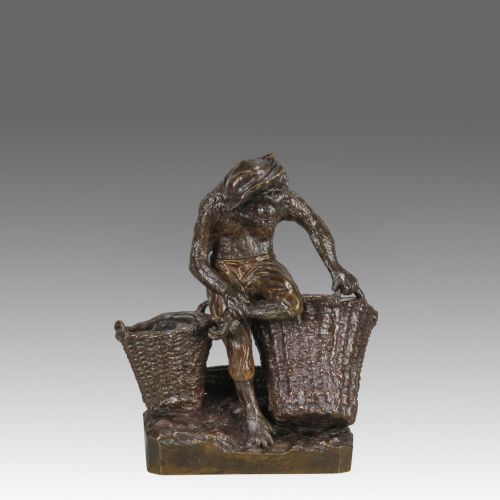
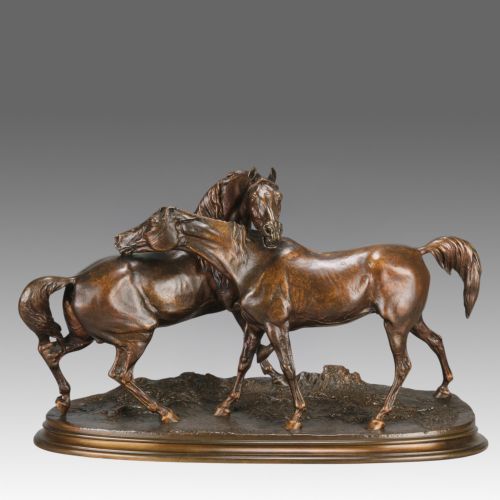
Vintage Bronze Animal Figurine
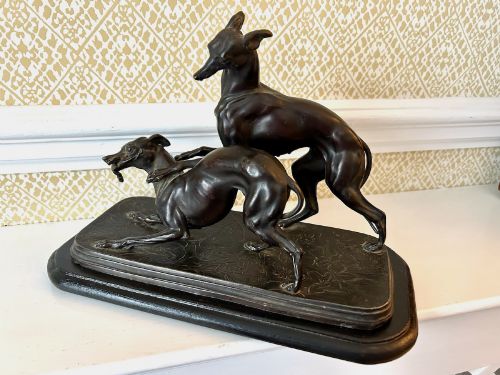
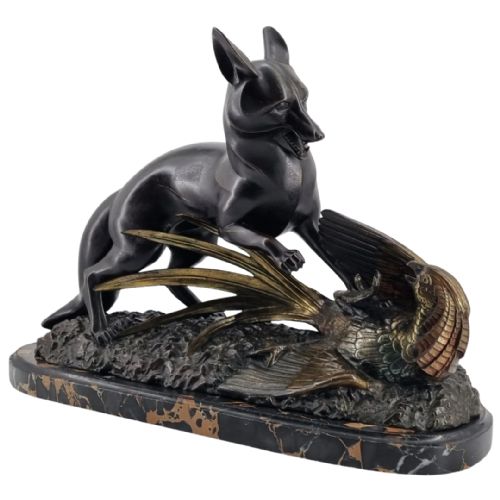
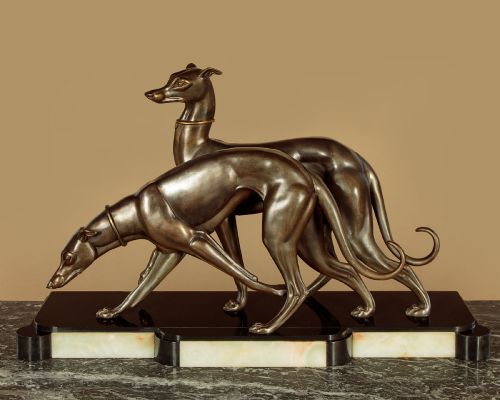
A vintage bronze animal figurine captures the natural movement and distinct character of creatures in metal, drawing collectors who appreciate fine sculptural detail.
Vintage Bronze Animal Figurine
A vintage bronze animal figurine brings sculptural depictions of wildlife and domestic creatures into interior spaces. These objects range from small desk accessories to substantial mantel sculptures representing birds, dogs, big cats, and livestock.
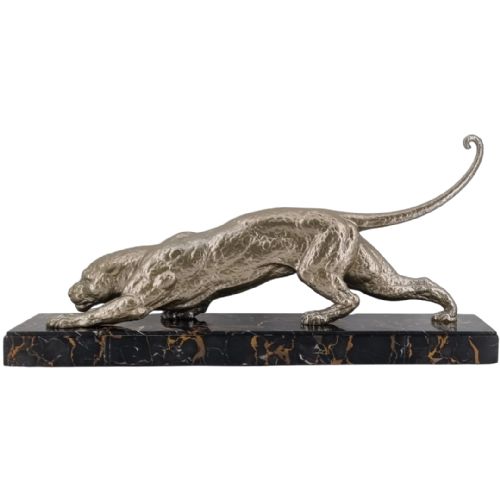
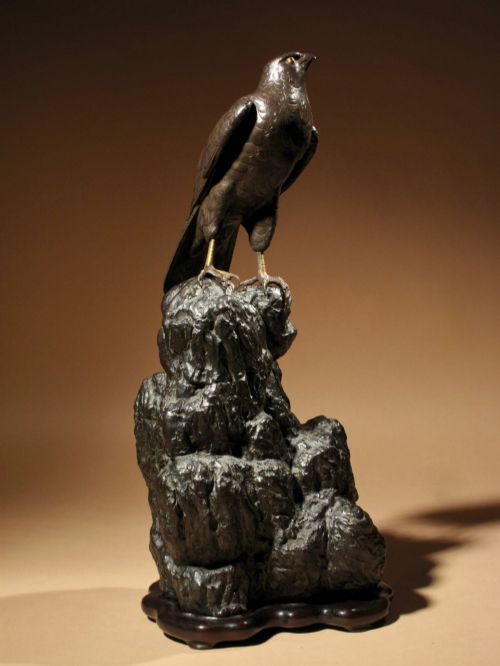
The selections span nineteenth-century Victorian Animalier works, early twentieth-century Austrian cold-painted pieces, Art Deco panthers, and Japanese Meiji period castings. Buyers encounter both European foundry productions and Asian bronzes mounted on stone bases.
French Animalier school figures and Vienna cold-painted miniatures dominate the offerings. Collectors find subjects varying from hunting dogs and woodland birds to elephants and farm animals.
How they were made
Foundries utilised the lost-wax casting method or sand casting to shape molten bronze into intricate animal forms. Artisans then applied chemical patinas to achieve dark, golden, or nuanced surface tones.
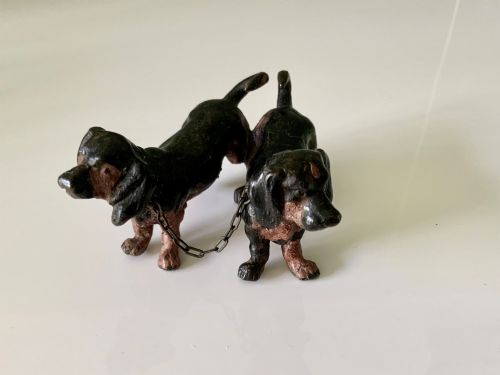
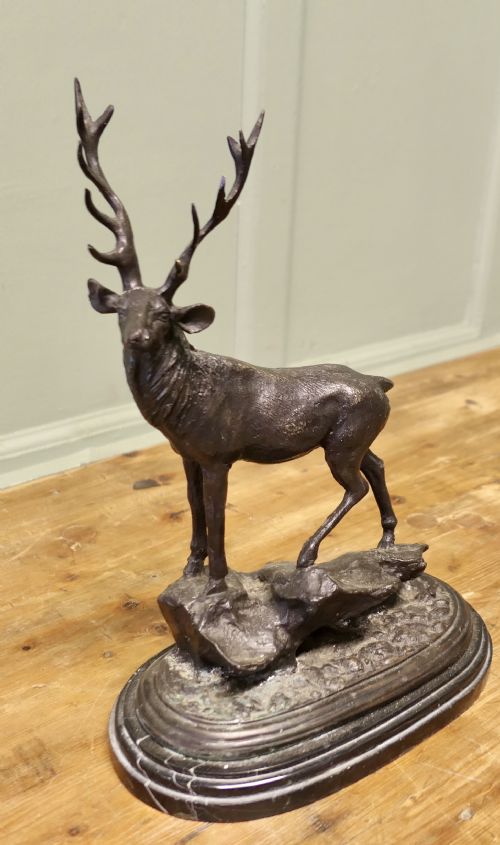
Vienna cold-painted bronzes received hand-applied polychrome paint layers over a base metal casting. Many figures were subsequently mounted onto turned marble, onyx, or wooden plinths.
Materials span patinated bronze, brass, spelter, and painted surfaces mounted upon stone plinths and wooden bases.
What varies in quality
Casting crispness defines the superior examples, where muscle structure, fur texture, and facial expressions remain sharp and well-defined. Lesser pieces exhibit smoothed-out details resulting from worn foundry moulds.
Surface finishing separates workshop standards, with expert chasing and controlled patination creating depth. Cold-painted works retain original pigment integrity on higher-grade pieces while suffering flaking on inferior ones.
P J Mêne·Franz Bergman·Tsunemitsu·Christophe Fratin·Antoine Louis Barye·Kunio Itô·Prosper Lecourtier
The Vintage Bronze Animal Figurine Glossary
- Animalier
- A nineteenth-century sculptural movement focused on the realistic depiction of animals. Practitioners studied anatomy closely to capture creatures in motion or repose.
- Cold-Painted Bronze
- A technique where bronze figures are painted with cold enamel colours rather than fired in a kiln. This method originated largely in Austrian workshops during the late nineteenth century.
- Patinated Bronze
- Metal treated with chemical solutions to produce a specific surface colour or aged finish. Common patinas range from deep brown to greenish verdigris.
- Plinth
- A heavy base, often made of marble or onyx, that supports a bronze sculpture. It provides stability and visual elevation for the figurine.
- Spelter
- A zinc alloy frequently used as an economical alternative to bronze during the Art Deco period. It often received a bronze-finish paint to simulate the heavier metal.
Vintage Bronze Animal Figurine: Frequently Asked Questions
What is the difference between bronze and spelter?
Bronze is a durable copper and tin alloy that yields crisp casting details and takes rich chemical patinas. Spelter is a softer, lighter zinc-based metal that was often painted to imitate genuine bronze.
Magnification reveals the distinct grain structure of bronze compared to the softer, more brittle fracture lines of spelter. Genuine bronze carries greater weight and resists surface scratching far better than zinc alloys.
Where were Vienna bronzes made?
Vienna bronzes were produced primarily by specialised Austrian foundries during the late nineteenth and early twentieth centuries. Bergman and other prominent workshops exported these miniature painted sculptures worldwide.
These pieces typically depict humorous or exotic animals rendered in realistic detail beneath hand-applied polychrome paints. Collectors prize them for their charm and specialised artisanal manufacturing techniques.
How can I tell the age of a bronze figure?
Examine the underside of the casting and the mounting screws for signs of age, wear, and period-appropriate manufacturing methods. Older pieces often display hand-chased surfaces where the foundryman refined the raw casting.
Consult artist signatures, foundry marks, and the style of any marble or onyx base for chronological clues. Compare the patina depth and wear patterns against documented examples from specific decades.