



Cast Brass Door Weight
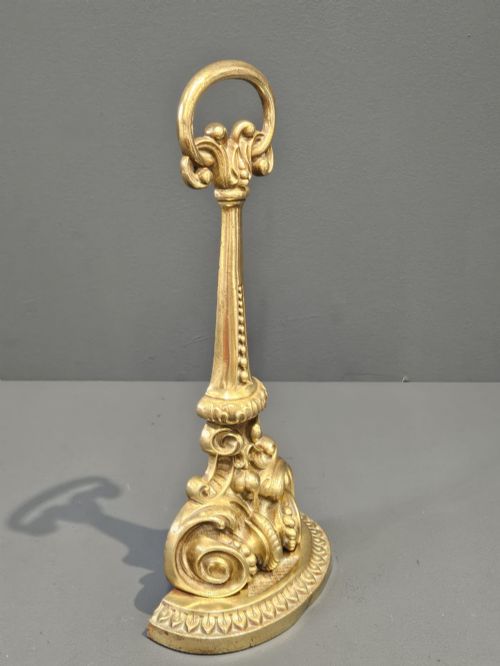
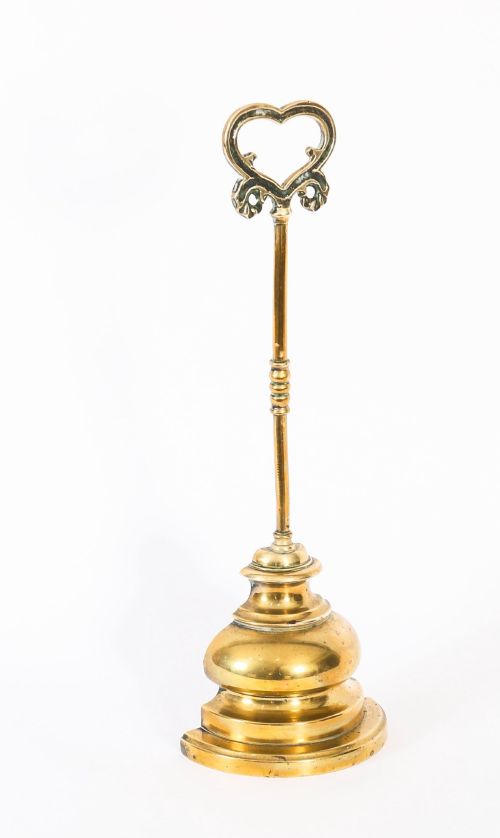
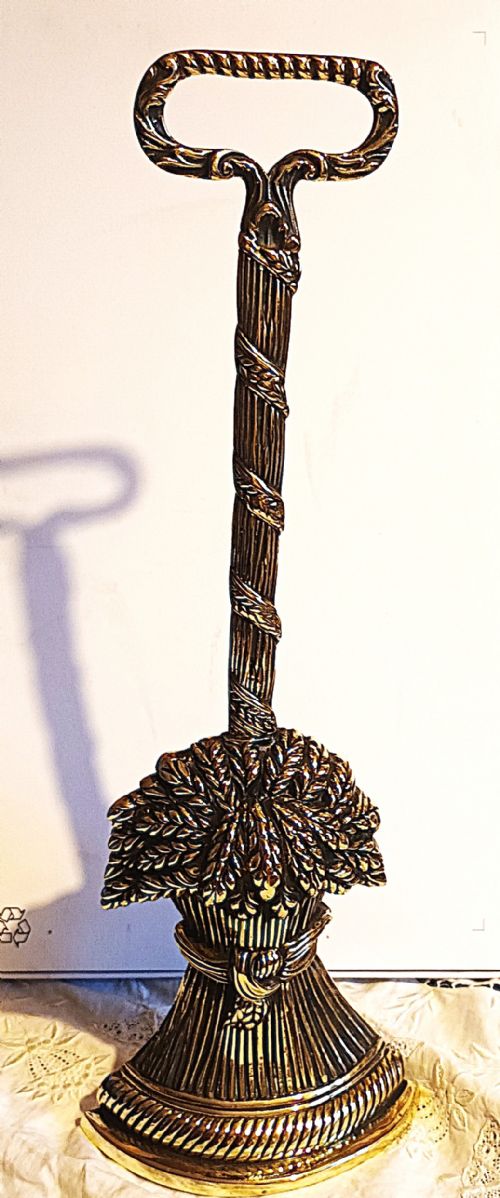
These cast brass door weight pieces keep heavy interior doors firmly open, combining everyday utility with sculptural weight.
Cast Brass Door Weight
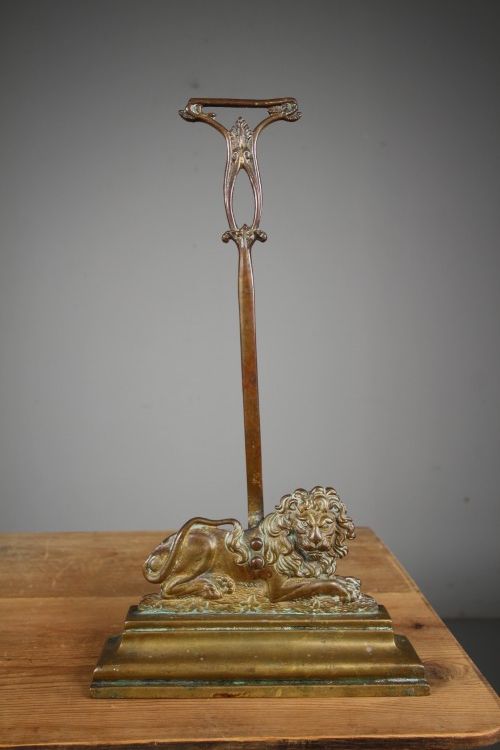
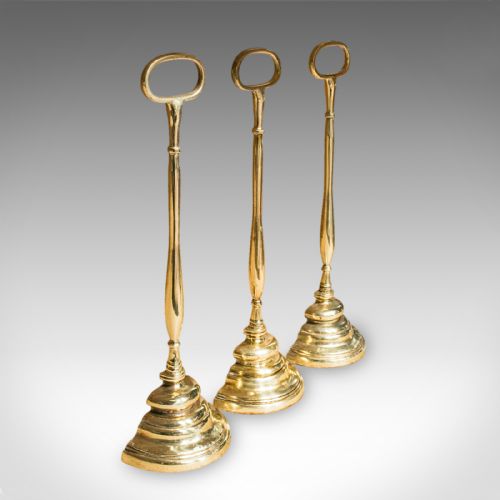
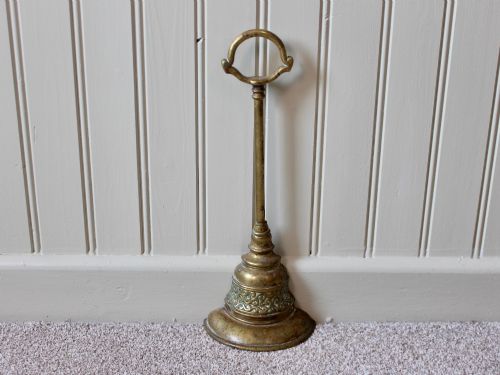
A cast brass door weight serves to hold interior doors open against draughts, taking the form of figural doorstops, door porters, and door keepers. These heavy objects appear primarily from the Victorian and Georgian periods, alongside Edwardian examples.
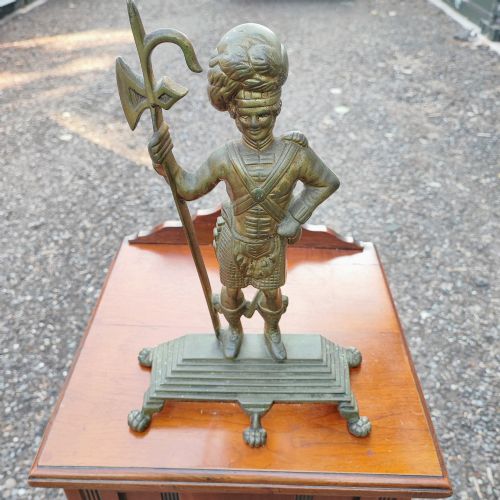
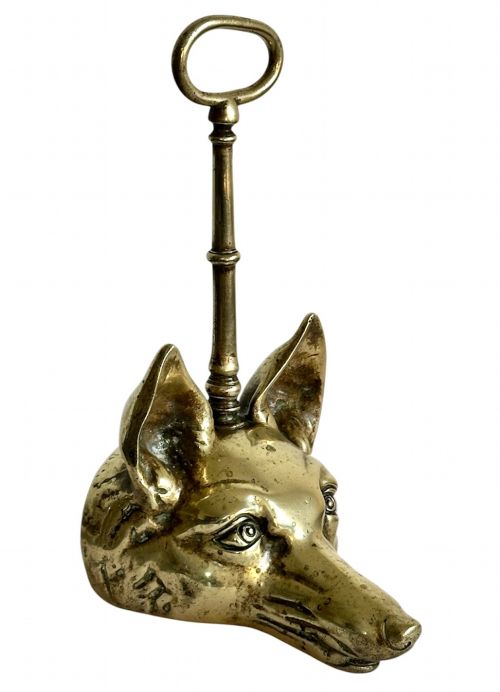
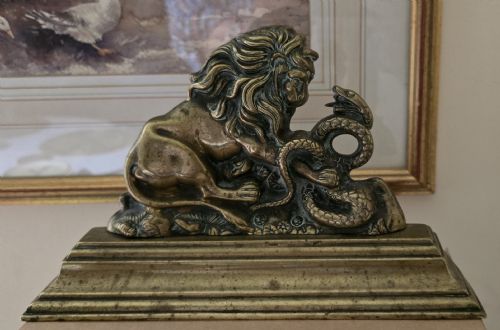
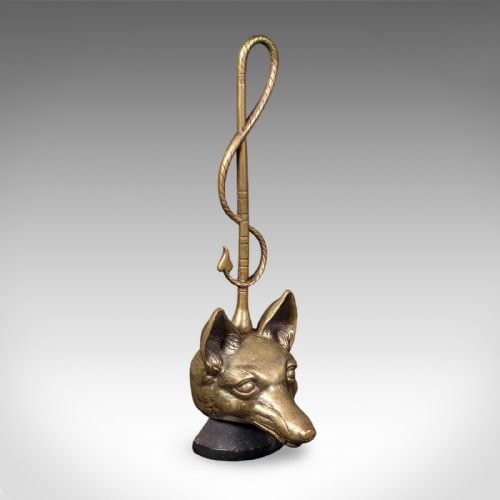
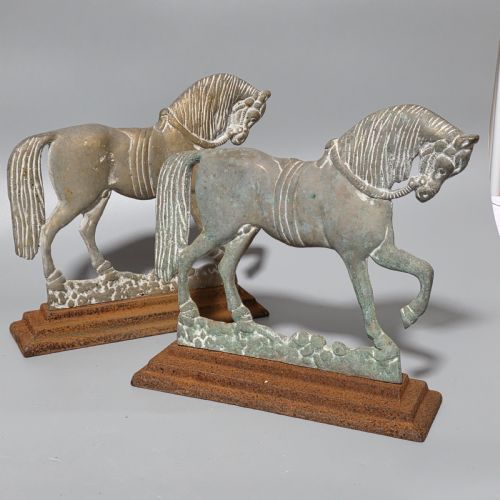
The most common versions on this page depict animals such as horses, lions, and foxes, or human figures including soldiers, cherubs, and Mr Punch. English country house and Late Regency styles predominate among the selections.
Buyers encounter single pieces and occasional pairs, with some incorporating cast iron bases or lead weighting to increase stability.
Materials and Methods
Maker workshops utilised sand casting techniques to pour molten brass into moulds, creating solid or weighted hollow forms. Iron and lead frequently appear as supporting materials to provide the necessary heaviness.
Surface finishes range from polished yellow brass to darker patinas developed over centuries of domestic use.
Mr Punch stands ready to guard your hallway.
Assessing Quality
Original weighting and the integration of secondary metals like cast iron or lead determine the structural integrity and functional efficacy of the piece.
Tonks·William Tonks
The Cast Brass Door Weight Glossary
- Door porter
- A heavy vertical doorstop designed to be lifted by a handle and positioned against a door. It often takes a tall figural form.
- Sand casting
- A traditional manufacturing method where an impression in compacted sand receives molten brass. This technique leaves subtle surface textures characteristic of period foundry work.
- Patina
- The surface sheen and oxidation acquired by brass over long periods of handling and exposure to air. Collectors value an undisturbed, honest age layer.
- Figural
- Describes an object shaped in the likeness of a human, animal, or mythical creature. These represent the most sculptural category of door stops.
Cast Brass Door Weight: Frequently Asked Questions
How heavy are these door stops?
These pieces possess substantial weight, often several kilograms, designed specifically to hold open heavy interior doors against draughts and movement.
Foundries achieved this mass through solid brass casting or by incorporating internal lead and cast iron weighting.
What is the difference between a door stop and a door porter?
The terms are largely interchangeable on this page, though door porter traditionally refers to a taller, upright piece equipped with a top handle for carrying.
Both types serve the primary function of keeping doors stationary within country houses and period properties.
How do I identify a Victorian piece?
Victorian examples frequently display naturalistic animal forms, heraldic motifs, or human figures cast in heavy brass, often reflecting the aesthetic tastes of the nineteenth century.
Stylistic cues align with the periods recorded in the evidence, spanning from Georgian designs through to Edwardian interpretations.
Are these pieces made entirely of brass?
While brass forms the primary visible metal, many examples incorporate cast iron bases or internal lead weights to increase stability.
Combination pieces pairing brass with cast iron appear frequently across nineteenth-century listings.