



Vintage Brass Door Weight
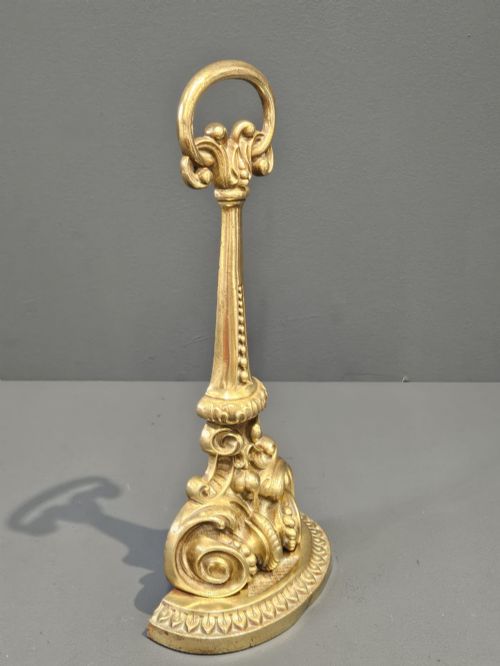
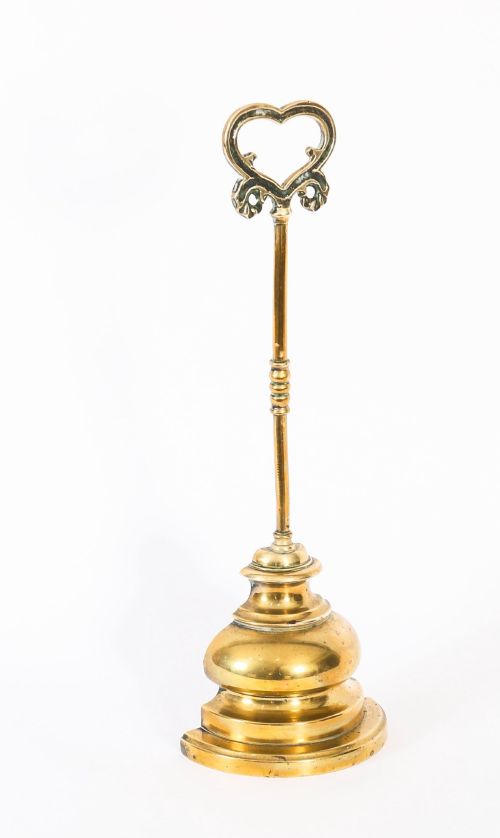
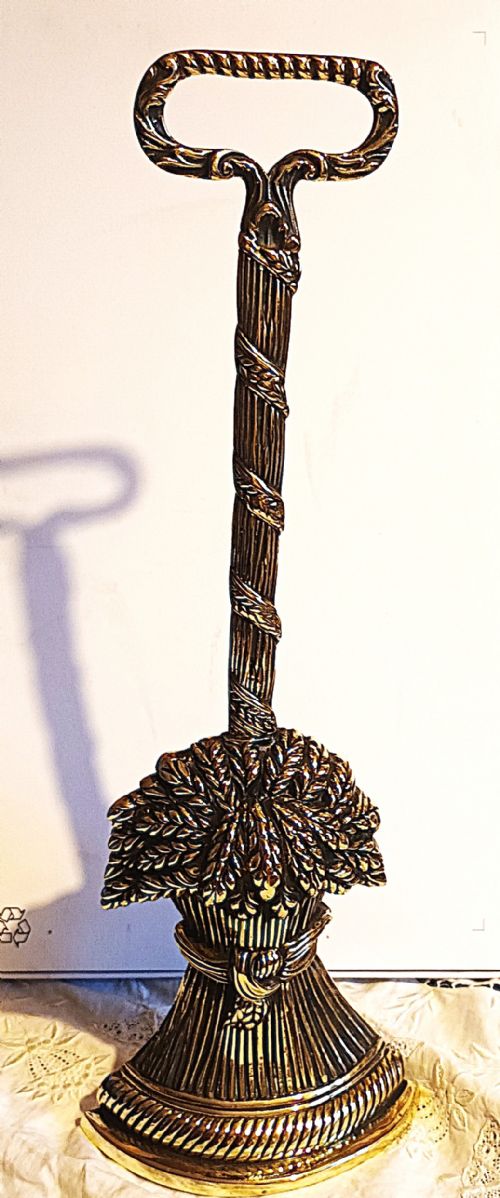
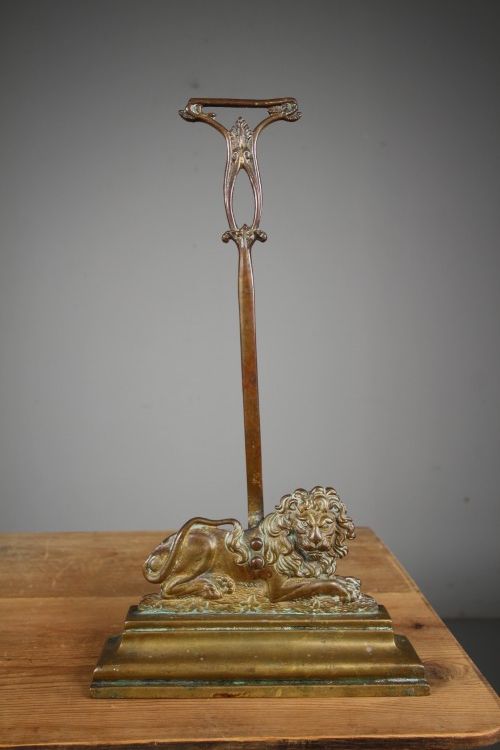
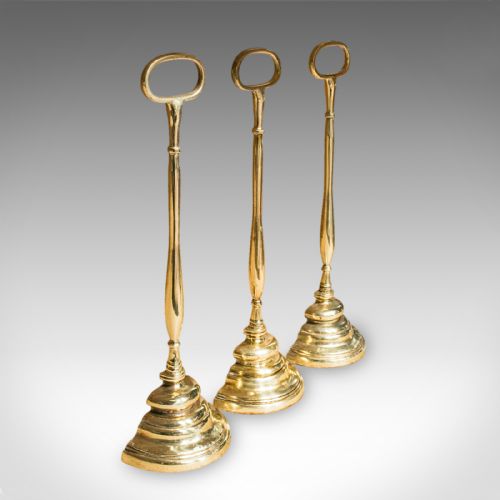
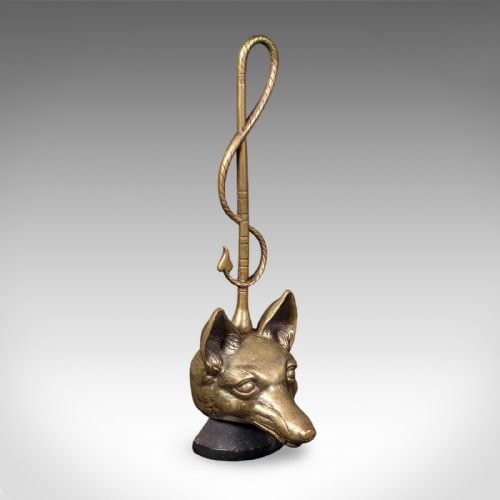
These heavy vintage brass door weight items keep a heavy door firmly open against a draught, appearing most often as figural door porters from the Victorian and Edwardian eras.
Vintage Brass Door Weight
When you search for a vintage brass door weight, you encounter substantial utilitarian items designed to hold heavy interior doors open. The pieces on this page appear predominantly as doorstops and door porters shaped from cast brass.
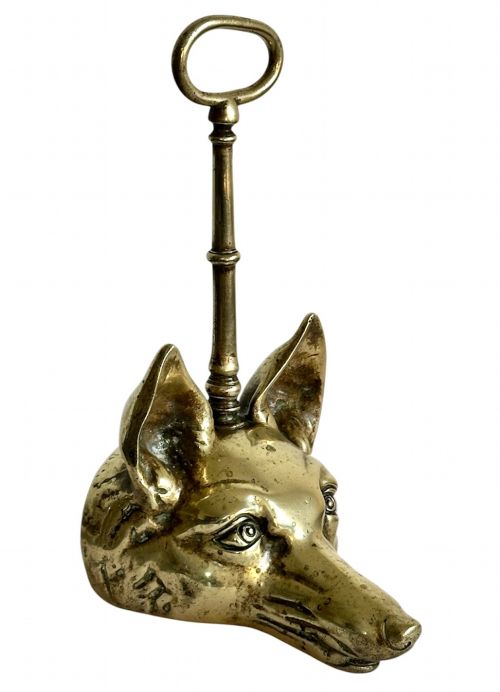
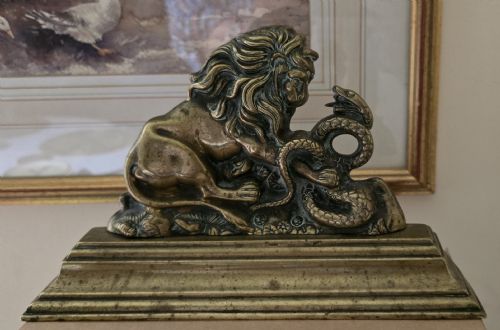
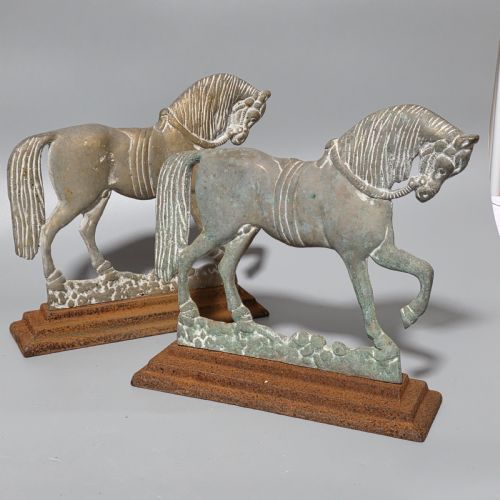
Most examples date from the nineteenth century into the Edwardian period, spanning Victorian, Georgian, and Regency styles. They take the form of lions, horses, dogs, cherubs, and human figures, alongside functional clocks.
Originating largely from English workshops, these heavy items combine domestic utility with sculptural presence. They utilise lead or cast iron elements to add necessary weight at the base.
What varies in quality
Substantial weight and the presence of original internal lead or cast iron ballasts separate well-balanced pieces from lighter reproductions. The integrity of the joint where the handle meets the body also marks the better class of door porter.
Among the heavy metal beasts and cherubs, an Edwardian grandfather clock stands quietly on duty.
Tonks·William Tonks
The Vintage Brass Door Weight Glossary
- Door porter
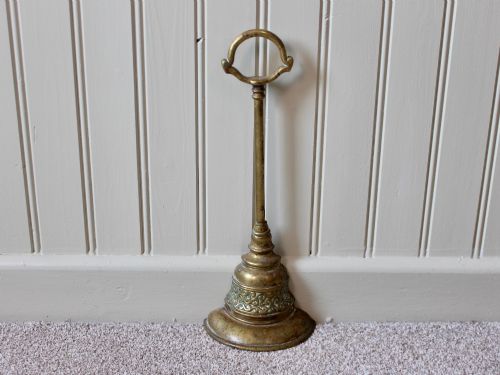
- A heavy portable doorstop, often featuring an upright handle to allow lifting without bending down. These tall items serve to keep stubborn doors open in large hallways.
- Cast brass
- Molten brass poured into a sand mould to form a rigid, detailed shape. This technique allowed Victorian foundries to mass-produce complex figural designs.
- Regency
- An English design style spanning the early nineteenth century, known for classical restraint and animal motifs. Pieces from this era often display clean lines and disciplined proportion.
- Chasing
- The manual refinement of a cast metal surface using hammers and punches. Artisans used this technique to sharpen details like manes and facial expressions after the casting process.
Vintage Brass Door Weight: Frequently Asked Questions
How do I use a door porter?
Place the heavy base against the interior edge of an open door to prevent it from swinging shut in a draught.
Most porters include an integrated loop handle at the top so you can lift and reposition the piece without bending all the way to the floor.
Are these pieces made entirely of brass?
While the visible exterior usually consists of cast brass, many pieces incorporate internal lead or cast iron weights to increase stability.
Some examples also combine secondary materials such as mahogany bases or glass components within the assembly.
How do I identify a Victorian door stop?
Victorian examples frequently display naturalistic figural motifs such as lions, horses, and dogs, alongside cherubs and dolphins.
They rely on heavy sand-cast construction methods characteristic of nineteenth-century English foundries.
What is the difference between a door stop and a door porter?
A door porter specifically refers to a tall, weighted stop fitted with an upright handle for easy carrying between rooms.
Standard door stops are often smaller, lower profiles designed to sit permanently in one spot against a skirting board.