
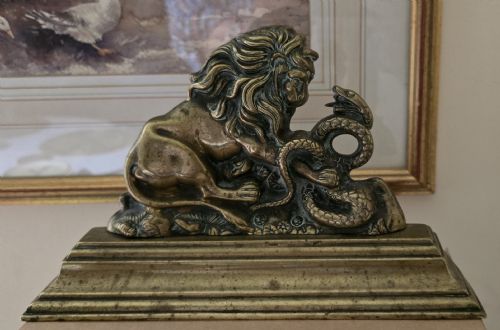


English Cast Brass Doorstop
These heavy english cast brass doorstop pieces keep heavy doors from slamming while bringing character to any room.
English Cast Brass Doorstop
An english cast brass doorstop anchors swinging doors with substantial weight and sculptural presence. These sturdy items emerge from periods spanning the Georgian era through the Edwardian years and into the 1920s.
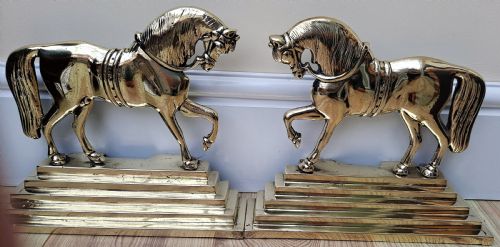
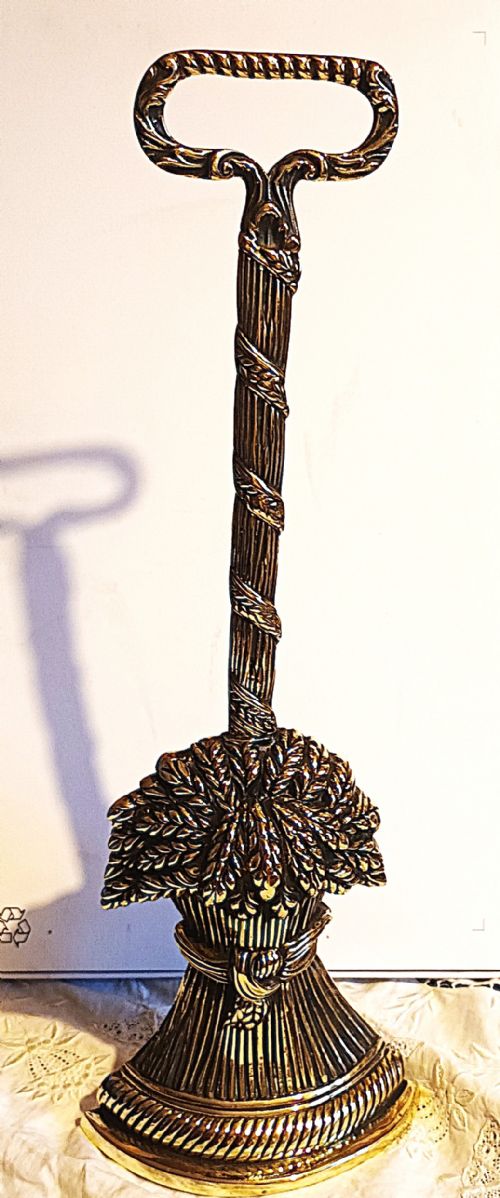
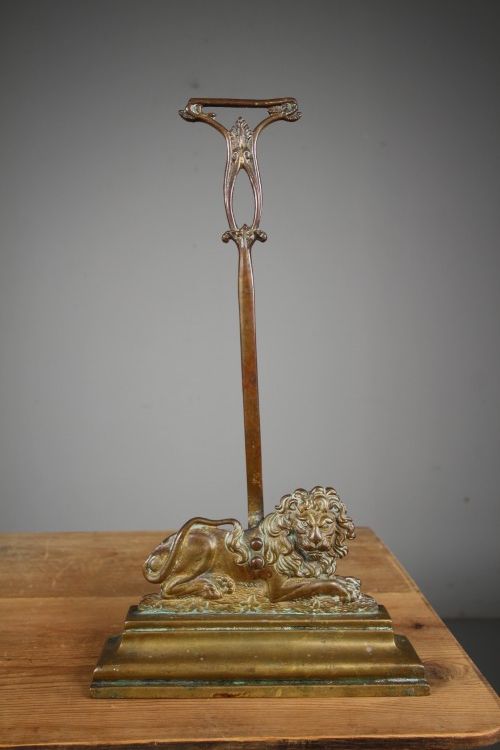
Most examples found here take the form of traditional door porters and figural subjects. Animal motifs such as lions, horses, and foxes appear alongside historical figures like Lord Nelson and crinoline ladies.
Makers shaped these functional objects for use in country houses and town residences alike. The most frequent versions on this page date from the nineteenth century and carry distinct regional foundry traits.
How they were made
Foundries produced these objects by pouring molten brass into sand moulds to create solid, heavy castings. Many examples incorporate lead weighting inside hollow bases to ensure sufficient heft for holding doors open.
Craftsmen finished the raw metal castings through filing and polishing to highlight sculptural details. Some pieces retain traces of original paint highlights on the brass surfaces.
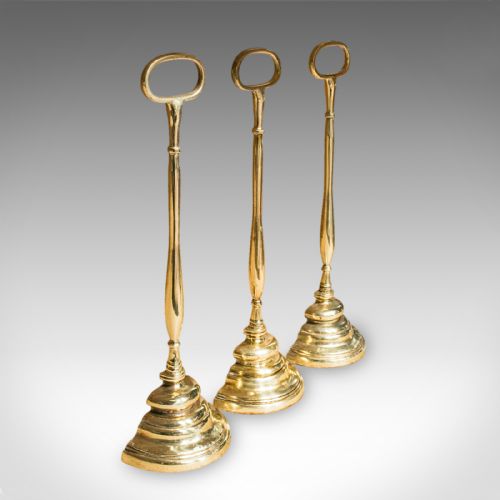
Object forms include traditional door porters, chimney horses, and companion sets alongside figural animal keepers.
What varies in quality
The weight and balance of the piece dictate its practical utility as a door porter. Superior castings utilise thicker metal walls and stable bases that withstand daily use.
William Tonks
The English Cast Brass Doorstop Glossary
- Door porter
- A heavy upright weight equipped with a top handle, designed for moving from room to room to keep doors open. These items serve the same practical function as a traditional doorstop.
- Cast brass
- Molten alloy poured into a mould to form solid decorative objects. This material provides the necessary mass and durability for everyday household use.
- Figural
- A design representing a recognizable human, animal, or character rather than an abstract pattern. Historical figures and animals form the bulk of these subjects.
- Chimney horse
- A specific nineteenth-century form of door porter often depicting an equine figure. These pieces share stylistic roots with hearth furniture.
English Cast Brass Doorstop: Frequently Asked Questions
What is an english cast brass doorstop?
An english cast brass doorstop is a heavy decorative weight designed to hold interior doors open. These items combine practical utility with sculptural artistry.
Foundries produced them in numerous animal and figural forms during the eighteenth, nineteenth, and early twentieth centuries.
How were they used historically?
Households placed them in hallways and principal rooms to prevent heavy doors from slamming in draughty corridors. Servants easily carried the porters by their integrated handles.
Their substantial weight ensured doors remained fixed in position during daily household activities.
How do I date an antique door porter?
Dating relies on stylistic clues, casting techniques, and the character of the brass alloy. Georgian and Regency examples often display neoclassical motifs, whilst Victorian and Edwardian pieces favour naturalistic animal subjects.
Wear patterns and the method of assembly inside the base also offer reliable chronological indicators.
Are these items made of solid brass?
Most pieces feature solid brass or bronze construction, though some incorporate lead weighting in the base for added stability. Iron components occasionally appear in internal fixings or associated hearth items.
The exterior surfaces typically display the warm golden hue characteristic of nineteenth-century brasswork.