


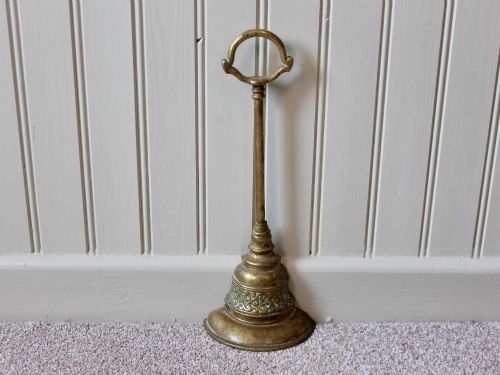





Brass Handle Door Weight
These heavy brass handle door weight pieces keep a stubborn door in place with real weight and presence.
Brass Handle Door Weight
A brass handle door weight, commonly known as a door porter or doorstop, is a heavy utilitarian object designed to keep interior doors open. You find these items primarily in Victorian, Edwardian, Late Regency, and Georgian forms, reflecting the periods of domestic architecture they served.
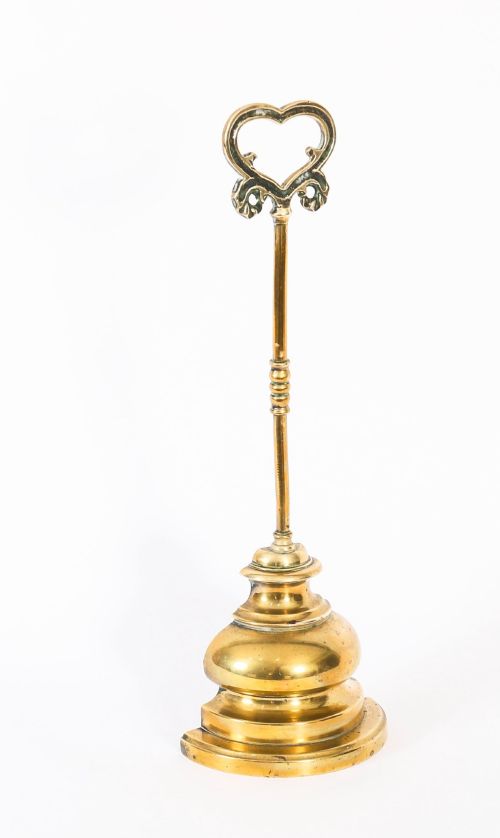
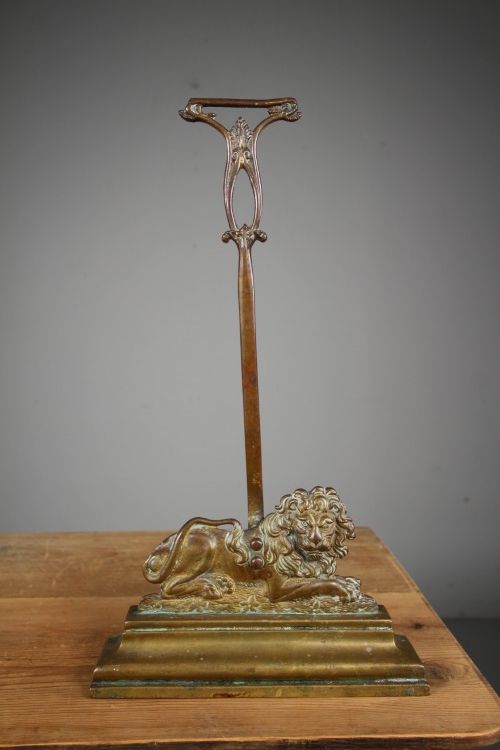
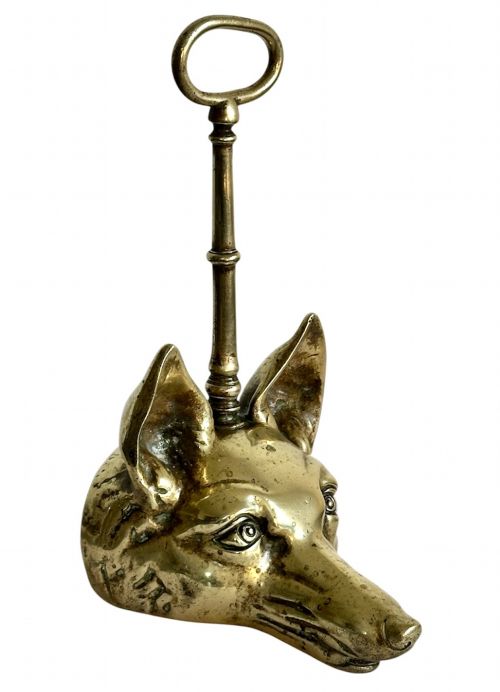
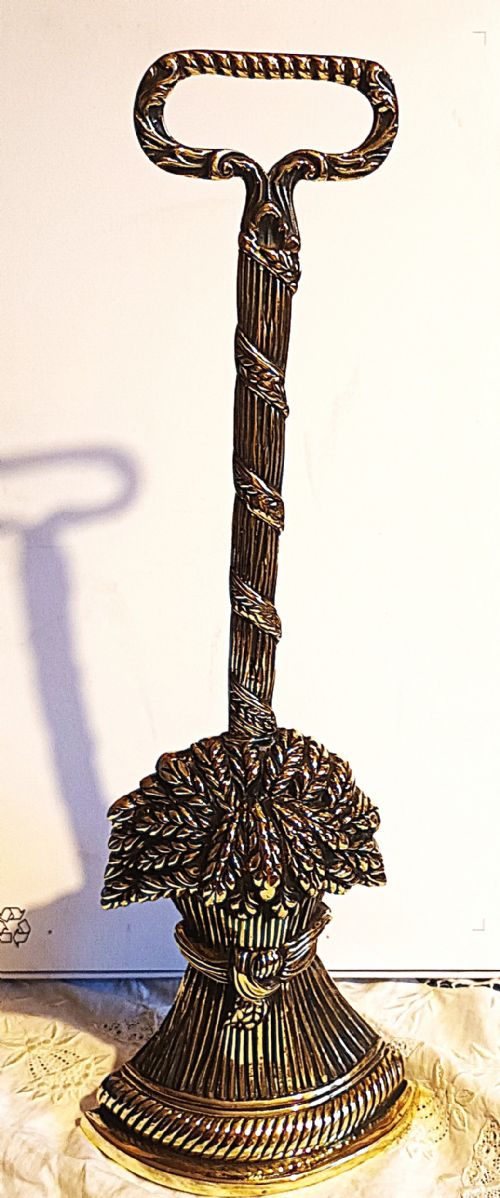
The most common versions on this page are cast brass doorstops and porters featuring integrated handles at the top for lifting. Animal motifs such as lions and foxes, alongside cherubs and plain handle designs, dominate the available selection across the nineteenth century.
Originating largely in English workshops, these heavy pieces combine functional iron or lead weighting with polished brass outer shells. They range from simple utilitarian shapes to highly decorative figural castings intended for principal rooms.
What varies in quality
Substance and stability dictate the practical value of each piece, with superior specimens carrying adequate internal lead or iron weighting rather than relying on thin, hollow shells. The integrity of the handle connection also separates robust examples from fragile ones.
Brass Handle Door Weight Retail Price Guide 2026
Typical asking prices for brass handle door weight among the pieces listed under this phrase on Sellingantiques today, from the lower quarter to the upper quarter. They describe what is for sale here now, not the wider market.
A solitary cherub stands guard in brass, ready to hold back the draughts of time.
William Tonks
The Brass Handle Door Weight Glossary
- Door porter
- A heavy portable doorstop designed with an upright handle so it can be moved without bending down. These objects sit against the base of an interior door to prevent slamming.
- Cast brass
- Molten brass poured into a mould to form a specific shape. This method allows for intricate sculptural detail in household hardware.
- Regency
- A British design period spanning the early nineteenth century known for classical revival motifs. Pieces from this era often display restrained elegance and robust proportions.
Brass Handle Door Weight: Frequently Asked Questions
How do I use a door porter?
Place the heavy base directly against the interior door to hold it open at the desired angle. The integrated handle allows you to lift and reposition the weight easily with one hand.
Ensure the floor surface is level so the flat base makes full contact and prevents the door from slipping past.
Are these pieces heavy enough for thick doors?
Most of these items utilise internal lead or iron weighting combined with a solid brass shell to provide substantial heft. This mass holds heavy interior doors securely in drafty hallways.
Lighter specimens suit standard internal doors, while taller figural designs manage larger architectural clearances.
How do I clean polished brass?
Dust the surface gently with a soft cloth to remove grit before applying any cleaning agent. Avoid harsh abrasives that scratch the metal or strip away aged patination.
A mild brass cleaner restores brightness where desired, though many collectors prefer leaving a darker, untouched patina intact.
How do I tell a Georgian piece from a Victorian one?
Georgian and Regency examples tend to exhibit simpler, neoclassical lines and restrained ornamentation. Victorian and Edwardian castings frequently introduce heavier figural subjects like lions, foxes, and cherubs.
Examine the casting quality and surface wear to gauge the age alongside the stylistic vocabulary of the period.