


Cast Brass Accent Light
These cast brass accent light pieces bring heavy metal work and period form into your rooms, offering tactile presence.

Cast Brass Accent Light
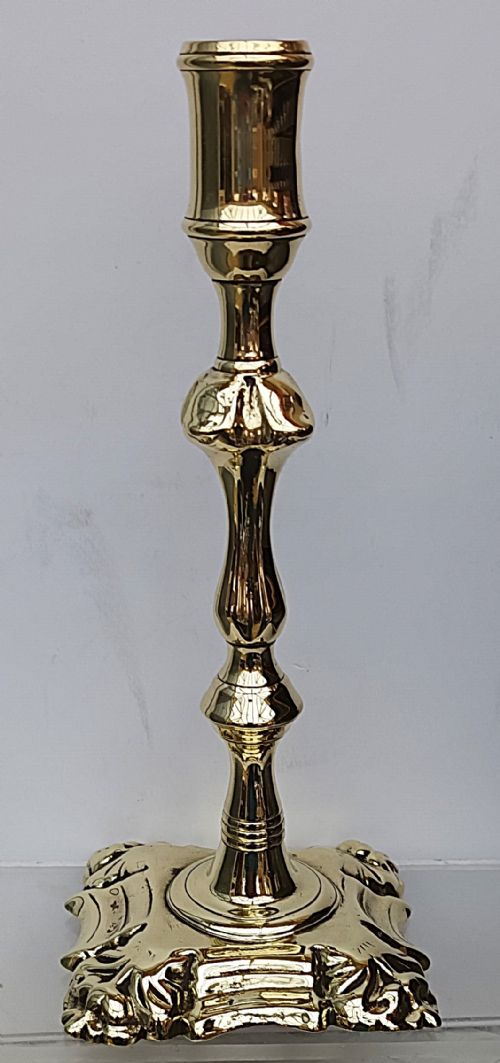
When you search for a cast brass accent light, you encounter table lamps, candlesticks, and novelty figural pieces spanning several centuries.
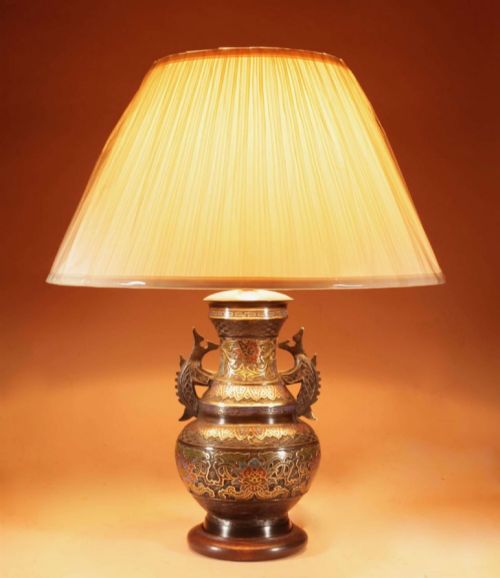
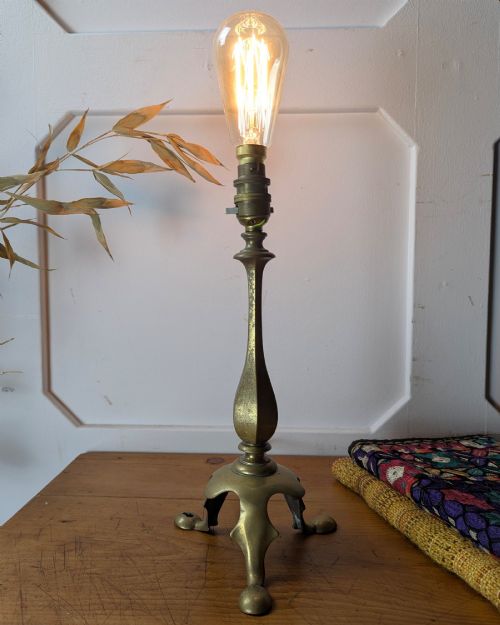
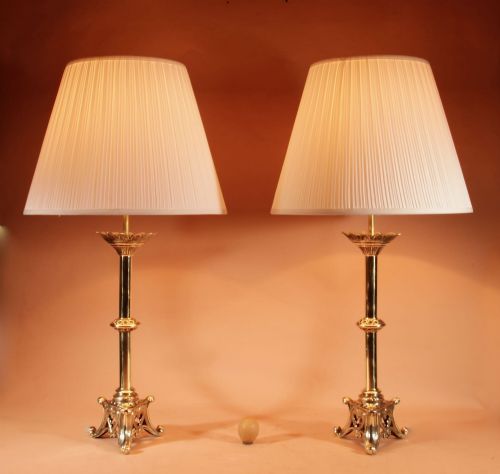
The selections here range from Georgian candlesticks and Victorian Gothic designs to Art Deco animal subjects and French Rococo gilt bronzes.
You are most likely to meet twentieth-century adaptations and nineteenth-century examples featuring heavy cast metal bases alongside fabric shades or exposed fittings.
How they were made
Makers utilised foundry casting methods to shape brass, bronze, and ormolu into structural forms, balusters, and detailed figurative mounts.
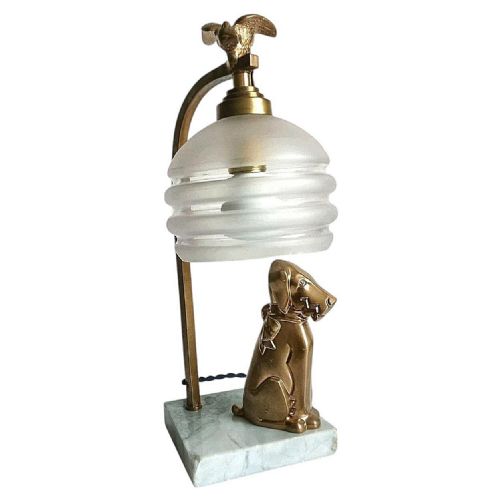
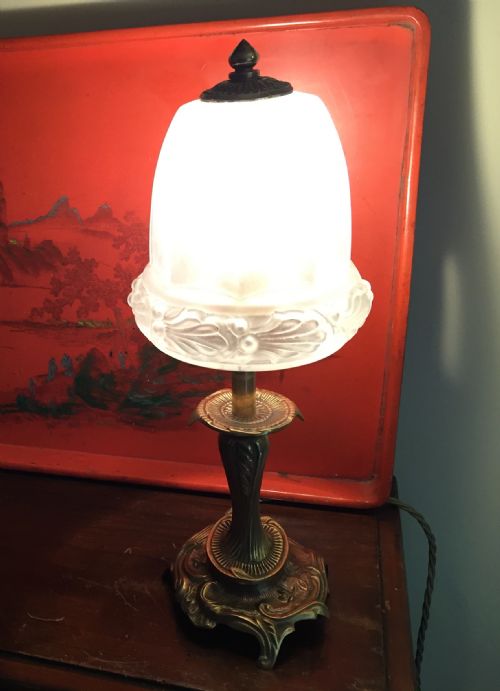
Many items incorporate mixed media, combining cast metal bodies with marble bases, frosted glass shades, enamel, champlevé work, and wooden elements.
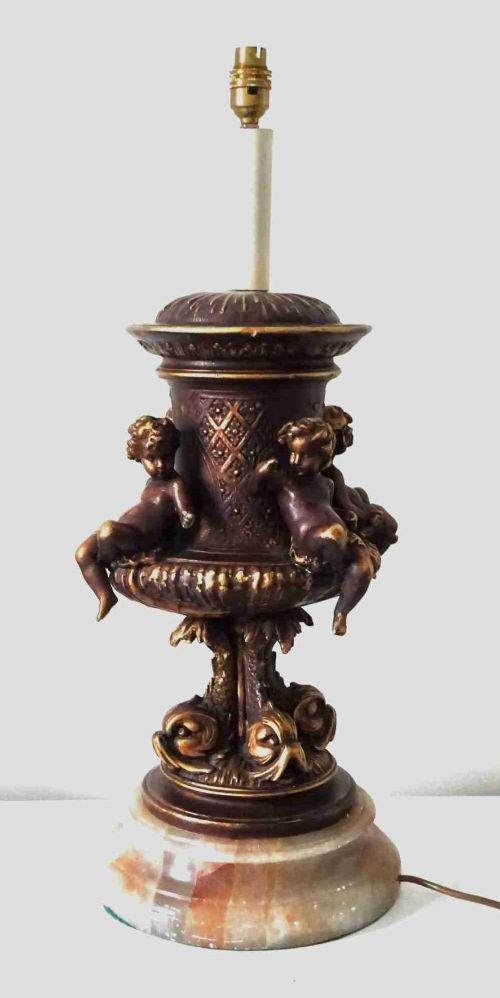
Surface finishes vary from polished gilt metal to patinated bronze and textured cast brass, often enriched with classical masks or applied decorative motifs.
Among the metalwork and classical urns, a French novelty dog and parrot wait patiently to illuminate your sideboard.
What varies in quality
Quality rests upon the crispness of the casting work and the depth of detail in chased ornamentation, cherubs, and classical mounts.
Weight and stability distinguish superior metalwork, as heavy cast foundations and solid proportions demonstrate better material substance.
The integration of secondary components, such as fitted marble bases or precise joinery, separates standard production from finer decorative pieces.
The Cast Brass Accent Light Glossary
- Ormolu
- Gilt bronze produced by applying a finely ground gold-mercury amalgam to a bronze object. This French technique yields a rich golden surface sheen.
- Champlevé
- An enamelling technique where troughs are dug into a metal surface and filled with vitreous enamel. The piece is then fired and polished flat.
- Baluster
- An architectural term for a moulded shaft with a swelling lower portion. It forms the central stem of many candlesticks and table lamps.
- Gothic Revival
- A nineteenth-century design style imitating medieval architecture and ornament. It frequently displays pointed arches, tracery, and heavy cast brass detailing.
Cast Brass Accent Light: Frequently Asked Questions
What is a cast brass accent light?
These items comprise metal table lamps, converted candlesticks, and decorative illumination pieces made primarily through foundry casting. They span periods from the eighteenth century to the art deco era.
Buyers select them to introduce sculptural weight, metallic texture, and historical styling into interior schemes.
How were these lamps used originally?
Many began as functional domestic lighting fixtures, utilising candles, oil, or early electricity depending on their decade of manufacture. Figural and novelty designs served as decorative focal points on consoles and side tables.
Over time, numerous candlesticks and urns underwent conversion to carry electrical fittings while retaining their original bases.
How do I live with a metal lamp?
Place these substantial pieces on sturdy wooden surfaces where their weight and metallic finish can balance surrounding textures. They suit both traditional and modern rooms as distinct focal points.
Keep them away from damp environments and clean the metal gently with a dry cloth to preserve the existing patina.
How can I tell the periods apart?
Georgian and Victorian pieces often rely on classical symmetry, Gothic motifs, or restrained baluster forms. Twentieth-century examples shift towards Art Nouveau curves, Art Deco animal figures, and streamlined geometric shapes.
Examining the casting style, base construction, and mounting details helps place each object in its historical context.