





Brass Pleated Shade Lamp
A brass pleated shade lamp brings warm illumination and classical proportion into a room, uniting metallic lustre with textured fabric.

Brass Pleated Shade Lamp
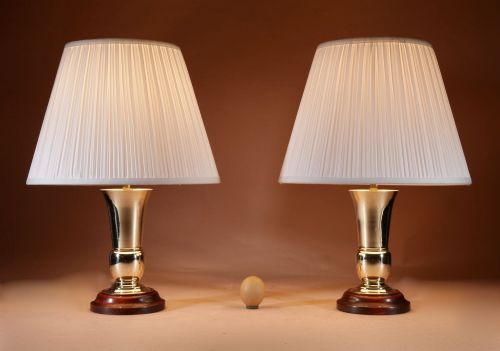
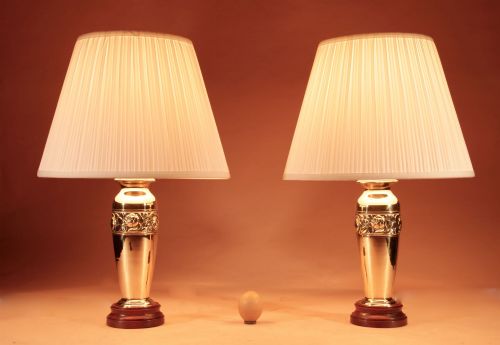
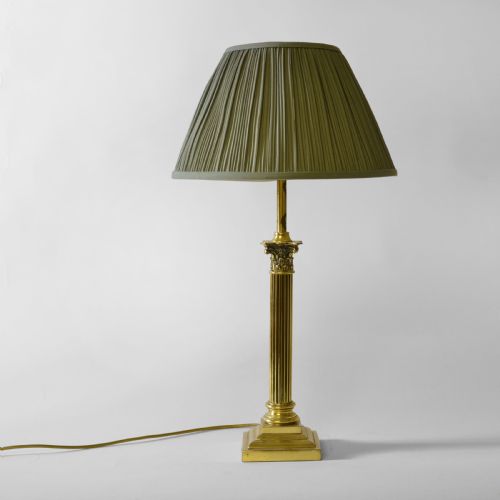
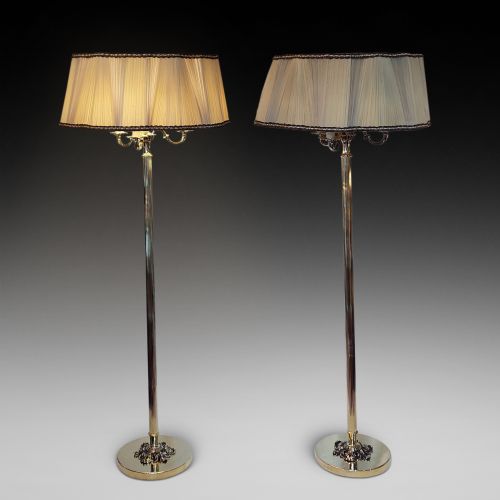
A brass pleated shade lamp combines metal illumination fittings with tactile materials, appearing in forms from small table pieces to tall standard floor lamps. When searching for a brass pleated shade lamp, buyers encounter pieces spanning the Victorian, Edwardian, and Art Deco periods, alongside French nineteenth-century designs.
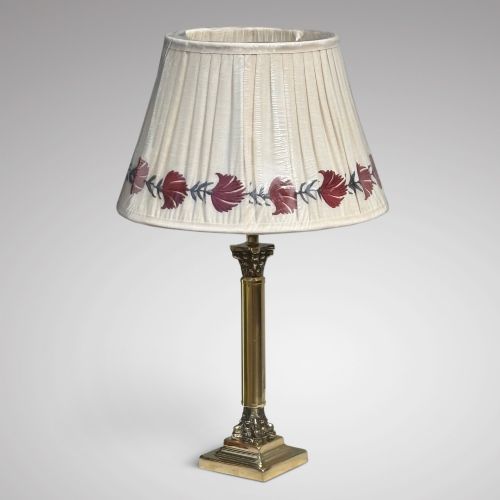
The selection ranges from neoclassical corinthian columns and heavy brass uplighters to intricate oriental porcelain and cloisonné vase conversions. Table lamps and standard lamps dominate the offerings, frequently incorporating fabric or silk shades atop polished or bronzed metal bases.
Materials and Construction
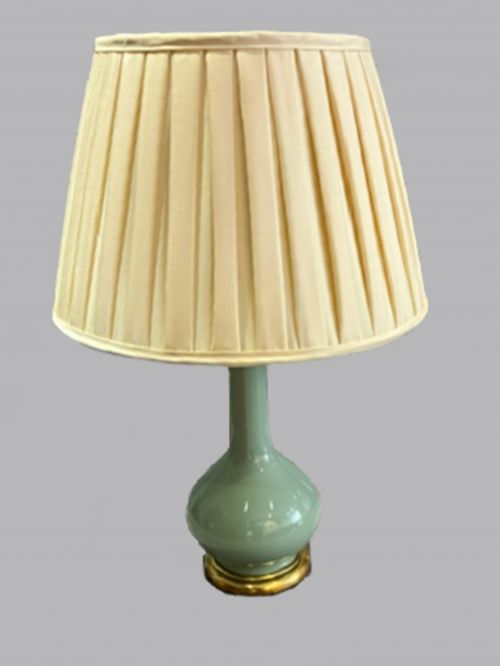
Construction relies heavily on cast and turned brass, ormolu, and gilt bronze, often paired with structural elements of wood, marble, and silver plate. Bases frequently incorporate imported porcelain bodies, including Japanese Satsuma and Chinese celadon or famille verte vases, adapted later for electrical wiring.
Shades utilise delicate fabrics such as silk alongside opaline white glass and metal components, supported by adjustable tripods and standard columns. Metalwork demonstrates classical detailing through chased enrichment, Corinthian capitals, and patinated bronzing.
Listings feature materials spanning silk fabric, brass, porcelain, gilt bronze, metal, wood, and ormolu across the Victorian and Edwardian periods.
Assessing Quality and Execution
Quality rests upon the weight and crispness of the metal casting, visible in the sharp relief of Corinthian column capitals and the precise channelling of standard lamp shafts. Superior examples exhibit harmonious proportions between the heavy metal base and the fitted shade, with original patination intact.
The integration of ceramic and porcelain bodies dictates distinction, where finely potted Chinese or Japanese export wares with cloisonné enamel or hand-painted details elevate the standing of the lighting piece above standard utilitarian metalwork.
M Pillischer of London·Jean-Démosthène Dugourc
The Brass Pleated Shade Lamp Glossary
- Ormolu
- Gilded bronze, typically produced by applying a mercury-gold amalgam to cast bronze. This French technique imparts a rich, warm yellow lustre to nineteenth-century metalwork.
- Cloisonné
- An enamelling technique where wires are soldered to a metal base to create compartments filled with coloured paste. Japanese and Chinese examples often feature floral and geometric motifs.
- Corinthian Capital
- The ornate, bell-shaped top of a classical column decorated with acanthus leaves. It appears frequently on nineteenth-century brass table and standard lamps.
- Famille Verte
- A Chinese porcelain palette dominated by green enamels, developed during the Qing dynasty. These vessels are frequently converted into nineteenth-century lamp bases.
- Standard Lamp
- A tall floor-standing lighting fixture designed to illuminate a room from a corner or beside seating. They often incorporate adjustable heights or multiple branches.
Brass Pleated Shade Lamp: Frequently Asked Questions
How do I date a brass lamp?
Dating relies upon stylistic markers such as neoclassical column details, art deco geometric lines, or Victorian proportions. Wiring and internal fittings also offer clues, though many older pieces have received modern electrical updates for safety.
Examining the casting methods and the wear on the brass surface helps distinguish nineteenth-century examples from later twentieth-century reproductions.
Are porcelain vase lamps converted?
Many Asian and European porcelain vases used as lamp bases were drilled and mounted for electricity during the nineteenth or early twentieth century. This practice preserved fragile antique ceramics by giving them a functional domestic purpose.
Collectors look for professional mounting that respects the integrity of the original porcelain body without causing structural damage.
Where should I place a standard lamp?
Standard floor lamps suit corners, reading areas, or spaces beside heavy upholstery where table surface space is limited. Adjustable models allow the height of the light source to be tailored to the room's proportions.
Matching the metal finish, such as polished brass or bronzed metal, to existing hardware in the room creates visual cohesion.
What maintenance do these lamps require?
Maintenance involves dusting fabric shades gently and occasionally wiping metal surfaces with a dry or slightly damp cloth. Avoid harsh chemical cleaners that can strip away original patination or lacquering on nineteenth-century brass.
Electrical components should be inspected periodically by a qualified professional to ensure safe domestic operation.