


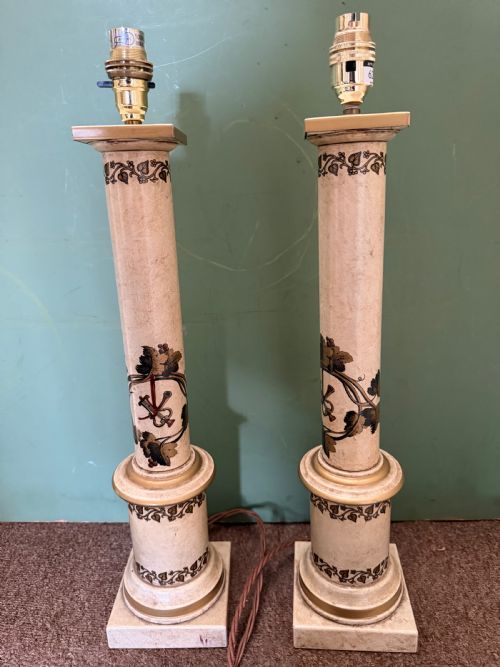

Neoclassical Brass Column Lamp
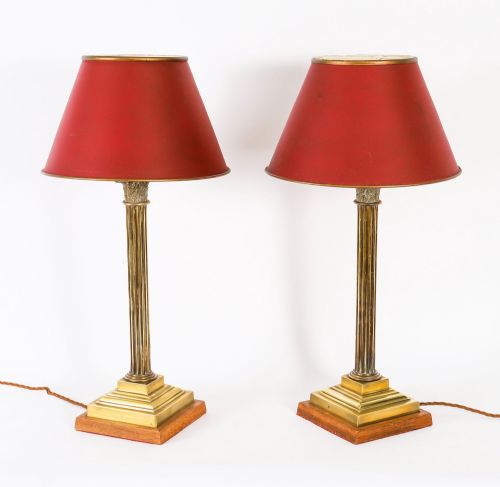
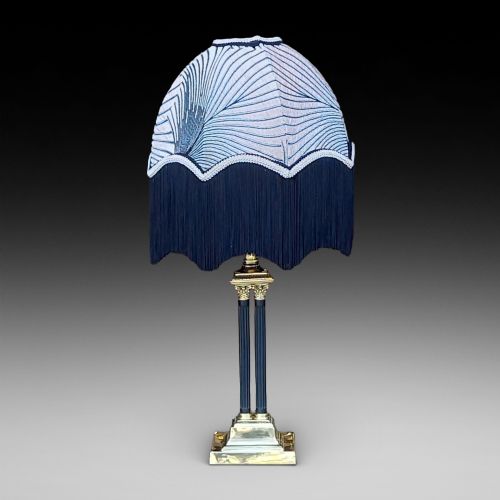
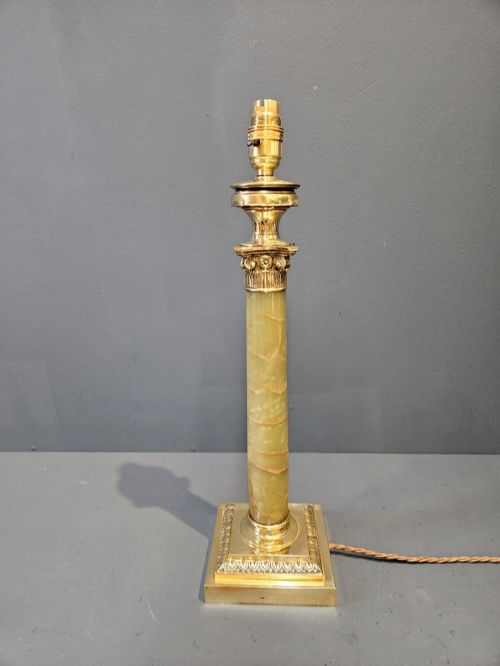
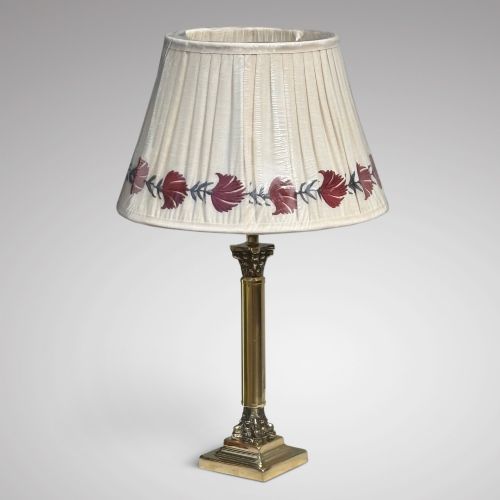
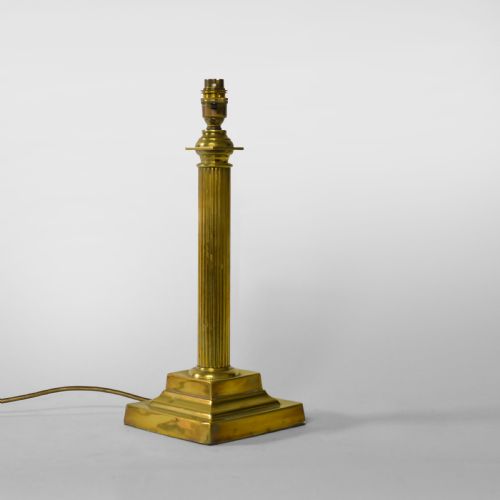
A neoclassical brass column lamp brings architectural order to a room, standing on fluted shafts with classical capitals.

Neoclassical Brass Column Lamp
A neoclassical brass column lamp draws directly upon ancient architectural orders, translating temple columns into domestic lighting. These pieces take the form of table lamps, floor lamps, standard lamps, and lamp bases designed to hold electrical fittings or converted from older oil burners.
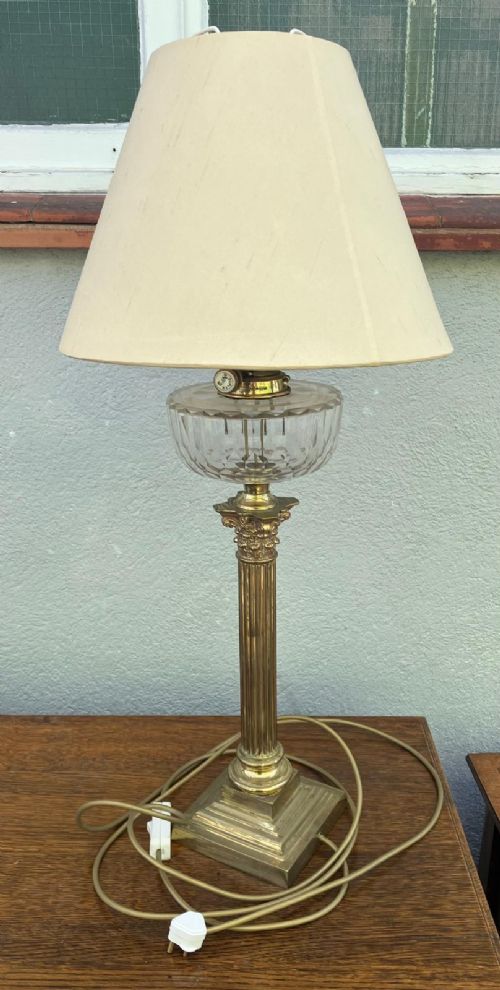
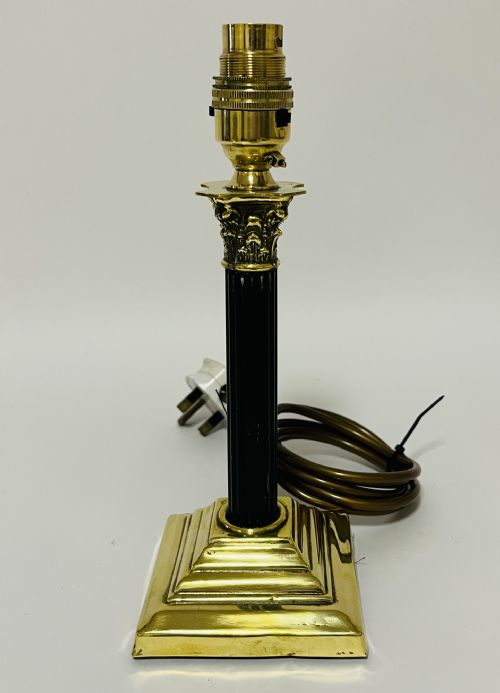
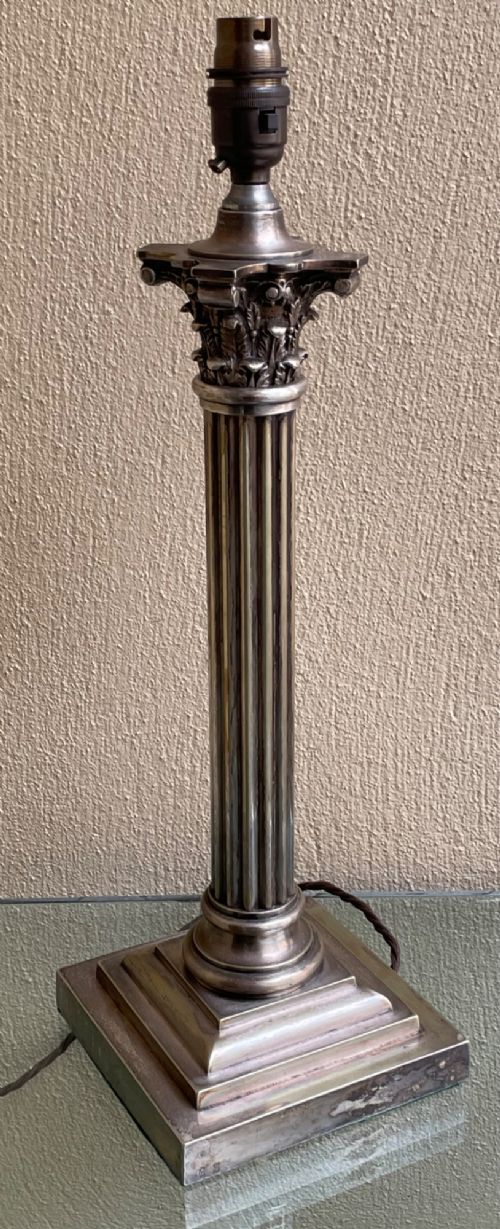
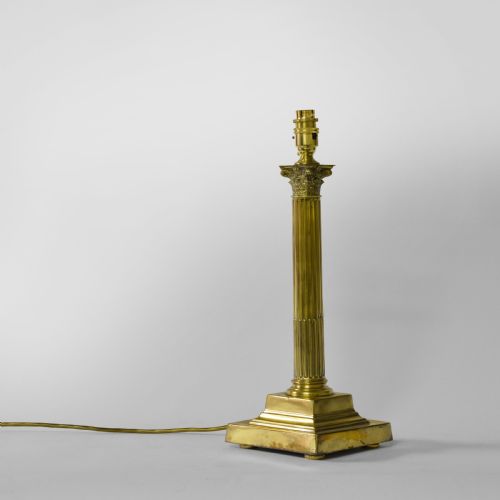
The most common version met on this page is the Corinthian column table lamp, usually dated to the nineteenth century or the Edwardian period. Alongside table lighting, taller standard lamps rise from heavy bases to illuminate corners from floor level.
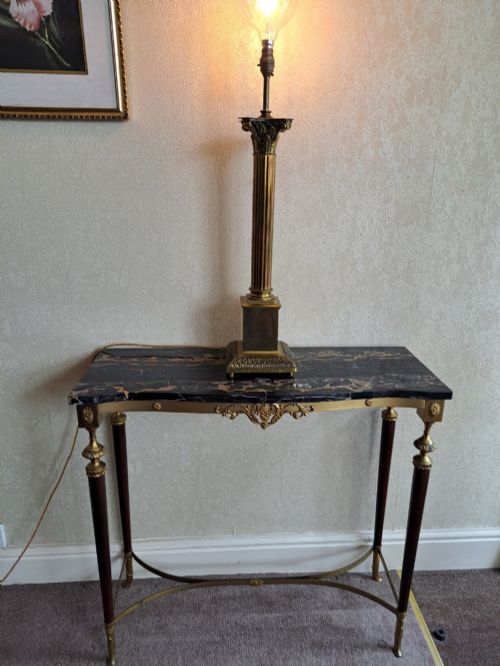
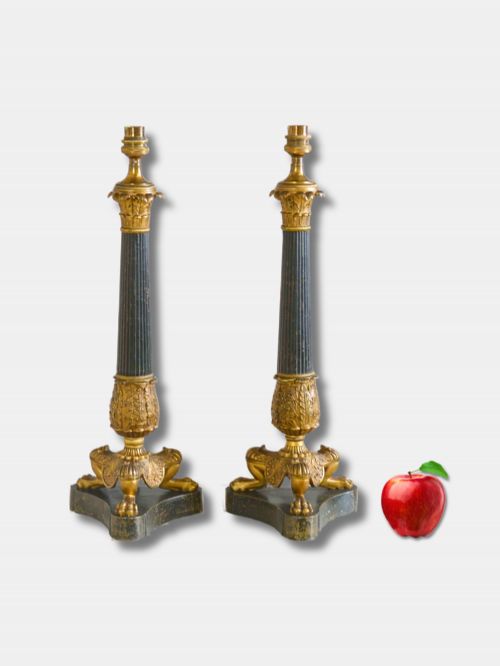
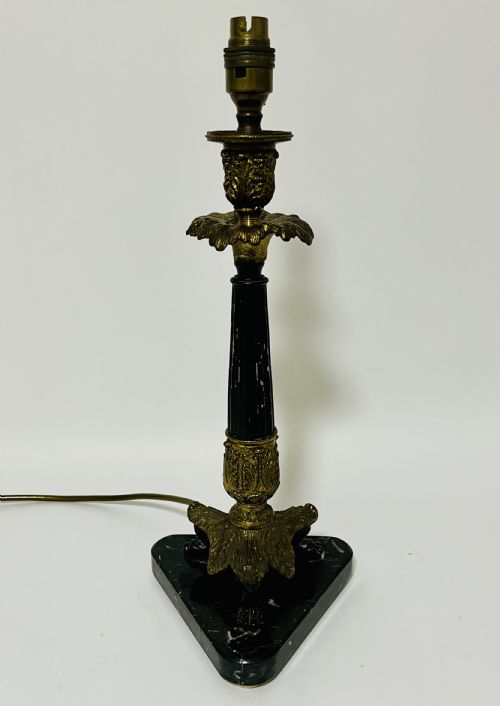
Origins span English workshops and French makers, incorporating classical motifs such as acanthus leaves, stepped square plinths, and lions paw feet. Certain examples pair the metal shaft with contrasting materials like marble or glass for varied visual weight.
Materials and Construction
Foundries cast the primary components in brass, ormolu, bronze, and gilt bronze, often turning the columns on lathes to achieve precise fluting and smooth profiles. Capitals receive detailed hand-chasing or moulding to define the volutes and acanthus leaves characteristic of Corinthian and Ionic orders.
Many heavy bases combine polished marble or slate with metal mounts to secure stability for tall shafts. Wiring installations frequently adapt older Victorian oil lamps, integrating electrical flex through the hollow centre of the original metal column.
Some column lamps stand upon tiny lions paw feet, ready to sprint across the drawing room.
Evaluating Quality and Detail
The distinction between ordinary and superior pieces rests on the crispness of the metal casting and the depth of the chasing on the capital. Fine examples display sharp leaf work and substantial weight in the brass or bronze, whereas lesser versions rely on softer, shallower surface details.
Proportions dictate overall elegance, separating well-balanced columns from top-heavy or squat alternatives. The quality of the marble plinths, the precision of the stepped corners, and the integration of solid brass mountings further separate standard production from exceptional studio work.
Hinks
The Neoclassical Brass Column Lamp Glossary
- Corinthian Capital
- The ornate top section of a column adorned with carved acanthus leaves and scrolling volutes. This order appears most frequently on nineteenth-century table lamps.
- Ormolu
- Finely ground high-carat gold mercury-gilded onto a bronze base. It provides a bright, durable golden finish found on French neoclassical pieces.
- Standard Lamp
- A tall floor-standing lighting column designed to stand directly on the floor. These pieces often feature adjustable stems or heavy weighted bases.
- Tole-peinte
- Painted or lacquered sheet metal used for decorative lamp bodies. French examples from the early twentieth century utilise this technique for colour and pattern.
Neoclassical Brass Column Lamp: Frequently Asked Questions
How do I date a brass column lamp?
Dating relies on examining the construction methods of the base, the weight of the metal, and the wiring entry points. Earlier nineteenth-century examples often show heavier castings and evidence of conversion from oil burning.
Twentieth-century pieces tend to feature lighter brass components and factory-fitted electrical threading. Stylistic details like stepped marble plinths and the sharpness of the capital also help narrow the decade.
Were these lamps originally electric?
Many nineteenth-century and Victorian pieces started life as oil lamps before being converted to electricity later in their lifespan. These conversions retain the original burners or reservoirs adapted to hold lamp holders.
Edwardian and later twentieth-century standard lamps were frequently manufactured specifically for electrical use from the outset. Examining the internal channel reveals whether wiring was added later or built into the original design.
How do I clean and polish the brass?
Maintenance requires gentle dusting with a soft cloth to preserve the aged patina that accumulates on antique metal. Avoid harsh commercial abrasive cleaners that strip the historic surface character away.
If polishing is necessary, use a mild metal cleaner approved for conservation use, taking care around marble or glass components. Keeping the surface free from moisture prevents corrosion on older brass and gilt bronze.
Where should I place a standard lamp?
Tall floor-standing columns suit corners or beside heavy upholstery where they provide ambient downward light. Their architectural presence anchors a seating arrangement without cluttering tabletops.
Ensure the heavy metal or marble base rests on level flooring to maintain stability for the vertical shaft. Adjustable stems allow you to alter the height of the light source to suit the room.