






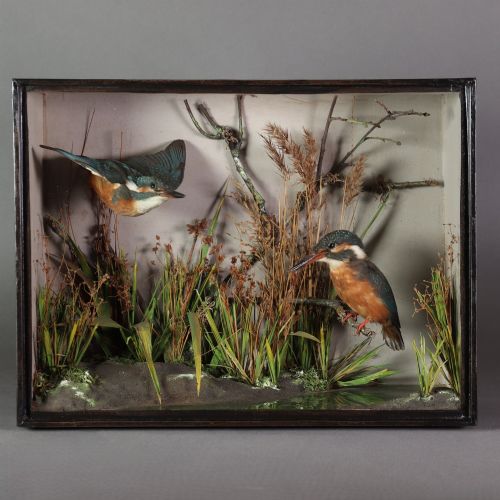


Cased Taxidermy Mount
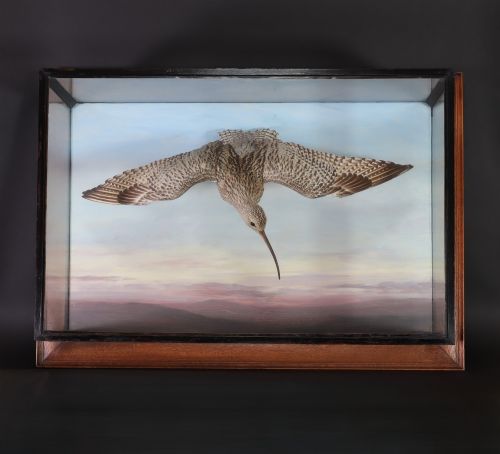
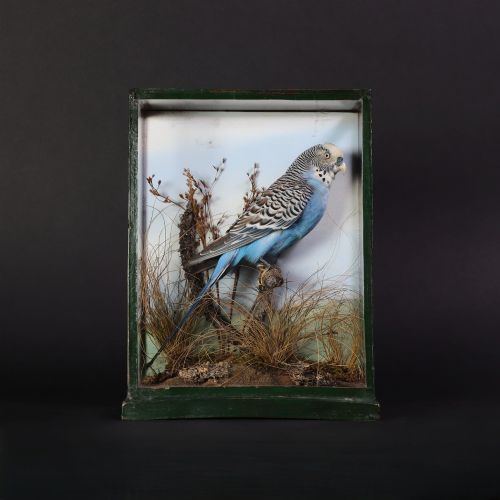
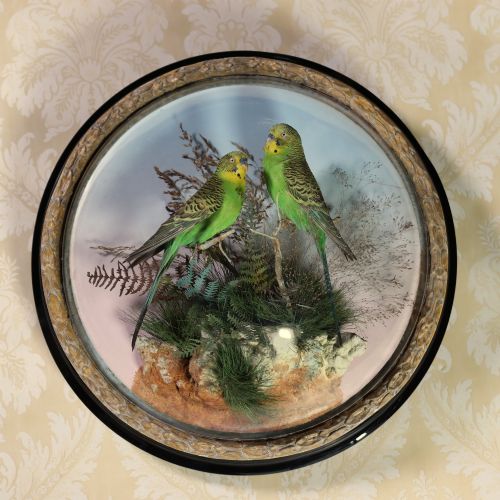
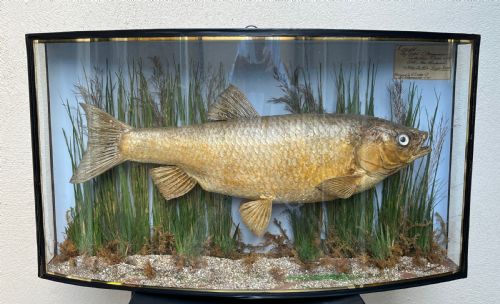
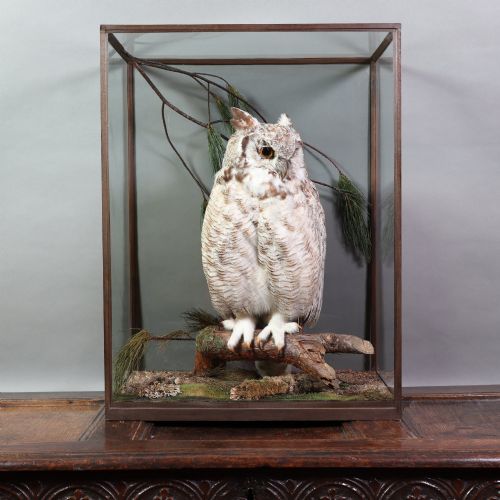
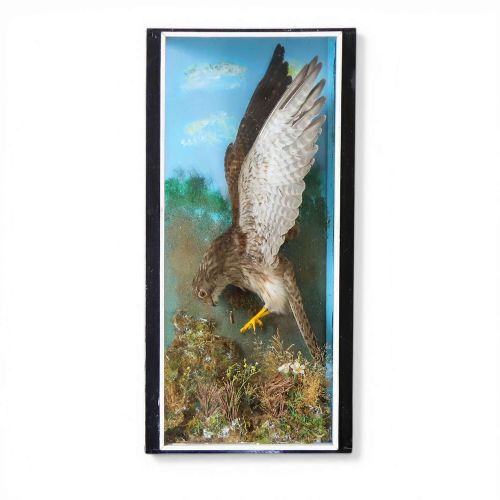
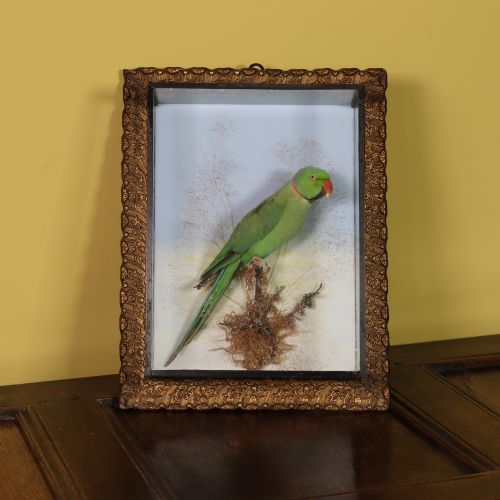
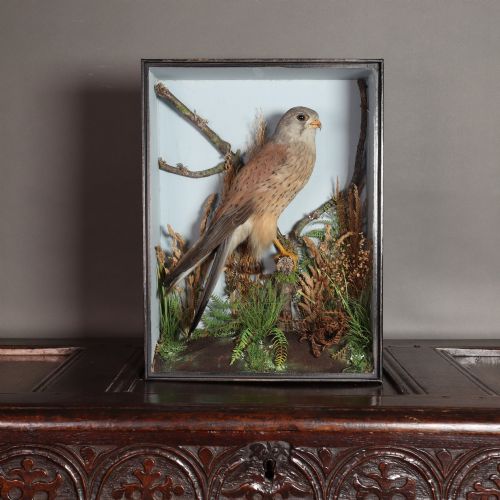
A cased taxidermy mount is a preserved animal specimen enclosed within glass and wood, bringing natural history straight into the home.
Cased Taxidermy Mount
A cased taxidermy mount brings together preserved biological specimens and protective enclosures to create lasting interior displays. When exploring this phrase, buyers encounter various formats ranging from single bird specimens to multi-species dioramas.
The objects appearing across these listings span from the Victorian era into the early twentieth century. Common configurations include rectangular wooden display cases, picture frame cases, and glass domes protecting fish, birds, and mammals.
Compositions often feature simulated natural habitats utilising painted backdrops, moss, paper, and branches. These historical pieces reflect the Victorian and Edwardian fascination with natural history and sporting pursuits.
Materials and construction
Makers constructed these enclosures primarily using timber and glass to protect fragile biological specimens from dust and humidity. Oak and painted wood feature heavily in the frames and outer boxes.
Internal settings incorporate preserved natural specimens alongside artificial elements like painted paper backgrounds and real moss. Taxidermists mounted birds, fish, and mammals over rigid armatures to maintain lifelike postures within the sealed environments.
Cased Taxidermy Mount Retail Price Guide 2026
Typical asking prices for cased taxidermy mount among the pieces listed under this phrase on Sellingantiques today, from the lower quarter to the upper quarter. They describe what is for sale here now, not the wider market.
Listings feature specimens from the nineteenth and early twentieth centuries, including fish, birds, and mammals housed in glass and wood.
Assessing quality and craftsmanship
Quality rests heavily on the skill of the taxidermist in rendering anatomical accuracy and natural posture. Master practitioners maintain realistic feather and fur condition while avoiding stiffness in the mounted animal.
The complexity of the interior composition separates standard work from superior examples. Dioramas featuring detailed painted backdrops, multiple specimens, and convincing natural groundwork command greater attention than basic single-specimen boxes.
Little & Co·J Griffiths of Burford·Rowland Ward Ltd·T. E. Gunn·William Bazeley & Sons·Hutchings of Aberystwyth·James Jones of London·J Cooper & Sons·James Gardner·W.F. Homer London·J Dobson·Mountney of Cardiff
The Cased Taxidermy Mount Glossary
- Diorama
- A three-dimensional scene depicting wildlife within a simulated natural habitat. These settings often include painted backgrounds and botanical elements behind glass.
- Dome
- A curved glass cover resting on a wooden or plinth base to enclose a specimen. This form provides a clear view from all angles.
- Full mount
- A taxidermy preparation representing the entire animal rather than just the head or partial skin. These pieces require substantial skill to balance natural anatomy.
- Specimen
- An individual animal preserved for scientific or decorative display. These biological subjects form the central focus of every case.
Cased Taxidermy Mount: Frequently Asked Questions
Where should I place these pieces at home?
Position cases away from direct sunlight and strong heat sources to prevent fading of feathers, fur, and painted backgrounds. Stable indoor temperatures help protect the historical wood and glass.
Ensure the display surface is sturdy and level, as many older wooden cases and glass domes carry significant weight. Wall-mounted picture frame cases require secure fixings.
How can I tell the Victorian pieces apart?
Victorian examples often feature heavy dark wood framing, detailed interior groundwork with real moss, and elaborate painted backdrops. Their labels and construction methods typically align with nineteenth-century workshops.
Later pieces from the early twentieth century sometimes adopt simpler oak frames or lighter painted finishes while retaining traditional taxidermy mounting techniques.
What is the difference between a dome and a box?
A dome consists of a blown glass cover resting over a flat wooden base, allowing unobstructed views from every lateral angle. These usually protect upright compositions like standing birds.
A box or rectangular case provides rigid wooden sides with a glass front window, often incorporating a painted background for a diorama effect. These suit aquatic scenes and multi-bird displays.