
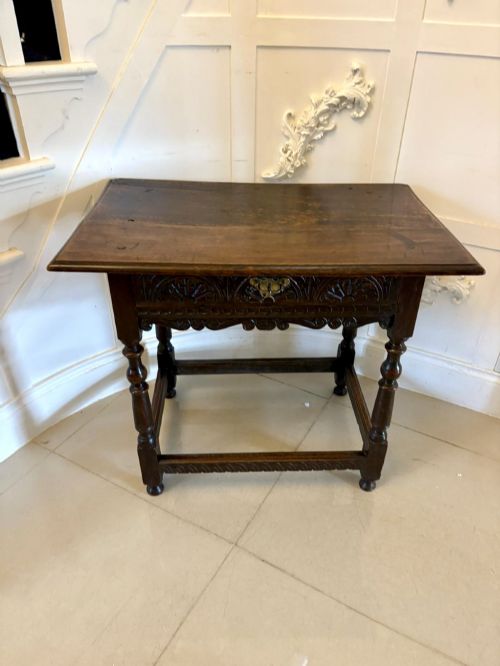
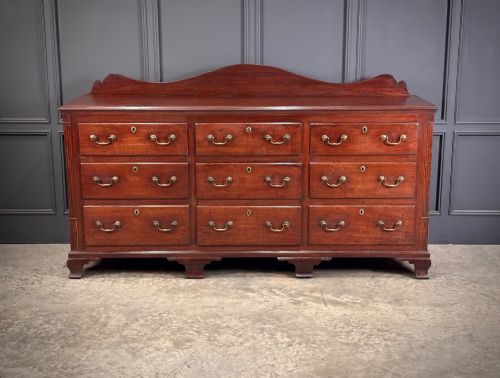
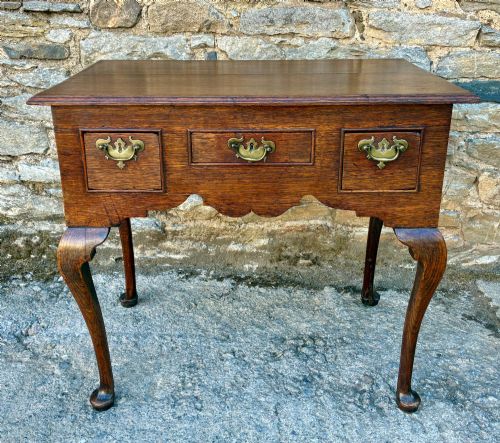
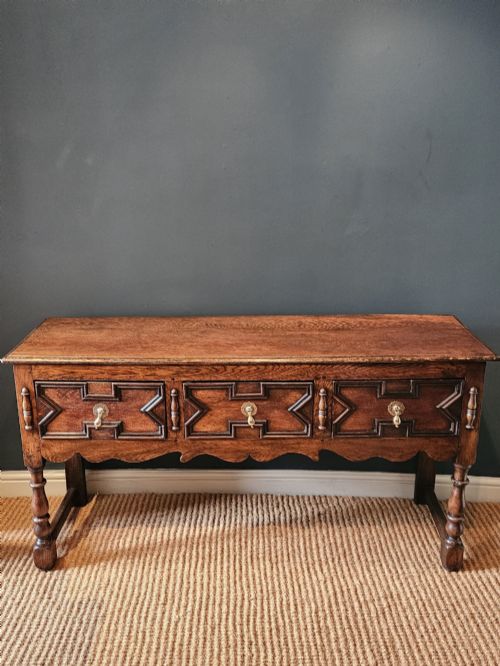


Carved Wooden Lowboy
A carved wooden lowboy offers compact table storage, combining understated period joinery with practical proportions that suit any room.
Carved Wooden Lowboy
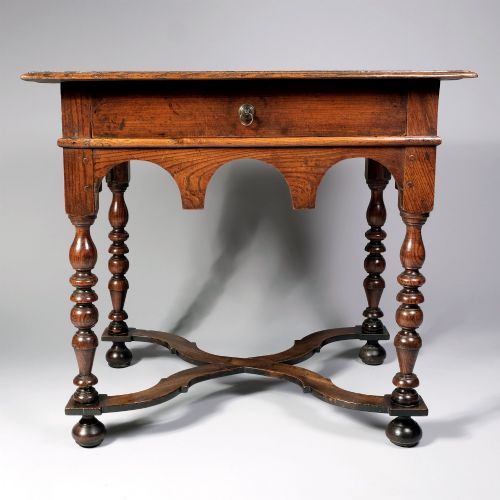
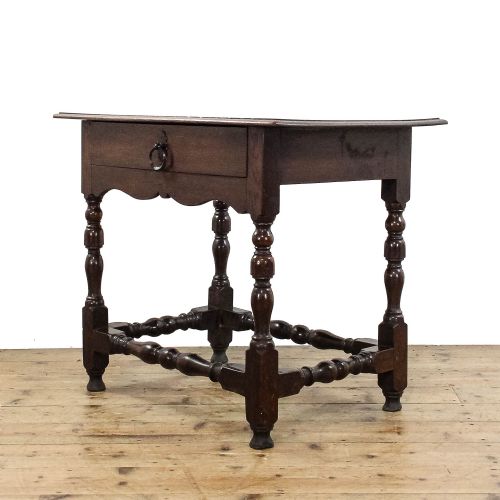
When you search for a carved wooden lowboy, you encounter low tables featuring drawers, designed primarily for dressing or serving during earlier centuries. The pieces available here span several distinct periods, most notably the Georgian era and the eighteenth century, alongside later revivals.
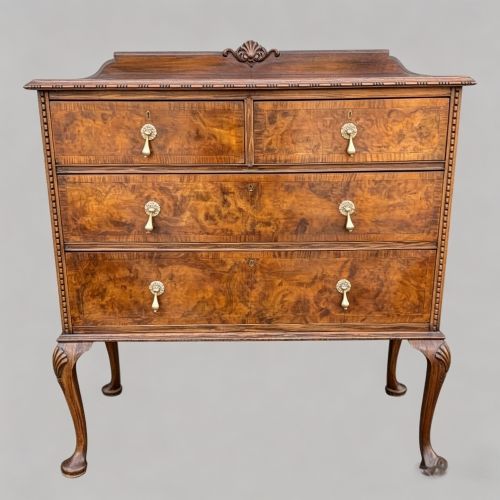
The version you are most likely to meet on this page is constructed from oak, walnut, or mahogany, often resting on cabriole legs. These low tables frequently appear alongside related forms such as dresser bases and side tables.
Originating in domestic interiors as functional surface furniture, these lowboys display various regional traits, from Lancashire country house examples to refined urban iterations.
How they were made
Joiners and cabinetmakers utilised solid hardwoods such as oak, mahogany, walnut, fruitwood, elm, and burr walnut for the primary structures and surfaces. Drawer linings and secondary woods frequently match the regional availability of timber during the seventeenth, eighteenth, and nineteenth centuries.
Construction techniques combine traditional frame and panel work with dovetail joinery for the drawers. Surface ornamentation includes geometric mouldings, carved details on cabriole legs, and brass hardware such as handles and escutcheons.
Several lowboys disguise their generous serving capacities behind polite, modest skirts and delicately curved knees.
What varies in quality
The degree of refinement in the carving and timber selection distinguishes individual examples. Figures in the grain, particularly on burr walnut or figured mahogany surfaces, elevate the visual presence of a piece.
Proportion and structural integrity define the higher tiers of surviving examples. Retaining original brass fittings, unaltered timber patination, and crisply executed leg carvings separates superior workshop output from simpler vernacular items.
Shoolbred and Co·Muirhead Moffat and Co
The Carved Wooden Lowboy Glossary
- Lowboy
- A small table with one or more drawers, standing on relatively short legs. They served various domestic functions from the seventeenth century onwards.
- Cabriole leg
- A furniture leg that curves out and then in, resembling the leg of an animal. This form became prominent during the Queen Anne and Georgian periods.
- Dresser base
- The lower section of a kitchen or dining room dresser, equipped with cupboards or drawers. These pieces share similar proportions and construction methods with large lowboys.
- Escutcheon
- A protective plate surrounding a keyhole. On these tables, they are typically cast from brass.
- Geometric moulding
- Applied wooden strips forming rectilinear patterns on drawer fronts or panels. This detail is characteristic of seventeenth-century joinery.
Carved Wooden Lowboy: Frequently Asked Questions
What is a lowboy used for?
Historically, these low tables functioned as dressing tables or side tables for serving food and holding small household items. Their compact height allowed them to fit beneath mirrors or within bedchambers.
Today, they serve well as hallway console tables or compact desks, providing surface space and discreet drawer storage without dominating a room.
How do I date an oak lowboy?
Dating relies on examining construction methods, timber choice, and stylistic details such as leg shapes and moulding profiles. Seventeenth-century examples often display geometric mouldings and elm or oak construction.
Eighteenth-century pieces frequently incorporate cabriole legs and walnut or mahogany veneers, while later revival pieces from the Victorian and Edwardian eras emulate these earlier styles using period-appropriate machinery.
What is the difference between a lowboy and a dresser base?
A lowboy is typically smaller and designed as a standalone table with a shallow bank of drawers beneath the surface. Dresser bases are generally longer and heavier, originally built to support plate racks in domestic kitchens.
Both forms utilise similar timbers like oak and fruitwood, but their historical placement within the house and their intended storage capacity differ.
How should I care for a walnut surface?
Maintain walnut furniture by keeping it away from direct heat sources and fluctuating humidity, which can cause timber to split or veneers to lift. Dust gently with a dry cloth and apply occasional specialist wax to preserve the finish.
Avoid placing damp items directly onto the antique wood to protect the historic patination and polish.