



Carved Wooden Hope Chest
A carved wooden hope chest is a traditional storage piece built for household linen and personal treasures, offering both utility and historical character.
Carved Wooden Hope Chest
When searching for a carved wooden hope chest, buyers encounter a diverse selection of heavy storage furniture spanning multiple centuries and global origins. These pieces function as blankets boxes, dowry trunks, and coffers, designed historically to hold textiles and valuables.
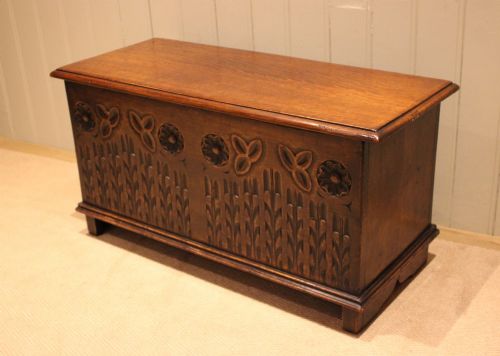
The versions most frequently met on this page include sturdy oak examples from the seventeenth century alongside nineteenth-century camphor wood trunks and teak dowry chests. Makers from various traditions utilised local timbers and distinct carving styles to ornament these utilitarian receptacles.
From regional English oak coffers to Chinese export camphor wood boxes, each piece reflects the specific domestic needs and decorative tastes of its period. Buyers often select them to anchor a bedroom or hallway while providing practical concealed storage.
How they were made
Traditional construction relies heavily on solid timbers such as oak, teak, and camphor wood, often joined with sturdy framing techniques suited to heavy domestic use. Carpenters shaped panels using hand tools, frequently applying deep relief carving directly into the wood surface to create elaborate floral or geometric motifs.
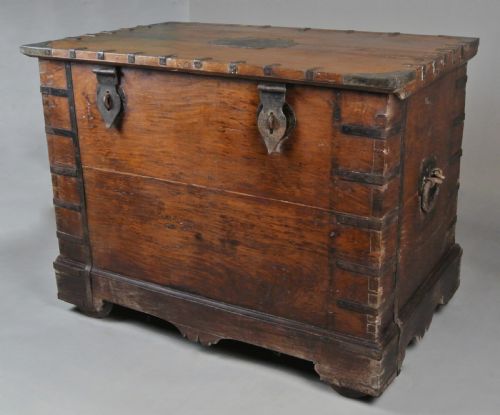
Many examples incorporate metal reinforcement through iron bands, brass strapping, or studded decoration to secure the corners and lids during transit or daily use. Interior elements occasionally feature lead linings or smaller till compartments for organising smaller personal items.
Camphor wood trunks smell persistently of mothballs after a century, instantly announcing their presence before you even round the corner.
What varies in quality
Quality in these chests is largely determined by the crispness and depth of the original wood carving, alongside the structural integrity of the timber panels and joints. Pieces retaining their original brass or iron hardware and working locks command greater interest from collectors.
The choice of material also dictates distinction, with dense tropical hardwoods like camphor and teak sitting alongside native English oak and pine. Preservation of the original surface patina, whether polished oak or painted blanket decoration, distinguishes superior examples from heavily restored or later altered pieces.
The Carved Wooden Hope Chest Glossary
- Coffer
- A heavy wooden box with a lid, traditionally used for storing valuables and documents. These pieces often feature pegged joinery and carved front panels.
- Dowry chest
- A storage box prepared for a bride to hold household linen and personal possessions prior to marriage. They frequently display elaborate regional carving or decorative metalwork.
- Camphor wood
- An aromatic timber utilised extensively for trunks and storage boxes due to its natural insect-repellent properties. It often exhibits a distinct grain and pleasant scent.
- Sarcophagus
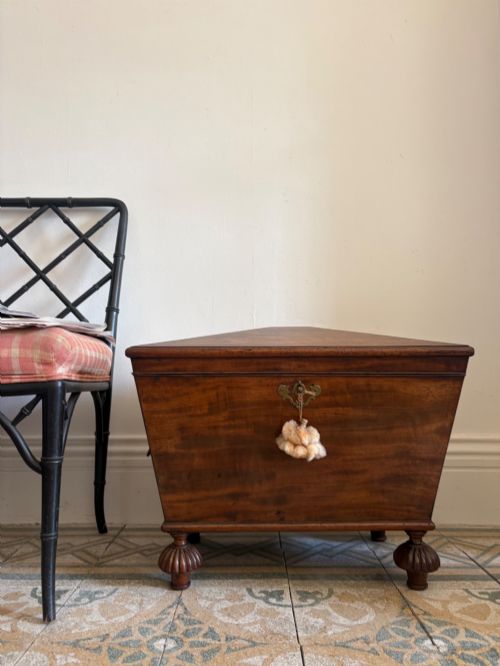
- A monumental chest form with a sloping or domed lid, popular during the Regency period for cellarettes and storage. These designs emulate ancient stone monuments.
- Till
- A small lidded compartment built into the interior of a chest for securing small valuables. This feature allowed owners to separate coins or trinkets from bulk textiles.
Carved Wooden Hope Chest: Frequently Asked Questions
What is a hope chest used for?
Historically, families utilised these chests to accumulate household linen, blankets, and garments in preparation for marriage. Households also relied on them for secure general storage in an era before fitted wardrobes.
Today, owners typically place them at the foot of a bed or in living spaces to hold spare bedding while displaying traditional craftsmanship.
How old is my wooden chest?
Determining age requires examining the construction marks, timber types, and joinery methods visible on the interior and underside. Seventeenth-century examples often feature hand-split oak panels and pegged frames, whereas nineteenth-century pieces display machine-sawn elements and exotic woods.
Stylistic clues such as Jacoval relief carving or Arts and Crafts limed finishes also help narrow the period of manufacture.
How do I care for antique camphor wood?
Camphor wood benefits from gentle dusting with a dry cloth and protection from direct sunlight to preserve the natural timber tone. Avoid applying modern liquid polishes that can damage the aromatic surface.
Maintaining stable room humidity prevents the solid wood from shrinking or splitting over time.
What is a Zanzibar chest?
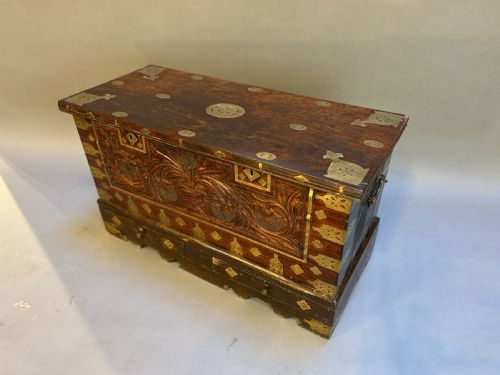
A Zanzibar chest is a specific style of hardwood trunk originating from East Africa and influenced by Indian and Portuguese trade routes. These pieces are typically constructed from heavy timber with distinctive brass studding and strapwork.
Traders and merchants utilised them to transport valuable goods across maritime routes.