


Asian Carved Wooden Coffer
These robust pieces deliver practical storage wrapped in traditional artistry.
Asian Carved Wooden Coffer
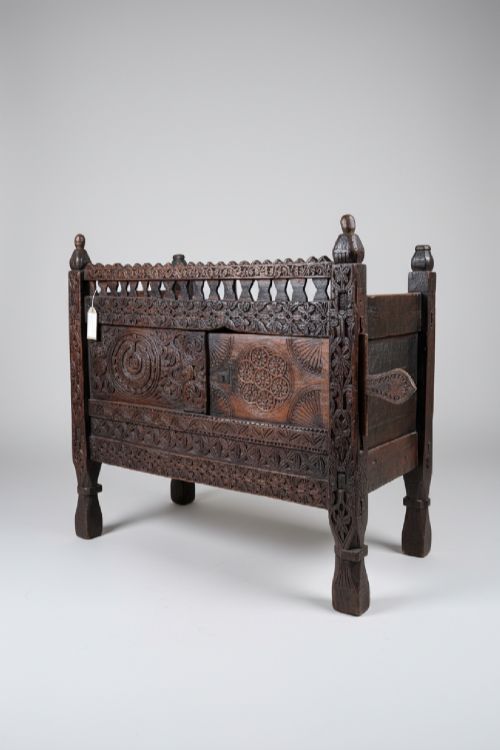
When you search for an asian carved wooden coffer, you are looking at solid storage chests and trunks designed to safeguard textiles and valuables. These items span from the seventeenth century through to the early decades of the twentieth century.
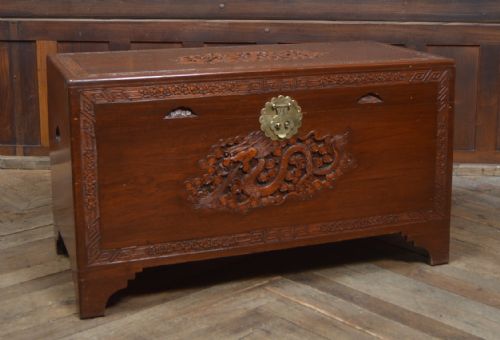
The versions most commonly met on this page include nineteenth-century camphor wood blanket boxes and chests featuring deep relief carvings. Alongside these, you will find regional variants such as Swat Valley folk art pieces and Chinese export trunks.
How They Were Made
Makers utilised resilient regional timbers, primarily selecting aromatic camphor wood, dense elm, and various hardwoods to construct these sturdy receptacles. These natural materials provided both structural stability and protection against pests.
Surface decoration relies heavily on hand carving, creating deep relief panels depicting traditional motifs and figurative scenes. Selected examples incorporate brass fittings, lacquer finishes, or structural elements derived from specific provincial styles.
Trunks built from camphor wood retain their distinct herbal aroma across the centuries to deter unwelcome insects.
What Varies in Quality
The depth and crispness of the hand carving separate simpler items from the finest examples. Superior pieces display sharply defined relief work with careful attention to detail across every decorated panel.
Construction methods and timber selection also differentiate the range. Solid joinery using seasoned hardwoods or aromatic camphor wood creates heavier, more enduring structures compared to lighter utility builds.
The Asian Carved Wooden Coffer Glossary
- Camphor Wood
- An aromatic timber frequently utilised for storage chests due to its natural insect-repellent properties. This wood often exhibits a distinct grain and pleasant scent.
- Blanket Box
- A large rectangular chest traditionally employed for storing household textiles, bedding, and garments. These forms usually feature a hinged lid and deep internal storage.
- Qing Dynasty
- The final imperial dynasty of China, spanning from the seventeenth to the early twentieth century. Objects from this era often influence traditional Chinese export designs.
- Relief Carving
- A sculptural technique where figures or patterns project from a flat background surface. This method defines the decorative panels found on many oriental chests.
- Altar Table
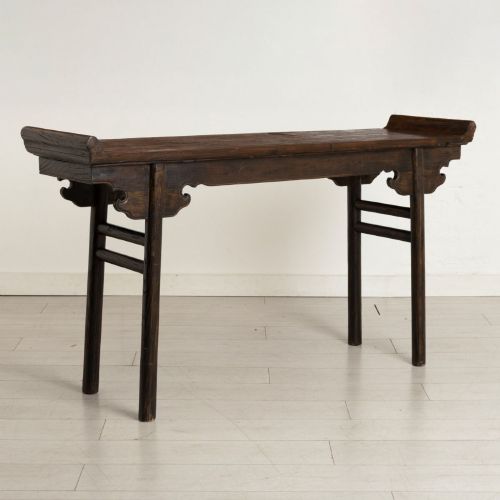
- A long, narrow table form traditionally used in domestic or ceremonial settings. These tables often share stylistic similarities with contemporaneous storage furniture.
Asian Carved Wooden Coffer: Frequently Asked Questions
What were these chests used for?
These vessels were primarily built to store valuable garments, blankets, and household textiles safely away from dust and dampness. The natural properties of camphor wood made them especially suitable for protecting delicate fabrics.
Over time, they also served as dowry chests or travel luggage for families moving belongings across regions. Their robust construction ensured contents remained secure during transit.
How do I date an antique wooden coffer?
Dating relies on examining the timber species, construction joints, and stylistic motifs present on the piece. Nineteenth-century examples often display specific regional carving patterns associated with Chinese export or folk art traditions.
Earlier pieces from the seventeenth century show different joinery techniques and simpler structural profiles. Comparing hardware like brass hinges and lock plates provides further chronological clues.
Where should I place a chest at home?
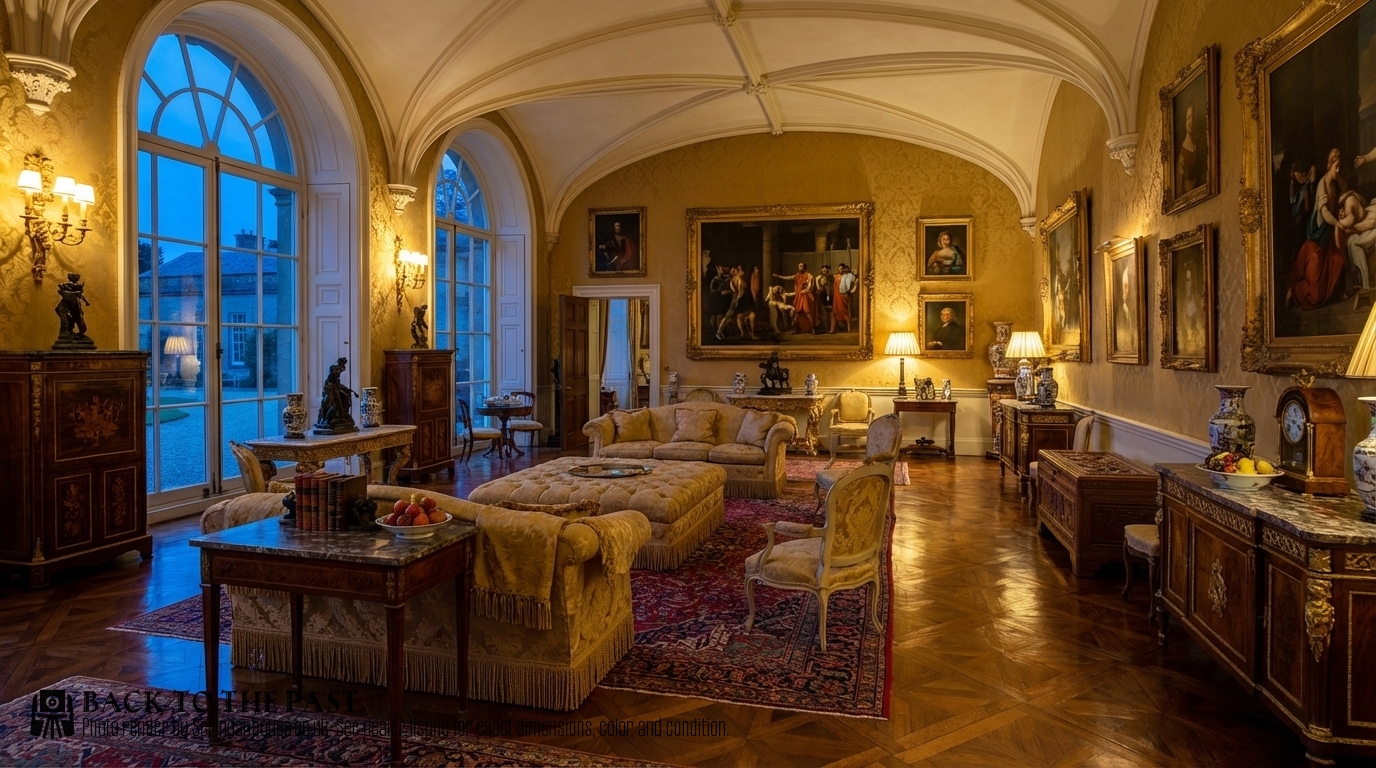
These versatile trunks fit well at the foot of a bed or along a hallway wall to provide discreet storage. Their flat lids allow them to function temporarily as display surfaces for decorative objects.
Keep them away from direct heat sources and strong sunlight to protect the natural timber and carved surfaces. Adequate airflow around the piece helps maintain the condition of the wood.