


Carved Wooden Hearth Screen
A carved wooden hearth screen is a traditional domestic accessory that deflects fireplace heat and softens a room, and collectors prize these functional pieces for their craftsmanship.
Carved Wooden Hearth Screen
A carved wooden hearth screen serves as both a practical barrier against excess fireplace heat and a decorative focal point within a room. When searching for a carved wooden hearth screen, buyers encounter various forms designed to stand near the mantelpiece.
The selections available range widely in origin and period, spanning Georgian, Victorian, and early twentieth-century examples. Common formats include freestanding floor models and smaller table screens constructed from robust timbers.
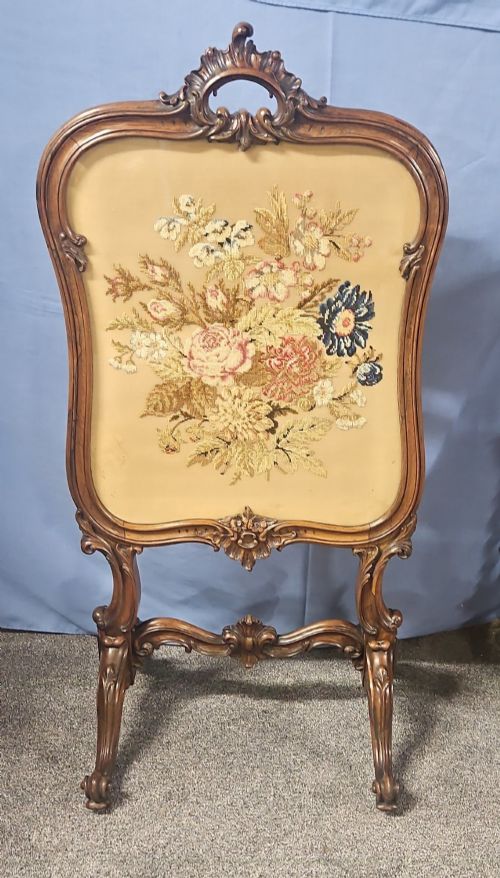
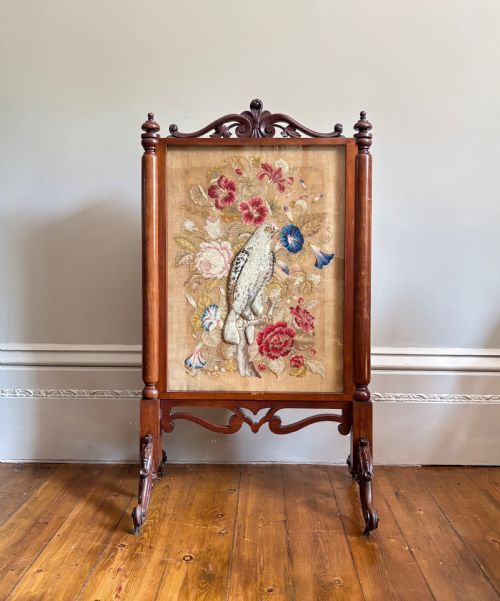
Many of these furnishings incorporate decorative central panels made from textiles, needlepoint, tapestry, or glass. The framework itself showcases traditional carving techniques executed in substantial hardwoods.
Materials and Construction
Makers relied primarily on dense hardwoods such as walnut, mahogany, oak, and Chinese hardwood to build stable frames capable of withstanding proximity to heat. These timbers received detailed hand-carved ornamentation typical of their respective periods, ranging from Rococo Revival curves to Black Forest motifs.
The internal panels required entirely different material combinations, frequently utilising wool, canvas, and textile needlework or Berlin wool work. Some more elaborate iterations integrated etched glass, bronze fittings, and adjustable doors into the wooden armature.
Judging Quality and Execution
The distinction between standard examples and superior pieces rests heavily on the depth and precision of the wood carving. Crisp, fluid lines in walnut or oak indicate a higher level of artisan skill than softer, mechanical mouldings.
The condition and complexity of the insert panel also dictate overall merit. Finely executed needlepoint, tapestries, or undamaged etched glass set within robust, well-proportioned frames command greater appreciation among collectors.
The Carved Wooden Hearth Screen Glossary
- Berlin work
- A popular type of nineteenth-century needlework stitched on canvas using coloured wools from charted patterns. It frequently forms the pictorial panel within Victorian fire screens.
- Needlepoint
- A form of canvas work embroidered with yarn using various count stitches. This technique creates the durable decorative images seen on numerous antique screen inserts.
- Rococo Revival
- A nineteenth-century design style characterised by ornate scrolls, asymmetrical curves, and naturalistic floral motifs. This aesthetic heavily influences the carved frames of many Victorian screens.
- Black Forest
- A nineteenth-century carving style originating in Switzerland and Germany known for highly realistic representations of animals and foliage. Pieces in this tradition display exceptionally deep relief work on dark wood.
- Baronial
- A descriptive term applied to heavy, imposing furniture styles reminiscent of large country estates. These items often feature dark oak or walnut and bold architectural carvings.
Carved Wooden Hearth Screen: Frequently Asked Questions
What is a hearth screen?
A hearth screen is a moveable wooden barrier placed in front of an open fireplace to block excessive radiant heat and conceal an unlit grate during warmer months.
Historically, they protected individuals from the intense glare of coal or wood fires while adding an ornamental element to the parlour or drawing room.
How do I date a wooden screen?
Dating relies on examining the timber species, joinery methods, and decorative carving styles present on the frame. Comparing the motifs to known periods like the Georgian or Victorian eras provides a reliable timeframe.
The materials used in any accompanying textile panel or glass insert also offer strong clues regarding the decade of manufacture.
Where should I place my screen?
These screens sit directly on the floor or a tabletop a short distance from the fireplace mantle. They function best where their decorative panels can be appreciated while fulfilling their original purpose of tempering radiant heat.
Placement should avoid areas of excessive moisture or direct, harsh sunlight to protect the fragile wooden framework and textiles.
Are the needlework panels original?
Many surviving screens retain their original nineteenth-century needlepoint, Berlin work, or tapestry inserts secured within the wooden frame. Careful inspection of the fabric tension, backing, and mounting can help determine if the textile matches the age of the structure.
Over the decades, some pieces received replacement panels when the original upholstery wore down from exposure to the elements.