

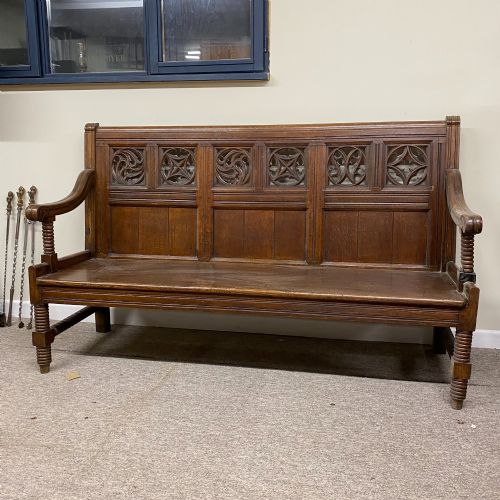

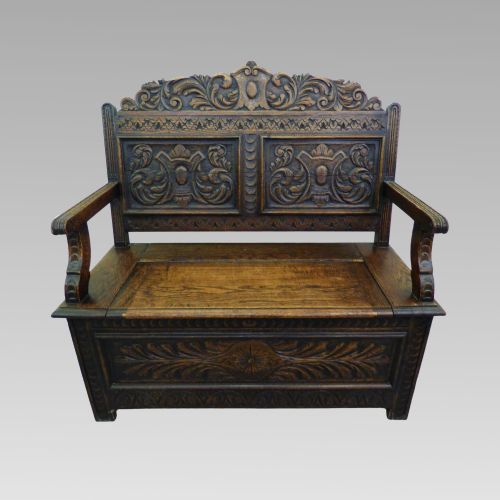

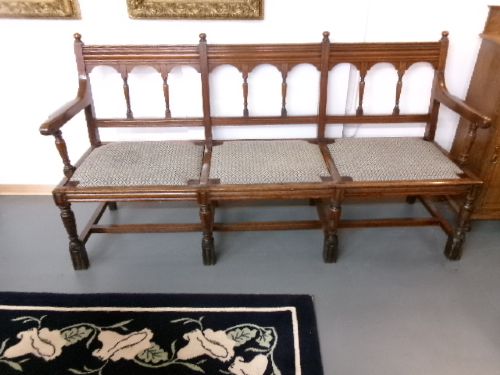
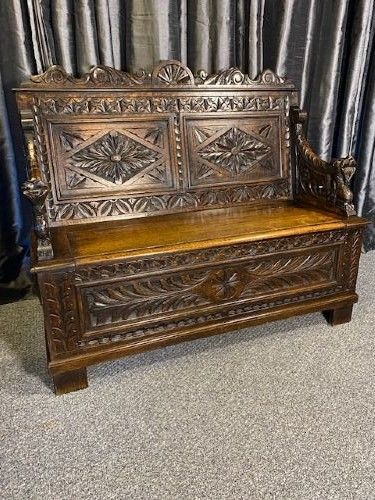
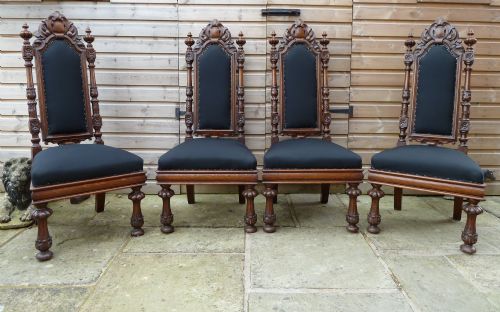
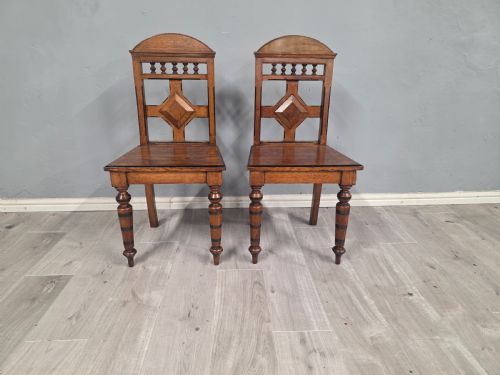
Carved Wooden Hall Seat
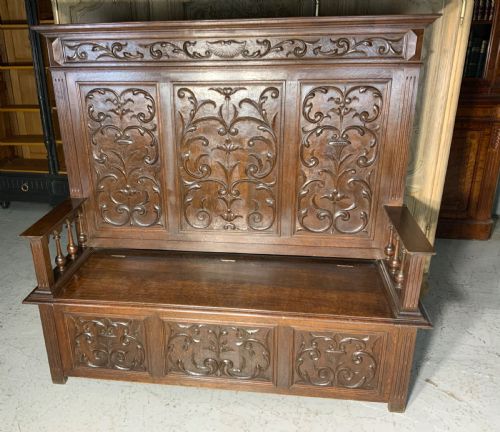
A carved wooden hall seat meets the immediate need for a robust entrance passage perch with character.
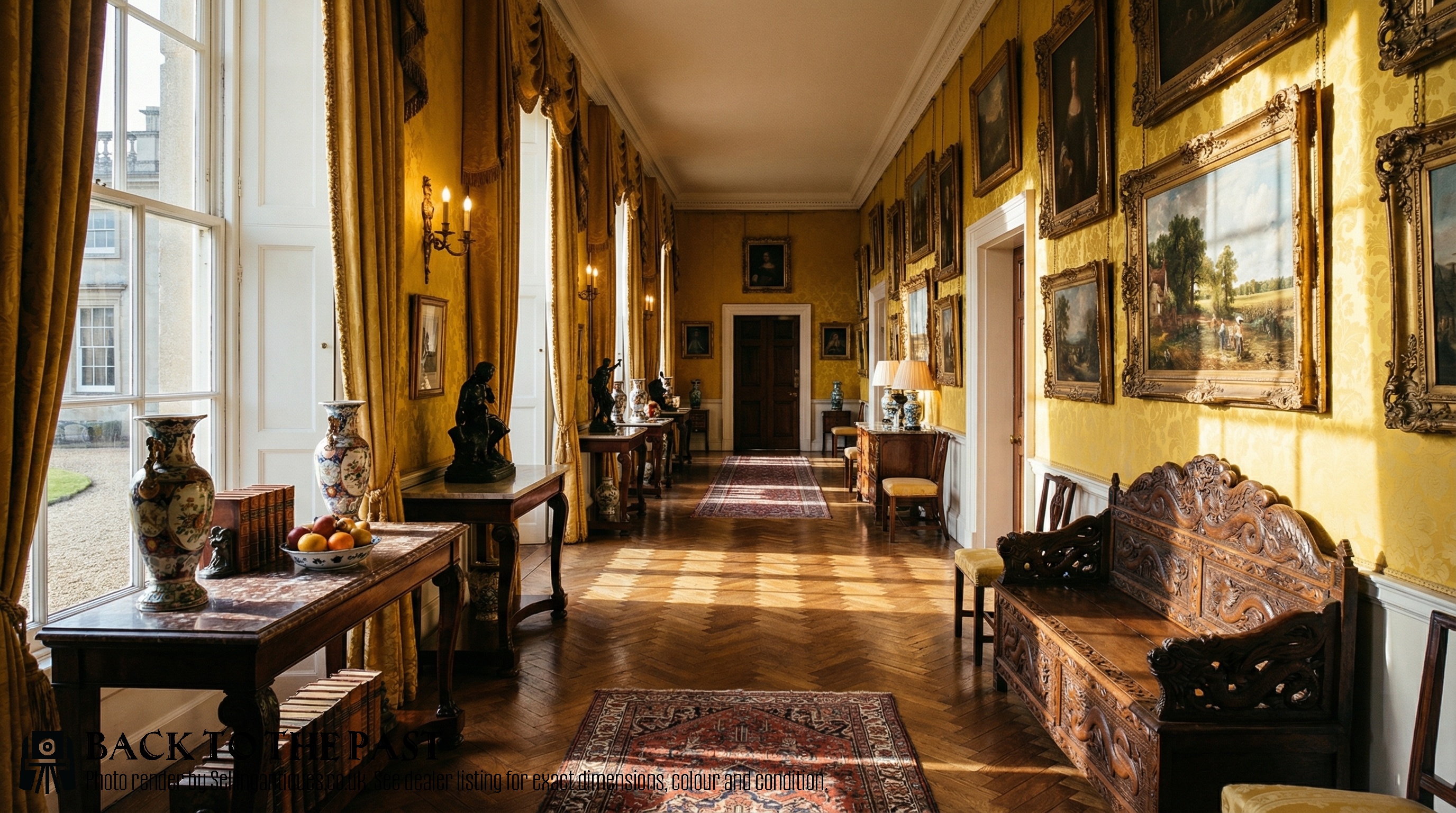
Carved Wooden Hall Seat
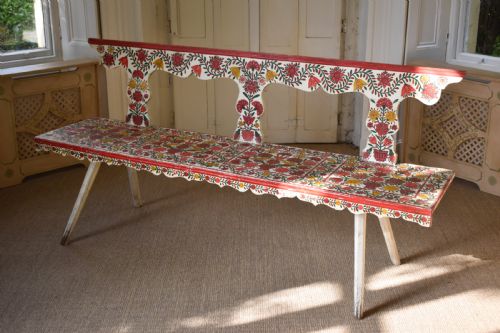
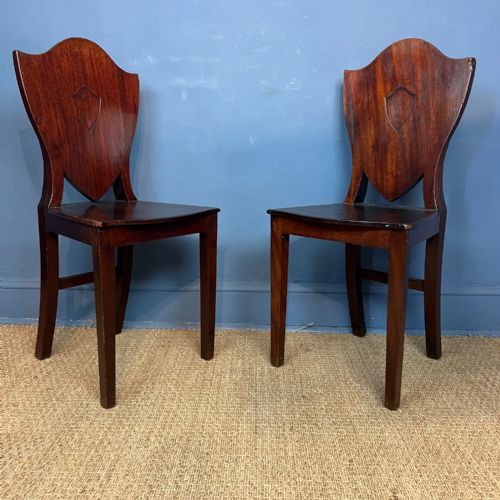
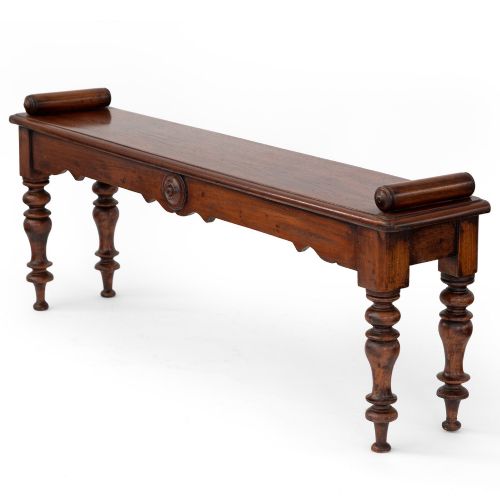
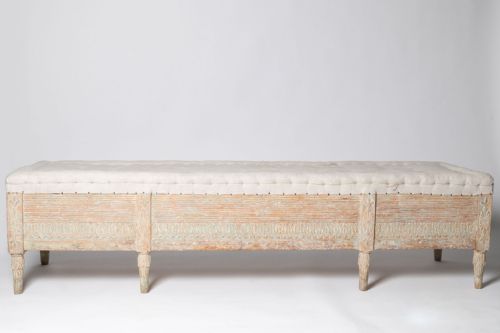
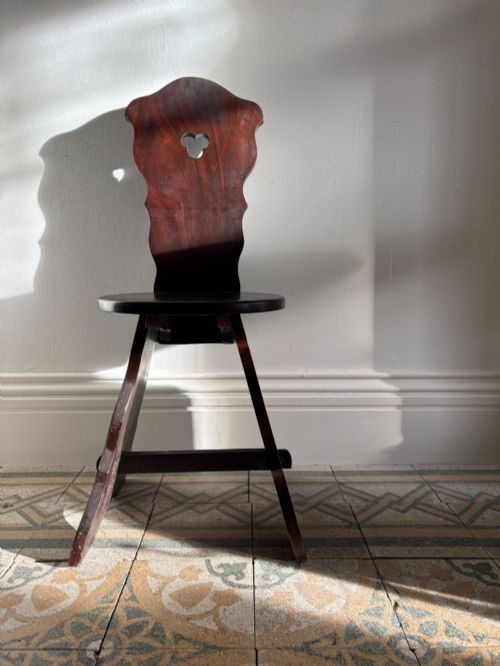
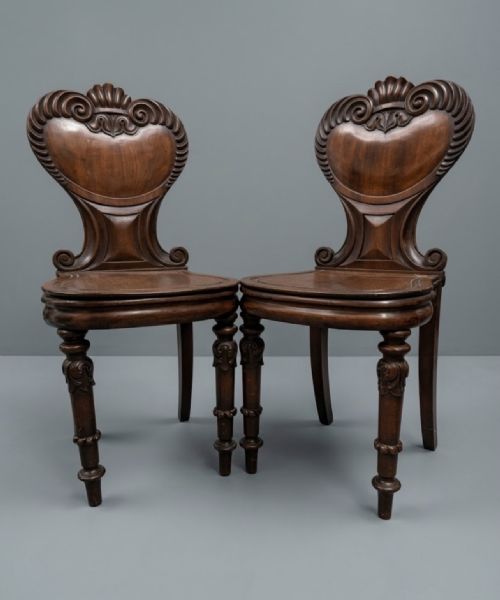
A carved wooden hall seat serves as sturdy entrance furniture designed for practicality and display in hallways and vestibules. The pieces found here span the eighteenth century, the Victorian era, and nineteen hundred, representing both English and Chinese traditions.
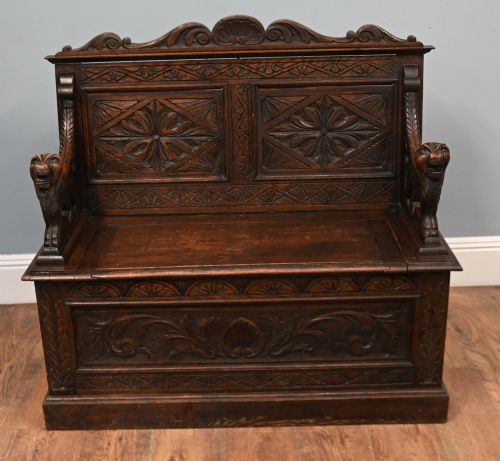
The forms on offer range from single hall chairs to box settles, monks benches, corner benches, and long hall benches. Oak and hardwood form the primary structural timbers, often enhanced by carved details, lacquer, and pigment.
English country and Gothic revival aesthetics appear alongside Chinese export and traditional styles. Buyers frequently encounter nineteenth century examples, with occasional earlier pieces from the eighteenth century.
Materials and construction
Carpenters utilised oak and diverse hardwoods to build these heavy benches and chairs, incorporating iron for structural reinforcement where necessary. Surfaces display hand carving, while specific Asian examples feature layers of lacquer and pigment.
Joinery methods reflect the period of manufacture, from early boarded box construction on settles to pegged frames on Victorian and nineteenth century chairs. Wood selection dictated the depth and crispness achievable in the carved decoration.
Carved Wooden Hall Seat Retail Price Guide 2026
Typical asking prices for carved wooden hall seat among the pieces listed under this phrase on Sellingantiques today, from the lower quarter to the upper quarter. They describe what is for sale here now, not the wider market.
Some settles double as tables, proving that historical ancestors loved clever multi-functional furniture just as much as we do.
Judging quality and merit
Quality rests in the depth and execution of the carved ornament, separating standard utilitarian seating from pieces commissioned for grander spaces. Crisp lines in oak or refined application of lacquer on Chinese pieces indicate superior workshop skill.
Proportion and material selection dictate overall success, as heavier hardwoods and well-figured oak hold detail better over centuries of use. The integrity of the timber grain and the harmony of the style define the upper tier.
The Carved Wooden Hall Seat Glossary
- Settle
- A wooden bench with a high back, solid arms, and often a box base beneath the seat for storage. This form kept draughts away from the user in cold hallways.
- Monks bench
- A convertible piece of furniture functioning as a table and a seat with a pivoting back. It suits compact entrance spaces.
- Box settle
- A heavy seat featuring a hinged lid forming a chest beneath the sitter. Early eighteenth century examples often utilise this practical storage design.
- Gothic Revival
- A nineteenth century design style drawing on medieval architectural motifs such as tracery and pointed arches. It appears frequently on Victorian oak seating.
Carved Wooden Hall Seat: Frequently Asked Questions
Where should I place a hall seat?
These pieces suit entrance halls, corridors, and large landings where sturdy seating and visual impact matter.
They provide a practical spot for putting on shoes while establishing a distinct style upon entering the home.
How do I care for antique wood?
Keep wooden seats away from direct heat sources and sudden temperature shifts to prevent timber splitting.
Apply natural beeswax occasionally to nourish the surface and maintain a soft sheen on the grain.
What is a box settle?
A box settle incorporates a hidden storage compartment beneath the seat accessed by lifting the lid.
This design offered practical utility for storing boots and blankets in historical domestic entryways.
How do I date an oak bench?
Examine the joinery methods, tool marks, and overall wear patterns visible across the timber frame.
Eighteenth century pieces show different construction traits compared to Victorian revivals or nineteenth century examples.