



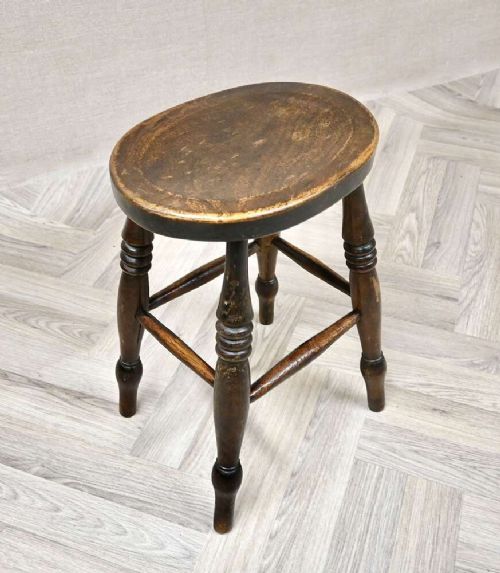
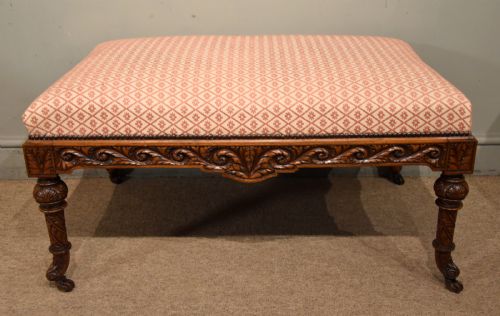
Carved Wooden Footstool
A carved wooden footstool grounds a room with timber character and practical height, carrying centuries of seating design from oak joint forms to rosewood dressing seats.
Carved Wooden Footstool
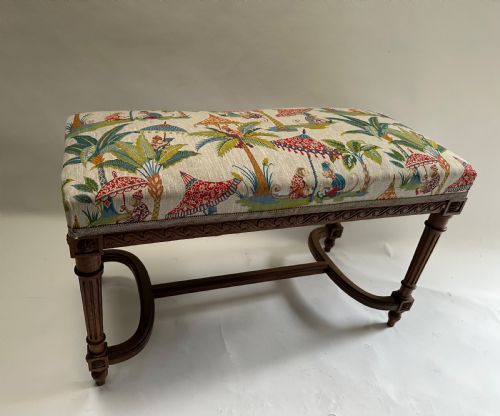
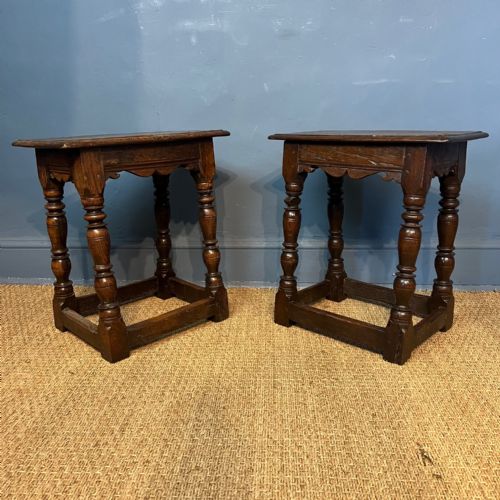
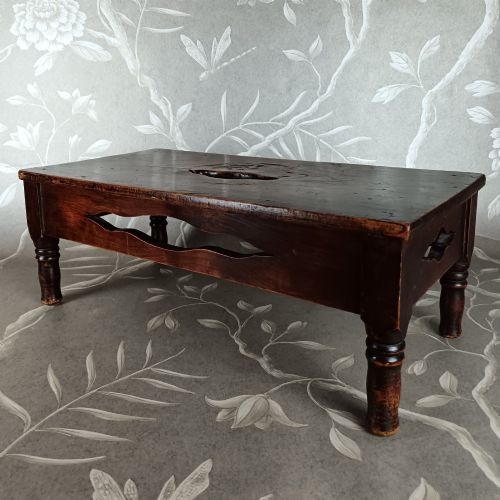
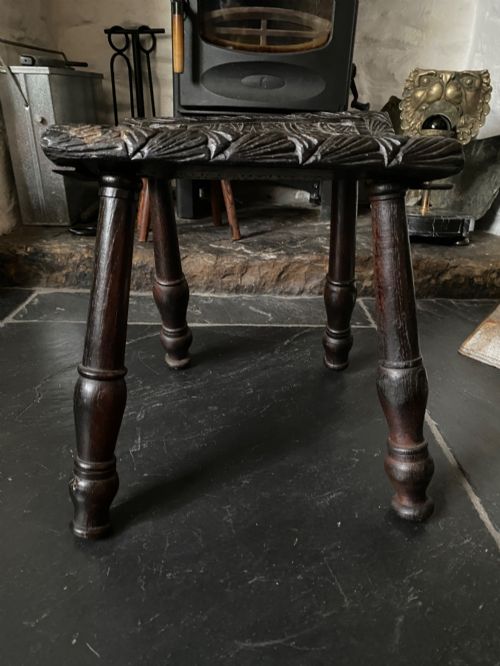
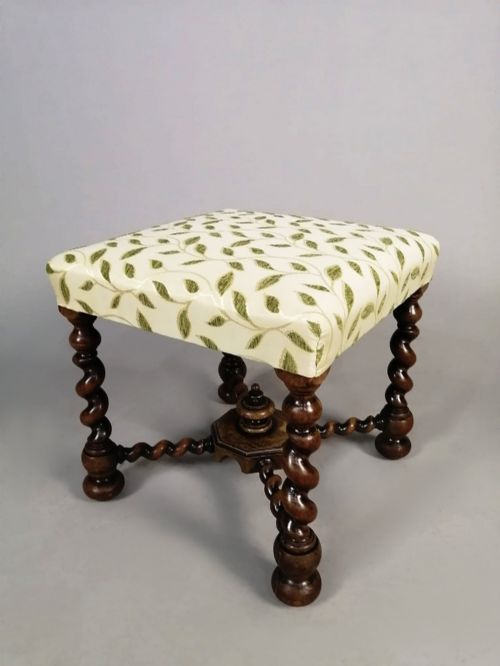
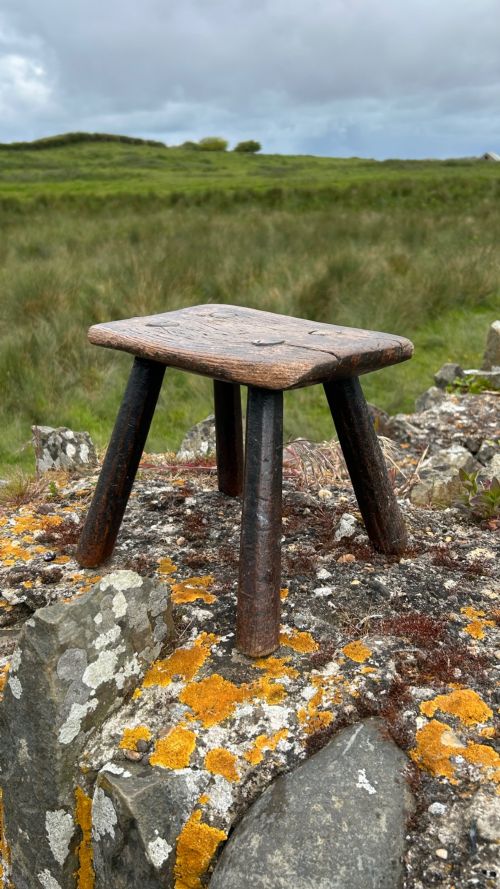
When you search for a carved wooden footstool, you encounter a lineage of low seating spanning the seventeenth century through to the early twentieth century. These pieces encompass dressing stools, hearth stools, and joint stools shaped from solid timbers with varied decorative carving.
The selections here most frequently manifest as Victorian and nineteenth-century examples alongside eighteenth-century Georgian and earlier periods. Walnut, oak, and mahogany form the structural backbone of these low seats, often paired with textile upholstery.
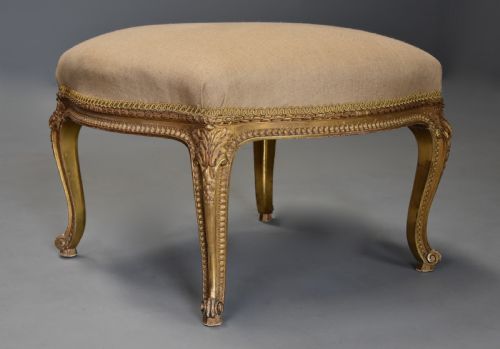
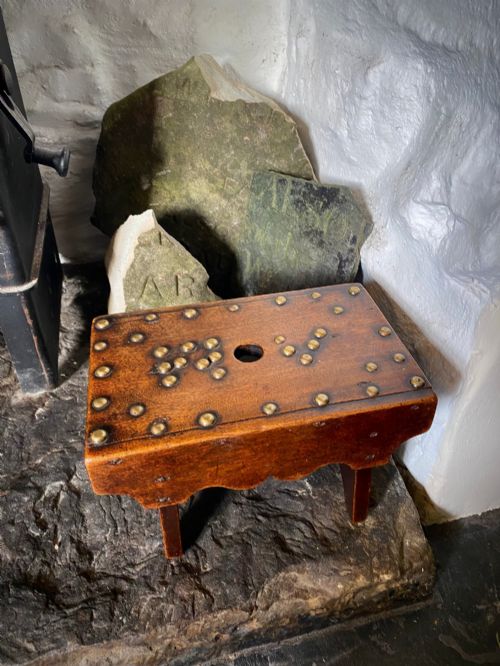
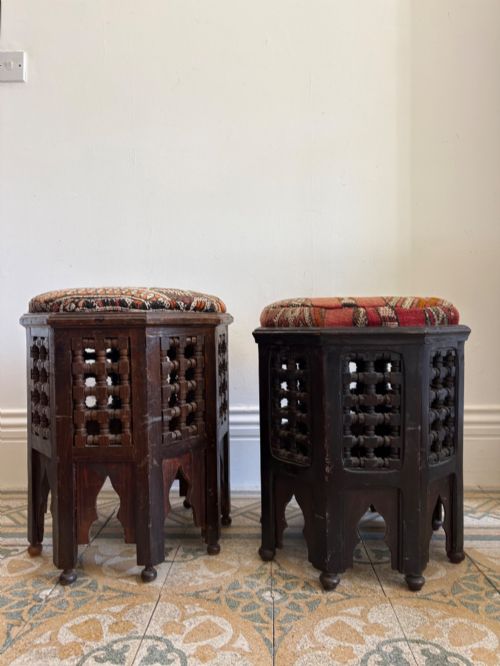
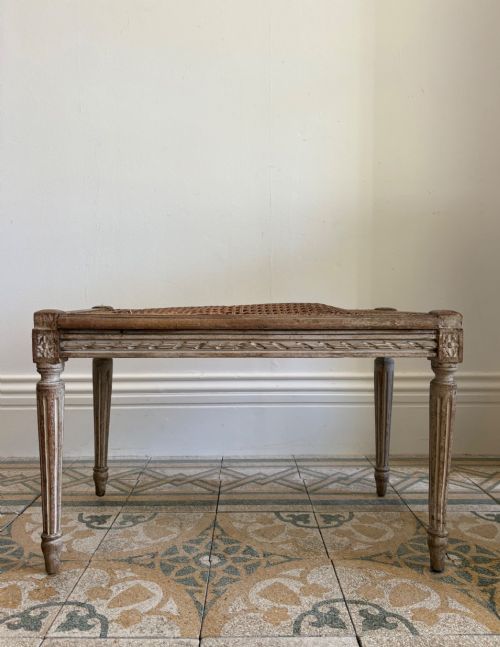
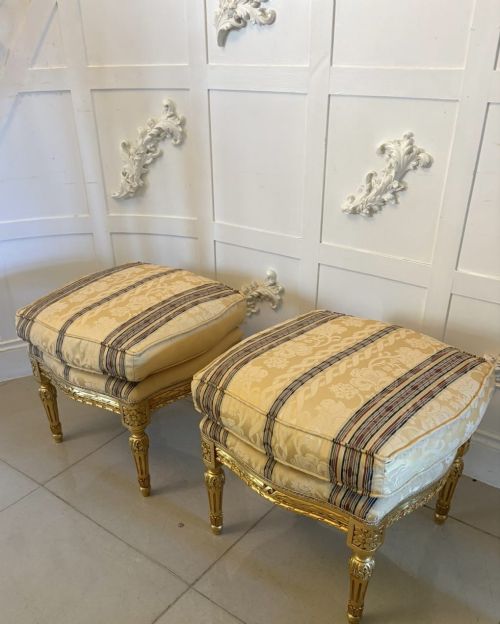
Regional and stylistic variations include Anglo-Indian rosewood pieces, French revival designs in beech and ebonised timber, and vernacular country stools in elm and pine. Certain items arrive ready for bespoke upholstery while others retain period fabric.
Materials and construction
Cabinetmakers utilised dense hardwoods such as walnut, oak, mahogany, and rosewood alongside softer timbers like pine and beech to build these low seats. Timber selection governed the depth and crispness of the carved details applied to frames, rails, and legs.
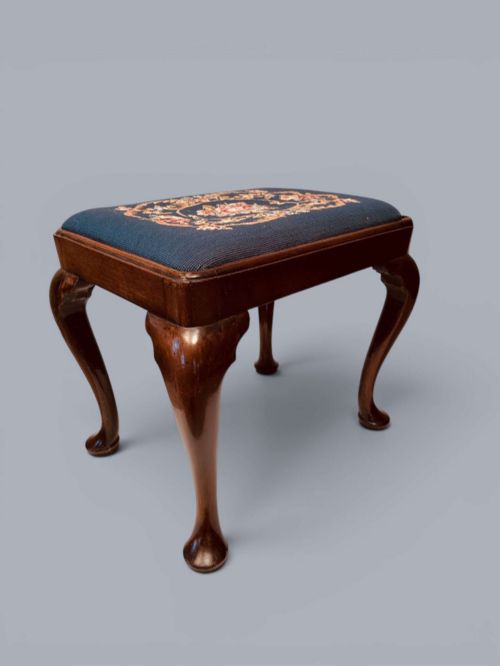
Joinery methods range from traditional joint stool pegging found in earlier oak examples to cabriole legs and X-frame curule constructions on later nineteenth-century pieces. Surfaces display hand-carved ornamentation, turning, or painted finishes depending on the stylistic period.
Carved Wooden Footstool Retail Price Guide 2026
Typical asking prices for carved wooden footstool among the pieces listed under this phrase on Sellingantiques today, from the lower quarter to the upper quarter. They describe what is for sale here now, not the wider market.
Distinctions in execution
The calibre of a carved wooden footstool rests upon the crispness and depth of the timber carving and the integrity of its foundational joinery. Pieces that retain their original timber surfaces, structural rigidity, and harmonious proportions stand apart from heavily altered examples.
Material choice and stylistic ambition dictate the upper tier of the range, visible in finely figured walnut, dense rosewood, and sophisticated stylistic revivals. Simpler vernacular pine or country elm pieces derive their merit from honest construction and untouched patination.
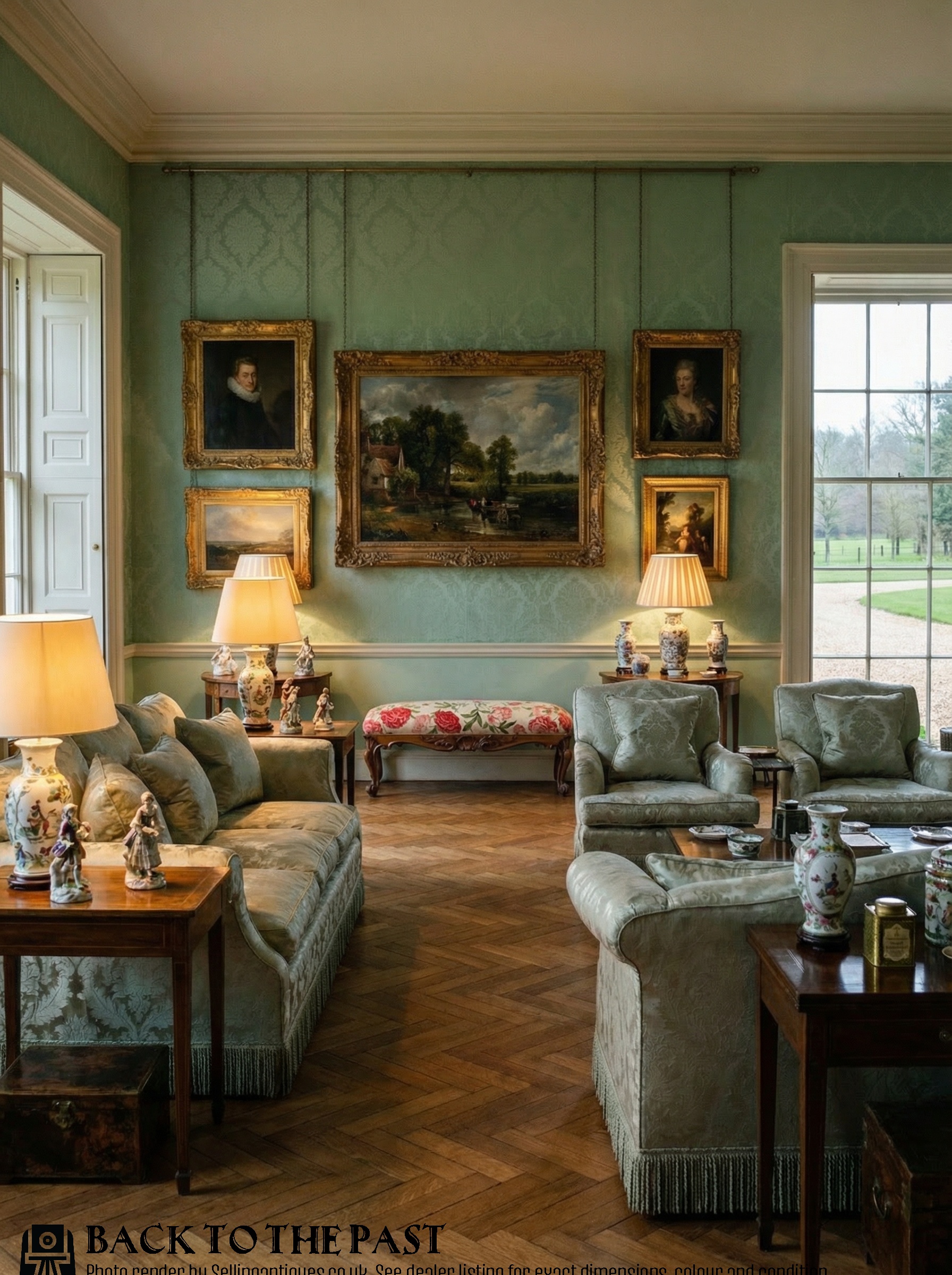
Miles & Edwards
The Carved Wooden Footstool Glossary
- Joint stool
- An early form of wooden stool constructed with mortise and tenon joints pegged together rather than glued. These sturdy pieces typically feature turned legs and substantial oak framing.
- Cabriole leg
- A furniture leg that curves outward at the knee and tapers inward toward the foot, often ending in a pad or claw. This profile frequently appears on eighteenth and nineteenth-century walnut and mahogany stools.
- Curule
- An ancient chair or stool shape characterised by two pairs of curved legs crossing in an X-form. This classical silhouette resurfaced in nineteenth-century seating.
- Vernacular
- Objects made by local craftspeople using regional traditions and readily available timber rather than following high-style metropolitan workshop patterns.
- Hearth stool
- A long, low seat designed to sit near an open fireplace for warmth. These pieces often feature generous proportions and upholstered tops.
Carved Wooden Footstool: Frequently Asked Questions
How do I style a footstool?
These low seats integrate easily into contemporary rooms as functional accents before armchairs, beside sofas, or as dressing table seats. Their compact height makes them adaptable for moving between living spaces.
Pairing a timber frame with a contrasting textile or leaving the carved wood exposed adds texture and historical contrast to modern interiors.
How do I date a wooden stool?
Dating relies on examining the timber species, joinery techniques, and carved stylistic motifs. Oak joint stools typically point to seventeenth or eighteenth-century origin.
Later nineteenth-century examples often utilise rosewood, walnut, or mahogany with revival styles such as Queen Anne or Louis XV influencing the leg shapes and carving.
Are these stools comfortable?
Comfort depends entirely on the specific form, ranging from solid wooden seats designed for utility to deeply upholstered hearth and dressing stools. Many pieces feature padded tops covered in fabric.
Some historical examples are offered ready for new upholstery, allowing you to choose padding and fabric suited to your personal comfort.