
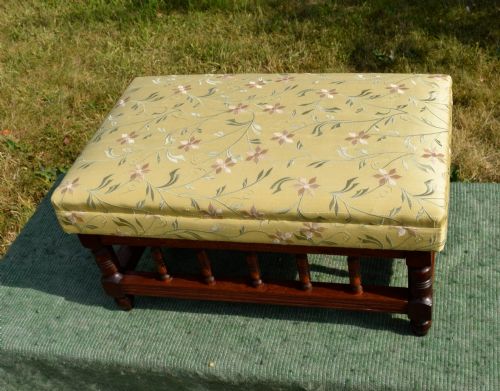
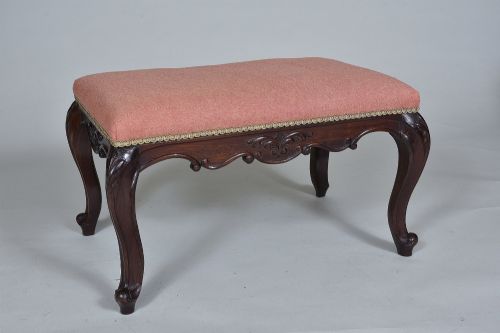
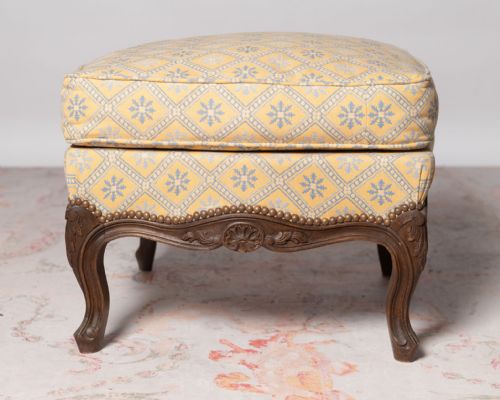
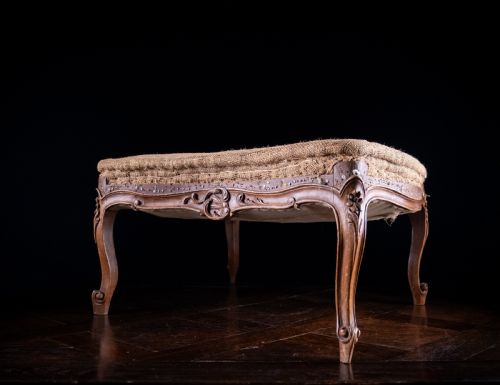


Carved Wooden Footrest
A carved wooden footrest offers a solid low perch, bringing period character and comfort to a fireside or study.
Carved Wooden Footrest
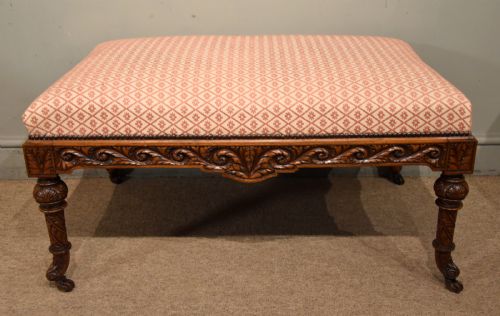
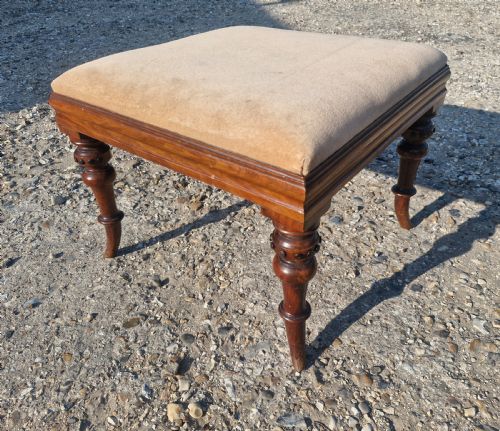
A carved wooden footrest is typically found in forms such as dressing stools, fender stools, and fireside footstools dating from the eighteenth century through to the early twentieth century. These pieces serve to elevate the feet while seated or to provide a compact secondary seat within a room.
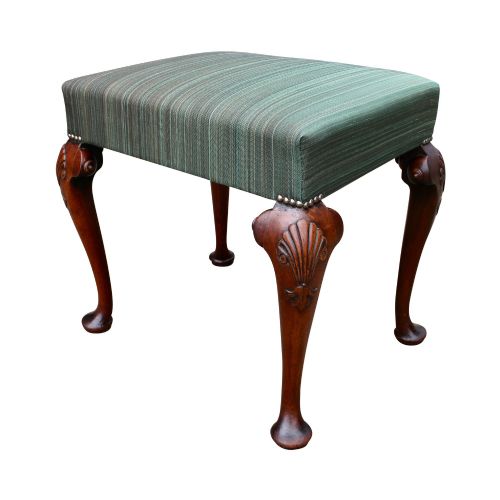
The selection here draws primarily upon nineteenth-century Victorian examples alongside revival styles like Queen Anne, Chippendale, and Louis XV. Walnut, mahogany, and rosewood frames appear frequently, often paired with upholstered needlework, tapestry, or fabric tops.
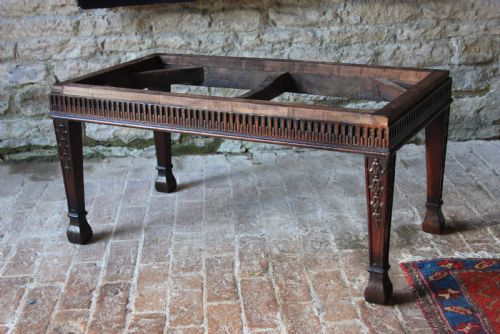
Originating across English, French, and Anglo-Indian workshops, these furnishings range from simple turned country stools to elaborately carved giltwood and ebonized frames. Buyers encounter both restored pieces ready for daily use and frames awaiting new upholstery.
How they were made
Cabinetmakers shaped the structural frames from dense hardwoods including mahogany, walnut, oak, beech, and rosewood, employing traditional joinery to ensure stability underfoot. Artisans then carved decorative details directly into the timber, ranging from cabriole legs to elaborate Baroque motifs.
Upholstery completed the piece, utilising textile, tapestry, needlework, fabric, wool, and woven rattan stretched over webbing or padding. Brass hardware occasionally appeared as decorative studs or structural fastenings on specific revival designs.
Period origins span from the eighteenth-century Georgian era through Victorian production into early twentieth-century revival designs.
What varies in quality
The distinction between standard items and superior examples lies in the crispness of the timber carving and the selection of dense, richly figured hardwoods such as walnut and rosewood. Finer pieces demonstrate careful proportion in cabriole or X-framed supports and retain well-executed period needlework or upholstery.
Construction methods also set pieces apart, where hand-turned components and robust joinery distinguish bespoke workshop output from mass-produced alternatives. The integrity of the wooden frame remains paramount, reflecting the skill of the original cabinetmaker.
The Carved Wooden Footrest Glossary
- Fender stool
- A long, narrow footstool designed to sit in front of a hearth fender. These pieces kept feet elevated away from cold stone floors.
- Cabriole leg
- A furniture leg that curves out and then in, resembling an animal's leg. This form appears frequently on eighteenth-century and revival seating.
- Needlepoint
- Canvas work embroidery using wool yarn to create patterned textile tops. Many period footstools feature this hand-stitched surface.
- Giltwood
- Timber coated with a thin layer of gold leaf. This finish denotes formal decorative pieces from stylistic traditions like the Baroque.
- Bergere
- An enclosed upholstered armchair or stool featuring cane or wicker panelling. It provides a lighter texture than solid wooden sides.
Carved Wooden Footrest: Frequently Asked Questions
How were footstools used originally?
Period footstools provided practical comfort by keeping feet elevated above draughty floors in drawing rooms and bedrooms. They also served as movable occasional seats near firesides.
Larger variations functioned as fender stools placed directly before fireplace hearths to protect occupants from excessive heat while seated.
Can I reupholster an antique stool?
Many antique frames require new fabric to suit modern interiors or to replace worn original textiles. Traditional materials like webbing and wool maintain historical integrity.
Frames sold ready for upholstery allow buyers to select specific fabrics that match existing room decor while preserving the underlying wooden structure.
What is a fender stool?
A fender stool is an elongated low seat designed specifically to fit alongside a hearth fender. Their proportions are typically long and narrow to span the fireplace width.
These pieces allowed people to sit close to the fire while keeping their feet warm and elevated off the floorboards.