
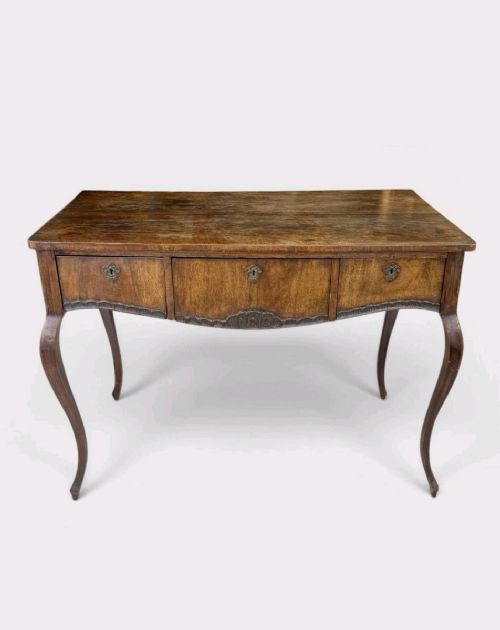
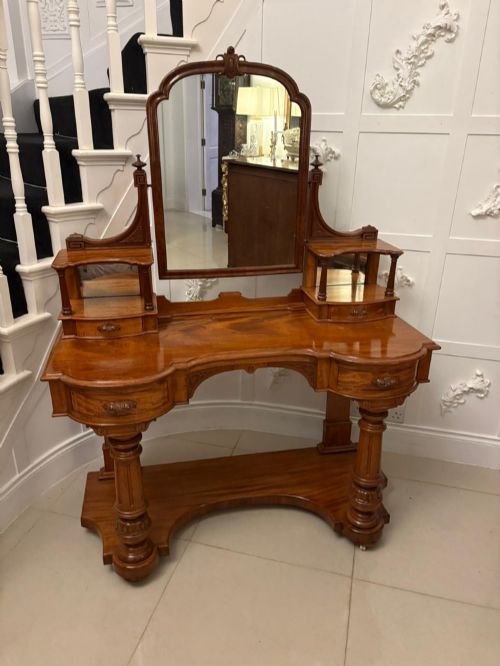
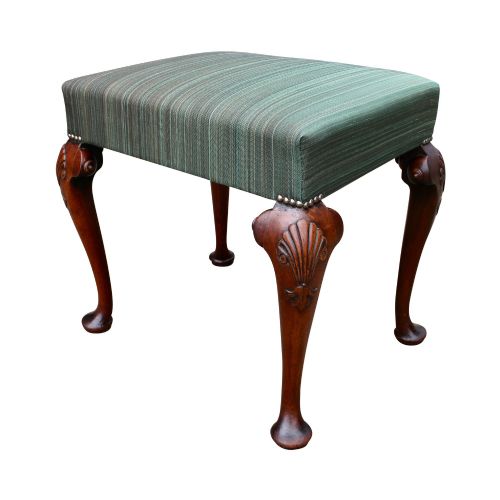
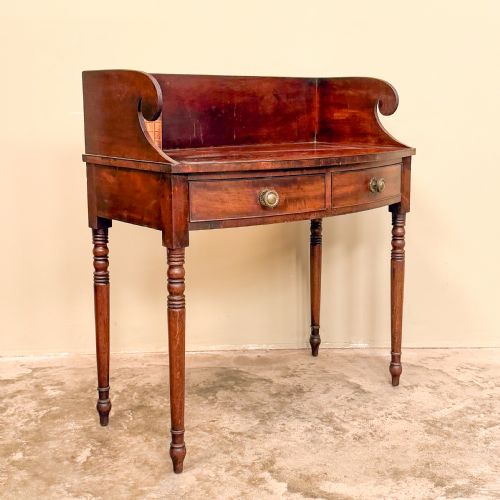
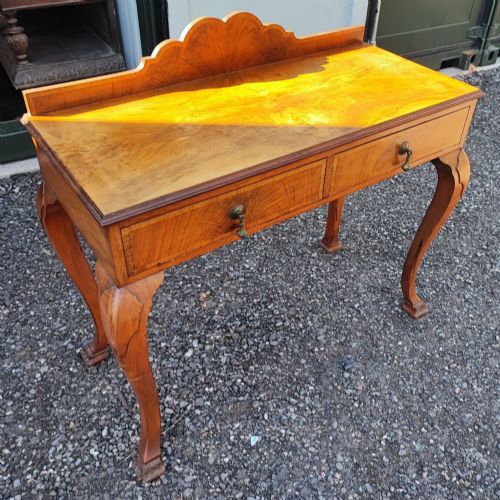
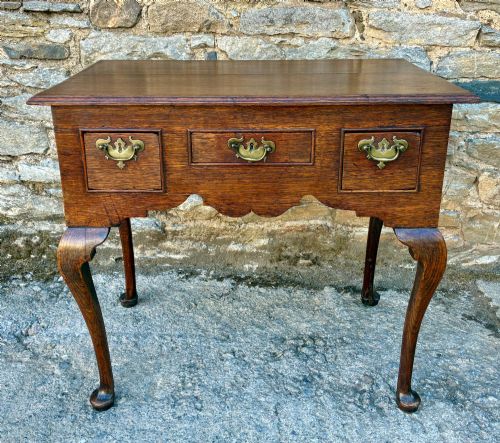
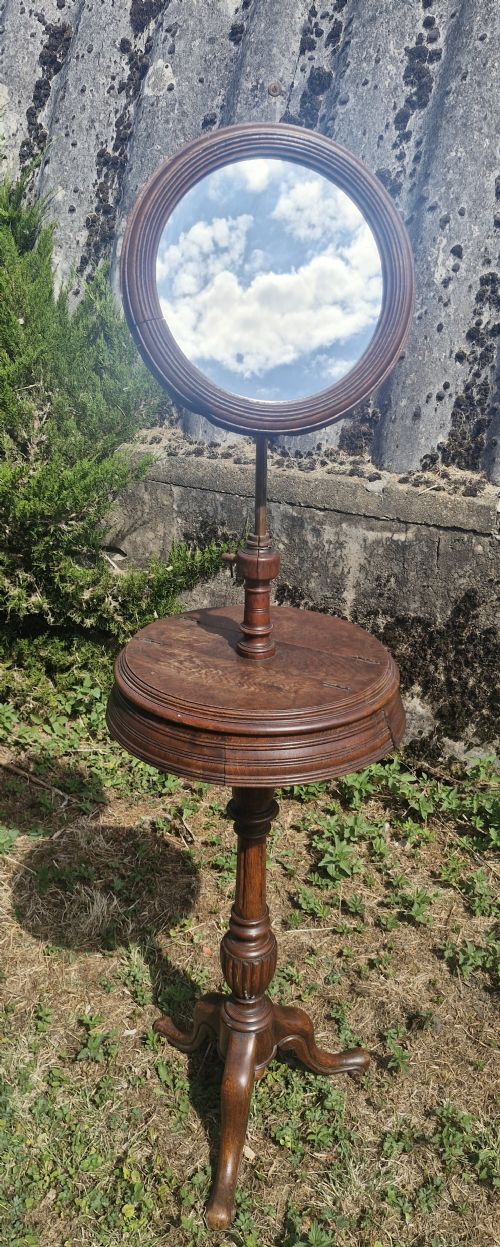
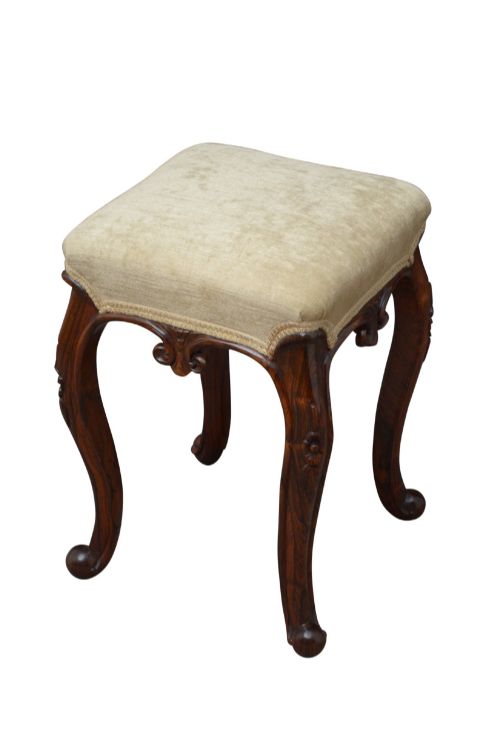
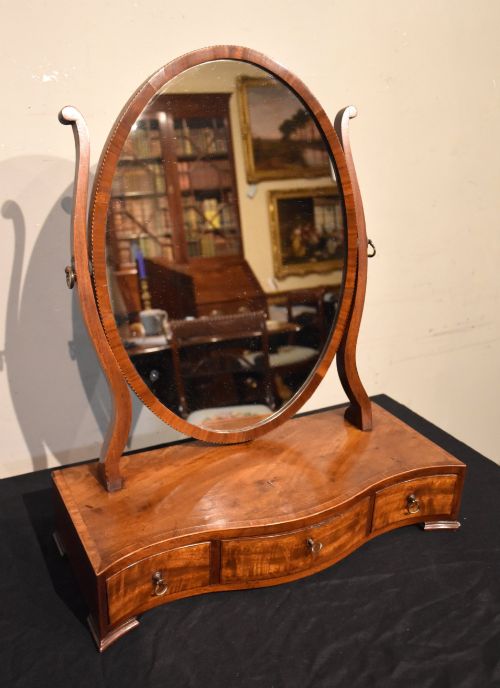
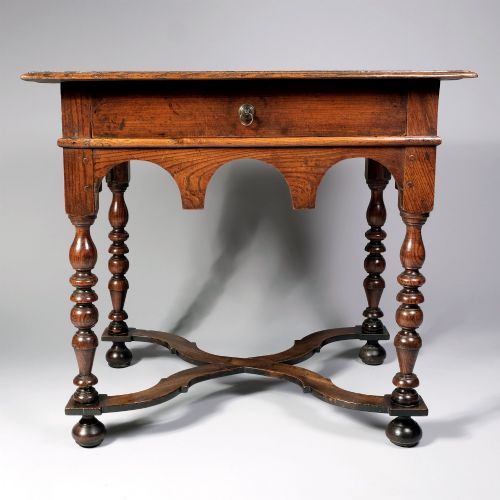
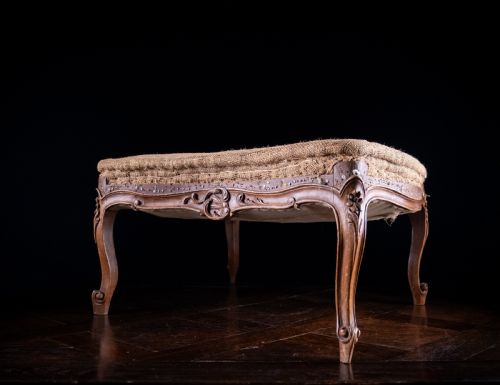
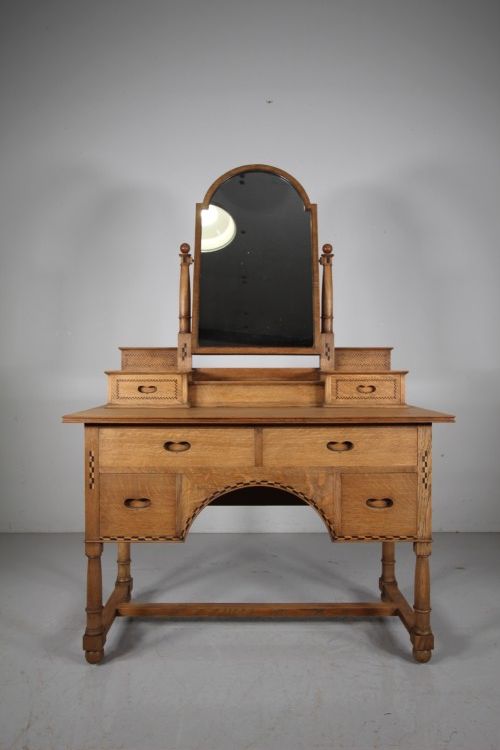
Carved Wooden Dressing Table
These carved wooden dressing table pieces bring solid timber and period detail to a bedroom, offering practical surface space alongside historic craftsmanship.
Carved Wooden Dressing Table
A carved wooden dressing table search gathers an array of historic furniture including dressing tables, lowboys, washstands, and associated seating like stools and footstools. These pieces emerge from periods spanning the seventeenth, eighteenth, nineteenth, and early twentieth centuries, reflecting changing domestic habits across generations.
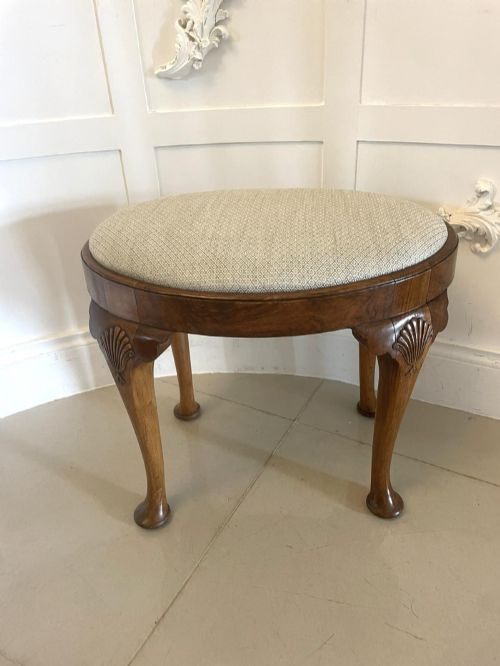
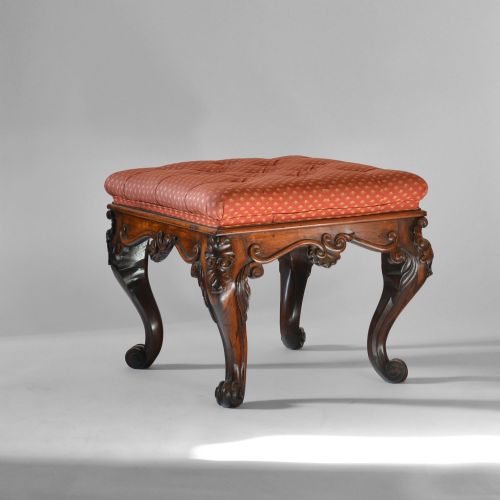
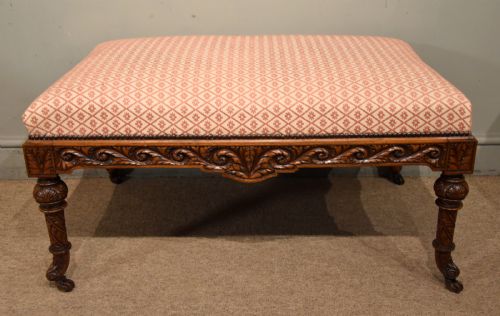
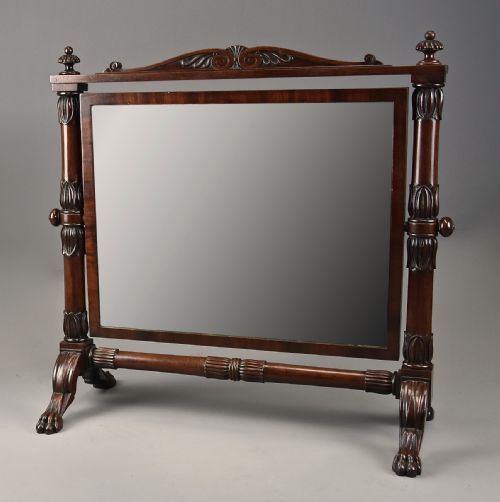
The most common formats you will meet on this page are Victorian mahogany dressing tables, Georgian lowboys, and various nineteenth-century walnut or rosewood stools. Alongside these main pieces, the selection includes adjustable toilet mirrors and cheval mirrors designed to sit atop furniture or stand independently.
Craftsmanship in these items stretches from simple oak country pieces to elaborate revival styles such as Queen Anne, Arts and Crafts, and Renaissance designs. Makers and workshops from Britain and beyond shaped these woods into functional items that served bedrooms, dressing rooms, and boudoirs.
Standards of Execution
Quality in a carved wooden dressing table rests on the crispness of the carving and the selection of the timber grain. Finer examples display deep, hand-carved details with clean lines, whereas simpler items rely on plain surfaces or modest moulded edges.
The choice of secondary woods, the integrity of the original mirror glass, and the retention of maker labels or stamps further distinguish standard production from exceptional workshop output.
Listings span from the seventeenth-century William and Mary period through Victorian revivals up to the 1930s.
P & MA Nicholson·Heals·Shoolbred and Co·Muirhead Moffat & Co
The Carved Wooden Dressing Table Glossary
- Lowboy
- A small oak, walnut, or mahogany table with drawers, typically used as a dressing table or side table in the eighteenth century.
- Cheval mirror
- A full-length swing mirror supported by a standing frame, allowing the glass to tilt.
- Cabriole leg
- A furniture leg that curves out and then in, resembling the leg of an animal, commonly seen on eighteenth-century and revival pieces.
- Washstand
- A dedicated wooden table or cabinet designed to hold a basin and jug for morning ablutions before plumbed bathrooms.
- Swing mirror
- A tabletop mirror mounted on pivots within a frame so the angle of the glass can be adjusted.
Carved Wooden Dressing Table: Frequently Asked Questions
What is a lowboy used for?
A lowboy served historically as a small dressing table or side table, holding grooming items in its drawers while offering a convenient surface.
Today, these compact tables find places in bedrooms or hallways as accent pieces or writing desks.
Are mirror glasses original on these tables?
Many older dressing tables and toilet mirrors retain their original mercury or early silvered glass, which often shows light foxing.
Replacement mirror glass is common on pieces that survived heavy daily use over centuries.
How do I care for antique wood furniture?
Protect antique wood by keeping pieces away from direct sunlight, heating vents, and rapid humidity changes.
Regular dusting with a dry cloth and occasional application of appropriate wax maintains the finish without harming the timber.