

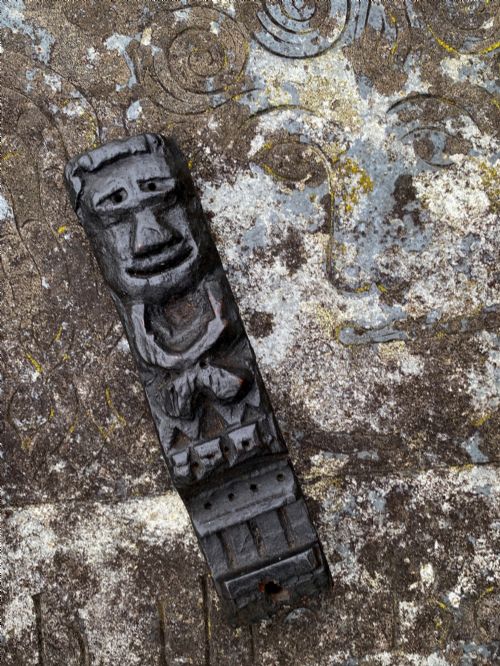
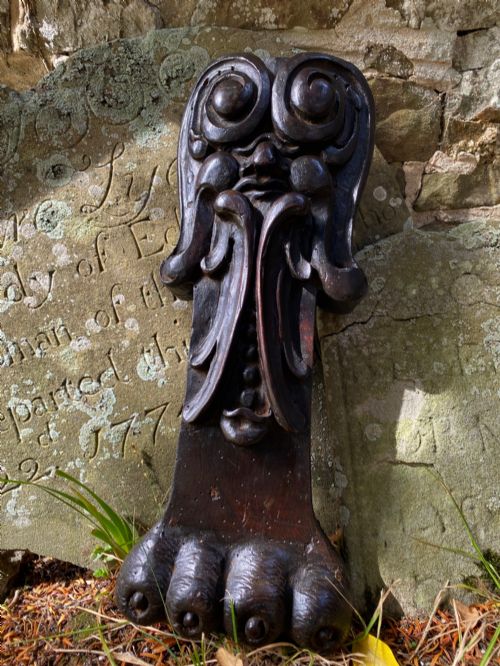

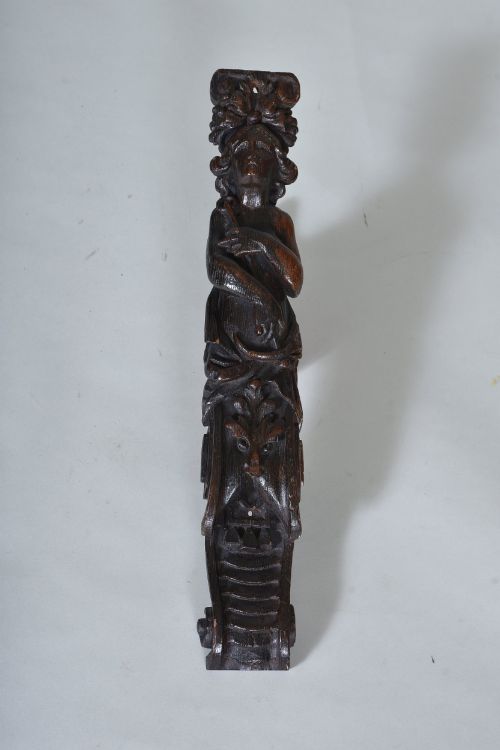
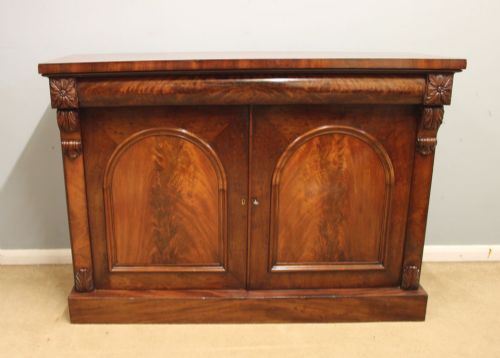



Carved Wooden Corbels
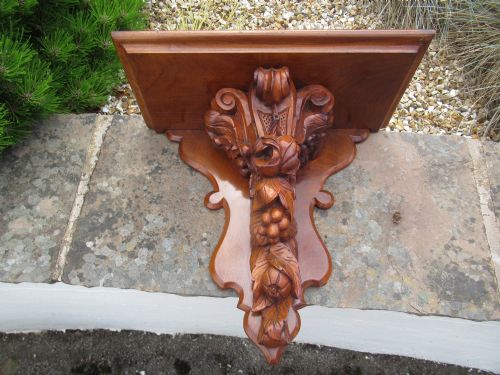
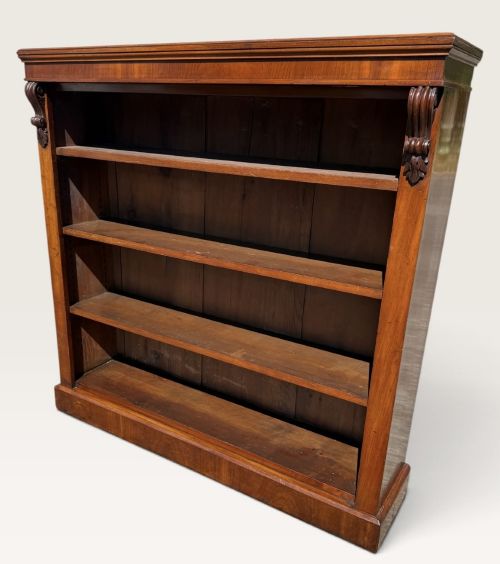
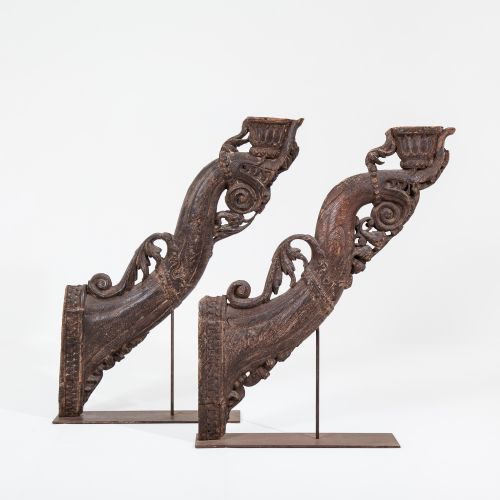
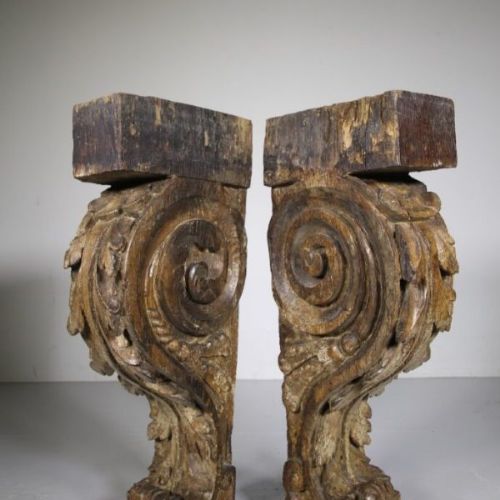
These carved wooden corbels are architectural supports and wall brackets built to hold weight or adorn a room.
Carved Wooden Corbels
When searching for carved wooden corbels, buyers encounter architectural elements shaped as wall brackets, shelf supports, and ceiling bosses. The pieces on this page span several centuries, reaching back to the seventeenth century and moving through the Georgian and Victorian eras.
Most examples found here appear in oak, walnut, and pine, taking forms that range from simple structural brackets to figural wall sculptures and cherubs. Alongside British items, the selection includes continental European work, Anglo-Indian carvings, and Chinese architectural fragments.
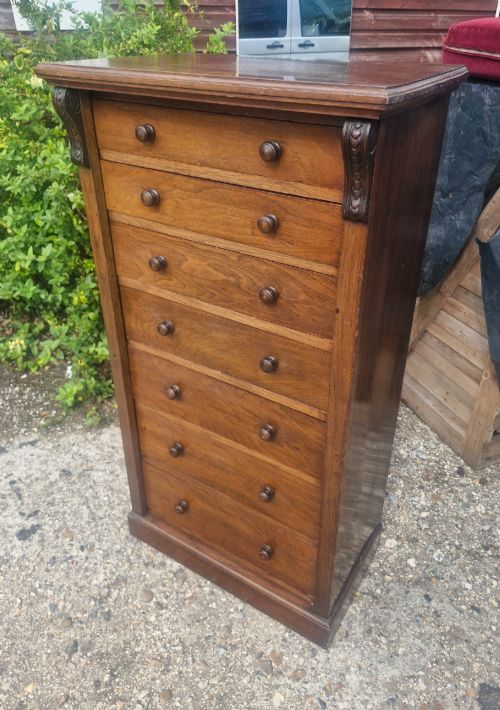
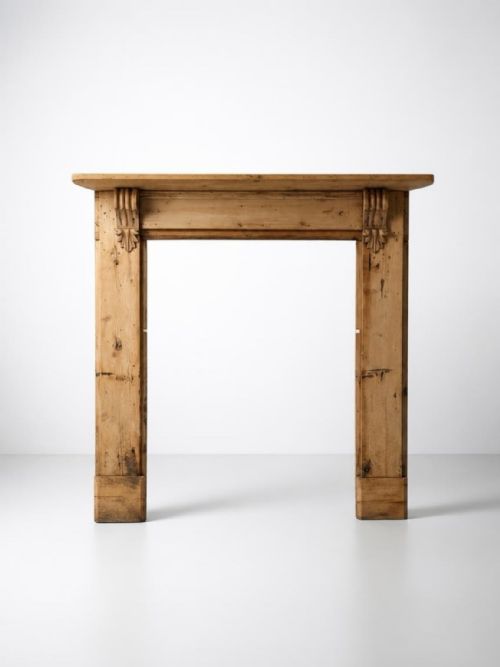
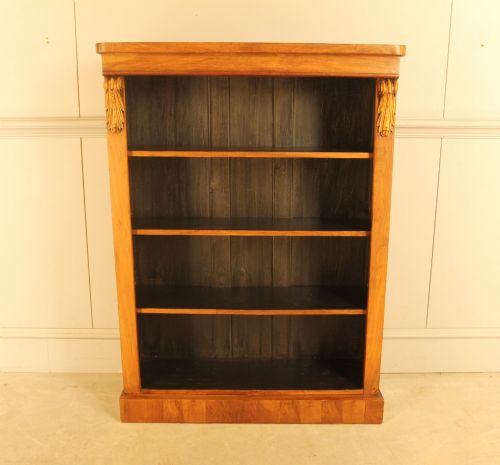
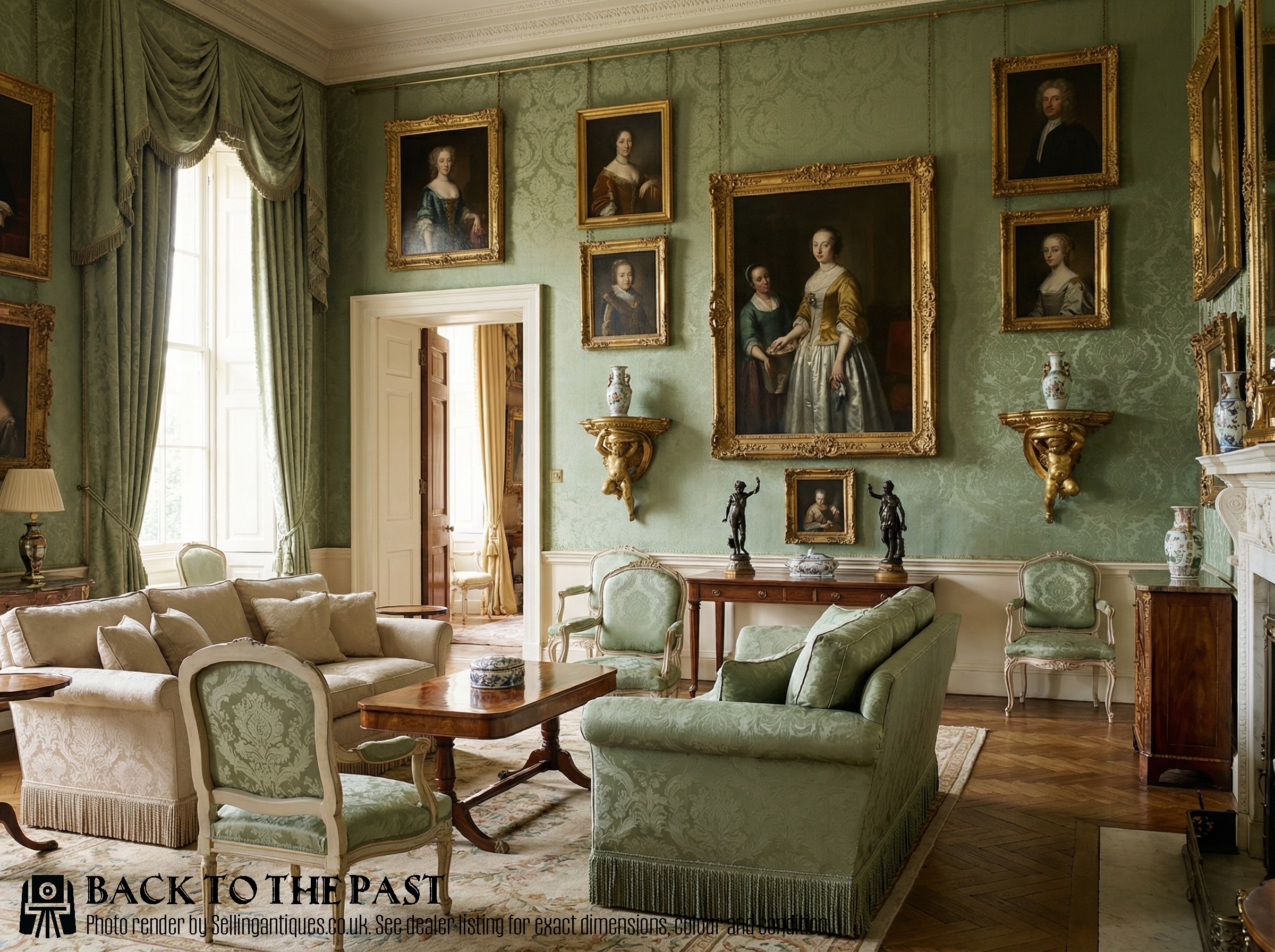
Many items function as decorative wall displays, while others originate from larger pieces of furniture such as bookcases, sideboards, and fire surrounds. These carved supports bring tangible depth and historic texture to modern interiors.
How They Were Made
The carvers behind these pieces worked primarily in hardwoods like oak, walnut, and mahogany, alongside softer pines and limewood. Selecting timber with suitable grain allowed craftsmen to carve deep relief details without splitting the material along its natural lines.
Makers utilised sharp gouges and chisels to shape figures, foliage, and geometric patterns directly from the solid wood block. Surface finishes vary from waxed natural timber to layered gesso and gold leaf applied to enhance the carved contours.
Carved Wooden Corbels Retail Price Guide 2026
Typical asking prices for carved wooden corbels among the pieces listed under this phrase on Sellingantiques today, from the lower quarter to the upper quarter. They describe what is for sale here now, not the wider market.
Among the historical figures watching over the room, an ecclesiastical angel shares space with a very distinct devil carved by Luigi Frullini.
What Varies in Quality
Depth and crispness of the carving separate ordinary pieces from the finest work on the market. Superior examples show confident tool marks, precise anatomy in figural subjects, and well-defined drapery or foliage.
The choice of timber and the preservation of original surfaces dictate the standing of an item. Pieces retaining their early patination, gilding, or gesso without modern intervention command greater appreciation among collectors.
Luigi Frullini
The Carved Wooden Corbels Glossary
- Corbel
- A structural piece of stone or wood jutting from a wall to carry a superincumbent weight. In decorative contexts, they often function as wall brackets or shelf supports.
- Gesso
- A plaster mixture used as a smooth base for painting or gilding on wood surfaces. It allows fine details to be modelled before the application of gold leaf.
- Archangel
- A celestial being depicted in religious carvings, frequently found in medieval and ecclesiastical woodwork. These figures often display detailed wings and flowing robes.
- Capital
- The uppermost member of a column, serving as a decorative transition between the shaft and the load. Many items on this page adopt classical architectural orders like the Corinthian style.
- Architectural Salvage
- Building components rescued from demolition or alteration for reuse in interior decoration. These fragments preserve historic craftsmanship outside their original structural context.
Carved Wooden Corbels: Frequently Asked Questions
Can these brackets hold heavy shelves?
Many examples possess the solid hardwood construction and robust proportions needed to support substantial weight when properly fixed to a wall.
Lighter decorative pieces, particularly those made from pine or featuring delicate gesso work, suit display purposes rather than heavy loads.
How do I date an old corbel?
Dating relies on examining the tool marks, the choice of timber species, and the style of the carving against known historical periods.
Secondary characteristics such as the presence of early surface finishes, peg holes, or signs of structural removal provide further clues to age.
Where should I mount them at home?
These pieces look effective mounted directly onto plain walls as sculptural art or fitted beneath existing shelves to create a period aesthetic.
Some collectors mount them as standalone wall brackets to display small sculptures, books, or plants in living spaces and hallways.