






Brown Wood Corbels
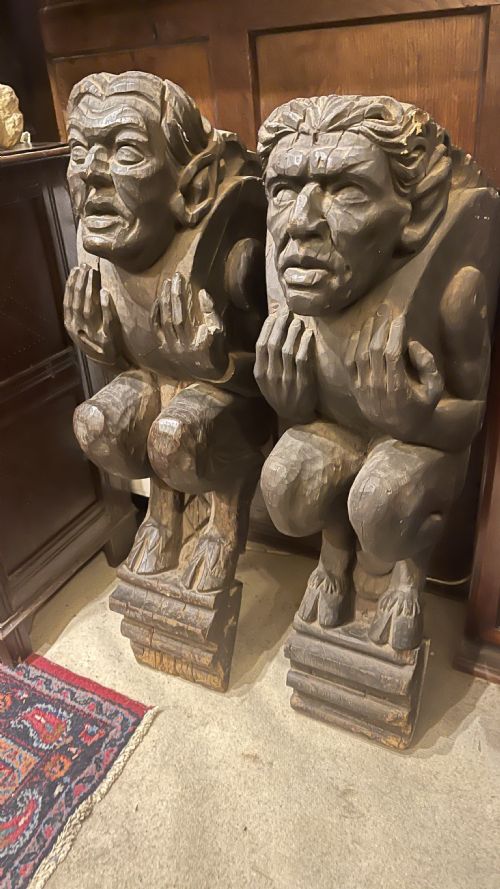
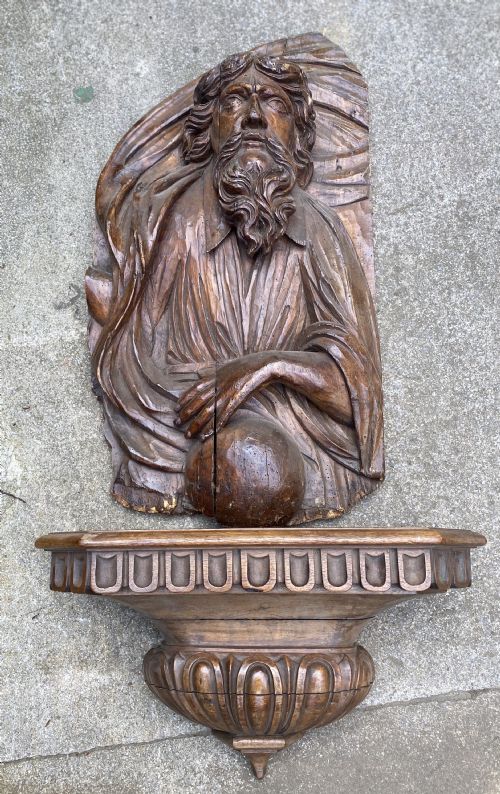
Brown wood corbels are structural supports turned decorative architectural carvings, bringing depth and solid timber presence to period interiors.
Brown Wood Corbels
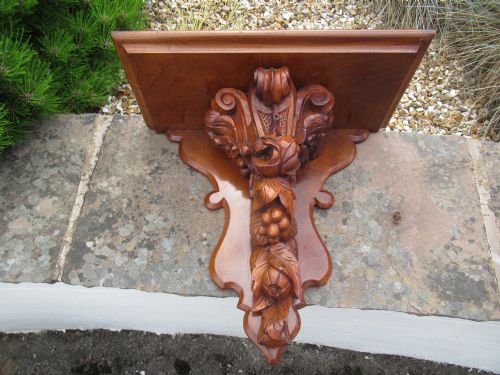
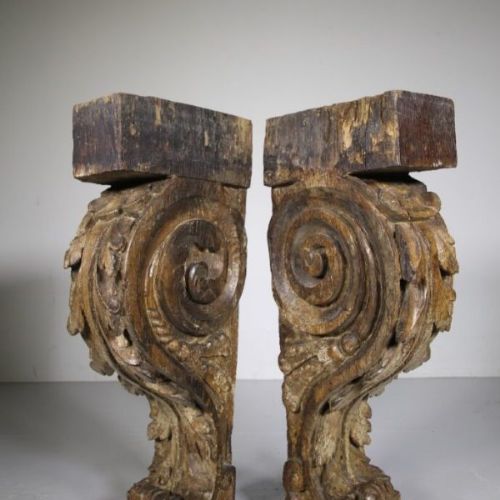
When you search for brown wood corbels, you encounter structural supports and decorative brackets salvaged from buildings or carved as standalone ornaments. The pieces on this page span the sixteenth century through to nineteen hundred, taking forms such as wall brackets, architectural carvings, and figurative sculptures.
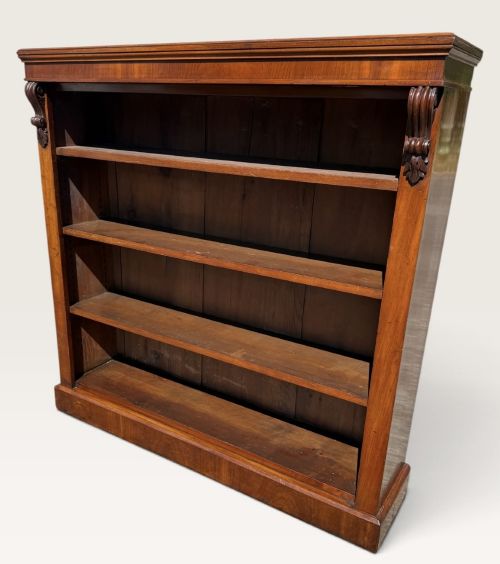
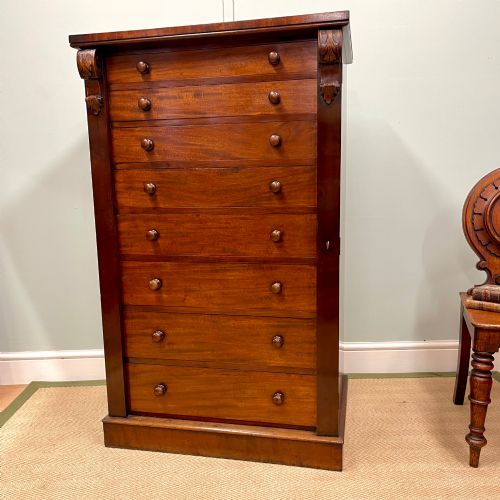
The selection ranges from Georgian oak pairs and seventeenth-century carved figures to Victorian walnut wall displays and Black Forest carved animal heads. You will also find architectural salvage alongside bookcases and chests of drawers that incorporate carved wooden brackets into their overall design.
Origin and style vary widely across the inventory, touching upon Baroque, Renaissance Revival, and Traditional Chinese aesthetics. These items function equally well as traditional wall brackets or as sculptural focal points within a room.
How they were made
Carvers shaped these pieces from dense hardwoods and softer timbers using traditional hand chisels and gouges. Oak, walnut, mahogany, pine, and limewood provide the foundational material for both structural building brackets and intricate figurative carvings.
Master carvers worked the timber directly to achieve high relief, undercutting the wood to create deep shadows and complex three-dimensional forms. Surfaces typically display the natural grain of the wood without heavy modern varnishes, preserving tool marks left by the maker.
Listings feature walnut, oak, mahogany, pine, and limewood across centuries spanning the sixteenth to the twentieth.
What varies in quality
Depth of carving and anatomical precision separate standard architectural salvage from exceptional sculptural work. The finest examples demonstrate mastery in rendering facial expressions, drapery, and muscular tension in solid timber.
Condition of the wood grain and the integrity of the original projection dictate the visual strength of the bracket. Pieces retain greater appeal when the timber maintains its historic surface character rather than bearing heavy restoration.
Luigi Frullini
The Brown Wood Corbels Glossary
- Corbel
- A structural piece of stone, wood, or metal jutting from a wall to carry a weight. In decorative contexts, it functions primarily as a bracket beneath a shelf or beam.
- Caryatid
- A sculptured female figure serving as an architectural support taking the place of a column or a pillar. Wooden examples often support cornices or upper sections of large furniture.
- Architectural salvage
- Building materials rescued from demolition or remodelling for reuse. These items include carved wooden brackets, corbels, and panels taken from historic structures.
- Black Forest
- A nineteenth-century style of intricate wood carving originating from the German region known for realistic animal sculptures. Pieces frequently depict bears, lions, and tigers carved from walnut.
Brown Wood Corbels: Frequently Asked Questions
What is a corbel used for?
Historically, a corbel projected from a wall to support heavy loads such as roof timbers, balconies, or projecting upper floors. In domestic interiors, they support mantelpieces, shelves, and heavy cornices.
Today, many people mount them as decorative wall brackets or display them as standalone sculptures to add architectural interest to plain walls.
How do I date an antique corbel?
Dating relies on identifying the timber species, the tool marks left by the maker, and the prevailing artistic style of the period. For instance, seventeenth-century pieces often feature heavy oak with deep, robust chisel work, whereas Victorian items frequently utilise walnut with finer, sharper detailing.
Comparing the decorative motifs, such as Baroque scrolls or Renaissance revival figures, against documented period examples helps narrow down the decade of creation.
Are these corbels strong enough to hold shelves?
Many items listed as wall brackets or building brackets were originally engineered to bear substantial architectural weight. Solid timber construction in oak or walnut provides inherent structural strength.
However, load capacity depends heavily on the soundness of the antique wood and the method used to mount the piece to a modern wall.
What is the difference between a corbel and a wall bracket?
A corbel strictly refers to a projecting block or bracket that historically carried structural weight within a building's architecture. A wall bracket is a broader term that includes any decorative shelf support fixed to a vertical surface.
In practice, antique dealers often use the terms interchangeably when describing carved wooden supports salvaged from period properties.