

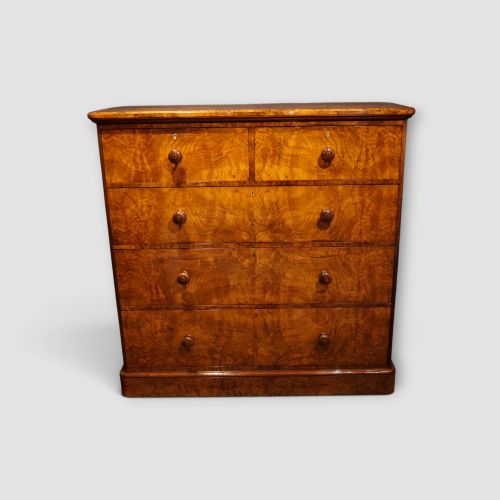
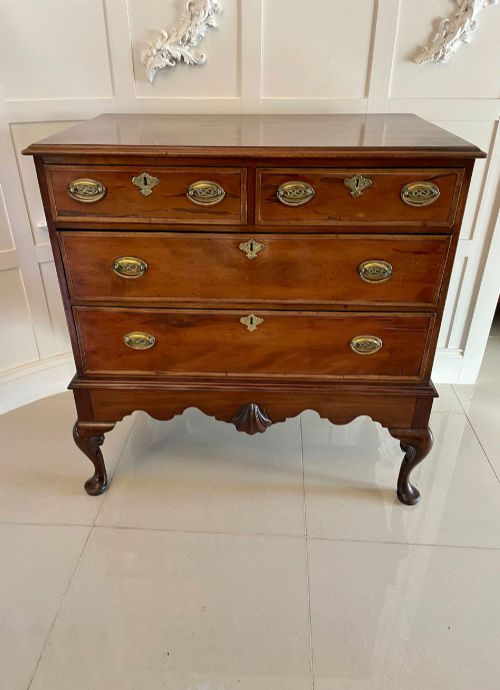
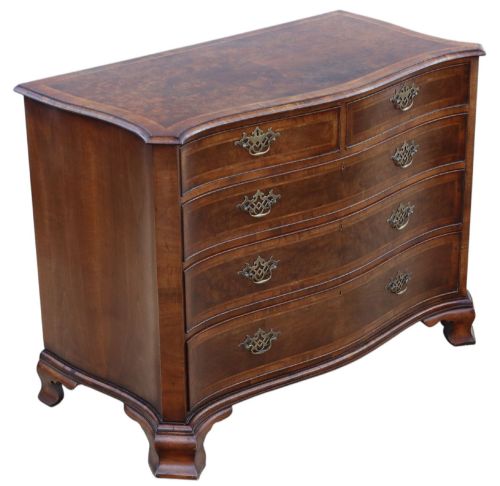
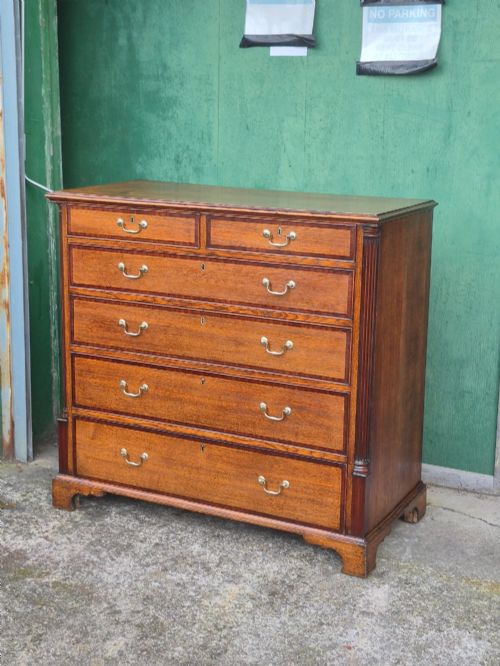
Carved Wooden Commode
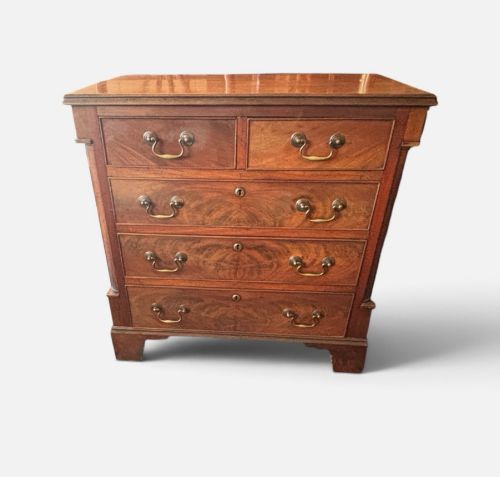
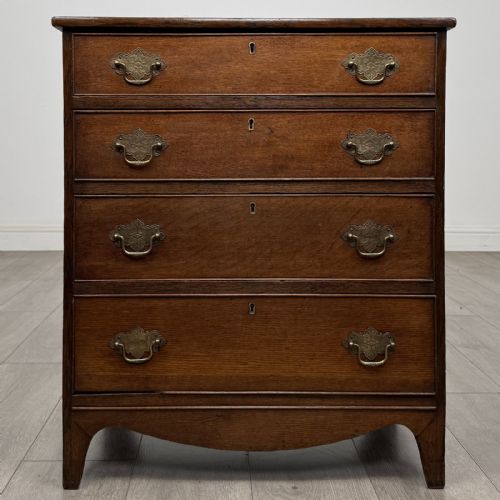
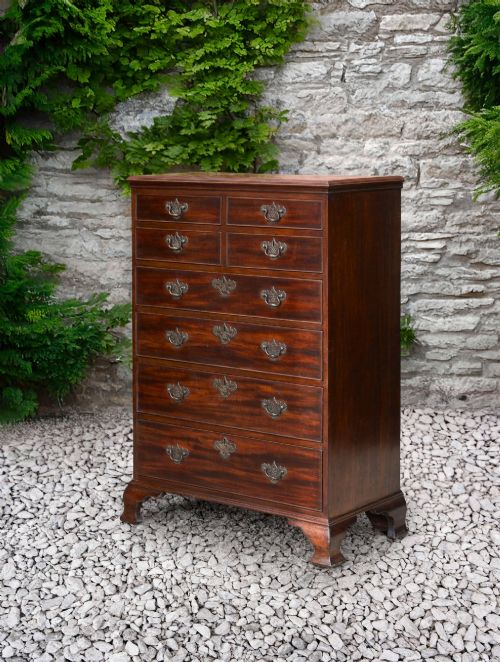
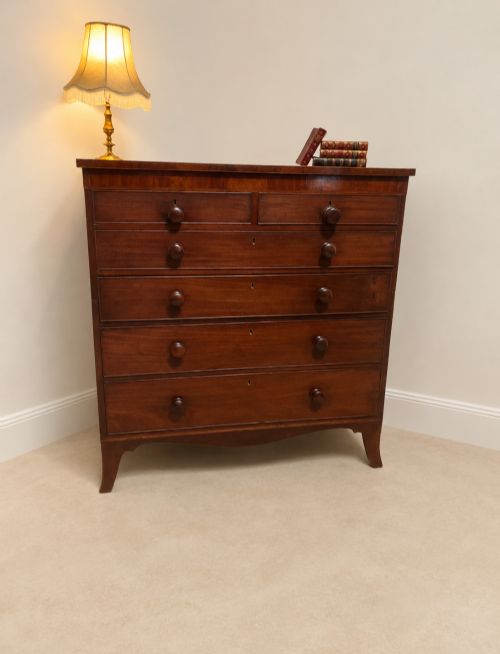
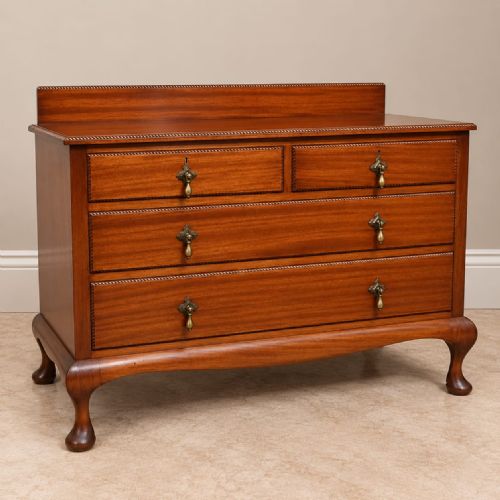
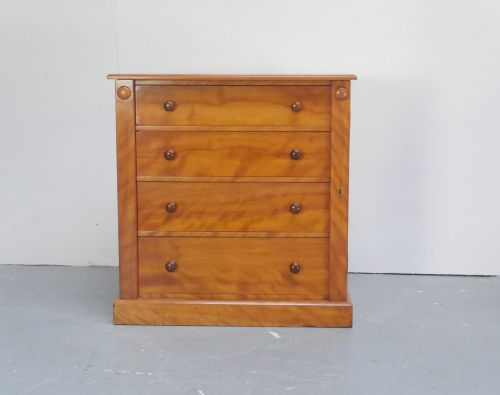
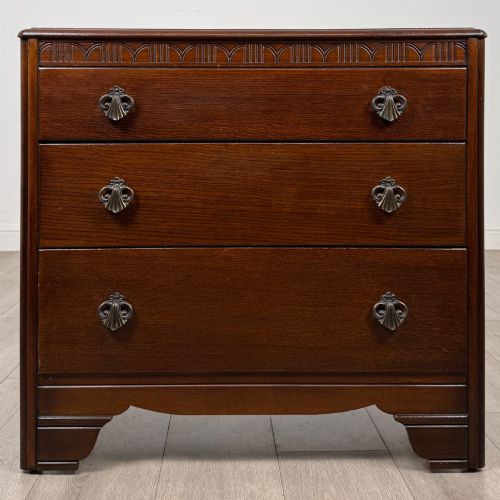
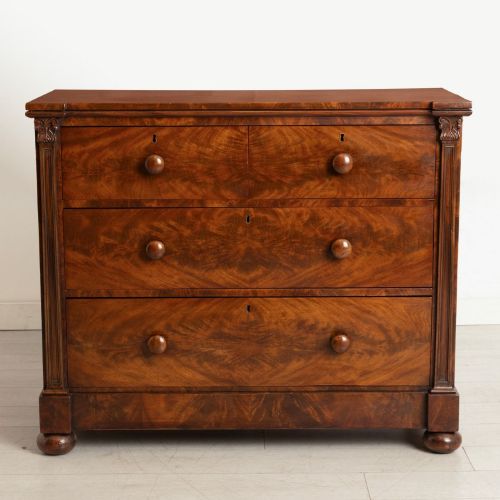
A carved wooden commode brings substance and storage to a room, ranging from robust oak country pieces to refined walnut serpentine fronts.
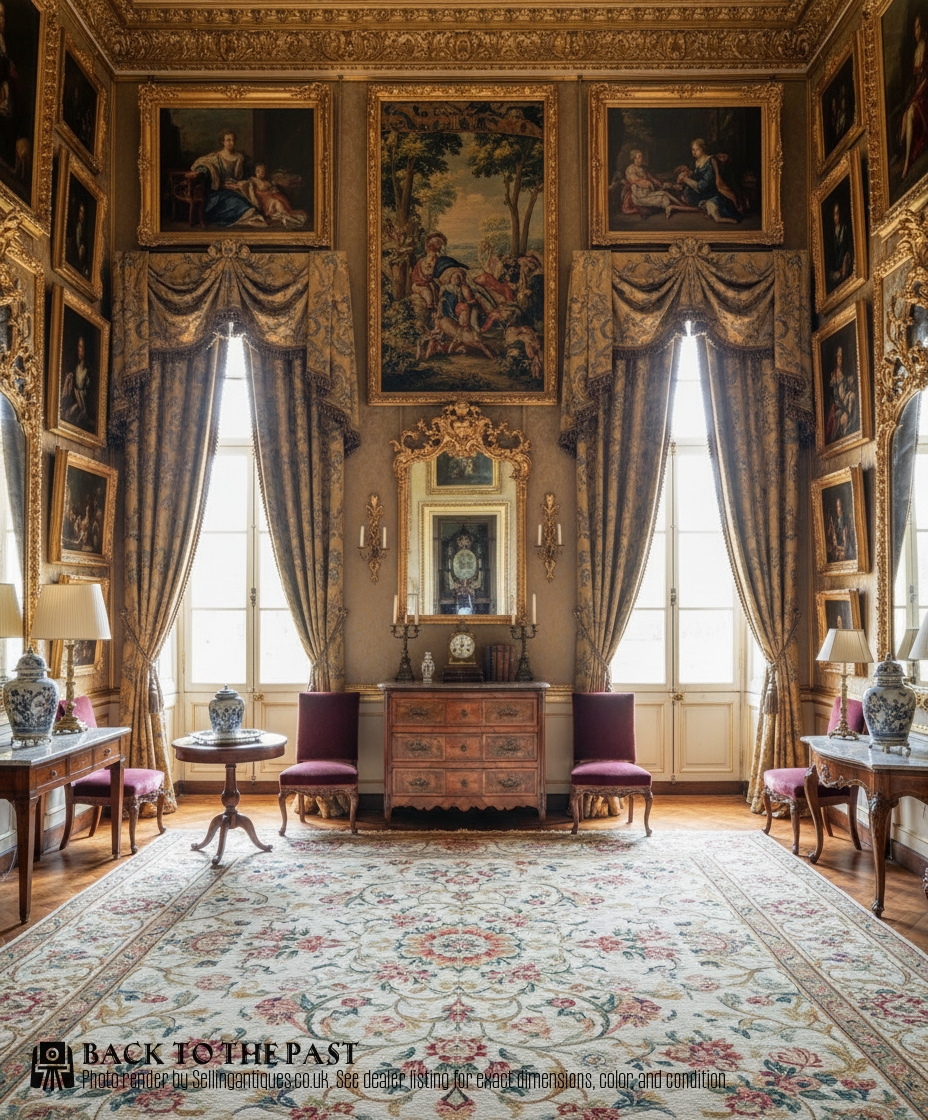
Carved Wooden Commode
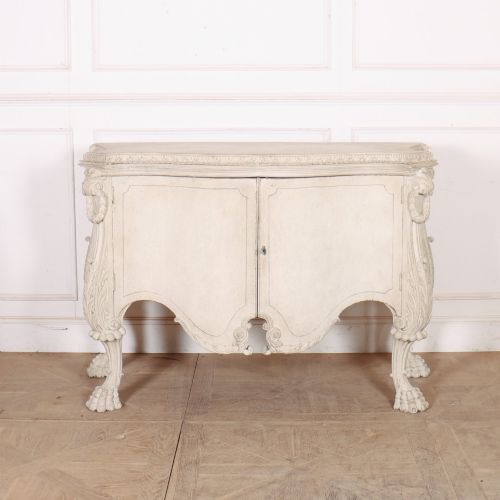
When you search for a carved wooden commode, you encounter a variety of storage furniture including chests of drawers, side cabinets, and bedside cupboards spanning several centuries. The pieces originate from periods such as the 17th, 18th, and 19th centuries, alongside Edwardian and Victorian eras, reflecting diverse European and British workshops.
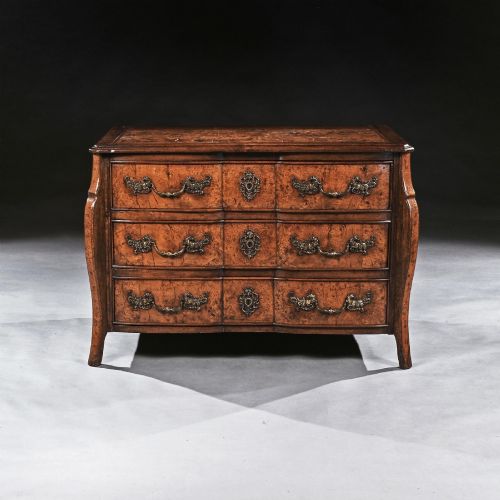
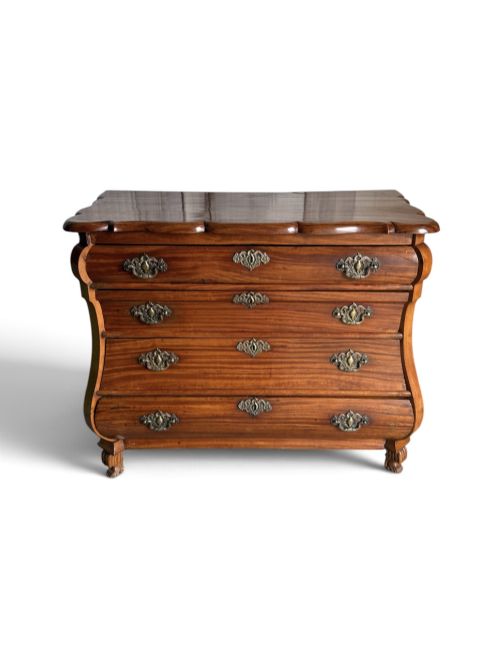
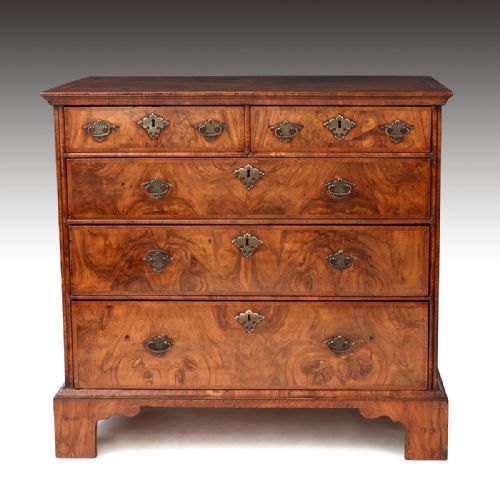
You are most likely to meet mahogany, oak, and walnut chests of drawers featuring styles from Georgian and Regency to French Provincial and Louis XV. These items serve as functional storage units with decorative carvings, crossbanding, and distinct serpentine or bombe shapes.
The selection ranges from early walnut and elm provincial examples to later mahogany and satinwood pieces. Each item provides a tangible link to historical cabinet-making traditions, utilising dense hardwoods and period mounts.
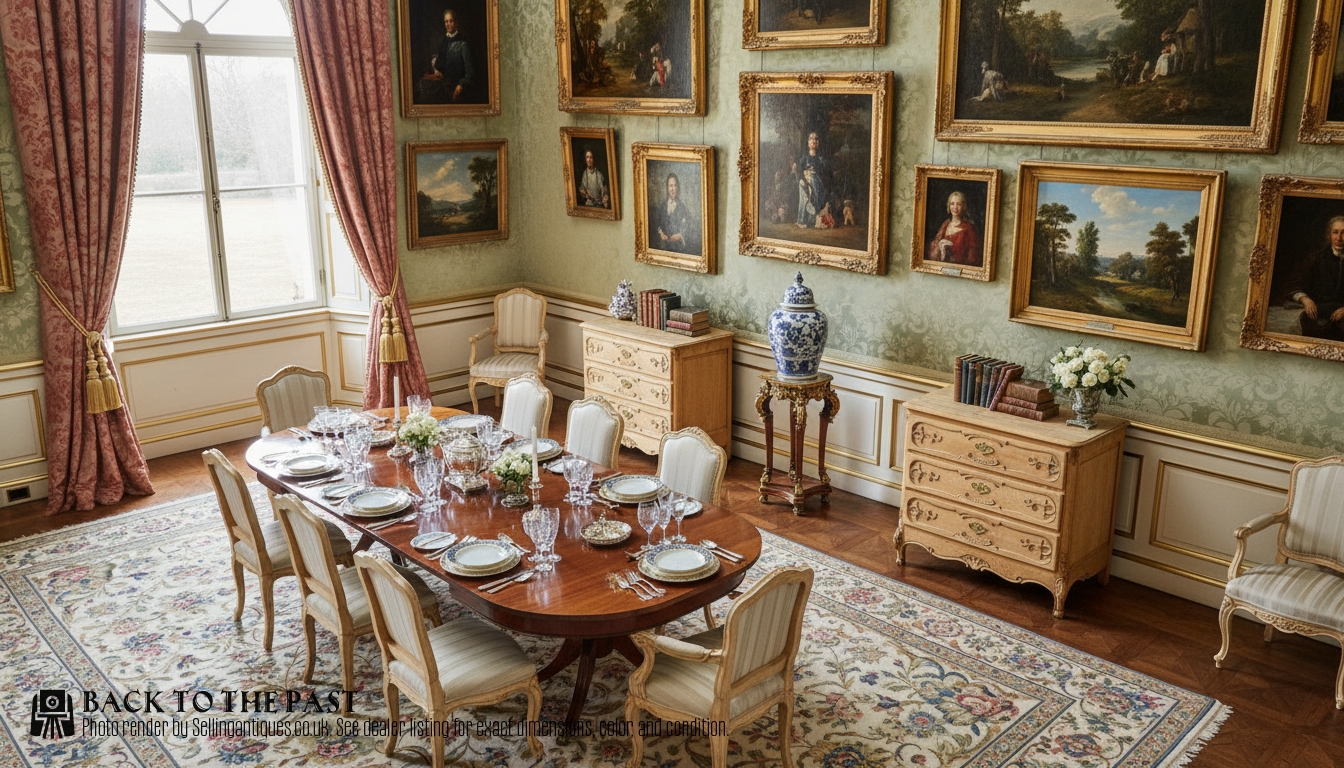
How they were made
Cabinet-makers constructed these pieces primarily from solid hardwoods such as mahogany, oak, walnut, and elm, often incorporating decorative veneers like burr walnut and satinwood. Construction methods relied on traditional joinery, dovetailing drawer carcases, and hand-carving decorative elements directly into the timber.
Surface treatments included French polishing, ebonising, and hand-painted finishes, whilst hardware such as brass handles and escutcheons secured the functional aspects of the doors and drawers. Regional workshops adapted these techniques to produce both strict geometric forms and flowing provincial curves.
Carved Wooden Commode Retail Price Guide 2026
Typical asking prices for carved wooden commode among the pieces listed under this phrase on Sellingantiques today, from the lower quarter to the upper quarter. They describe what is for sale here now, not the wider market.
Listings feature woods including mahogany, oak, walnut, burr walnut, satinwood, elm, and birch, spanning the 17th to the 20th century.
What varies in quality
The degree of refinement in the timber selection and the execution of the carving separate the top of the range from simpler utility items. Superior examples display carefully matched grain patterns, such as figured mahogany or burr walnut, alongside crisp, deeply undercut hand-carving.
Structural integrity and the retention of original brass hardware, handles, and feet heavily influence the standing of an individual piece. Lesser items may show replaced components, simplified joinery, or coarser surface finishes that lack the sharpness of period workshop production.
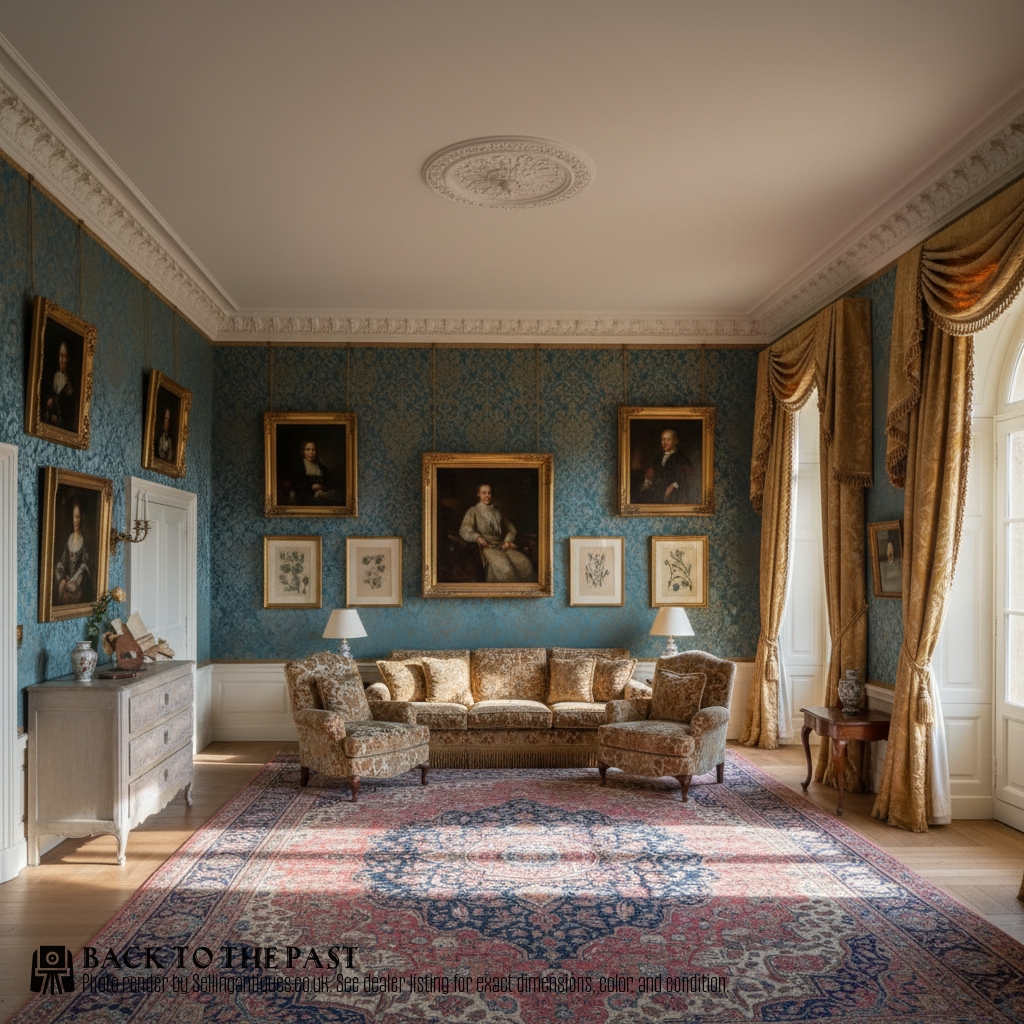
The Carved Wooden Commode Glossary
- Commode
- A low chest of drawers or cabinet, often originating from French or continental traditions, designed for domestic storage. These pieces frequently feature shaped fronts and decorative carving.
- Serpentine
- A furniture front curving outward at the centre and inward at the sides, creating a gentle wave shape. This contour requires skilled carpentry to achieve.
- Bombe
- A swelling, outward-curving profile found on drawer fronts and sides, particularly popular in 18th-century continental furniture. It adds considerable visual weight and movement to the silhouette.
- Crossbanding
- A strip of veneer applied to the border of a furniture surface with the grain running perpendicular to the main panel. This technique frames the primary timber and adds visual contrast.
- Close stool
- A piece of historic furniture designed to enclose a chamber pot, often disguised as a small chest, cupboard, or box stool. They date predominantly from earlier centuries.
Carved Wooden Commode: Frequently Asked Questions
How do I care for a polished wooden commode?
Keep wooden furniture away from direct heat sources and strong sunlight to prevent the timber and veneers from drying out or splitting. Dust regularly with a soft, dry cloth and apply occasional natural wax to maintain the polish.
Avoid using modern liquid polishes containing silicone, which can build up and damage antique finishes over time.
Where were most of these commodes made?
The pieces originate from various European and British regions, including provincial French workshops, Dutch cabinet-makers, and English domestic makers. Regional preferences dictated the choice of timber, such as oak in country districts and mahogany or walnut in urban centres.
Makers adapted local materials to suit prevailing styles like Georgian, Regency, or Louis XV.
How can I tell an 18th-century piece from a 19th-century one?
Earlier 18th-century pieces often display hand-cut dovetails, native timber secondary woods, and specific regional construction traits unique to provincial workshops. 19th-century furniture, including Victorian and Edwardian examples, frequently incorporates machine assistance and standardised hardware.
Examining the drawer linings and backboards reveals the primary manufacturing methods of the respective period.