







Carved Wood Urn Stand
A carved wood urn stand elevates heavy vessels and plants, bringing focus and structure to room corners.
Carved Wood Urn Stand
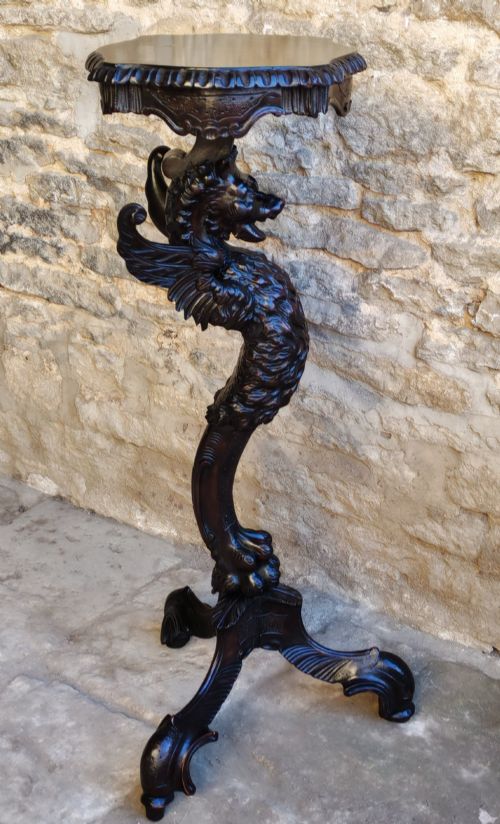
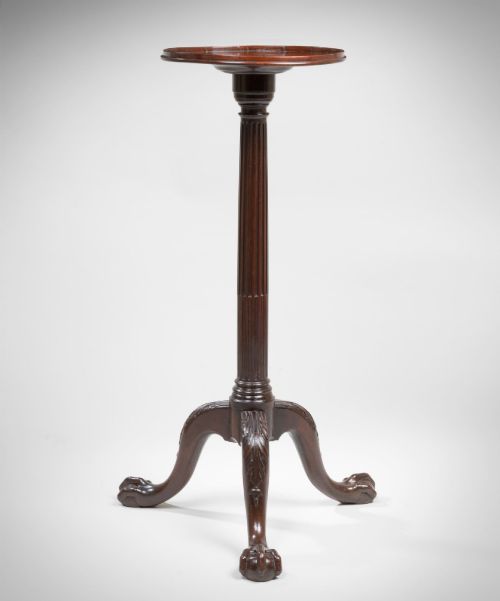
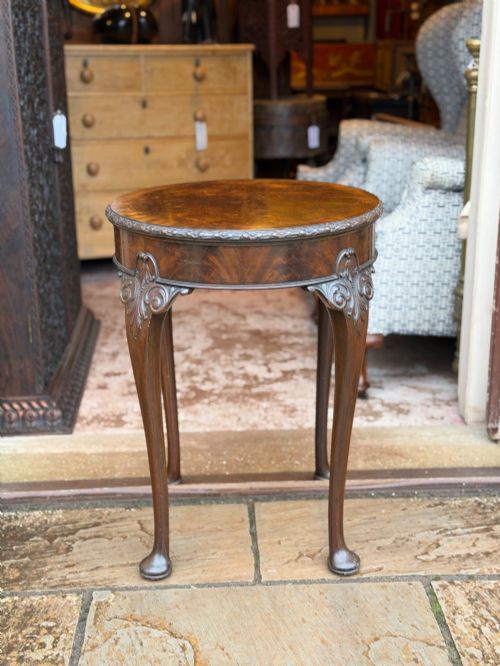
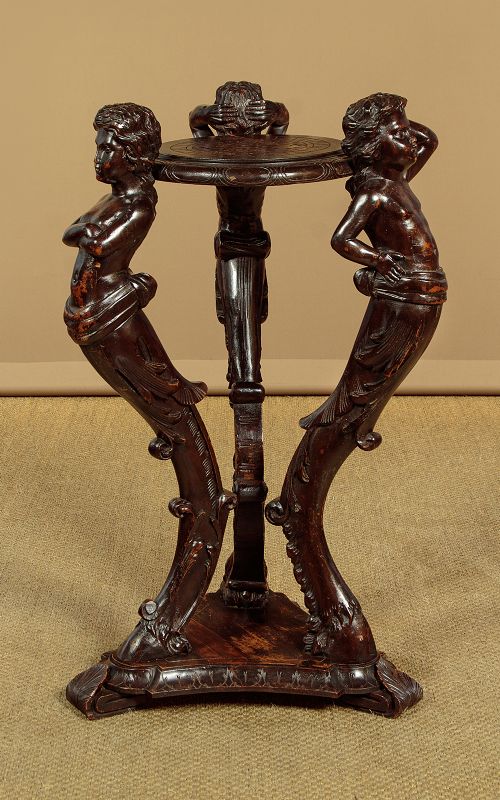
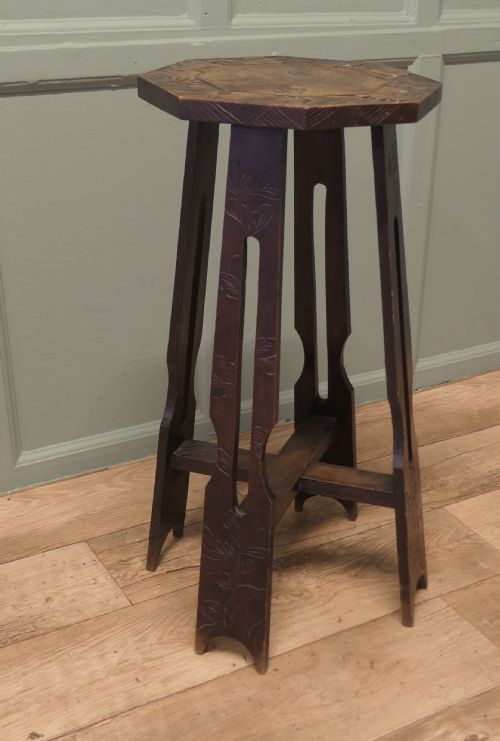
A carved wood urn stand serves to display heavy vessels, plants, and decorative objects at elevated heights. When exploring this selection, buyers frequently encounter pieces designed for this purpose originating from 18th century, Victorian, and Edwardian periods.
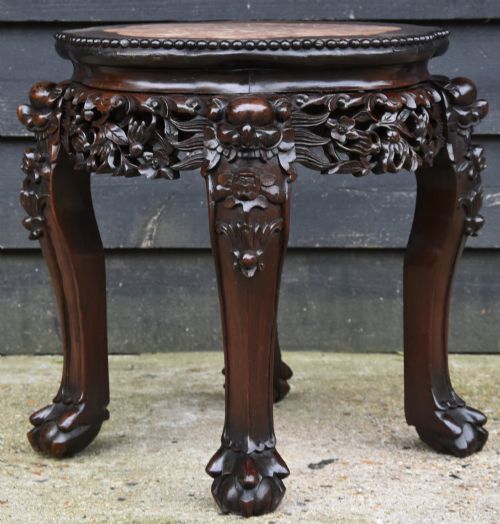
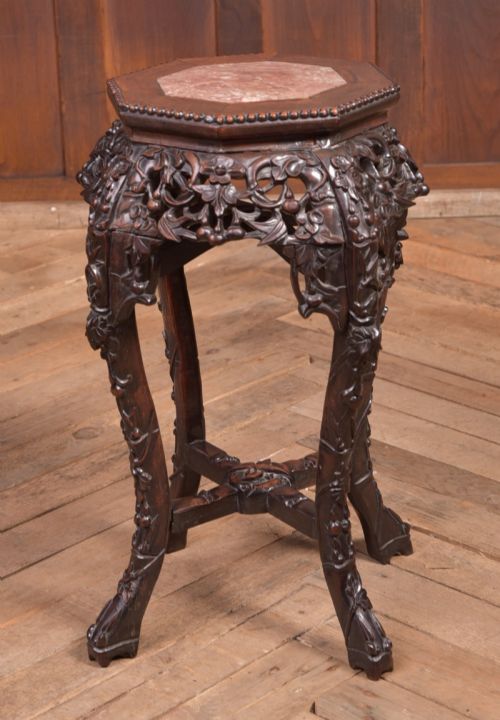
The form spans low tables, square tables, torcheres, and tall pedestals. Chinese export workshops produced many of these items in rosewood and padouk, often incorporating inset marble tops.
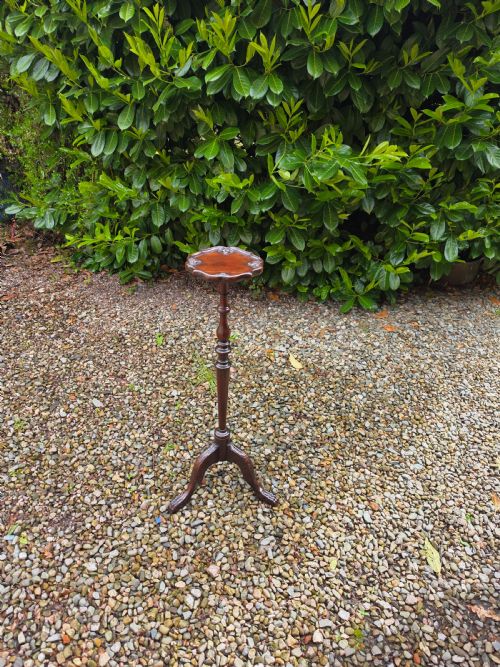
European makers contributed mahogany, walnut, and ebonised wood examples in styles reflecting Georgian and Victorian tastes. These items function as side tables, jardiniere stands, and vase tables within domestic interiors.
Materials and construction methods
Construction relies heavily on dense timbers such as rosewood, padouk, mahogany, and walnut, chosen to support heavy marble inserts and weighted ceramic vessels without warping. Carved decoration utilises deep relief work in hardwood, gesso, and ebonised wood.
Inset surfaces frequently employ variegated rouge marble or other hard stones fitted precisely into wooden frames. Structural joints involve traditional cabinet-making techniques suited to tall, narrow columns and low triform bases.
Carved Wood Urn Stand Retail Price Guide 2026
Typical asking prices for carved wood urn stand among the pieces listed under this phrase on Sellingantiques today, from the lower quarter to the upper quarter. They describe what is for sale here now, not the wider market.
Several stands double as resting places for bronze dragons, heavy wine vessels, and indoor portico planters.
Assessing quality in construction and material
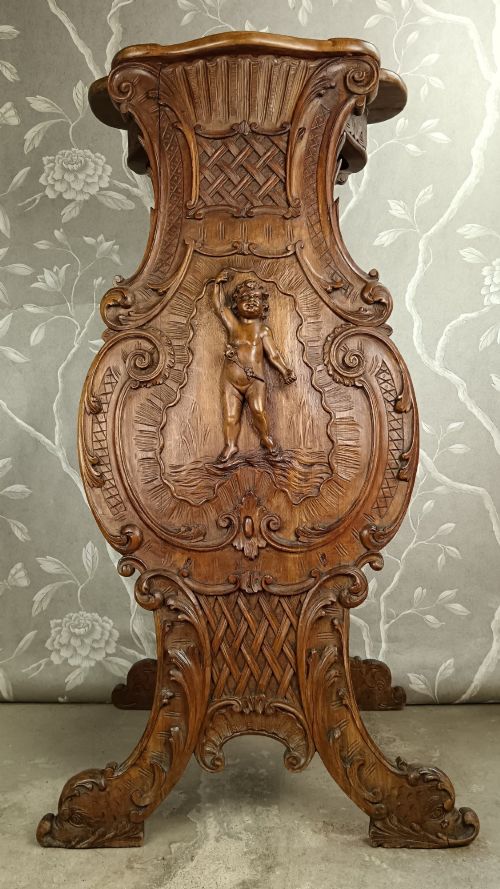
Quality reveals itself in the depth and crispness of the wood carving, where superior examples display undercut details and balanced symmetry rather than shallow, mechanical shaping. The selection of timber, particularly dense rosewood or figured mahogany, dictates the structural integrity and finish durability.
Integration of inset marble tops demands precise joinery to prevent movement or cracking along the wooden margins. Matching pairs and larger scale pieces demonstrate superior original commission status compared to isolated domestic items.
Liberty of London
The Carved Wood Urn Stand Glossary
- Torchere
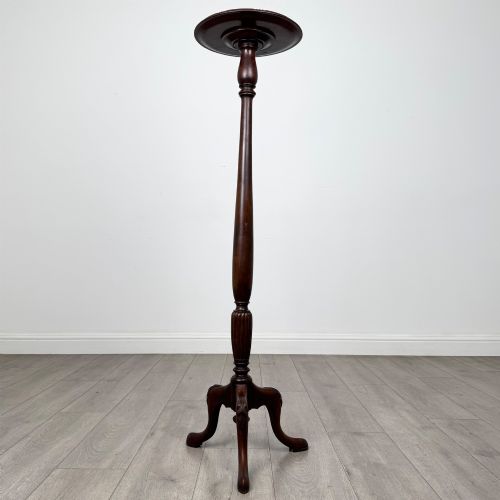
- A tall, slender stand designed to hold a lamp, candleholder, or small decorative urn. These pieces typically feature a slender central column supported by three legs or a weighted base.
- Jardiniere stand
- A low or medium table specifically constructed to support a ceramic plant container filled with soil and foliage. Water resistance and sturdy weight distribution are inherent to this form.
- Hongmu
- A traditional Chinese term denoting dense, heavy hardwoods such as rosewood and padouk. Artisans utilised these timbers for intricate carving on high-status tables and stands.
- Triform
- A base or pedestal configuration supported by three distinct feet or legs. This geometric arrangement provides stable footing for narrow display columns.
- Pedestal
- A vertical structural support that elevates a bust, urn, or vase above floor level. These items occur in various heights across 19th century European and Asian furniture traditions.
Carved Wood Urn Stand: Frequently Asked Questions
What is an urn stand used for?
An urn stand provides a dedicated elevated surface for heavy decorative vessels, ceramic planters, and bronze censers. Placing these items on stands protects floor surfaces and improves visibility within a room.
Historically, they also served as torchere columns for lighting or occasional tables for lamps and small objects. Their sturdy construction accommodates considerable weight from marble and ceramic.
How do I identify Chinese export stands?
Chinese export stands frequently utilise dense hardwoods like rosewood and padouk, combined with carved floral or dragon motifs. Many feature inset marble tops designed to resist moisture from plants.
Stylistic cues draw from Qing Dynasty traditions, often showing high-relief carving and robust joinery. These pieces span low table forms as well as tall jardiniere columns.
Where should I place a torchere stand?
A torchere stand functions effectively in corners, empty wall spaces, or flanking larger pieces of furniture. Their narrow footprint allows them to occupy tight areas while adding vertical interest.
They support table lamps, trailing plants, or decorative bronzes, drawing the eye upward. Stability is key, so placing them away from heavy traffic prevents accidental tipping.
How do I distinguish 19th century styles?
Nineteenth century pieces incorporate diverse regional influences, ranging from Victorian mahogany revivals to ornate French marble-top tables. Examining the timber grain and carving depth helps separate mass-produced items from custom workshop creations.
Labelled or attributed pieces, such as those associated with Liberty of London, reflect specific retailer aesthetics from the late period. Comparing construction techniques clarifies whether a piece follows Georgian traditions or Meiji period Japanese design.