



Carved Wood Table Sculpture
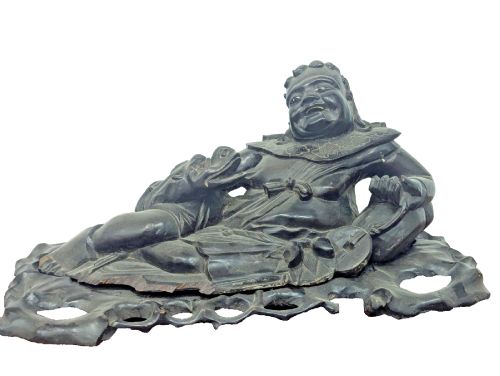
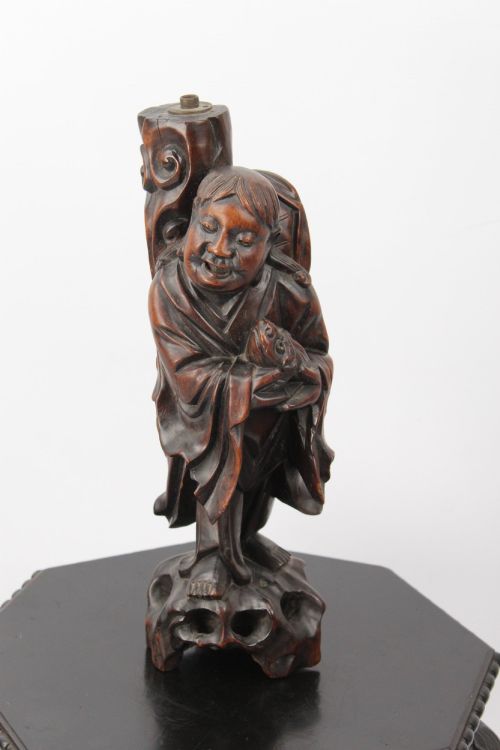
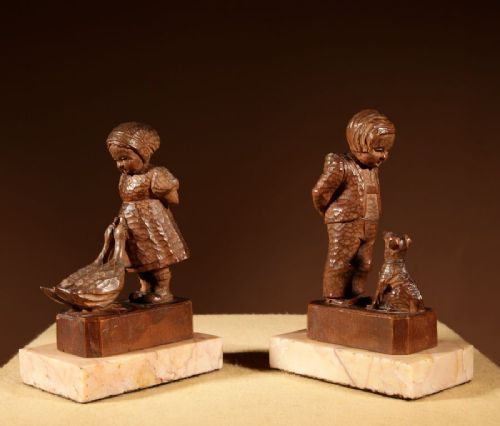
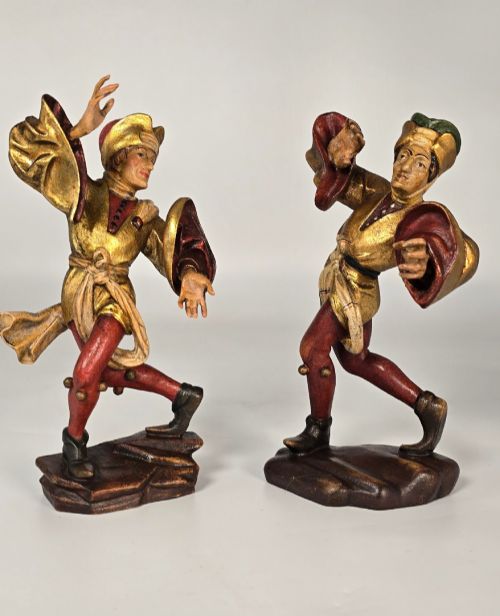
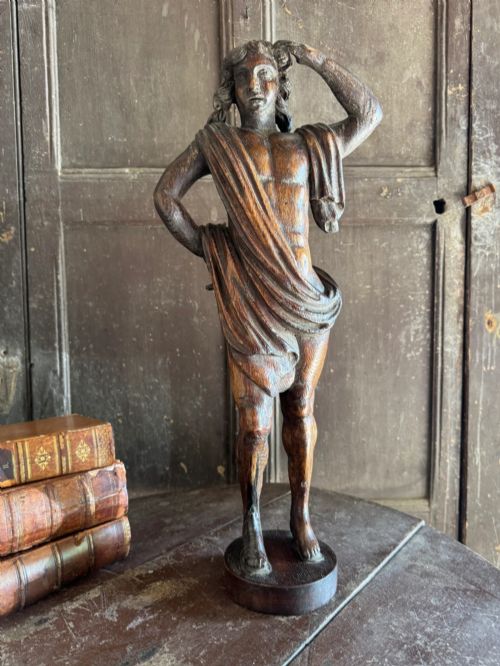
These carved wood table sculpture pieces bring tangible weight and character to a room, ranging from Black Forest animals to Asian figures.
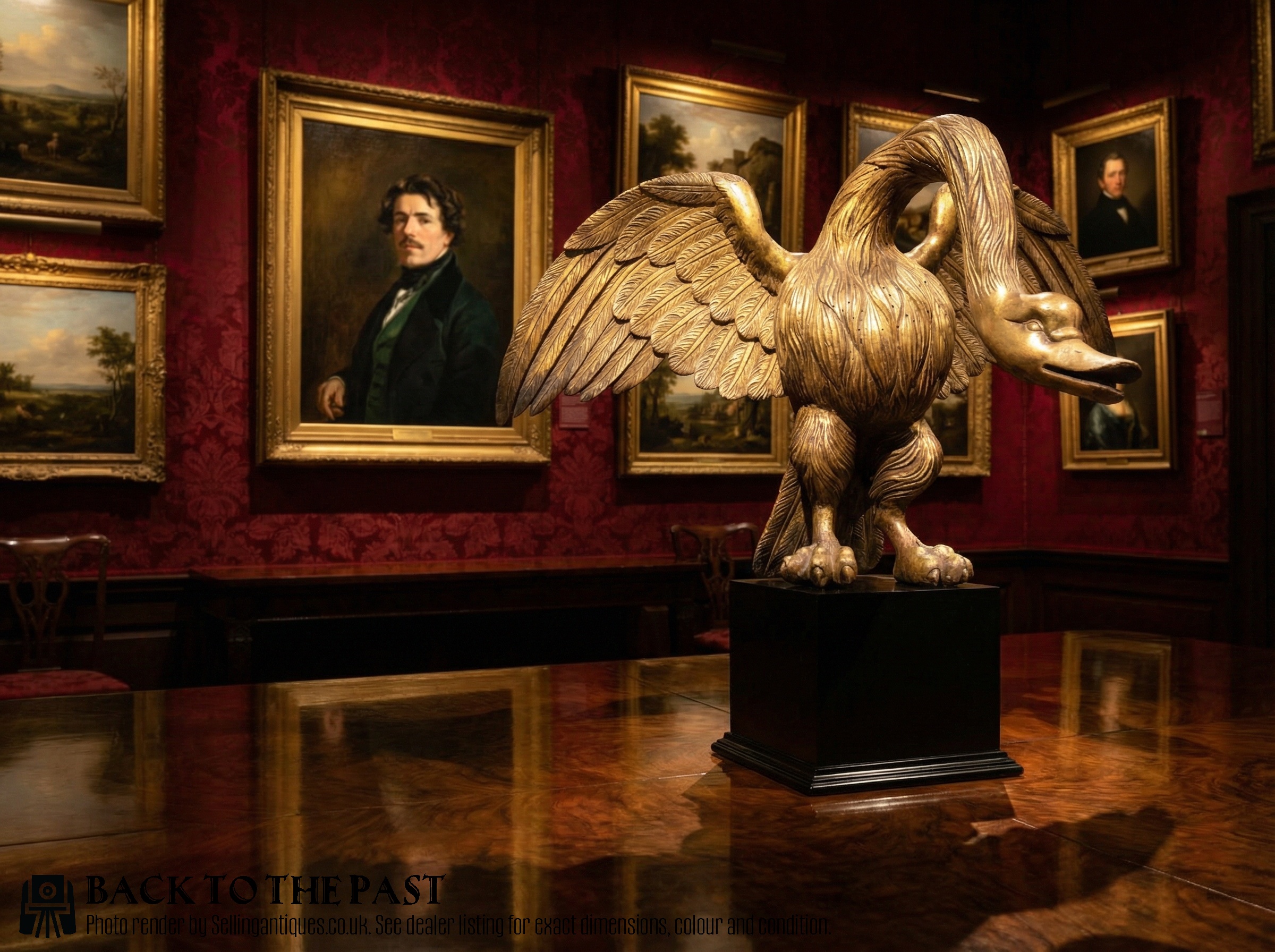
Carved Wood Table Sculpture
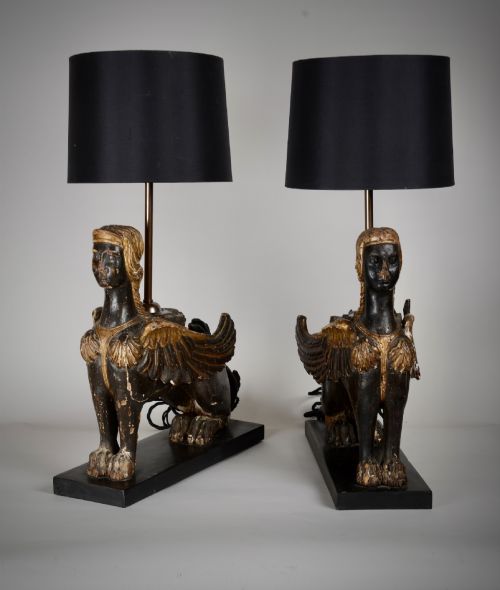
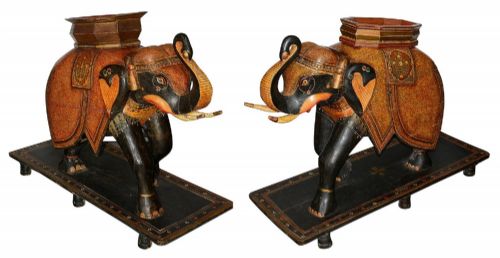
When you search for a carved wood table sculpture, you encounter a remarkably diverse range of objects originating from European, Asian, and African workshops. These items span utility and pure decoration, functioning as standalone figures, lamp conversions, plant stands, and functional gongs.
The selections on this page draw heavily from the nineteenth century, alongside eighteenth-century works and later twentieth-century examples. You will frequently find subjects encompassing human figures, mythological creatures, animals, and architectural fragments adapted for table display.
How they were made
Makers utilised various timbers, predominantly solid hardwoods, limewood, oak, and rootwood, shaping them with gouges and chisels to capture intricate anatomical and botanical details. Many pieces combine carved wood with secondary elements such as brass, giltwood, paint, and gesso to enhance texture and visual contrast.
Surface finishes vary significantly by origin, ranging from natural waxed grains to applied lacquer, gold leaf, and ebonisation. These traditional techniques reflect the specific regional schools of carving, from Swiss forest workshops to Qing dynasty studios.
A stoic wooden sailor whirligig stands ready to signal ships, proving that nineteenth-century carvers enjoyed adding a touch of mechanical whimsy to the parlour.
What varies in quality
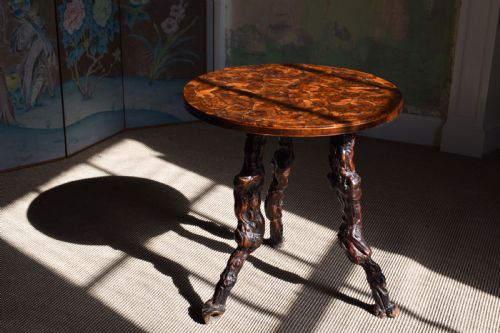
The quality of a carved wood table sculpture depends primarily on the depth and confidence of the carving itself, distinguishing fluid, lifelike musculature and plumage from stiff, mechanical incisions. Superior examples display a careful balance between the natural form of the wood, such as gnarled rootwood, and the controlled restraint of the maker's hand.
Proportion and structural integrity also separate standard items from finer works. Pieces that retain their original surfaces, gilding, or integrated stands without excessive later restoration command greater appreciation among collectors.
Laszlo Hoenig
The Carved Wood Table Sculpture Glossary
- Black Forest
- A style of wood carving originating from the mountainous region of Central Europe, typically depicting animals and figures in limewood. These pieces often show bears, dogs, or forest foliage rendered with deep relief.
- Giltwood
- Wood that has been coated with a thin layer of gold leaf or powder over a prepared gesso ground. This treatment provides a bright, reflective finish often seen on eighteenth and nineteenth-century decorative ornaments.
- Rootwood
- Timber sourced from the root system of a tree, valued for its gnarled, twisting natural contours. Chinese carvers frequently utilised this material to exploit its organic shapes for stands and figurative sculptures.
- Gesso
- A plaster-like mixture applied to wood surfaces to create a smooth base for gilding or painting. It allows for crisp decorative mouldings before the application of gold leaf.
- Ebonisation
- A chemical or pigment treatment applied to cheaper timbers to imitate the dark, dense appearance of ebony. Victorian carvers employed this method to achieve a formal, uniform finish on figures and stands.
Carved Wood Table Sculpture: Frequently Asked Questions
What periods do these sculptures cover?
The pieces span from the eighteenth century through the Victorian and Edwardian eras into the early twentieth century. You will find items representing distinct historical movements like the Qing dynasty and Art Deco.
Each period brings its own characteristic choice of timber, subject matter, and surface finish, allowing you to trace shifts in taste and workshop traditions across different continents.
How do I care for antique wood sculptures?
Keep wooden sculptures away from direct sunlight and sudden temperature shifts to prevent the timber from splitting or warping. Dust them gently with a dry, soft cloth rather than applying modern liquid polishes.
Maintaining a stable indoor humidity helps preserve both the exposed wood grain and any delicate surface treatments like gesso or gold leaf.
Are these pieces purely decorative?
While many function solely as visual sculptures or figurines, a substantial number serve practical roles in a room. You will encounter forms that double as table lamps, dining gongs, plant stands, and small tables.
This crossover between utility and artistry means these objects often anchored daily domestic life in the nineteenth and early twentieth centuries.
How can I identify Black Forest carvings?
Black Forest carvings are typically rendered in European limewood and focus heavily on naturalistic animals, particularly bears, alongside human figures engaged in rural activities. They often feature deep undercutting and rich, dark waxed finishes.
Originating from Swiss and German regions, these pieces carry a distinct alpine aesthetic that sets them apart from contemporary Asian rootwood or European neoclassical figures.