

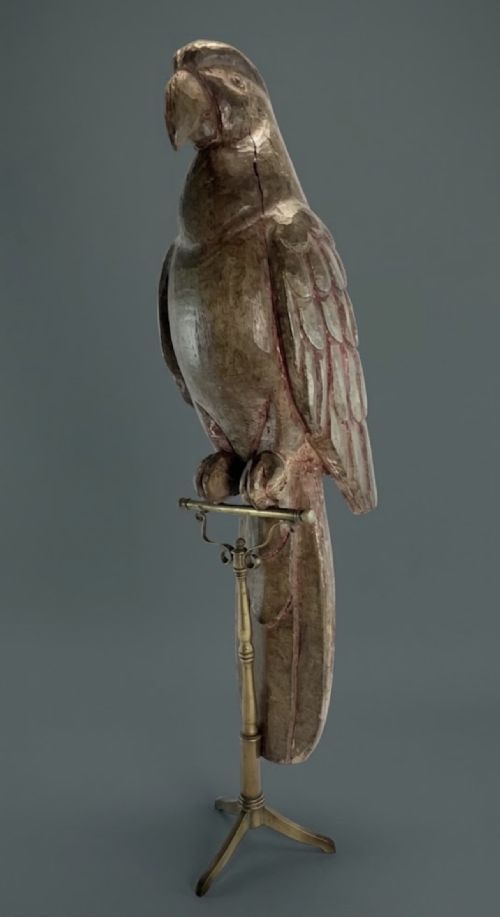
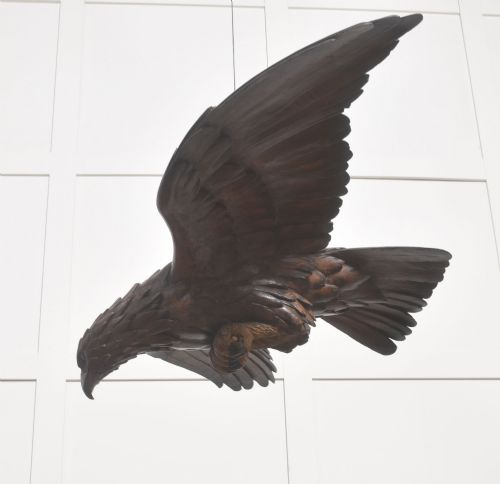


Carved Wooden Bird Statue
A carved wooden bird statue brings character to a room through traditional craftsmanship and varied regional styles.
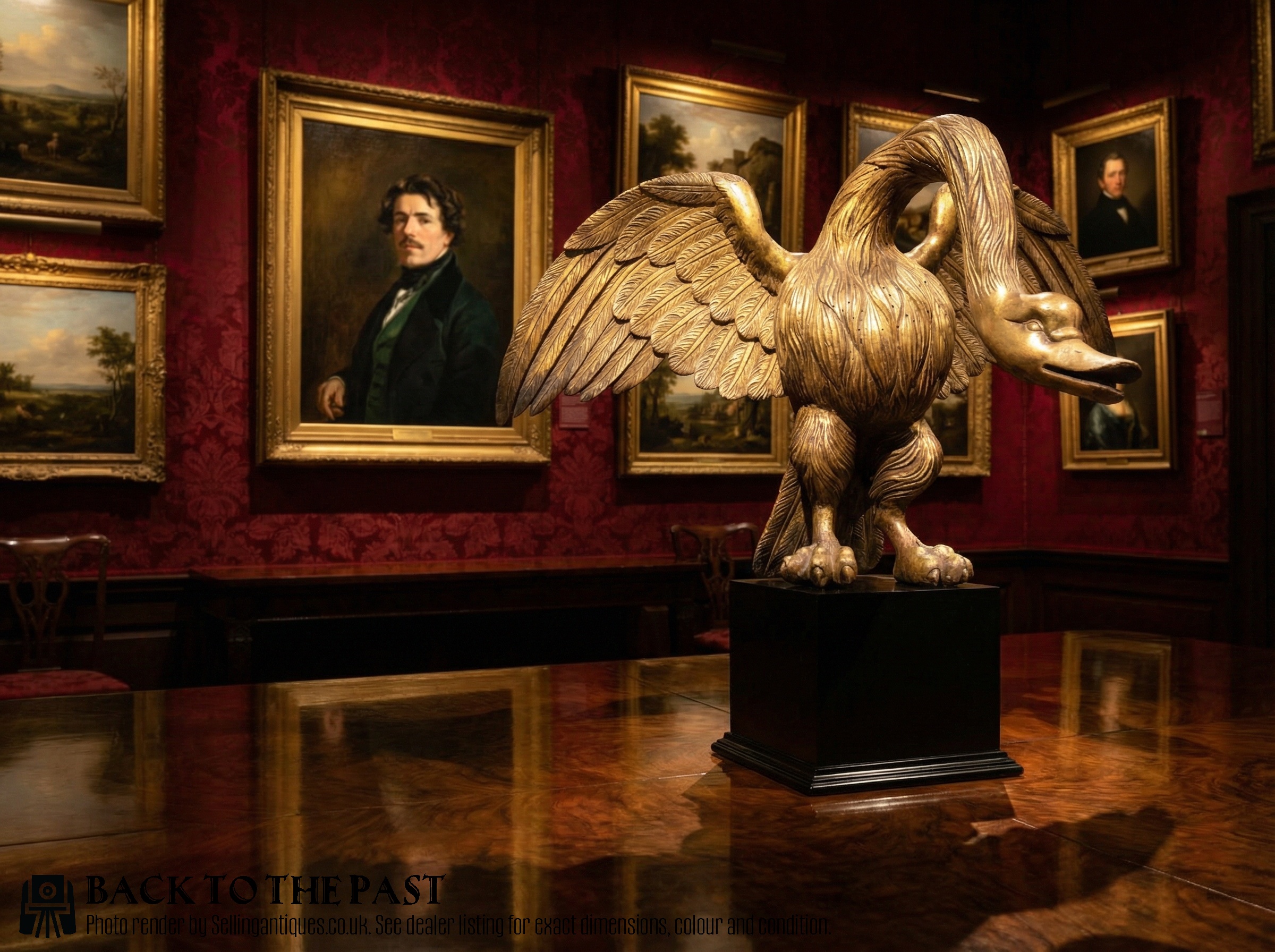
Carved Wooden Bird Statue
When you search for a carved wooden bird statue, you enter a field populated by figures spanning the eighteenth, nineteenth and early twentieth centuries. These pieces cross several distinct design traditions, ranging from European alpine workshops to Asian decorative arts.
The objects appear in forms such as parrots, eagles, ducks, hawks, herons and swans. You are most likely to meet nineteenth-century examples and items associated with Black Forest or folk art traditions.
Makers utilised diverse woods including walnut, pine, mahogany and hardwood, sometimes finishing the surface with dark stain, paint, gilding or delicate penwork. Certain items incorporate brass stands or porcelain and bronze elements to complement the carved avian forms.
How they were made
Artisans shaped these sculptures using manual carving techniques on various timbers, ranging from dense walnut and mahogany to softer pine and general hardwoods. The physical construction relies on the direct manipulation of the grain to define feathers, posture and anatomical detail.
Surface treatments play a crucial role in the final appearance, utilising dark stains, hand-applied paint, and intricate penwork in the chinoiserie style. Some pieces are enhanced with gilding or mounted upon brass components to elevate the visual presentation.
Carved Wooden Bird Statue Retail Price Guide 2026
Typical asking prices for carved wooden bird statue among the pieces listed under this phrase on Sellingantiques today, from the lower quarter to the upper quarter. They describe what is for sale here now, not the wider market.
Listings include nineteenth-century works, Victorian pieces, and items from nineteen hundred, utilising walnut, pine, mahogany, and brass.
What varies in quality
The standard of a carved wooden bird statue rests primarily on the depth and precision of the carving. Stronger examples display a confident command of avian anatomy, capturing the tension in a wing or the alert posture of a hawk.
Materials and surface finishes also influence the character of the piece. Crisp detailing in the feather work and well-preserved paint, stain or gilding separate more ambitious sculptural efforts from simpler decorative items.
The Carved Wooden Bird Statue Glossary
- Black Forest
- A style of wood carving originating from the central European mountain region, renowned for realistic animal sculptures. These pieces often depict birds and forest fauna with deep, textured texturing.
- Folk Art
- Objects created by self-taught or traditional craftspeople outside academic fine art traditions. These sculptures emphasise direct charm and utilitarian roots over strict classical proportions.
- Chinoiserie
- A European decorative style reflecting Chinese artistic influences. This aesthetic appears in detailed penwork and stylized compositions applied to wooden sculptures.
- Sancai
- A three-colour glaze tradition associated with Chinese ceramics. Items featuring this glaze display characteristic amber, green and cream tones.
- Ming Style
- Design characteristics drawing inspiration from the Ming Dynasty period. This approach emphasises balanced forms and traditional Asian motifs.
Carved Wooden Bird Statue: Frequently Asked Questions
What periods do these bird sculptures come from?
The available pieces span the eighteenth century, the nineteenth century, and into the early twentieth century. Victorians produced many of the detailed animal carvings seen today.
Earlier examples from the late eighteenth century sit alongside items dated around nineteen hundred and nineteen ten. Each era brings distinct regional techniques and material choices to the tradition.
Which woods were used for these carvings?
Carvers utilised a range of timbers including walnut, mahogany, pine and general hardwoods. The choice of wood often dictated the fineness of the detail achievable in the feathers and form.
Surfaces were frequently finished with dark stains, hand-applied paint, or gilding. Some sculptures also incorporated brass stands or bronze elements.
How do I identify Black Forest carvings?
Black Forest carvings are typically characterised by realistic depictions of animals and natural subjects executed in dark woods like walnut. They often feature deep undercutting and textured surfaces that mimic fur and feathers.
Originating from European mountain workshops, these decorative figures range from fierce eagles to domestic ducks and songbirds.
What is folk art in wooden sculptures?
Folk art sculptures are traditional pieces made outside formal academic training, often serving decorative or practical purposes like decoy ducks. Their appeal lies in their unpretentious charm and direct craftsmanship.
These items showcase regional aesthetics and the personal interpretations of individual makers working with local timber.