


Antique Italian Carving
Antique italian carving brings together gilded surfaces and walnut structures crafted across centuries of regional workshops.
Antique Italian Carving
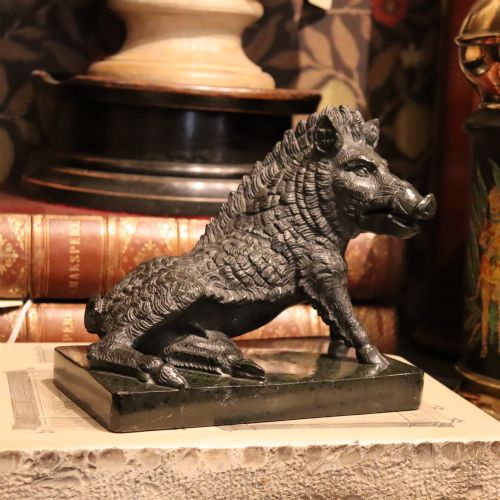
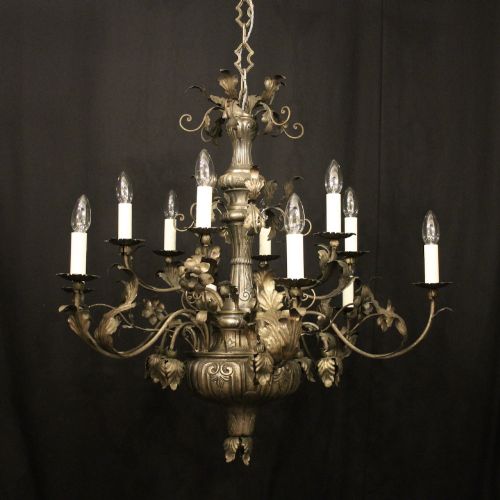
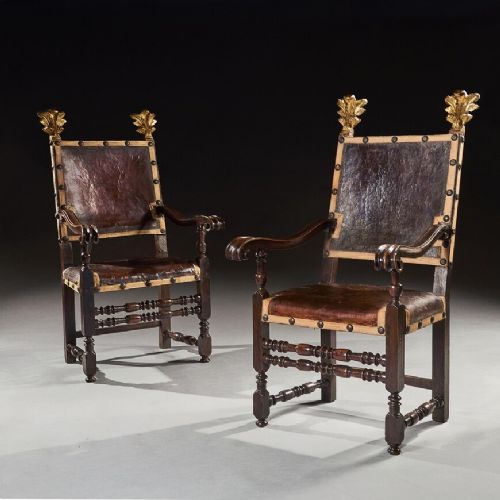
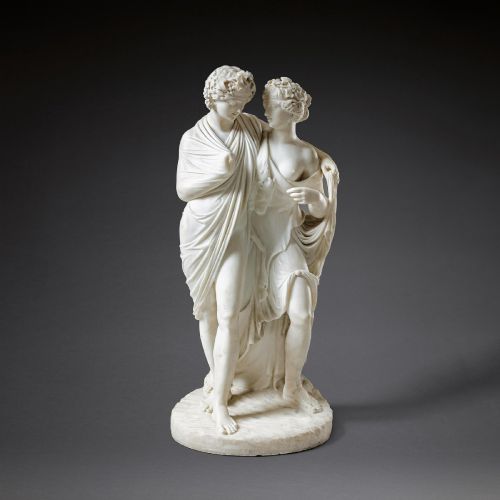
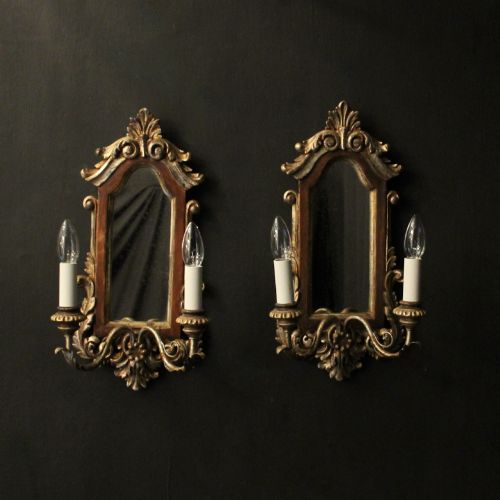
When searching for antique italian carving, a buyer encounters a diverse range of functional and decorative forms spanning multiple centuries. The selection typically includes monumental console tables, elaborate giltwood wall mirrors, carved seating, and figural sculptures.
The objects most frequently met on this page date from the nineteenth century, alongside significant seventeenth and eighteenth-century examples. These pieces originate from regional centres such as Florence, Genoa, and Venice, reflecting distinct local aesthetics.
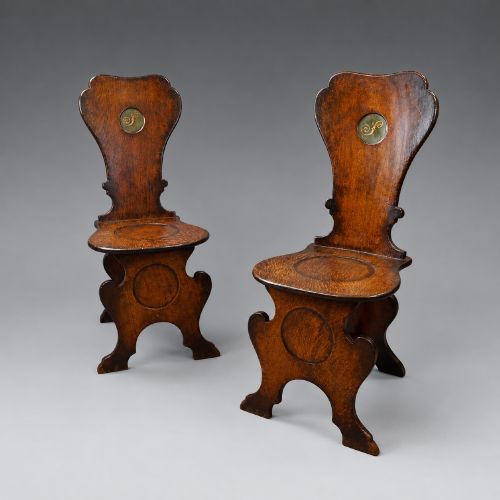
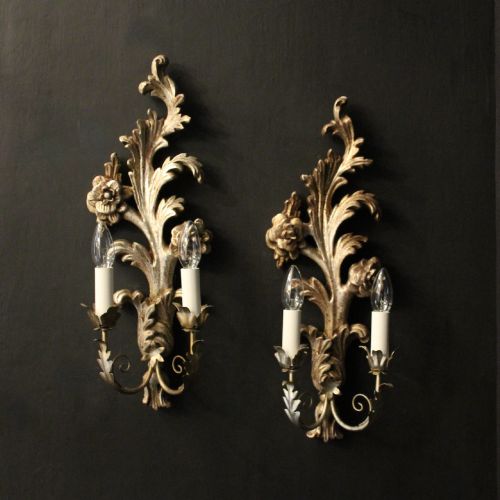
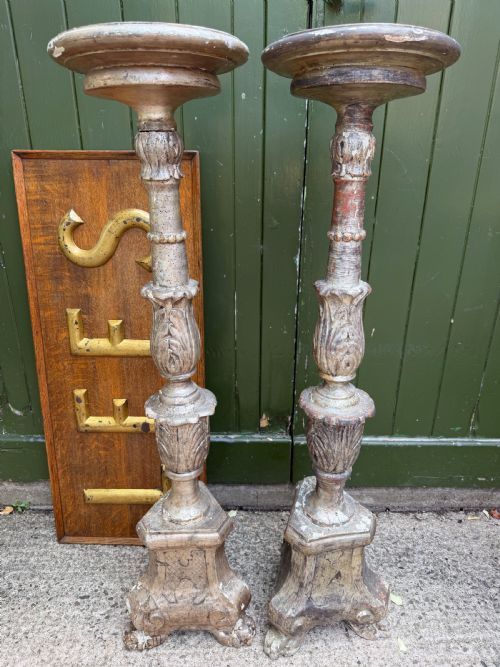
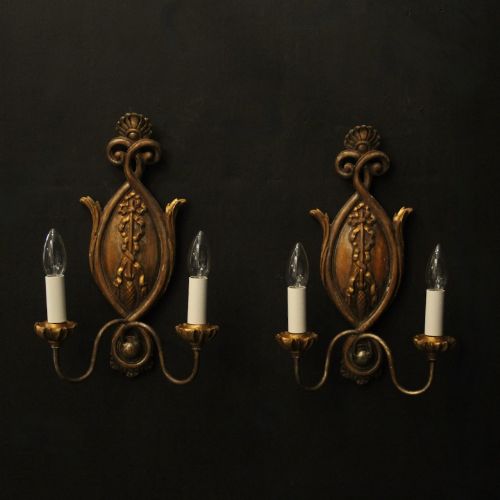
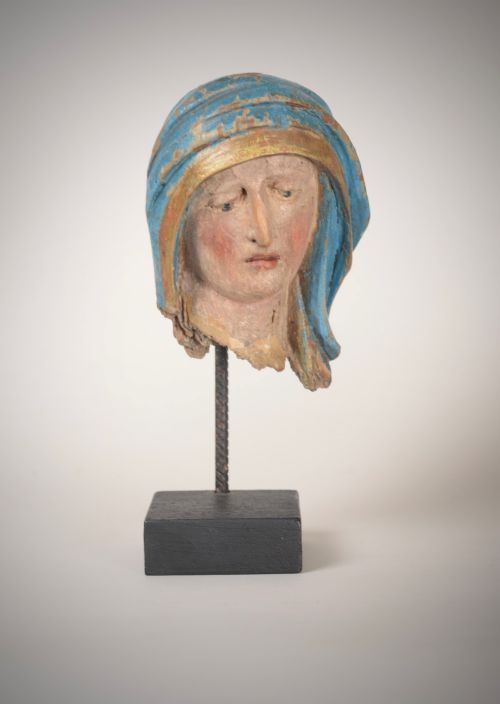
Forms range from architectural wall brackets and torcheres to grand armchairs and marble busts. Each piece demonstrates the sculptural ambition characteristic of Italian decorative arts across various periods.
How they were made
Workshops utilised dense native timbers such as walnut, pine, and cypress for structural forms and relief panels. Carvers shaped these woods using traditional chisels and gouges before applying decorative finishes.
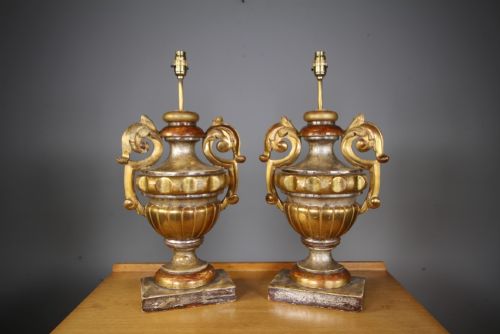
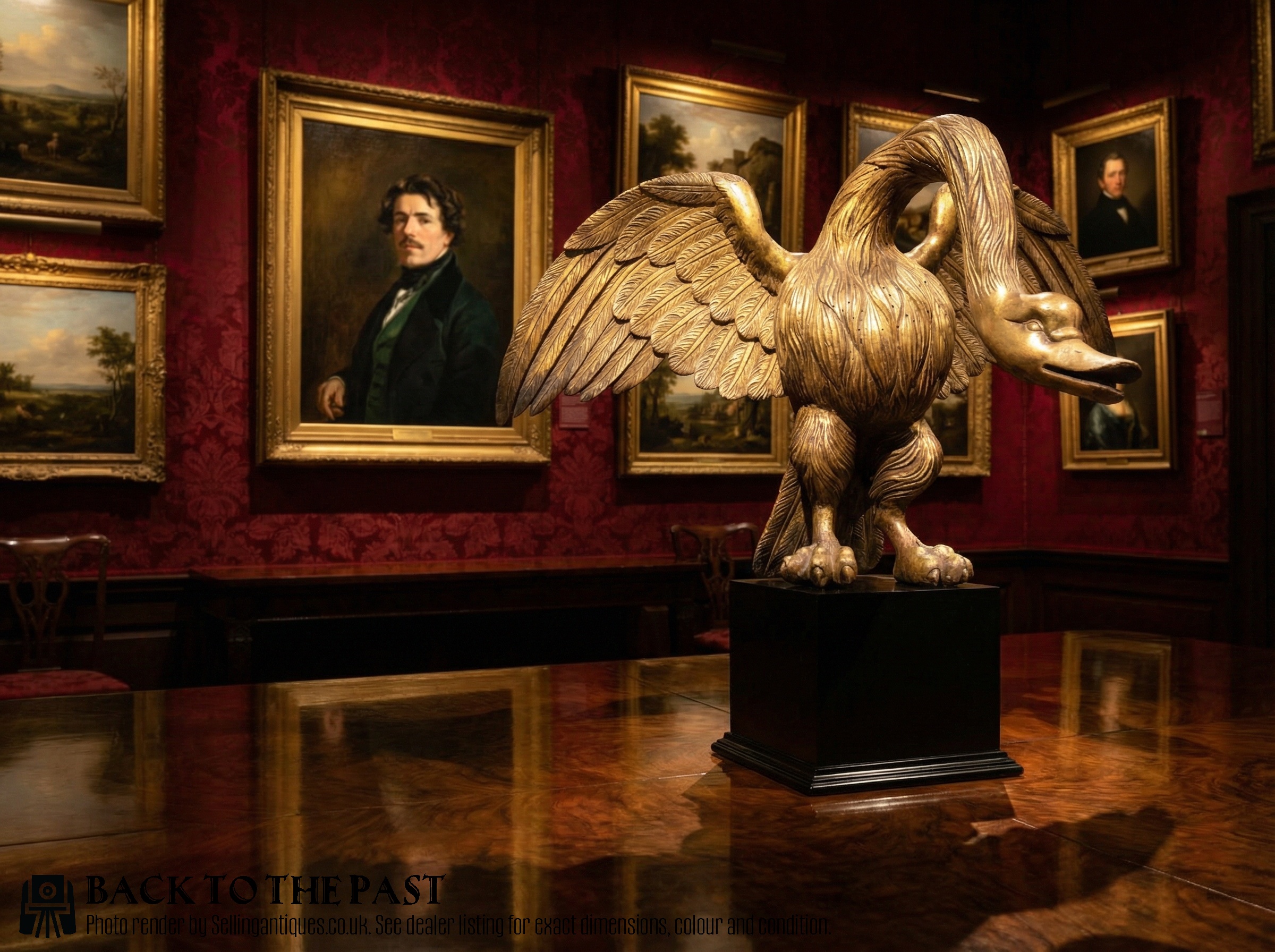
Giltwood and silvered surfaces relied on the application of gesso as a ground, followed by layers of gold leaf or silver leaf. Marble and alabaster components were hand-carved and polished, often reproducing classical antiquities for the Grand Tour market.
Listings feature walnut, pine, and cypress woods alongside gesso, gold leaf, and veined Carrara marble.
What varies in quality
Quality in antique italian carving depends primarily on the depth and definition of the chisel work. Master carvers achieved crisp undercut details in foliage and figures, whereas lesser pieces display softer, shallower relief.
The integrity of the gilded or painted surface dictates the visual impact of mirrors, tables, and consoles. Original gesso and leaf retain subtle tool marks and tonal variations that mechanical restorations obscure.
Carlo Albacini·Andrea Brustolon·Barranti Florence
The Antique Italian Carving Glossary
- Giltwood
- Wood that has been coated with gold leaf over a prepared gesso ground. This technique creates a luminous, reflective surface frequently seen on mirrors and consoles.
- Gesso
- A plaster mixture applied to wood surfaces to provide a smooth base for gilding or painting. Artisans built up layers to ensure crisp definition before applying metal leaf.
- Console table
- A wall-mounted or freestanding table supported by ornate brackets or legs. These tables often feature shaped marble tops and heavily carved aprons.
- Torchiere
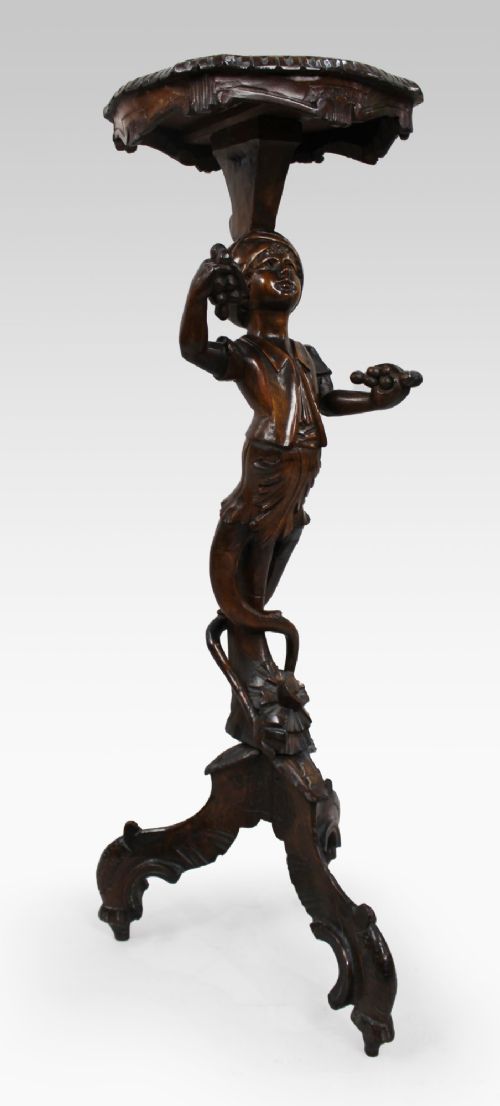
- A tall stand or candlestick holder designed to support a light source. Examples often take the form of carved figures or fluted wooden columns.
- Grand Tour
- A cultural journey undertaken by wealthy Europeans to study classical antiquities. Souvenirs from these trips included small-scale marble and alabaster sculptures.
Antique Italian Carving: Frequently Asked Questions
How do I care for antique giltwood?
Dust surfaces gently with a dry, soft feather duster to prevent accumulation without disturbing the delicate metallic leaf.
Avoid moisture and chemical cleaning agents entirely, as water strips the underlying gesso preparation.
Where were console tables placed?
Console tables stood against drawing room walls beneath large mirrors or paintings to create a balanced architectural scheme.
Their substantial marble tops and carved bases served both a decorative and a structural role in formal interiors.
What is a torchiere used for?
Torchieres functioned historically as tall candle stands to illuminate dark corners of grand reception rooms.
Today, collectors place these carved wooden stands in halls or living spaces as sculptural floor-standing accents.
How do I identify Florentine mirrors?
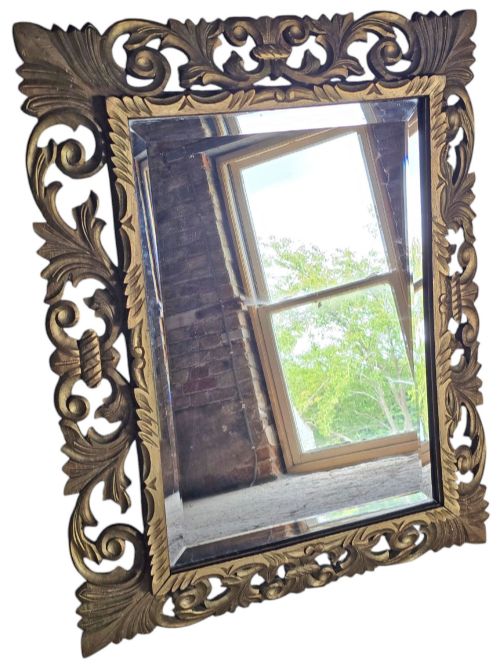
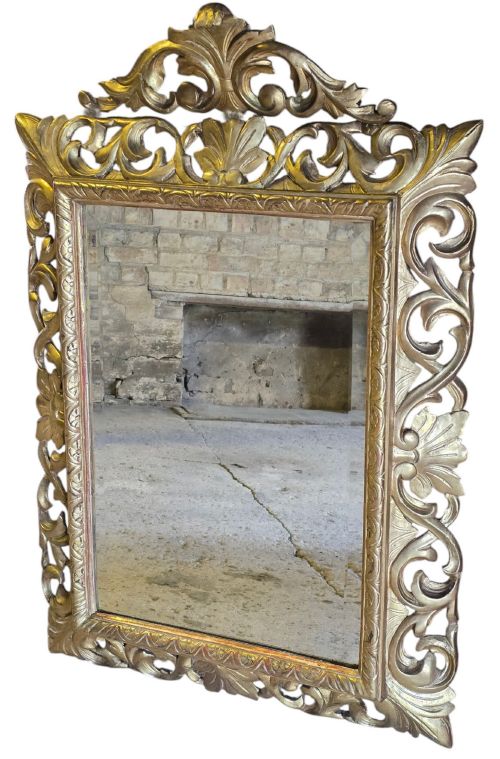
Florentine mirrors feature distinctive pierced frame carvings composed of scrollwork, acanthus leaves, and floral motifs.
These pieces typically showcase extensive giltwood application designed to create a heavy statement piece above a mantel.