





Carved Walnut Bird Carving
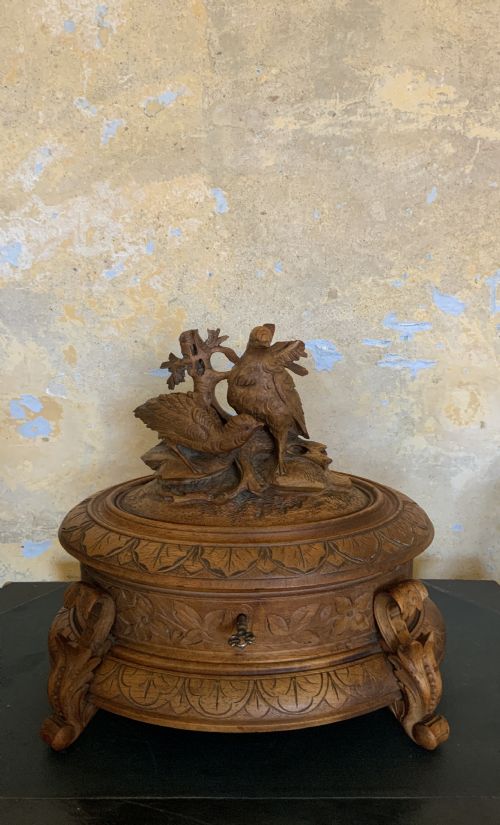
These carved walnut bird carving pieces bring domestic spaces alive with the striking presence of hand-sculpted avian figures.
Carved Walnut Bird Carving
A carved walnut bird carving brings together naturalistic animal sculpture and functional household objects from the nineteenth century. Buyers searching this phrase encounter items where finely rendered birds merge with decorative wooden pieces.
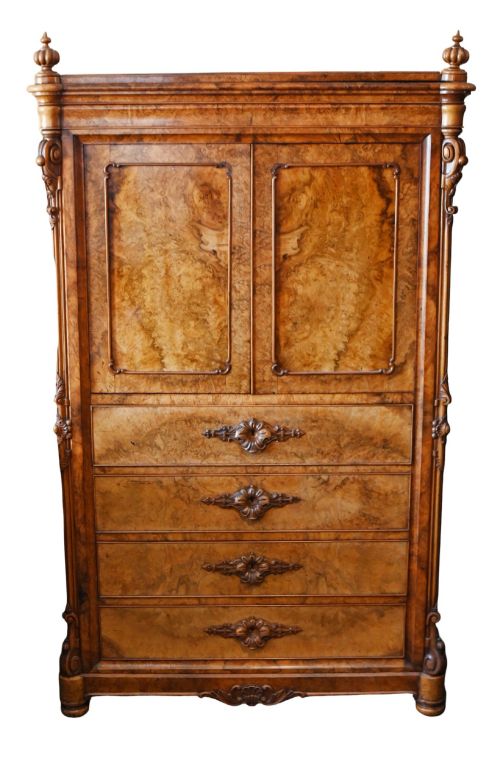
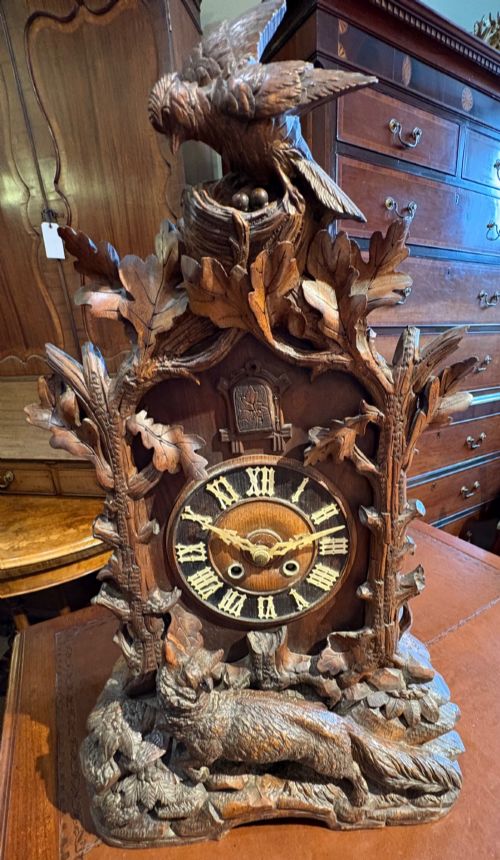
The selections on this page lean heavily towards Black Forest production, alongside pieces from the Victorian era. These items take the form of wall mirrors featuring birds of prey, standalone carvings, and cuckoo clocks.
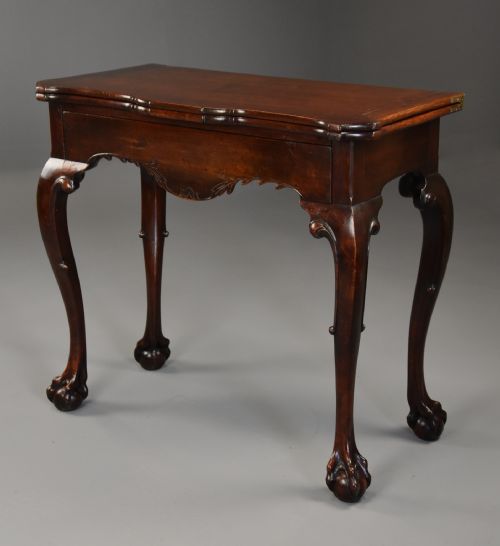
Earlier Georgian examples also appear, such as an eighteenth-century tea table featuring an inlaid bird design. Walnut serves as the primary medium across these works, often paired with linden wood.
How they were made
Carvers shaped these objects using hand tools on walnut and linden wood, achieving deep relief and naturalistic feather textures. Makers utilised timber grain to give depth to the bodies and wings of the birds.
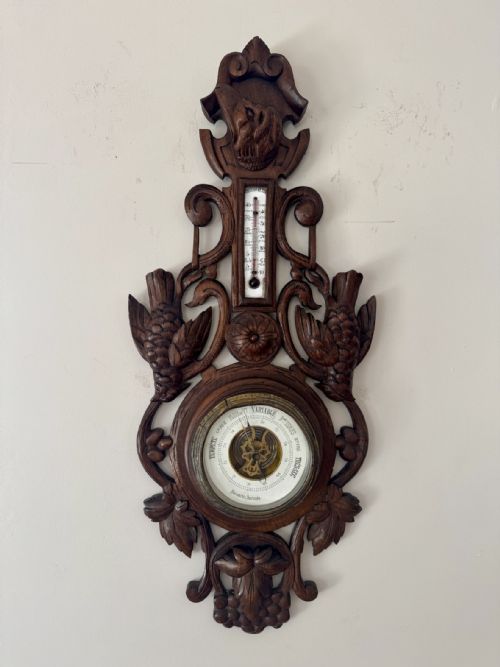
Glass eyes sometimes appear in the carvings to heighten the lifelike appearance of hawks and eagles. Metal components support mechanisms in functional items like barometers and mantel clocks.
Carved Walnut Bird Carving Retail Price Guide 2026
Typical asking prices for carved walnut bird carving among the pieces listed under this phrase on Sellingantiques today, from the lower quarter to the upper quarter. They describe what is for sale here now, not the wider market.
Listings feature items from the eighteenth and nineteenth centuries, spanning Georgian and Victorian periods.
What varies in quality
Depth of relief and anatomical precision separate standard carvings from exceptional ones. The finest pieces capture tension in the wings and sharpness in the talons, moving beyond stiff representation.
The integration of the bird carving into the host object dictates the sophistication of the piece. Superior examples feature seamless transitions between the sculptural creature and the functional surface or frame.
The Carved Walnut Bird Carving Glossary
- Black Forest
- A regional style of wood carving originating from central Europe during the nineteenth century. It is known for realistic animal and foliage motifs.
- Relief
- A sculptural technique where figures project from a background plane. Carvers carved bird forms directly into the solid walnut structure.
- Aneroid barometer
- An instrument for measuring atmospheric pressure without liquid. These devices frequently incorporated carved wooden housing.
- Patina
- The surface sheen developed through age and handling on wooden furniture. This quality indicates the natural maturation of walnut over decades.
Carved Walnut Bird Carving: Frequently Asked Questions
What periods do these carvings come from?
The listings span from the mid-eighteenth century through the nineteenth century. Victorian and Black Forest styles dominate the selection.
Dating relies on stylistic conventions and material use. Earlier examples display Georgian cabinetmaking techniques, while later pieces reflect nineteenth-century Swiss and German workshop methods.
How were these bird carvings used?
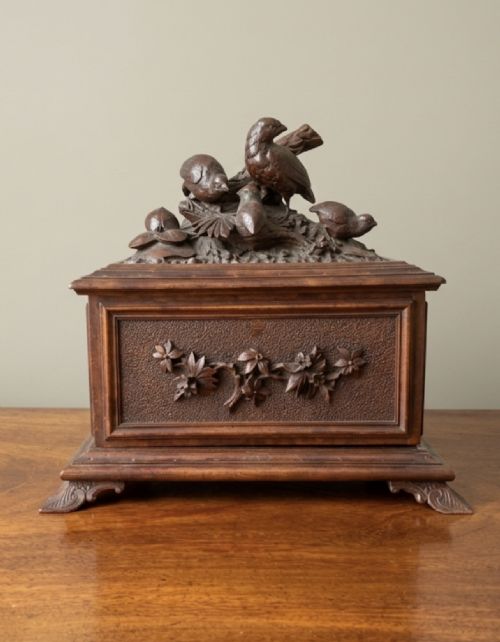
Many served as decorative items or functional household accessories. Objects range from jewellery boxes and humidors to wall mirrors and clocks.
Birds of prey often surmounted mirrors or stood as independent sculptures. Smaller fowl adorned the crests of cuckoo clocks and caskets.
Where were these items made?
Origin points include the Black Forest region of Germany and Switzerland, alongside British and Irish workshops. Regional carving traditions shaped the specific style of each piece.
German and Swiss makers specialised in naturalistic animal forms. British makers integrated these carved motifs into standard furniture forms like credenzas and tea tables.