


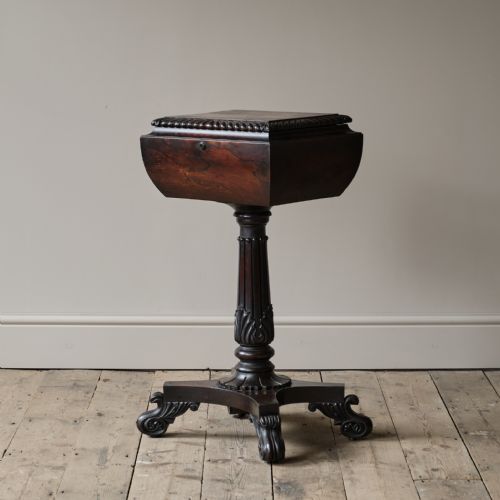
Carved Wood Storage Chest
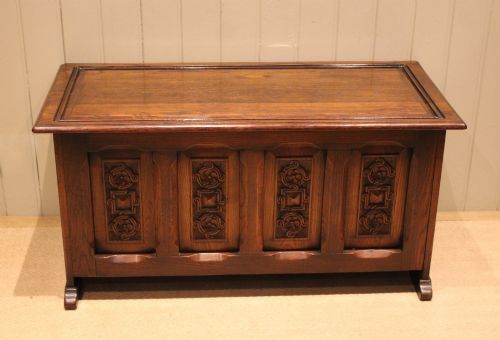
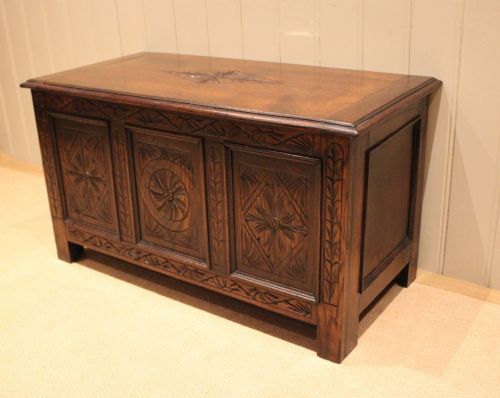
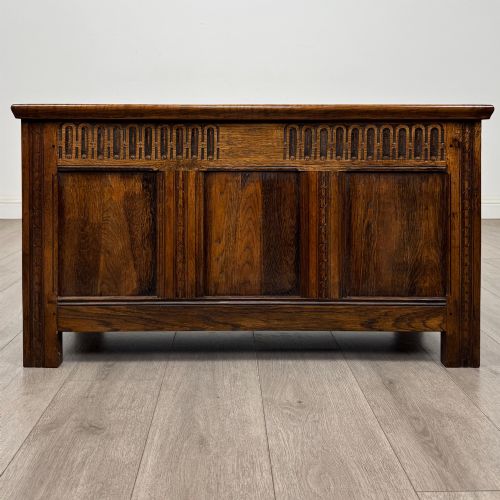
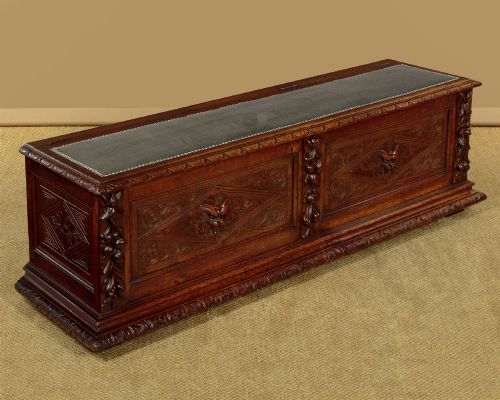
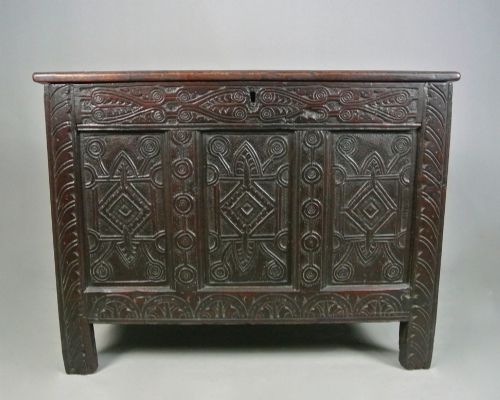
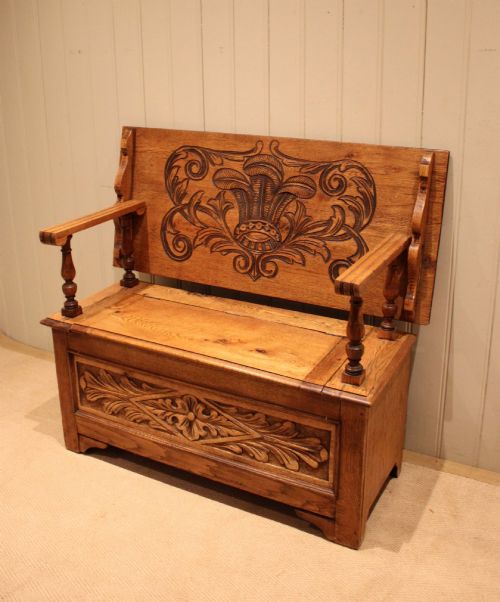
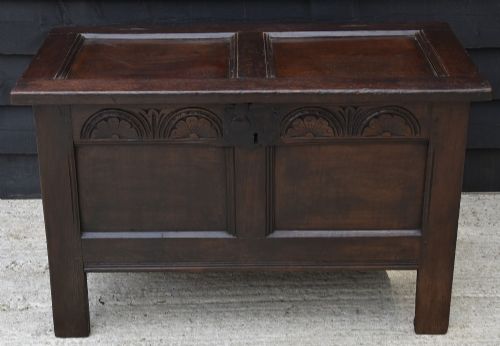
These carved wood storage chest examples offer heavy timber construction and panelled lids designed to hold household goods across centuries.
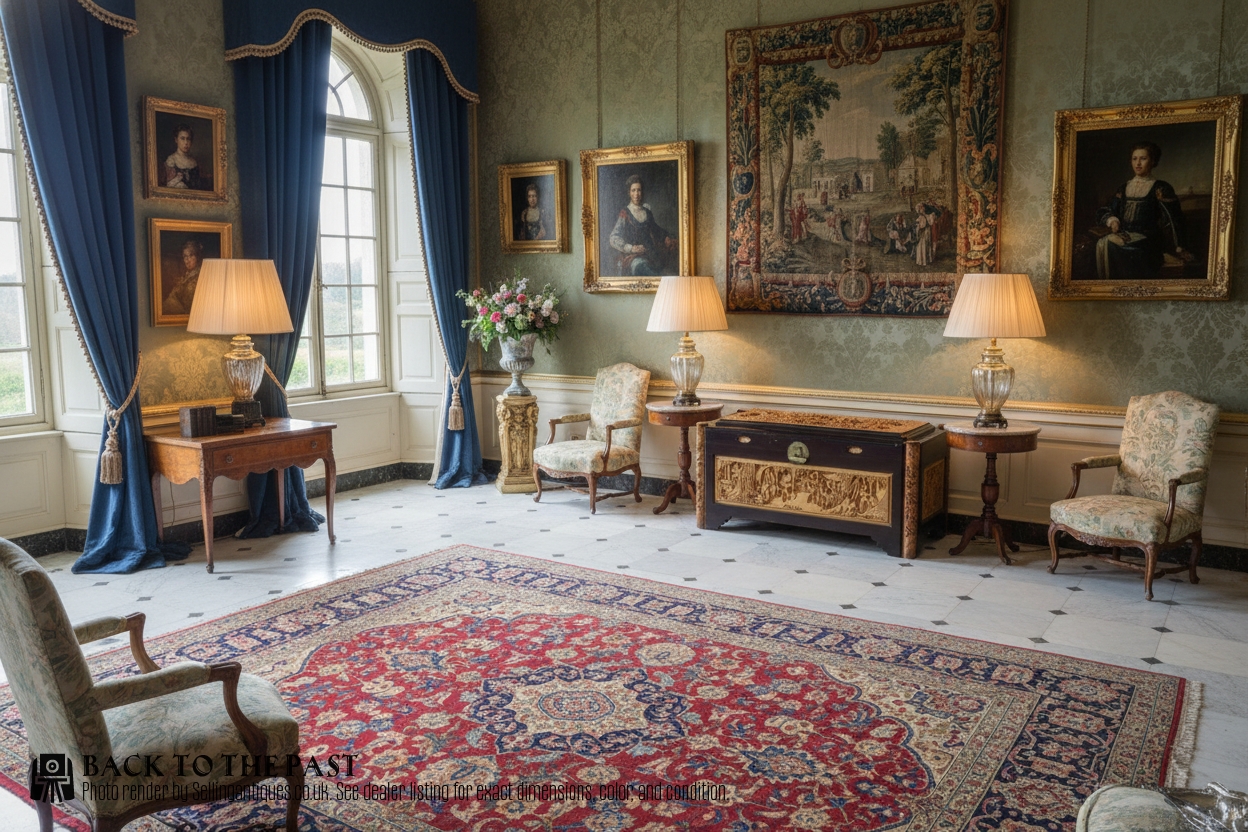
Carved Wood Storage Chest
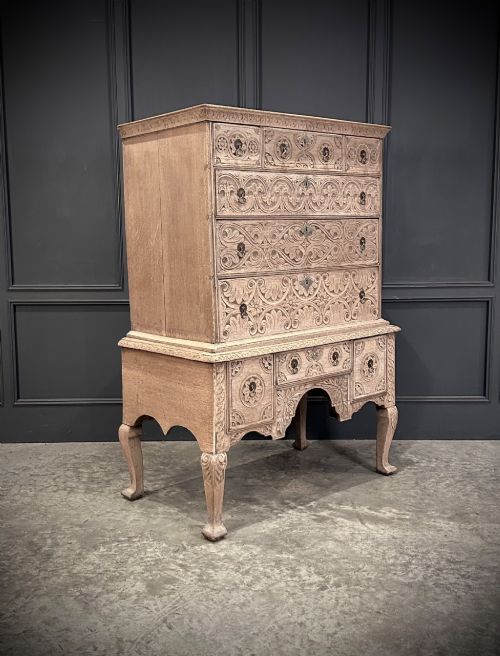
A carved wood storage chest brings together centuries of domestic utility, spanning seventeenth-century coffers to twentieth-century camphor trunks and blanket boxes. Buyers searching this phrase encounter a mix of heavy timber coffers, mule chests, and panelled storage boxes originating from English workshops, European provinces, and international trade routes.
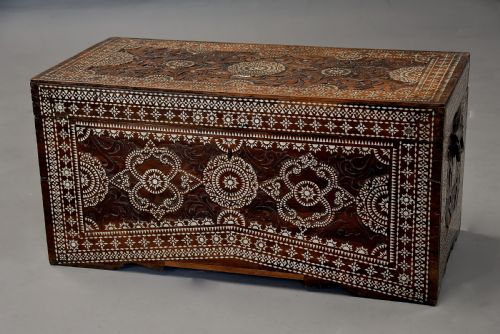
The most common versions met on this page are oak coffers from the seventeenth and eighteenth centuries alongside carved camphor wood trunks from the early twentieth century. These pieces serve practical storage roles while displaying regional carving traditions, from linenfold panels to deep relief floral motifs.
Materials and Construction
Makers relied primarily on native and imported hardwoods, working extensively with solid oak, mahogany, walnut, and fragrant camphor wood. Timbers were selected for strength and grain pattern, often joined using traditional pegged mortise and tenon joints to handle the stress of heavy lids and seasonal wood movement.
Surface decoration involved hand-chisel carving, panel moulding, and occasional inlay work using brass, iron, or mother of pearl. French polishing, wax finishes, or natural patination protected the wood while highlighting the depth of the carved motifs.
Camphor trunks retain their distinct medicinal scent for generations, quietly guarding sweaters from moths across multiple centuries.
Judging Quality
Quality rests on the integrity of the timber and the depth of the hand-carved detail across the panels and lid. Superior pieces retain their original hinges, locks, and feet, showing crisp carving edges rather than softened outlines from excessive cleaning or sanding.
The sophistication of the joinery and the survival of the original surface patina separate standard utility boxes from exceptional regional examples. Internal construction, such as untouched floorboards and robust framing, dictates the enduring stability of the piece.
The Carved Wood Storage Chest Glossary
- Coffer
- A heavy wooden box with a hinged lid used for storing valuables or household goods. These early forms frequently feature panelled construction and hand-carved fronts.
- Camphor wood
- An aromatic hardwood favoured for maritime trunks and chests due to its natural insect-repellent properties. The timber often shows a warm honey tone and distinctive grain.
- Linenfold
- A style of relief carving popular on sixteenth and seventeenth-century panels that mimics folded linen fabric. It appears frequently on the front boards of English oak coffers.
- Patina
- The surface sheen and colour developed by wood over decades of handling and waxing. Original patination is prized by collectors for its depth and warmth.
- Mule chest
- A storage chest featuring one or more drawers beneath the main lifting compartment. This form bridges the transition between the traditional coffer and the modern chest of drawers.
Carved Wood Storage Chest: Frequently Asked Questions
How do I care for an antique wood chest?
Keep the wood away from direct heat sources and sudden humidity shifts to prevent the timber from splitting or warping. Apply a neutral beeswax polish occasionally to nourish the surface without building up heavy residues.
Avoid using modern liquid cleaners or silicone sprays that can penetrate the grain and alter the original patina permanently. Gentle dusting with a dry, soft cloth remains the best method for daily upkeep.
What is the difference between a coffer and a trunk?
A coffer is traditionally a heavy timber box, often made of oak with panelled walls and a flat lid, built for domestic storage in European homes. A trunk typically refers to travelling chests or lighter containers, including camphor wood chests designed for transport.
Coffers usually employ rigid frame-and-panel construction, whereas trunks often utilise board construction reinforced with metal or brass hardware to withstand travel.
Can I use these chests as coffee tables?
Many people place these sturdy chests in living spaces to serve dual purposes as surface tables and internal storage units. The flat lids provide ample space for books and decorative objects while keeping blankets hidden inside.
Ensure that the hinges and lid supports remain stable if the piece experiences regular use as a living room surface.
How do I date an oak storage chest?
Dating relies on examining the construction methods, tool marks, and specific carving styles present on the panels. Seventeenth-century examples often display hand-split boards, pegged joints, and geometric or floral chip carving unique to that era.
Later revival pieces from the twentieth century show mechanical saw marks and standardised fixings that distinguish them from early artisan-made work.