

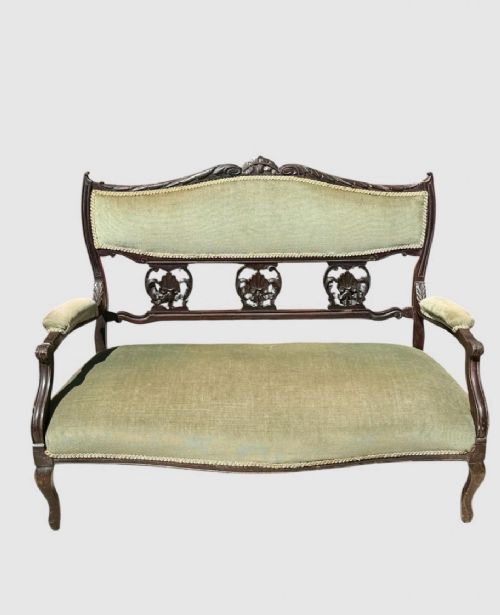


Carved Wood Settee Bench
A carved wood settee bench offers generous seating through enduring forms shaped by centuries of regional design and fine cabinet-making.
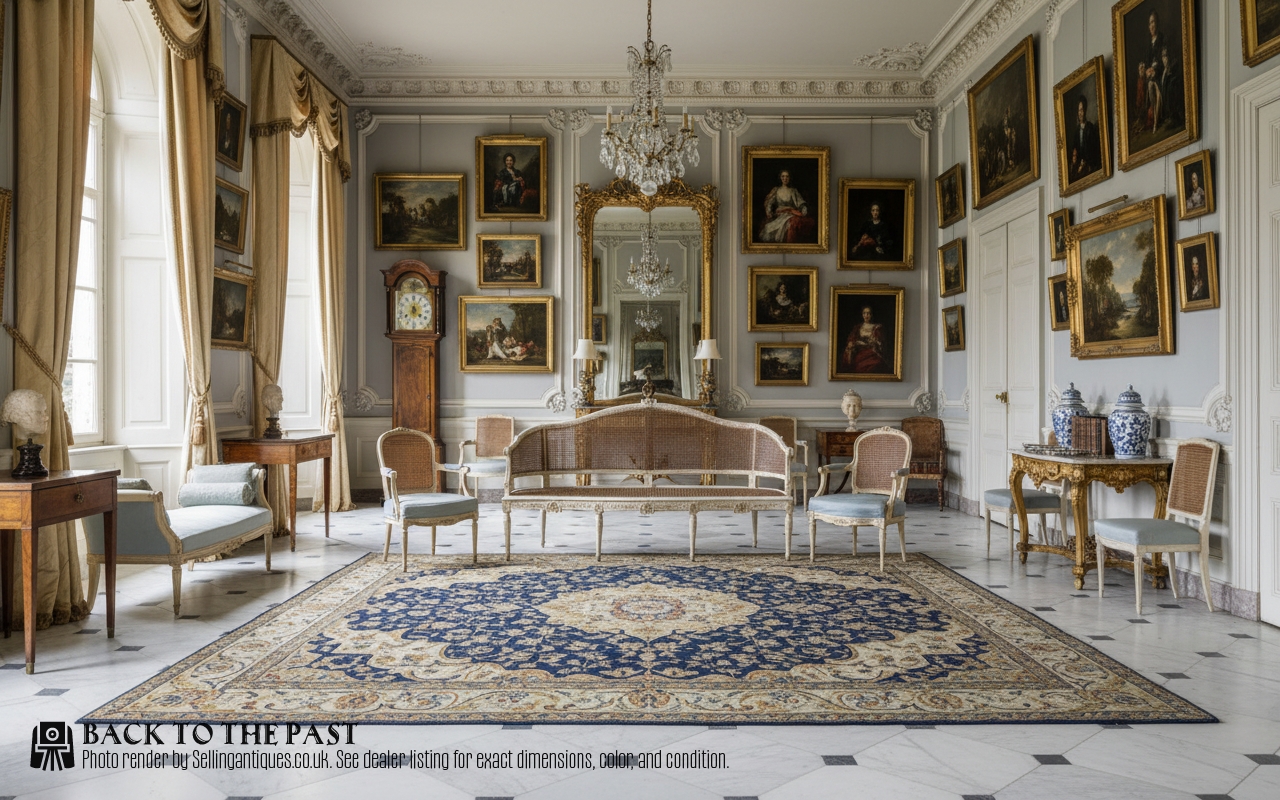
Carved Wood Settee Bench
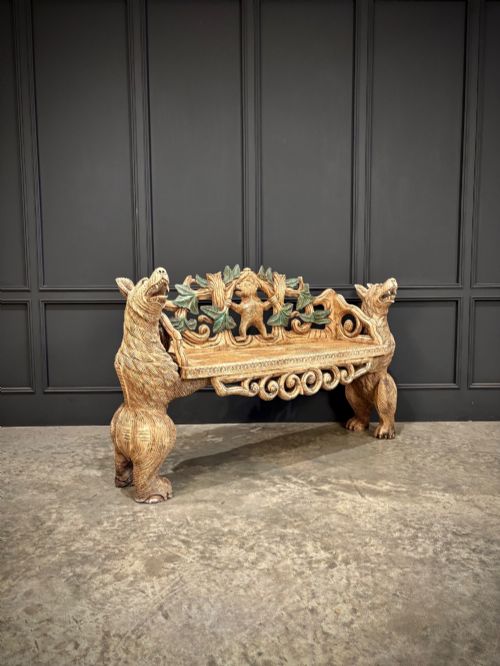
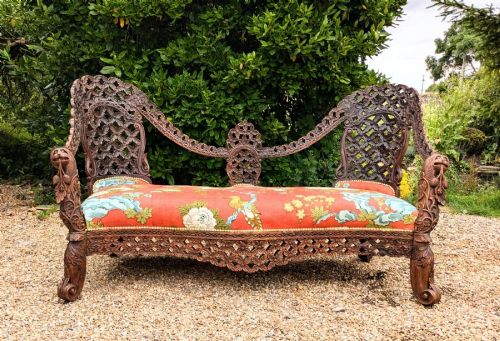
A carved wood settee bench spans centuries of domestic seating, from eighteenth-century Swedish and Dutch walnut examples to twentieth-century Black Forest bear benches and Burmese conservatory suites. These pieces appear as sofas, canapés, daybeds, and two-seat benches originating from English, French, Italian, and Anglo-Indian workshops.
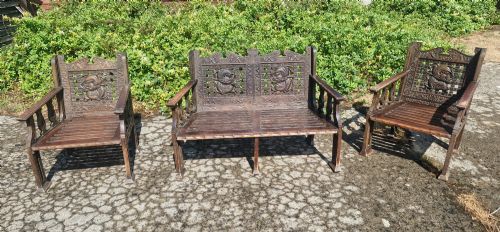
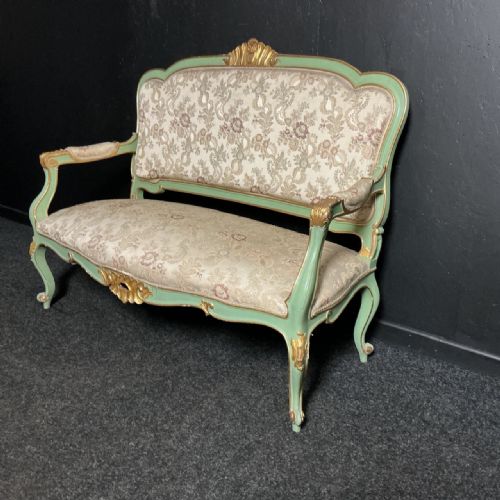
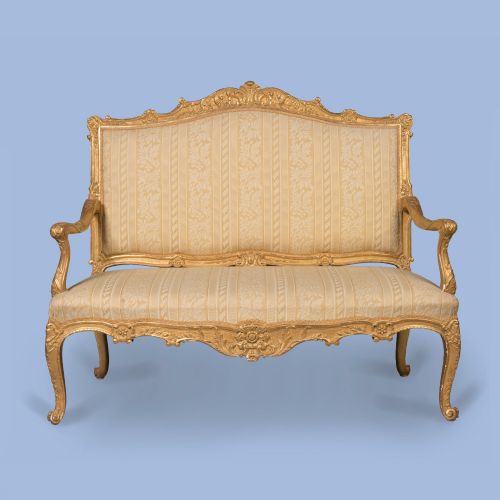
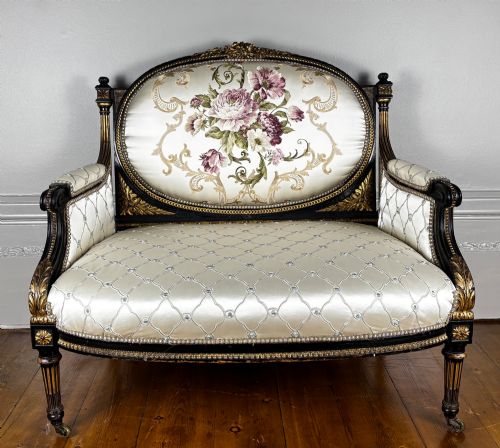
The pieces on this page range from grand giltwood and parcel-gilt frames in the Louis XV and Louis XVI manners to inlaid satinwood and mahogany Edwardian items. Regional variations include Ceylonese hardwood daybeds, Regency rosewood frames, and Victorian carved mahogany two-seaters.
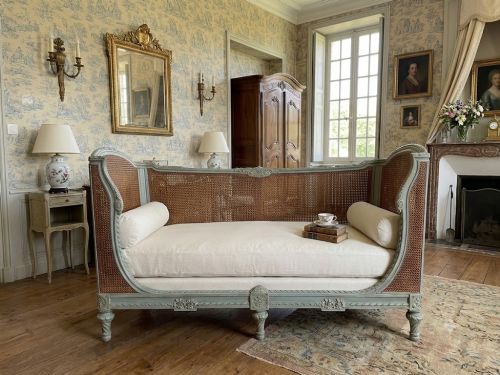
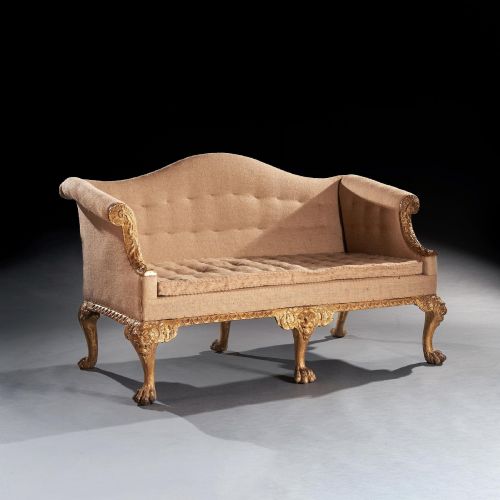
Buyers encounter everything from formal salon seating with fluted legs and lion mask hairy paw feet to relaxed veranda benches and country house suites. The selection brings together diverse historical periods including the Victorian era, Regency period, and early twentieth-century revivals.
Materials and Technique
Cabinet-makers constructed these frames using solid timbers such as mahogany, walnut, rosewood, satinwood, and assorted hardwoods, often applying gilding, ebonising, or paint to the carved surfaces. Skilled hands shaped the wood into complex curves, cabriole legs, and ornate crest rails.
Many examples incorporate woven cane panels into the backrests and seats, while others provide wooden slat bases or exposed frames prepared for upholstery. Textile elements include applied velvet trim, leather, and green upholstery fabrics.
Materials represented across the inventory include giltwood, cane, leather, velvet, and various hardwoods such as satinwood and rosewood.
Judging Quality
Quality rests in the crispness and depth of the hand-carving across the wooden frame, where superior examples display fluid lines and precise botanical or figurative motifs. The integrity of the timber joints and the weight of the underlying structure dictate the long-term stability of the piece.
The refinement of secondary treatments, such as the application of genuine gold leaf, hand-mixed paint, or neatly fitted cane work, separates standard workshop output from exceptional commissions. Proportion and balance in the arms, legs, and backrest determine how successfully the maker resolved the design.
Giles Grendey
The Carved Wood Settee Bench Glossary
- Canapé
- An upholstered French sofa or settee, typically featuring an exposed carved wooden frame. These pieces often follow specific period styles such as Louis XV or Louis XVI.
- Giltwood
- Timber coated with a thin layer of gold leaf or gold paint over a prepared gesso ground. This finish appears frequently on formal eighteenth and nineteenth-century salon seating.
- Cane
- Woven rattan material used for seats and backrests on light frames. It provides a resilient and breathable surface common in French and Anglo-Indian designs.
- Bergère
- An enclosed upholstered armchair or settee with solid upholstered sides. The design became popular in France during the eighteenth century.
- Parcel-gilt
- A decorative treatment where portions of a painted, ebonised, or natural wood surface receive gilding to highlight specific carved details.
Carved Wood Settee Bench: Frequently Asked Questions
How do I identify a Louis XV style settee?
Look for characteristic cabriole legs, asymmetrical floral carvings, and flowing serpentine lines along the wooden frame. These elements reflect the lighter, curved aesthetic popular during the mid-eighteenth century and later revival periods.
Inspect the joinery where the arms meet the backrest and seat rail to understand the construction methods used by the workshop.
What is an Anglo-Indian settee bench?
These pieces combine traditional European seating forms with intricate indigenous carving traditions from the Indian subcontinent. They frequently utilise dense tropical hardwoods and integrated cane panels.
Many were produced during the nineteenth century for colonial residences and British country houses desiring exotic furnishings.
Are these settees suitable for daily use?
Most antique wooden settees function well in modern living spaces when placed away from direct heat sources and excessive moisture. Frames built from solid mahogany, walnut, or teak offer substantial structural strength.
Upholstered sections and cane panels may require periodic inspection or professional restoration to support regular sitting.
How do I care for cane panels?
Cane seating benefits from occasional light dusting and maintaining stable indoor humidity levels to prevent the natural rattan fibres from becoming brittle. Avoid pressing heavy objects directly onto the centre of un-upholstered cane surfaces.
Applying a damp sponge lightly to the underside of the weave every few months helps keep the material flexible.