



Caned Seat Bench
A caned seat bench offers a light, breathable seat woven from natural plant material, bringing historic elegance and airy texture to any room.
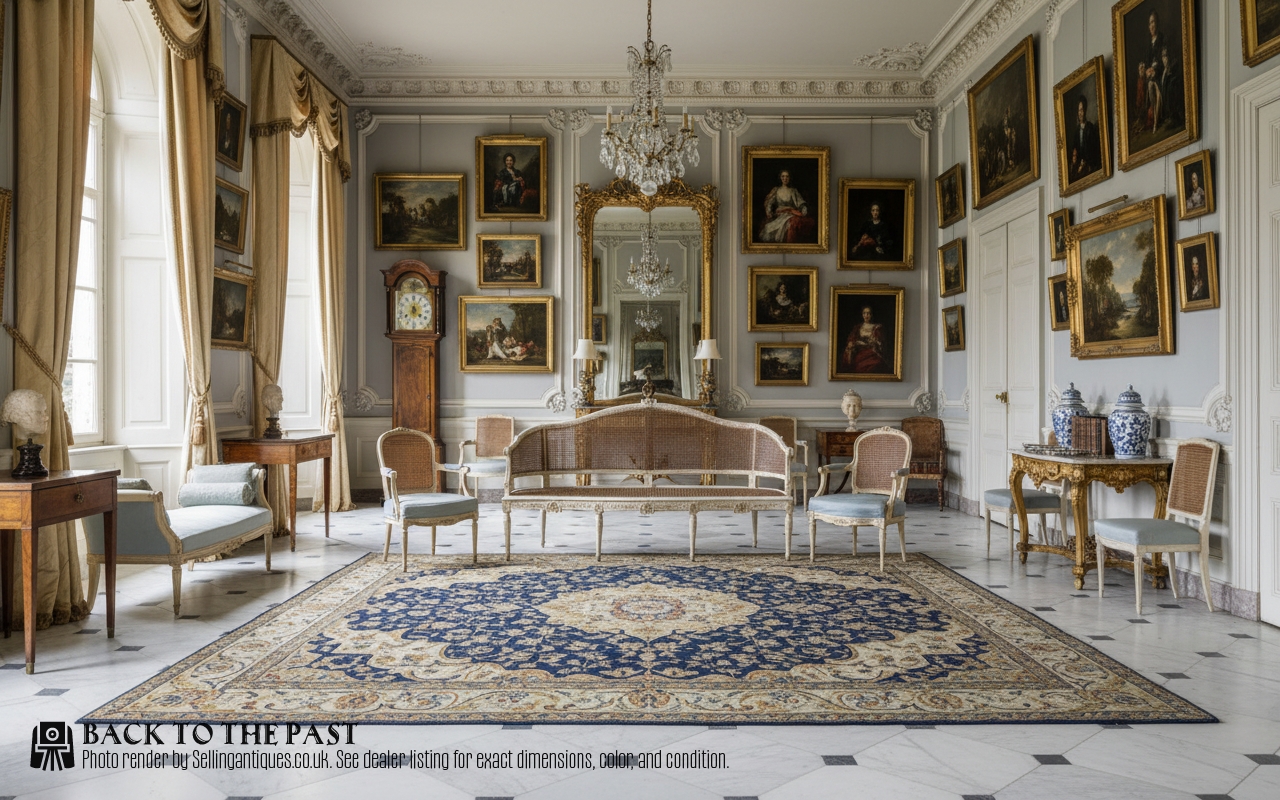
Caned Seat Bench
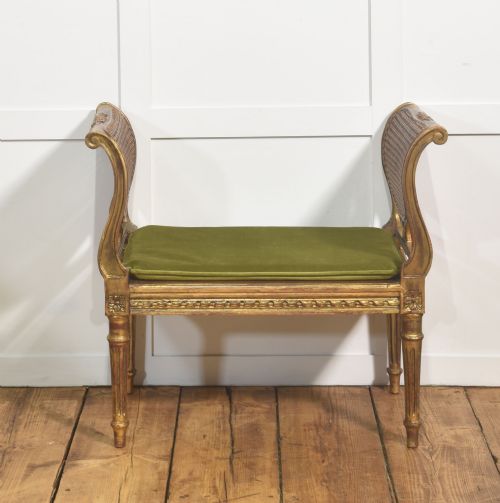
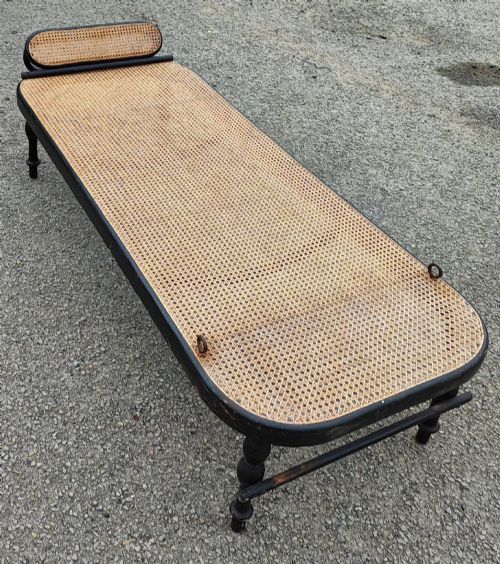
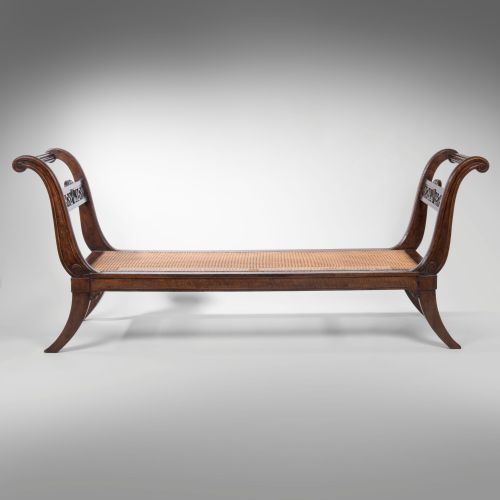
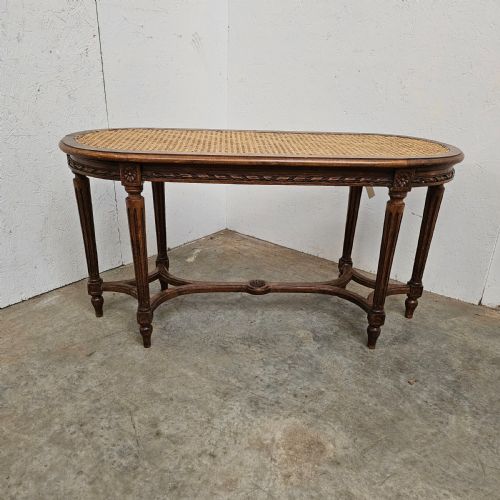
A caned seat bench combines timber frames with woven cane seating, appearing across forms such as window seats, long stools, settees, and day beds. These pieces emerge from periods including the eighteenth century, the Regency era, and the nineteenth century, alongside Edwardian and 1920s examples.
You will most frequently encounter nineteenth century French and English variations on this page, taking the shape of window seats, carved beech banquettes, or painted day beds. Stylistic influences span Louis XVI, Victorian, Grand Regency, and Viennese bentwood designs.
The assortment includes low stools, multi-seater sofas, and hall benches utilising rosewood, mahogany, walnut, giltwood, and painted satinwood. Each piece balances structural timberwork with the distinctive open pattern of woven cane work.
What varies in quality
The refinement of the timber carving and the symmetry of the frame dictate the primary tier of craftsmanship, where deeply sculpted scroll arms and crisp architectural mouldings distinguish superior pieces. Secondary woods and simpler turned legs appear on more utilitarian hall benches and standard stools.
The integrity and tightness of the cane webbing determine the longevity of the seat, with evenly spaced strands representing higher skill than irregular weaving. Original gilding, intact painted surfaces, and retained patination on the timber frame further elevate a piece.
One unexpected item bridges the gap between relaxation and productivity by doubling as a combined window seat and a coffee or magazine table.
The Caned Seat Bench Glossary
- Cane
- Split rattan or peeled palm-stems woven into an open mesh pattern for seats and backrests. This material provides breathable flexibility and a light visual profile.
- Bergere
- An enclosed upholstered or caned armchair or sofa featuring wooden frames, popular in French period furniture. These pieces often incorporate curved backs and integrated armrests.
- Giltwood
- Timber coated with a thin layer of gold leaf or metallic gilt paint to simulate solid gold. This finish frequently highlights carved ornamentation on formal nineteenth-century seats.
- Window Seat
- A long narrow bench designed to fit within the architectural recess of a window. They typically feature low backs or end supports to preserve exterior views and light.
Caned Seat Bench: Frequently Asked Questions
Where should I place a caned seat bench?
These benches suit narrow hallways, bedroom ends, or beneath large windows where their low profiles maintain sightlines. Their woven surfaces add textural contrast against solid wood furniture and flat walls.
Avoid placing them in areas with direct, harsh sunlight or extreme moisture fluctuations, which can dry out or weaken the natural cane fibres over time.
Can I sit on a antique caned bench?
Most historic caned benches remain structurally sound for regular seating if the webbing is intact and well-maintained. However, older or finer pieces with delicate frames and aged cane are better suited for light use or display.
Distribute weight evenly across the woven panel and avoid kneeling or dropping heavy objects onto the centre of the seat to prevent tearing the mesh.
How do I distinguish between French and English styles?
French pieces often display lighter painted finishes, giltwood flourishes, and classical motifs associated with Louis XVI or Régence designs, such as fluted legs and carved floral crests. English examples frequently utilise darker hardwoods like mahogany or walnut with simpler, rectilinear frames.
Regional proportions and joinery methods also offer clues, with French seating tending toward decorative curves while English workshop pieces often favour sturdy architectural lines.