


Carved Wood Sculpture
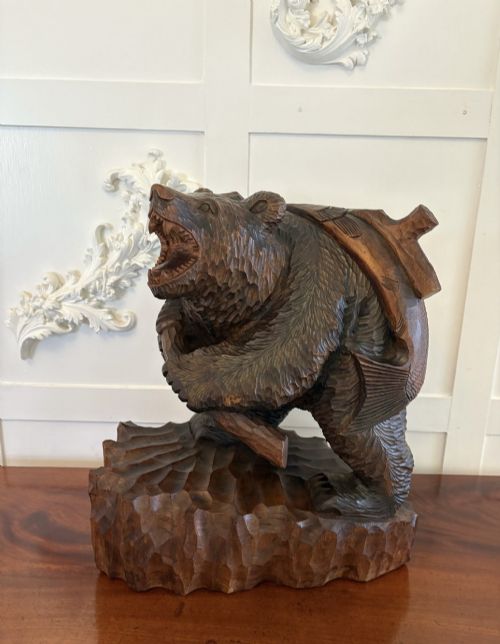
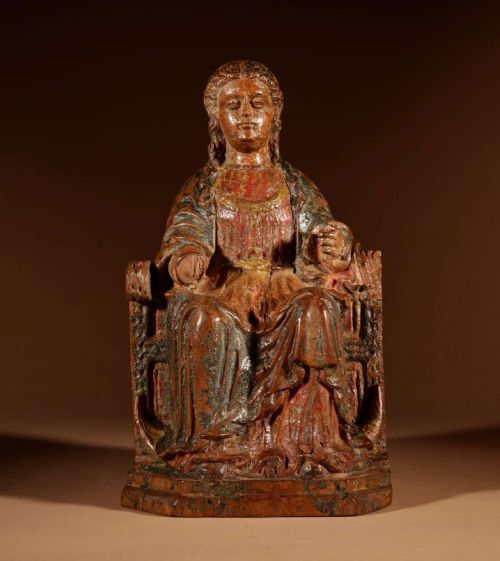
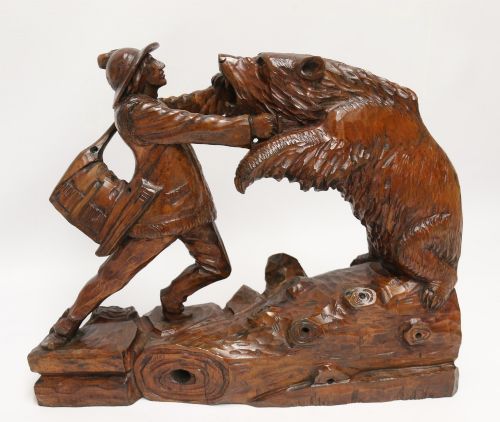
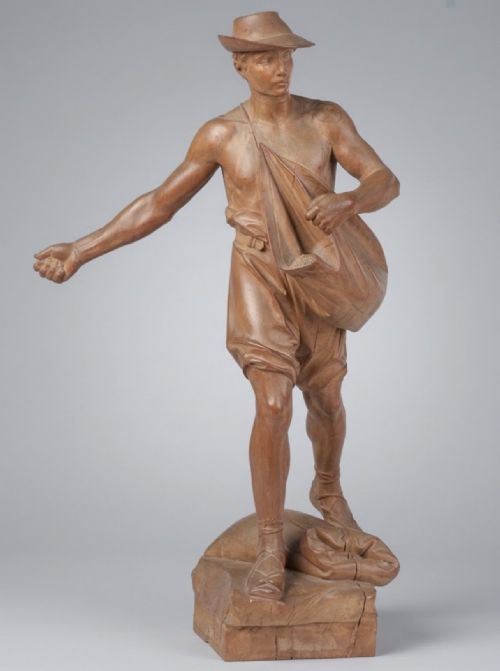
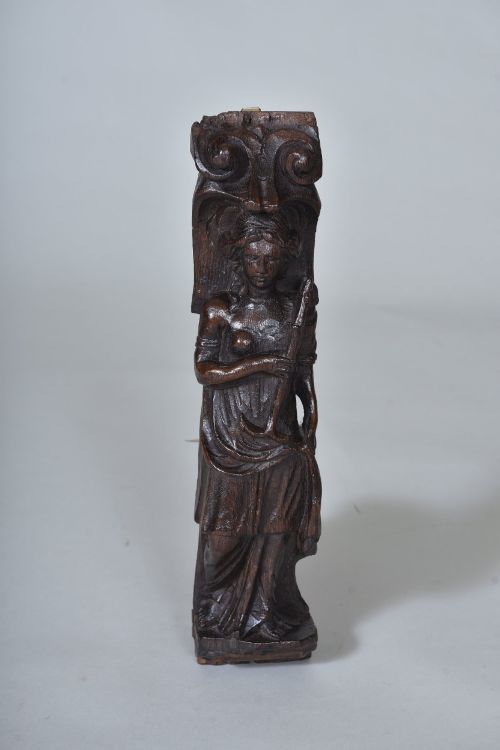
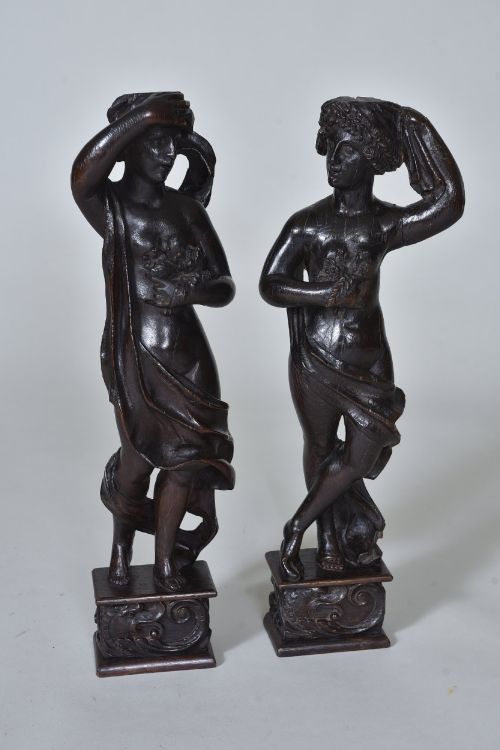
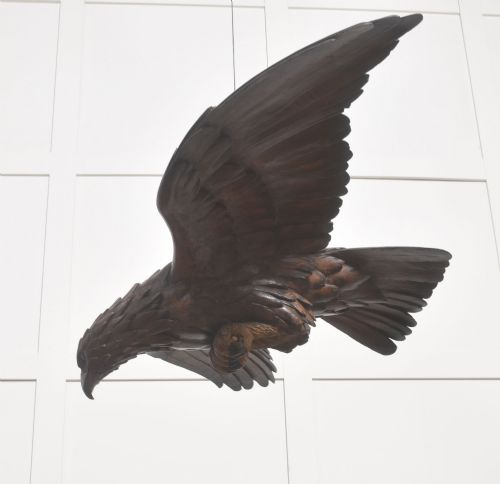
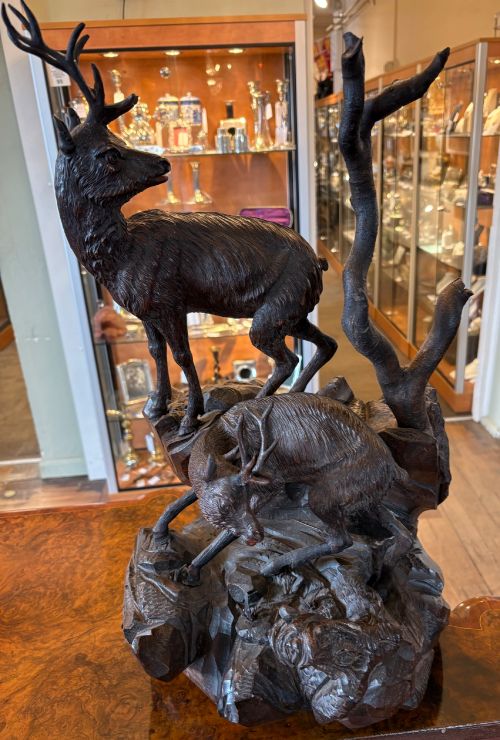
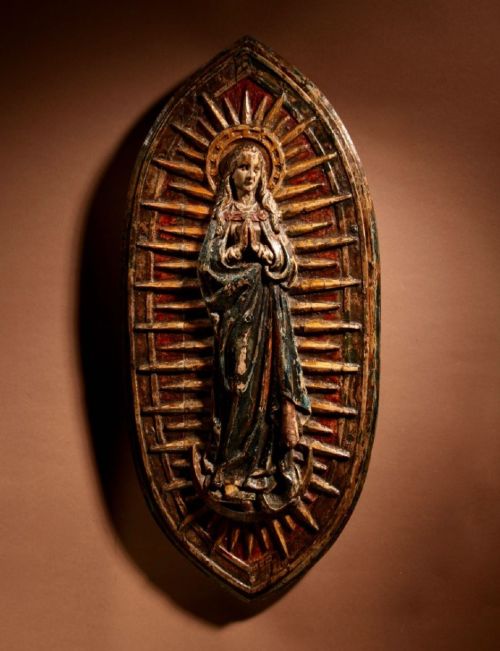
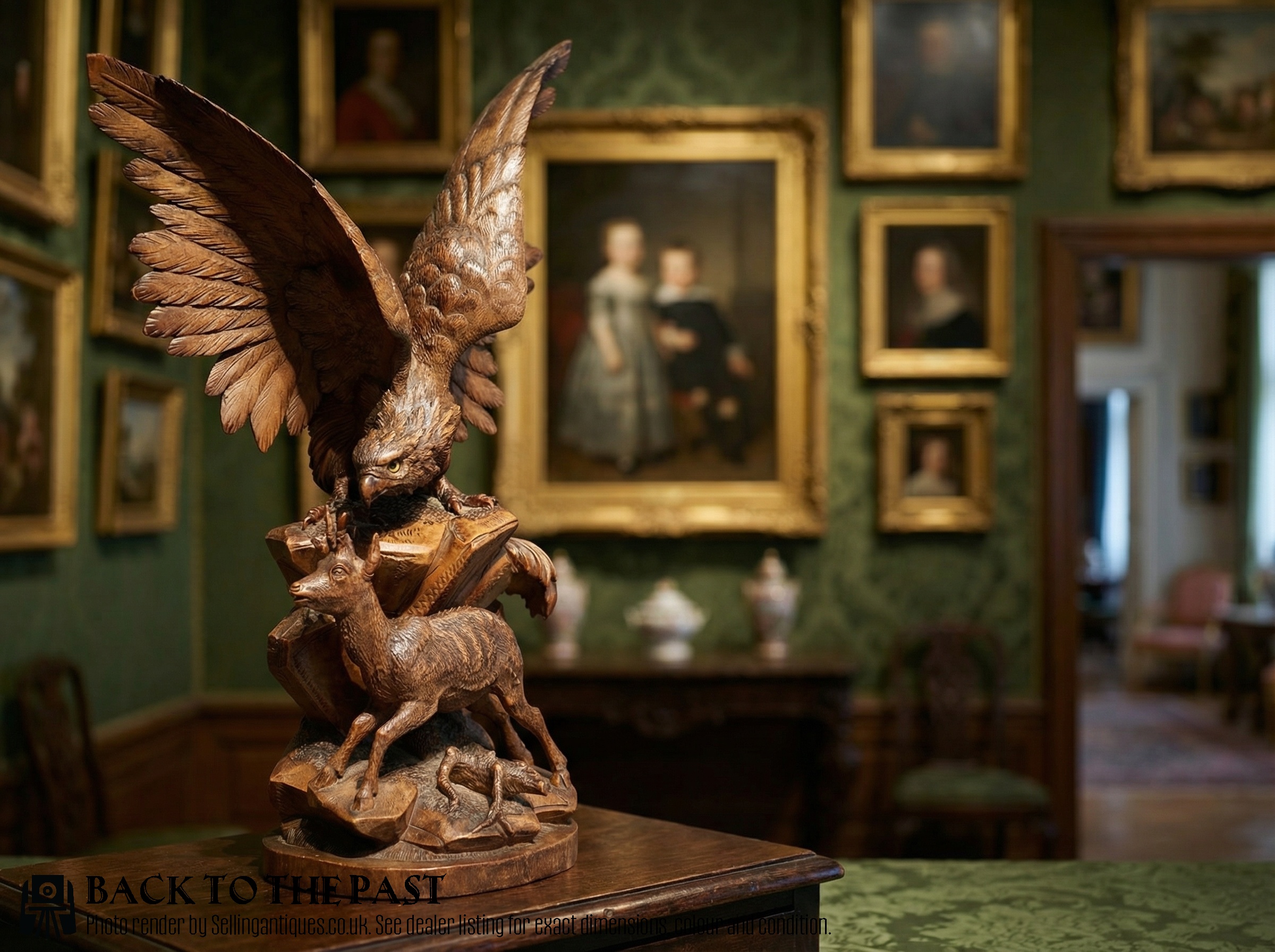
These pieces of carved wood sculpture capture centuries of global hand-carving traditions, ranging from Black Forest animal groups to 16th-century religious figures.
Carved Wood Sculpture
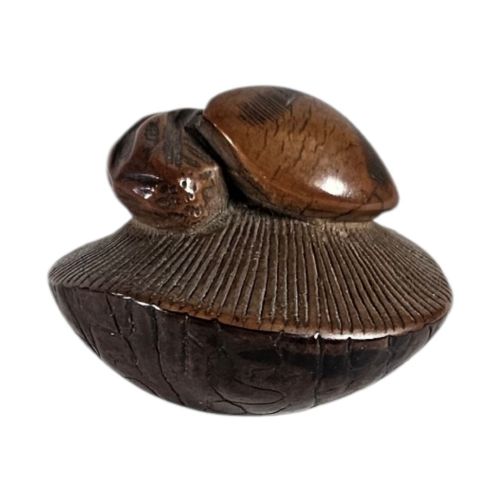
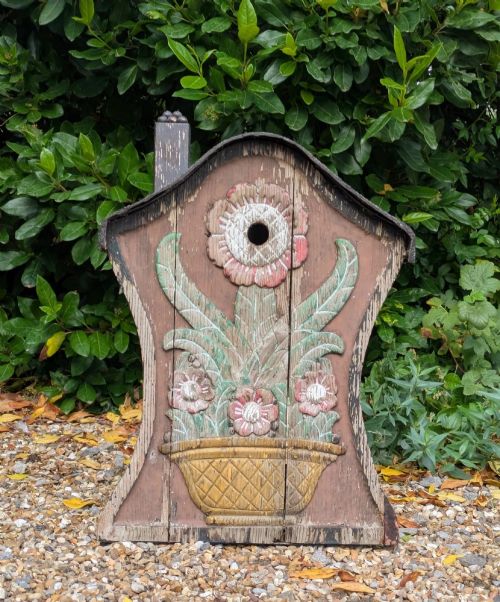
A carved wood sculpture represents a broad category of three-dimensional art spanning centuries of regional craftsmanship. When browsing this selection, you encounter everything from intricate Japanese netsuke and folk art bird boxes to monumental Chinese guardian figures and European religious saints.
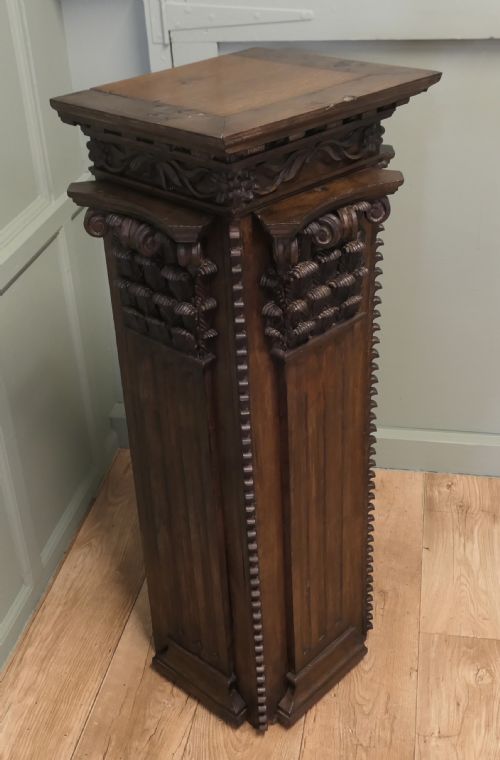
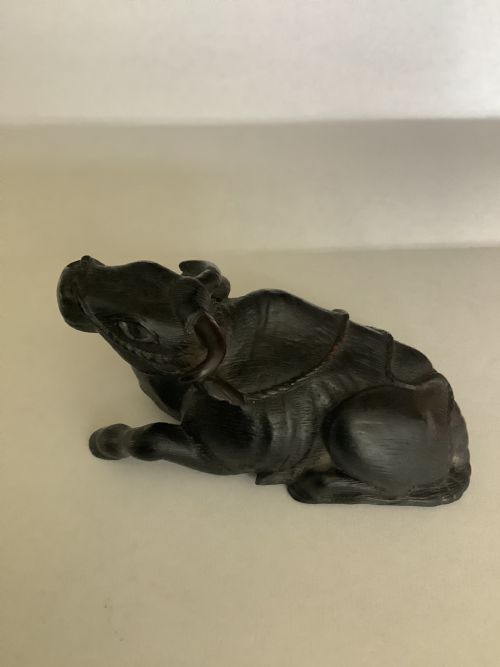
The objects take many forms, including animal studies, figural studies, architectural fragments, and functional items like bookends and pedestals. Pieces originate from diverse cultural traditions such as African tribal art, Black Forest workshops, and Italian Baroque studios, reflecting varied local aesthetics.
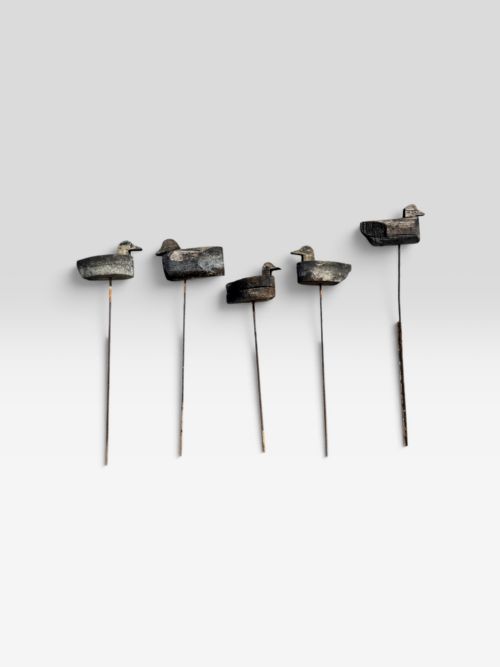
The most common items on this page lean towards 19th-century European animalier works, folk art decoys, and traditional religious carvings in oak and walnut. Collectors find both intimate handheld carvings and large display pieces suited for architectural placement.
Materials and construction methods
Makers utilised a variety of native and exotic timbers selected for grain and workability, with oak, walnut, linden wood, fruitwood, boxwood, and dense Asian hardwoods appearing across the inventory. Artisans employed hand chisels, gouges, and knives to shape the raw timber directly from blocks or panels.
Many historical surfaces received supplementary treatments including polychrome paint, gesso, and gold leaf to enhance decorative impact or religious symbolism. Unpainted pieces typically rely on wax or oil finishes to nourish the grain and highlight the crispness of the tool marks.
Carved Wood Sculpture Retail Price Guide 2026
Typical asking prices for carved wood sculpture among the pieces listed under this phrase on Sellingantiques today, from the lower quarter to the upper quarter. They describe what is for sale here now, not the wider market.
Listings span eight distinct centuries, running from 16th-century religious oak panels up to 1930s figurative works.
Distinctions in craftsmanship and execution
The distinction between ordinary and superior work lies in the anatomical precision, depth of relief, and vitality expressed by the carver. Master carvers captured complex movement, facial expressions, and natural textures in timber with confident, uninterrupted strokes.
Condition and originality heavily influence the standing of a piece within its period. Intact polychrome surfaces, minimal timber shrinkage distortion, and the survival of delicate details like fingers or animal whiskers separate well-preserved historical works from heavily restored examples.
J Huggler·Jules Buste Labatut
The Carved Wood Sculpture Glossary
- Black Forest
- A regional style of wood carving originating from the Swiss and German mountain regions. These works typically depict local wildlife, such as bears and deer, rendered with naturalistic detail.
- Polychrome
- Describes a wooden sculpture decorated with multiple colours of paint. This technique was frequently applied to religious figures and architectural elements to increase realism.
- Netsuke
- A small Japanese miniature sculpture carved from boxwood or other dense materials. They served as toggles for traditional clothing fasteners and required extreme precision.
- Gesso
- A plaster-like mixture applied to wooden sculptures as a smooth base for gilding or painting. It provides a stable ground for gold leaf application on ecclesiastical art.
Carved Wood Sculpture: Frequently Asked Questions
How do I clean old wooden sculptures?
Dust gently with a soft, dry brush to prevent the accumulation of particles in carved recesses. Avoid using water, liquid cleaners, or household polishes that can damage historic wax or painted surfaces.
Keep pieces away from direct sunlight and severe humidity fluctuations to prevent timber cracking or paint flaking.
What woods were commonly used?
European carvers frequently selected dense hardwoods like oak and walnut for architectural panels and large religious figures. Linden wood and various fruitwoods were favored for intricate animal studies and detailed figurative work due to their fine grain.
Asian makers utilised specialised exotic timbers such as boxwood and heavy hardwoods for miniature and monumental sculptures alike.
How are periods identified?
Dating relies on tool marks, timber shrinkage patterns, stylistic conventions, and historical costume details. Earlier religious pieces from the 16th and 17th centuries exhibit adze and heavy chisel marks characteristic of pre-industrial workshops.
Later 19th-century works often show standardised machine preparation combined with skilled hand finishing, while specific signatures or stamps provide definitive maker attributions.