

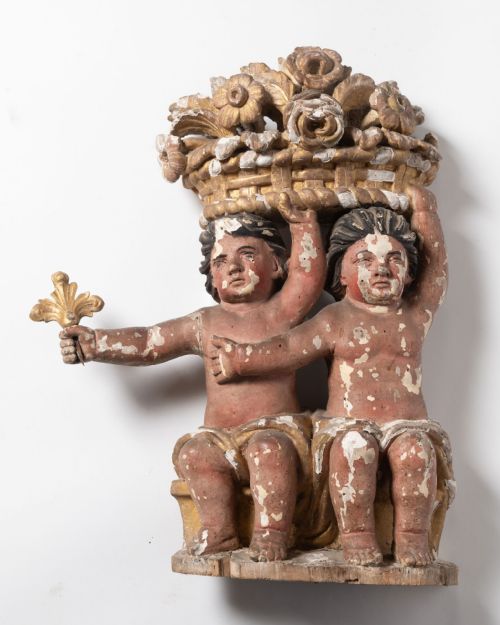
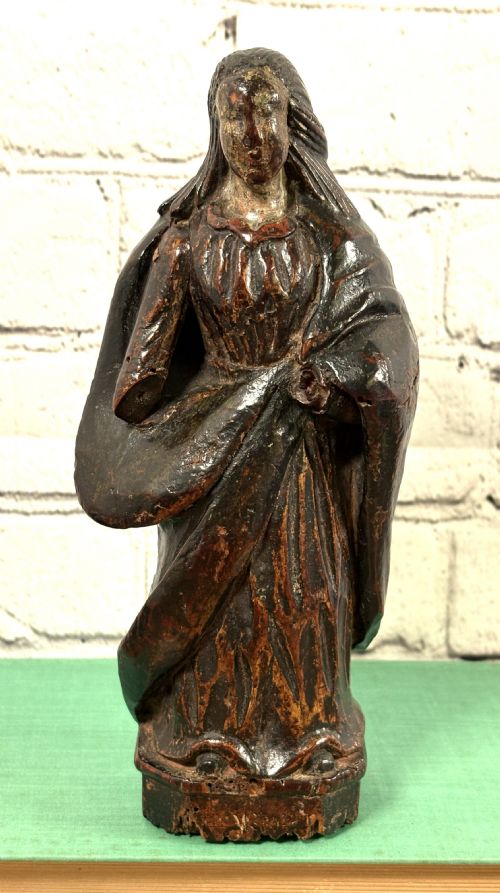

Carved Wood Religious Figure
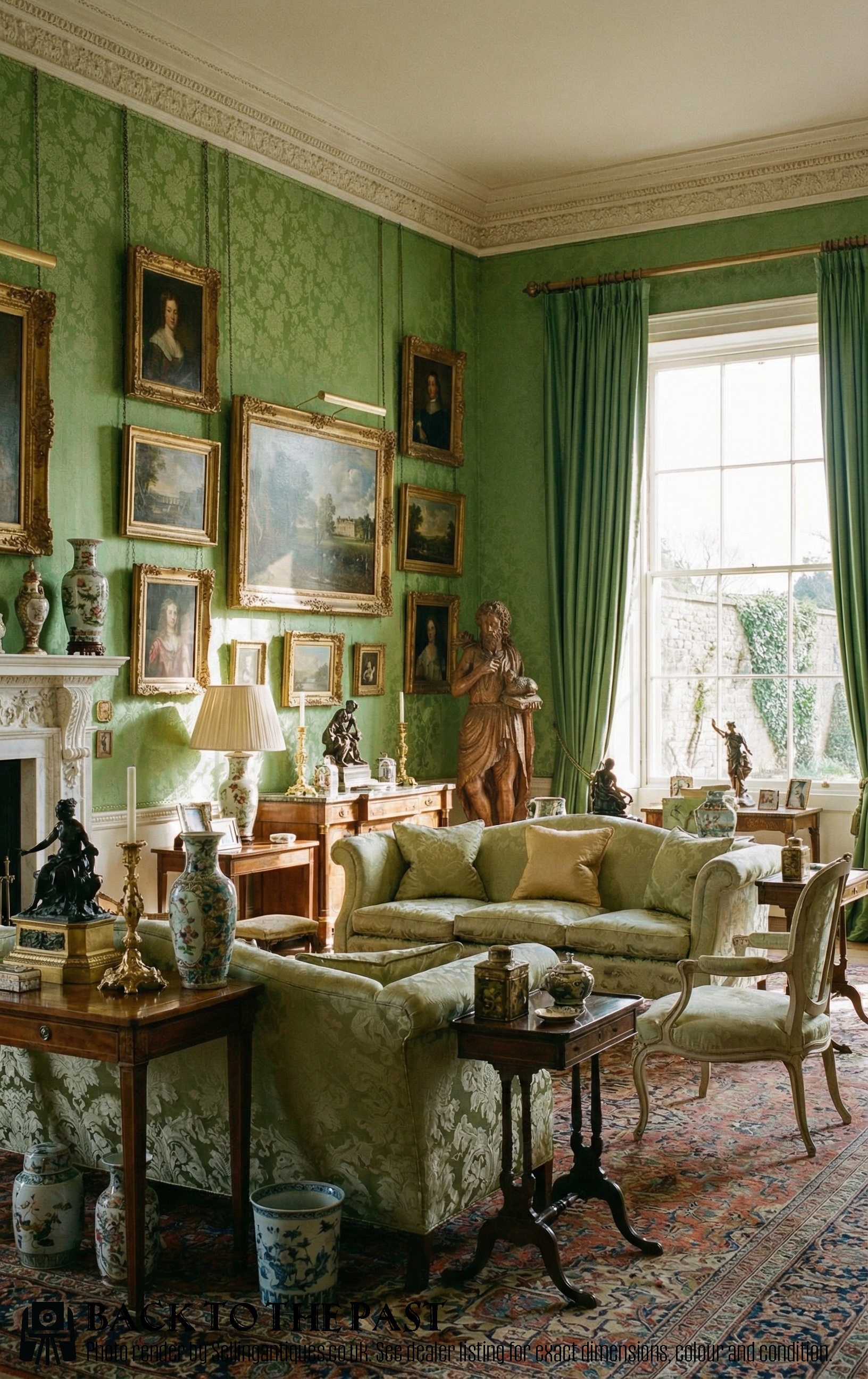
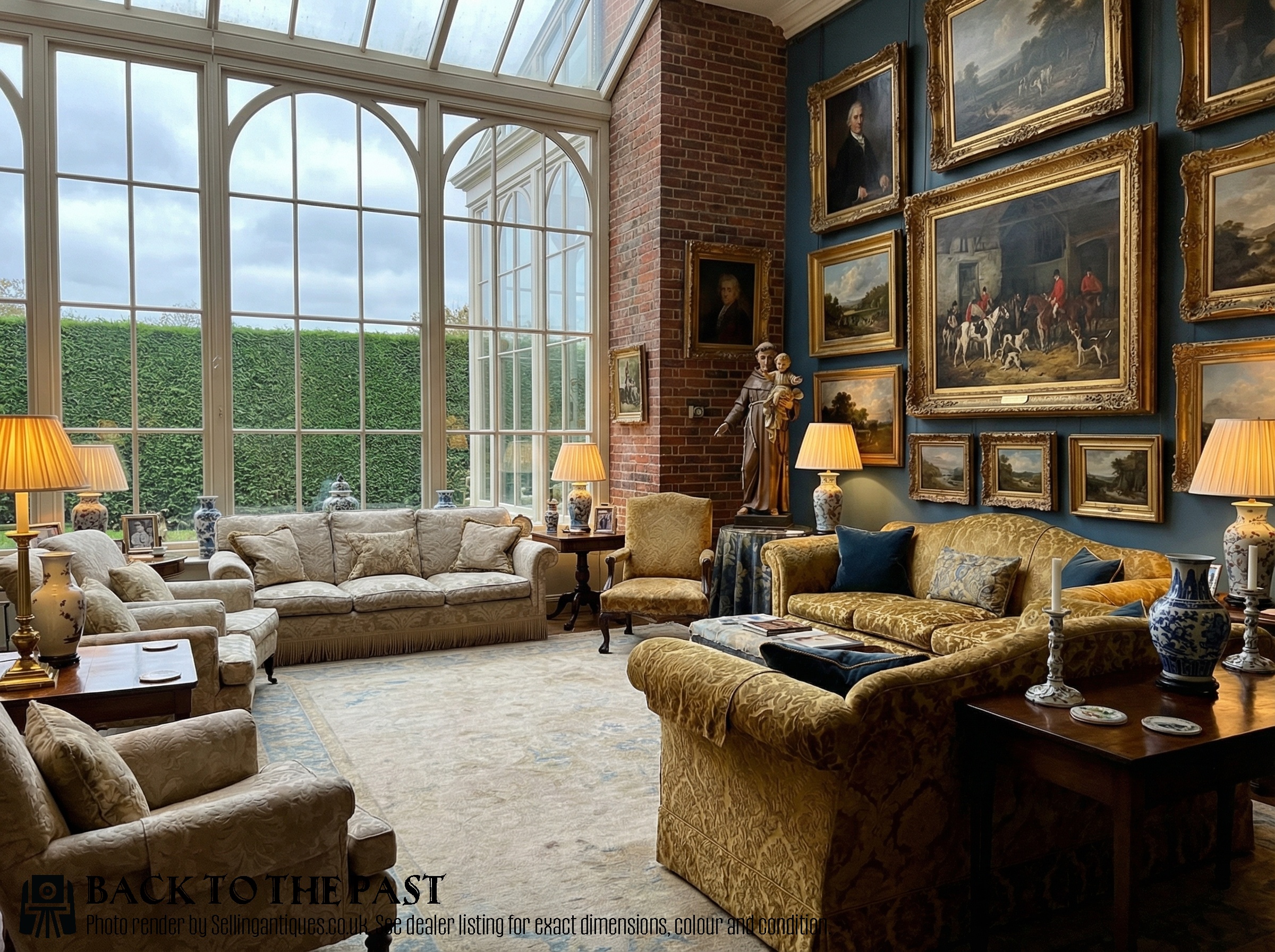
A carved wood religious figure brings centuries of devotion, artisan skill and sacred presence directly into a modern interior.
Understanding Carved Wood Religious Figures
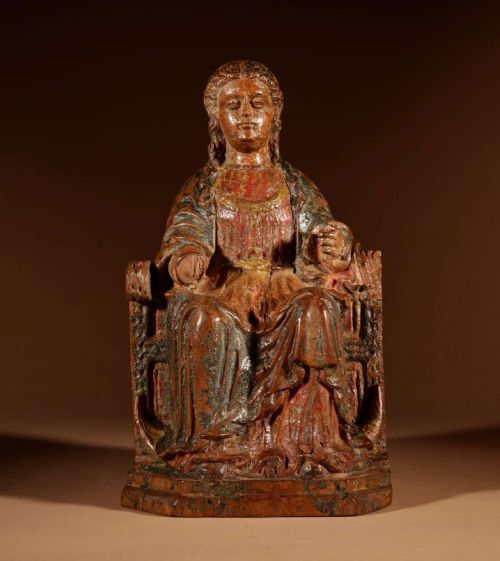
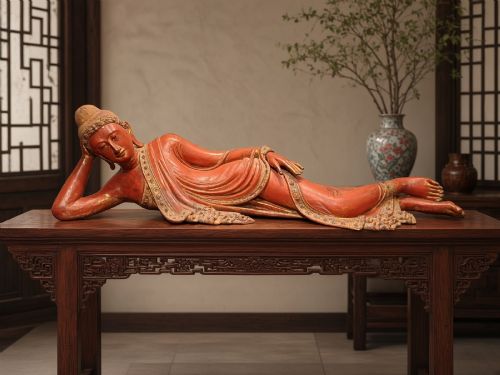
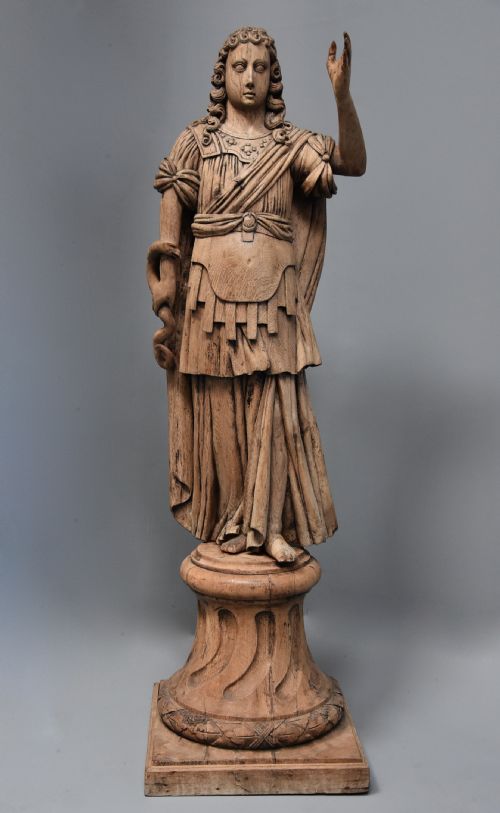
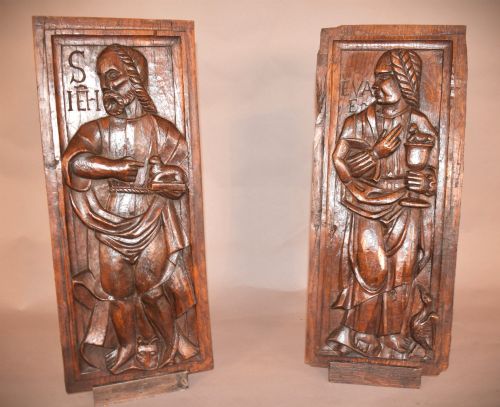
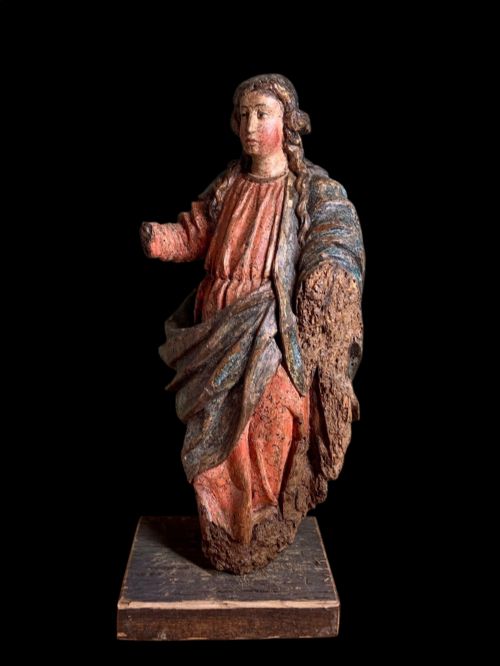
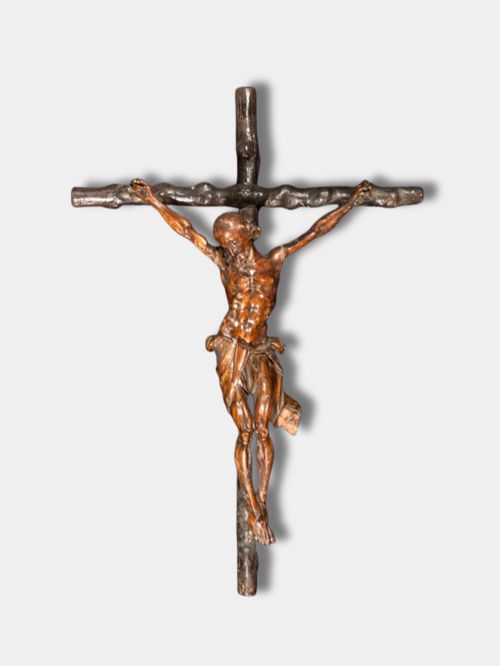
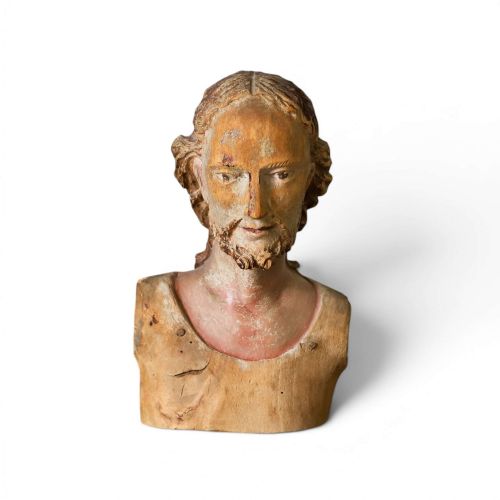
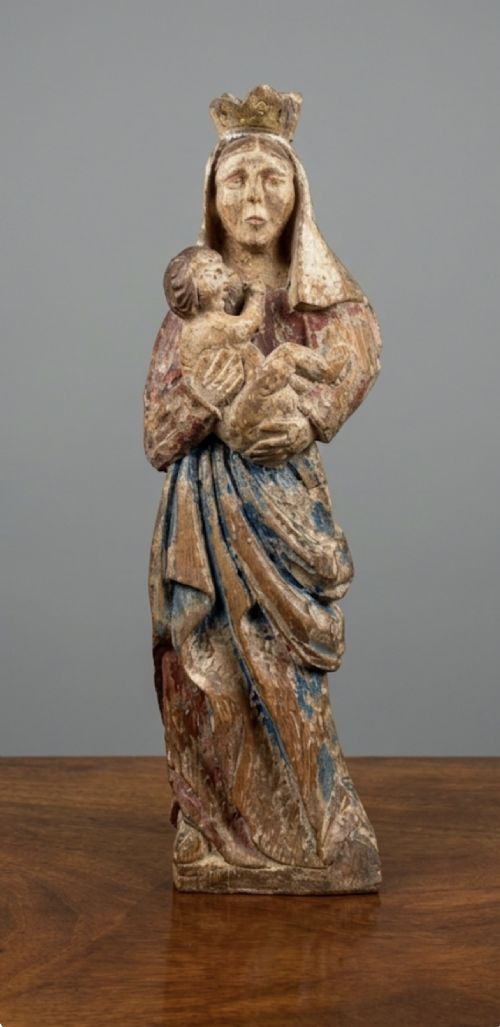
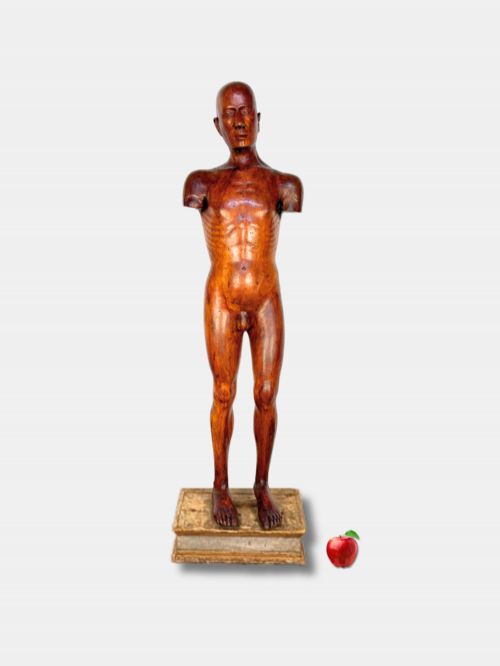
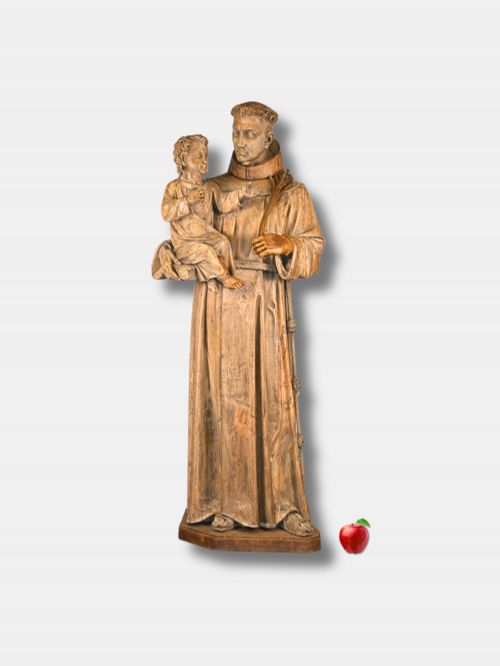
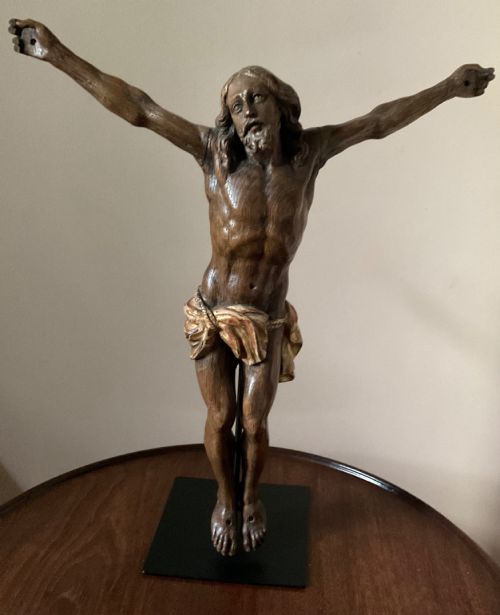
A carved wood religious figure represents saints, angels and holy figures created for private devotion and ecclesiastical settings. When exploring a carved wood religious figure, buyers encounter sculptures shaped across several distinct historical periods.
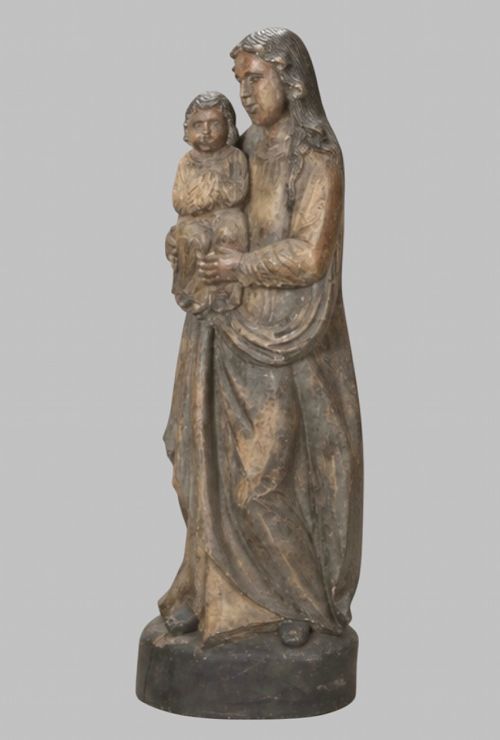
The selections span from sixteenth-century Continental limewood pieces to nineteenth-century Italian works. Forms range from standing saints and angels to figures of the Christ Child holding the orb and depictions of the Madonna.
Italian Baroque styles and Renaissance devotional art appear frequently among the pieces. These objects originate from European workshops, carrying the aesthetic traditions of their respective centuries.
Materials and Construction
Carved wood religious figure examples utilise traditional timbers such as limewood, which allowed artisans to execute fine facial expressions and flowing drapery. Wood carvers shaped these materials using chisels and gouges before applying surface finishes.
Many surfaces feature polychrome paint, gesso and gold leaf applied over the wood base. Some nineteenth-century examples incorporate glass elements to enhance the lifelike appearance of the statues.
Retail Price Guide 2026
Typical UK retail prices for carved wood religious figure, calculated from the Sellingantiques database of over a million retail prices indexed since 2003. This retail price guide relies exclusively on Sellingantiques data; no external sources or auction records are used, so the figures do not describe the wider market.
Saint Nicholas occasionally arrives carrying more than virtue, reminding everyone that historic woodcarvers enjoyed a touch of narrative flair.
Judging Quality and Execution
Quality in a carved wood religious figure rests on the anatomical precision of the carving and the fluidity of the drapery. Master carvers achieved depth in folds and realistic hands, whereas lesser examples remain stiff and shallow.
The preservation of original polychrome paint and gold leaf elevates a piece significantly. Retained surface decoration provides insight into the historical aesthetic, while extensive overpainting alters the original integrity of the work.
Bohumil Kafka
The Carved Wood Religious Figure Glossary
- Polychrome
- Painted in several colours. This surface treatment brings depth and realism to carved wooden sculptures.
- Gesso
- A plaster mixture used as a smooth base for paint or gold leaf. It creates a refined surface on wooden figures.
- Limewood
- A fine-grained timber favoured by historical carvers. Its consistent density permits intricate detail without splitting.
- Gold leaf
- Hammered gold beaten into extremely thin sheets. It is applied to religious sculptures to highlight divine attributes.
Frequently Asked Questions
How were these figures used originally?
These sculptures served as focal points for prayer in churches, chapels and private domestic shrines. Devotees used them to aid meditation and veneration.
Larger statues stood in ecclesiastical niches, while smaller pieces functioned as portable icons for personal worship.
How do I care for a wooden figure?
Keep the sculpture away from direct sunlight and sudden temperature shifts to protect the wood and painted surfaces. Stable indoor humidity prevents timber from cracking.
Dust gently with a dry, soft brush and avoid using liquid cleaners or oils on historic painted finishes.
How can I tell the period?
Examine the tool marks, wood type and style of drapery to determine the likely era of creation. Sixteenth-century pieces often utilise limewood with Renaissance carving characteristics.
Later nineteenth-century works display different preparation layers and stylistic interpretations of Baroque forms.
What is polychrome paint?
Polychrome paint is the historic application of multiple pigments directly onto the carved wood surface. It was used to depict realistic flesh tones and coloured garments.
Original pigment layers add historical value and authenticity to antique religious sculptures.