

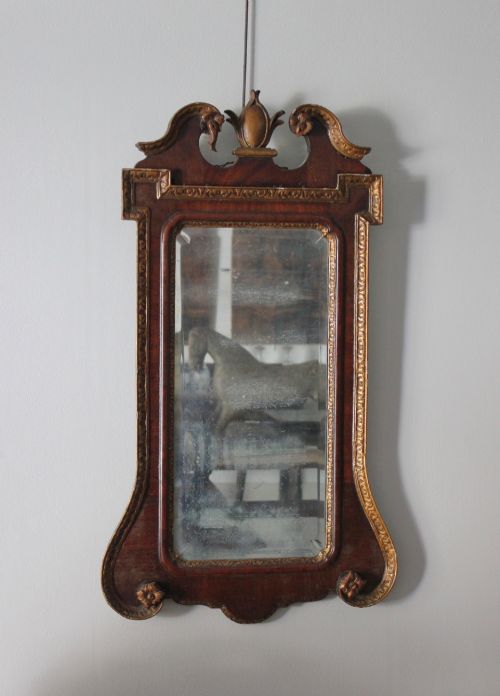
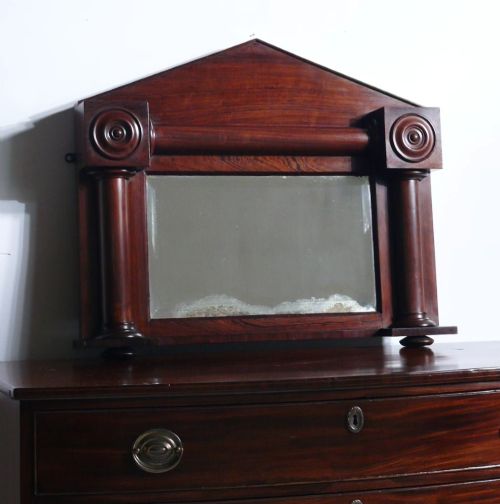
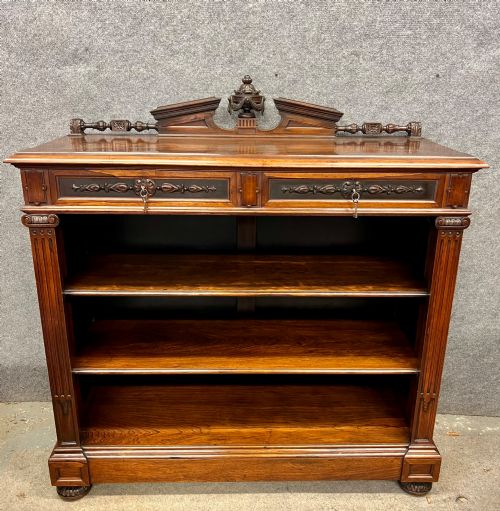

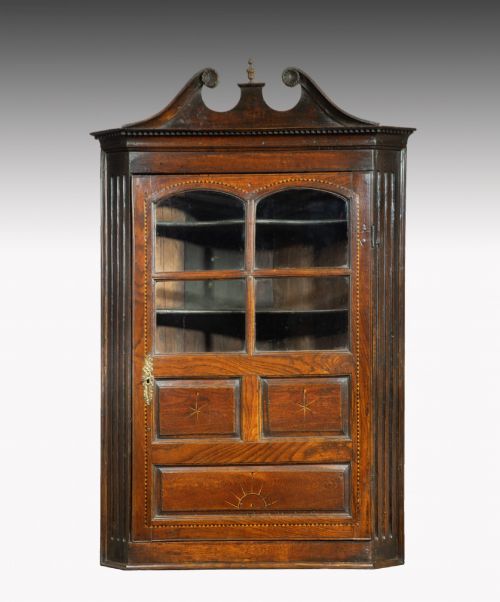
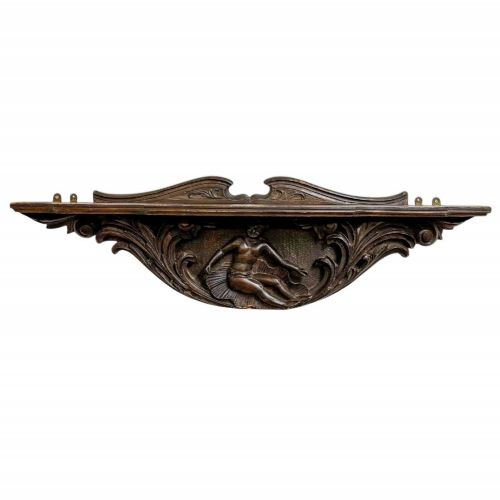
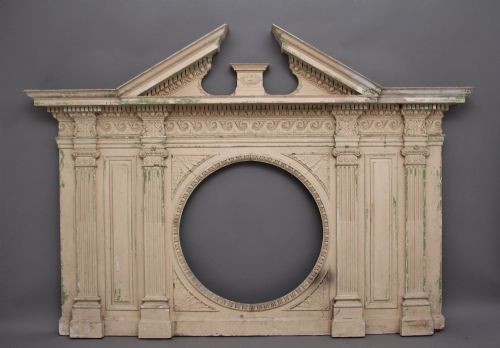



Carved Wood Pediment
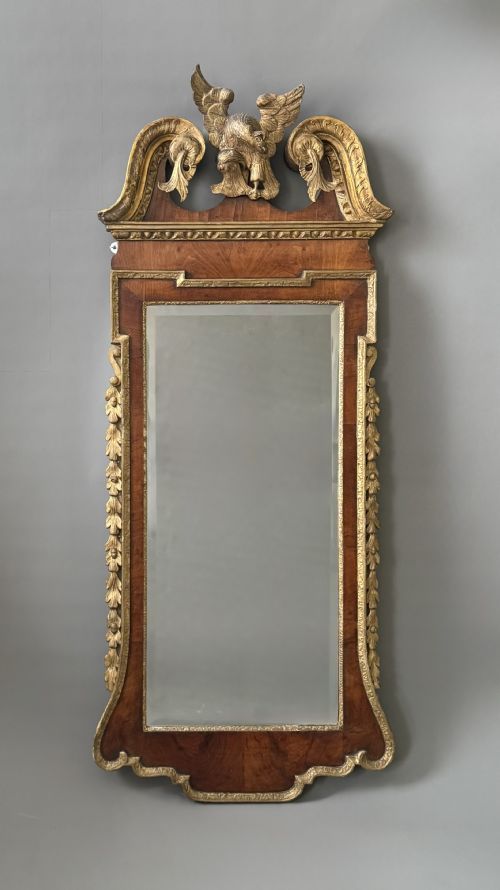
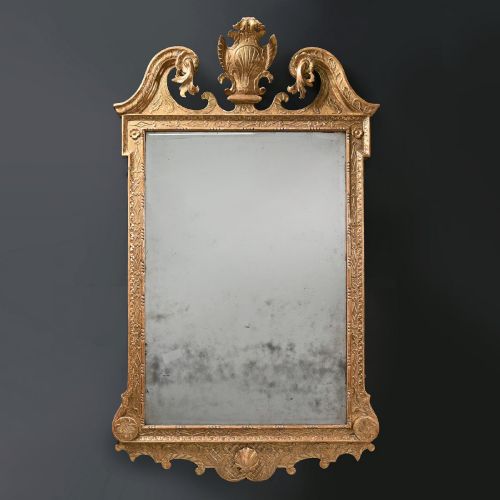
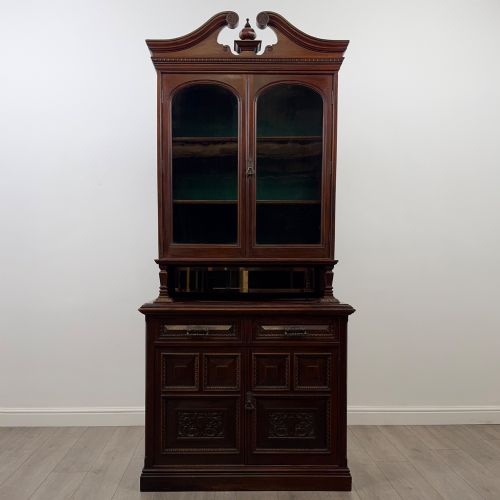
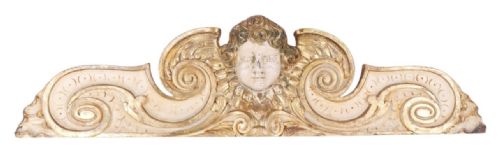
These carved wood pediment pieces are architectural elements and furniture tops that bring depth and classical proportion to a room.
Carved Wood Pediment
A carved wood pediment forms the upper crowning feature above doors, mirrors, and cabinetry, originating from classical architecture. When searching for a carved wood pediment, you encounter architectural salvage, overdoors, and framing crests.
The pieces on this page span the seventeenth, eighteenth, and nineteenth centuries, alongside later revivals. Oak, pine, and mahogany dominate the older examples, while giltwood and parcel gilt finishes appear on mirrors and overdoors.
Forms range from simple carved wooden panels and ecclesiastical church tracery to elaborate architectural ornaments in the manner of Grinling Gibbons. They function as wall panels, pelmets, and decorative furniture toppings.
Materials and construction
Carpenters and carvers shaped these pieces from solid hardwoods such as oak, walnut, and mahogany, as well as softer pines. Artisans applied gesso over wood bases to build up relief detail before adding gold leaf for giltwood finishes.
Hand carving required chisels and gouges to create deep relief motifs, including cherubs, foliage, and architectural scrolls. Joinery techniques varied from pegged mortise and tenon frames in earlier panels to surface-mounted mouldings on later overdoors.
Materials recorded across the inventory include solid oak, walnut, mahogany, pine, gesso, and giltwood.
Judging quality in carved wood
Depth and sharpness of the hand carving separate competent workshop output from master craftsmanship. Crisp undercut details in foliage and figures show superior control of the chisel.
The choice of timber and the preservation of original surfaces dictate desirability. Intact original gesso and giltwood layers or untouched aged patination on oak and walnut elevate a piece significantly.
Grinling Gibbons·William Kent·Edward Pearce
The Carved Wood Pediment Glossary
- Pediment
- The triangular or curved architectural crowning feature above a door, window, mirror, or piece of furniture. It draws the eye upward and completes the composition.
- Gesso
- A plaster mixture applied to wood surfaces as a smooth base for gilding or painting. It allows intricate relief work to be modelled before applying gold leaf.
- Parcel gilt
- Partially gilded woodwork where gold leaf highlights specific carved details against a contrasting wood or painted background. This technique accentuates the depth of the carving.
- Overdoor
- A decorative panel or pediment placed directly above a doorway. These architectural elements often feature prominent carvings or heraldic motifs.
- Ecclesiastical tracery
- Openwork stonework pattern translated into woodwork, commonly found in church furnishings and architectural salvage panels. It creates geometric decorative screens.
Carved Wood Pediment: Frequently Asked Questions
How do I hang a carved wood pediment?
Most architectural pediments and overdoor panels require sturdy concealed metal brackets or mirror plates screwed into the rear timber frame. Fixing directly into wall studs ensures the weight of dense hardwoods like oak or mahogany is supported safely.
Position the pediment at a height that respects its original architectural context, typically above a doorway, mirror, or as a standalone wall hanging. Ensure the fixing method matches the specific density of the wall material.
Can I use an overdoor pediment outside?
These interior architectural salvage pieces suit indoor display rather than external exposure. Changing weather conditions cause untreated or historically finished timbers to warp, crack, and degrade.
Keeping them inside protects delicate gesso, giltwood, and antique finishes from moisture and frost damage. Indoor humidity control preserves the structural integrity of the old wood.
How do I clean antique carved wood?
Dust carved wooden surfaces gently with a soft, dry brush or a microfiber cloth to prevent dirt from settling in deep recesses. Avoid using water, modern polishes, or chemical sprays that strip historic wax and finish.
Apply a microcrystalline wax sparingly if the wood appears dry, buffing it gently after application. Regular gentle dusting remains the safest maintenance method for antique carvings.
How do I tell an 18th-century pediment from a later revival?
Examine the tool marks, timber shrinkage, and construction methods visible on the reverse of the panel. Eighteenth-century pieces typically feature hand-cut joinery, irregular adze marks, and dense timber patination developed over centuries.
Revival pieces from the Victorian or Edwardian periods often display more uniform mechanical sawing or standardised fixings. Comparing the crispness of the carving and the ageing of the wood helps confirm the era.