



Carved Wood Pedestal
A carved wood pedestal grounds a room, lifting sculpture or lamps on turned, fluted or heavily carved columns.
Carved Wood Pedestal
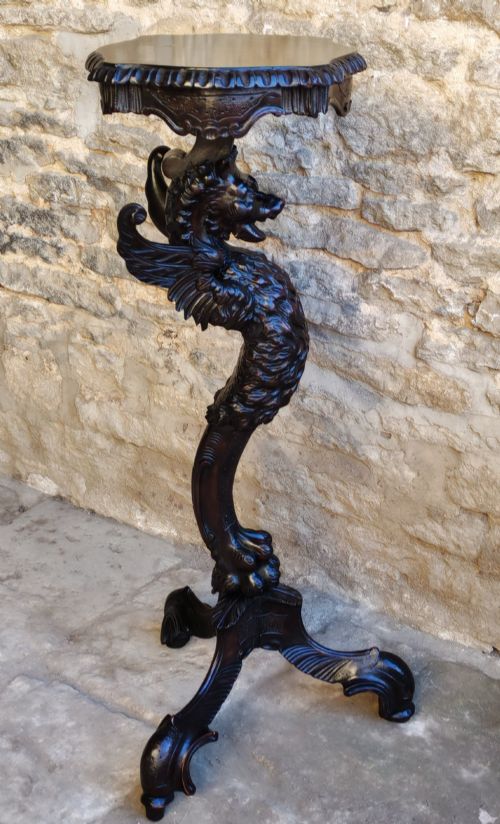
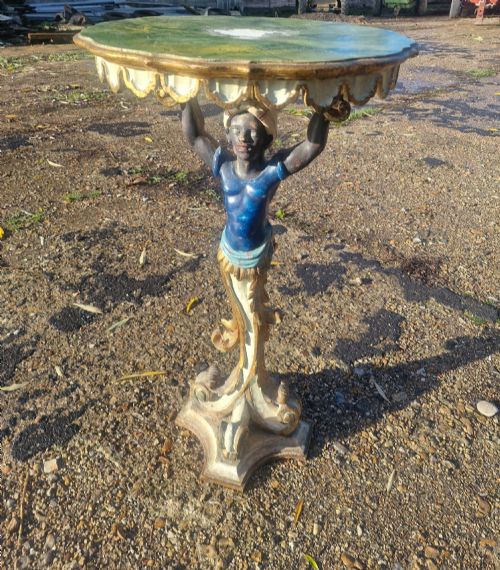
When you search for a carved wood pedestal, you encounter architectural columns, torchiere bases and display stands designed to elevate objects above floor level. These range from Italian gilt wood columns and French oak display pieces to figural pedestals carved with putti.
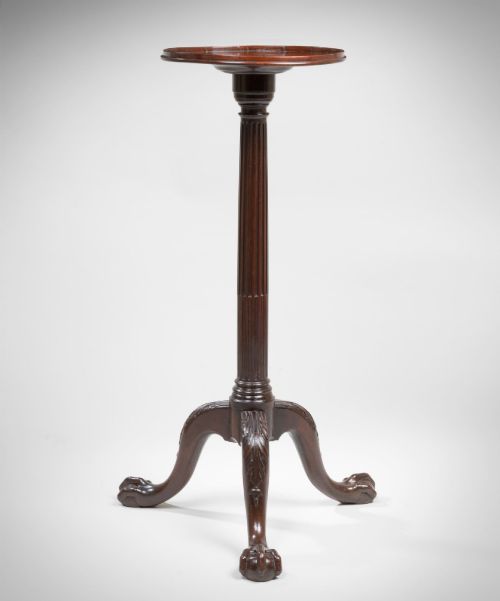
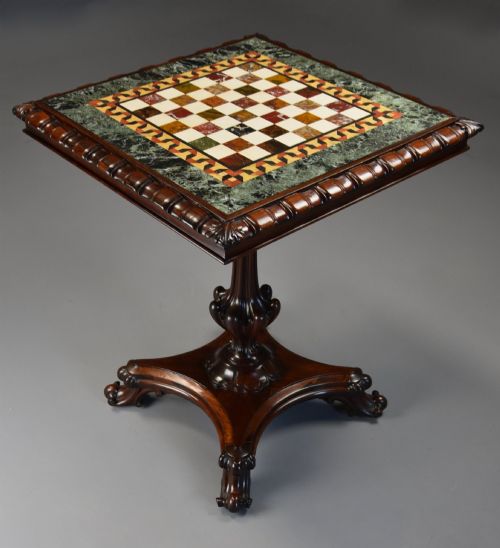
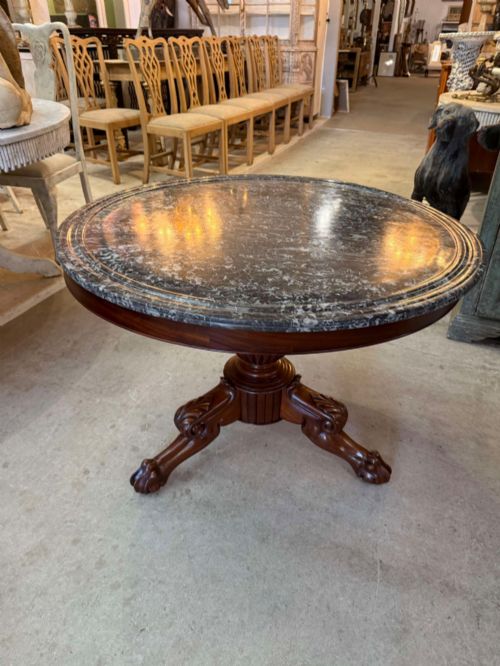
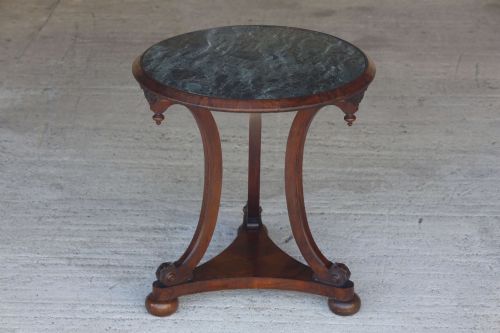
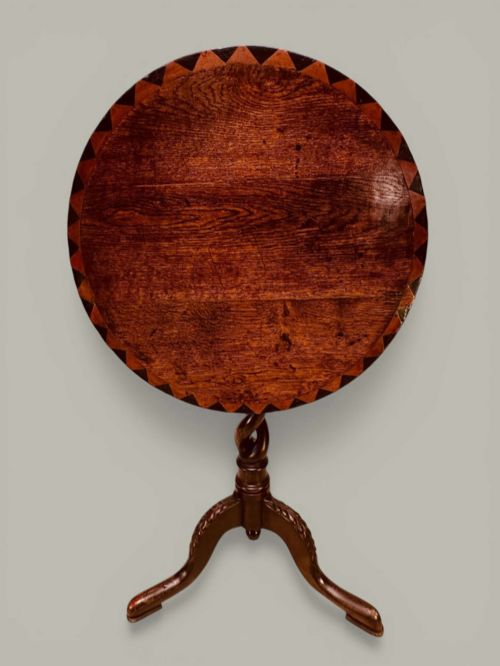
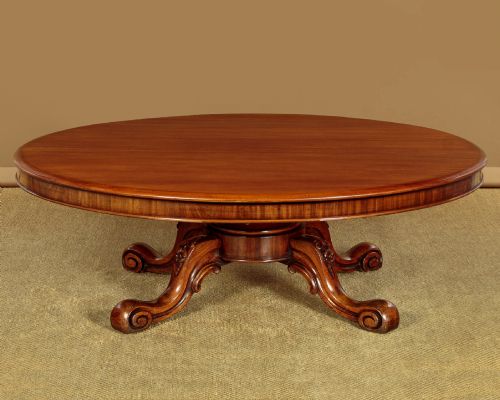
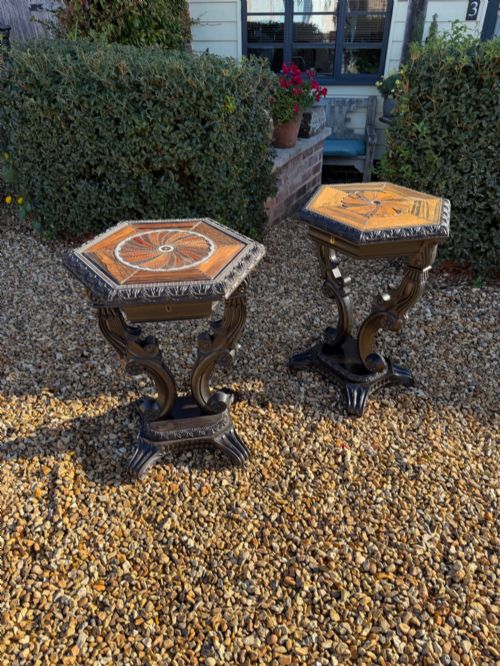
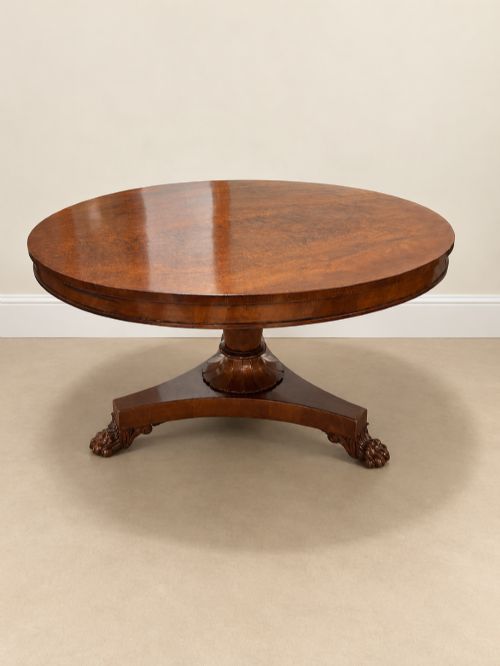
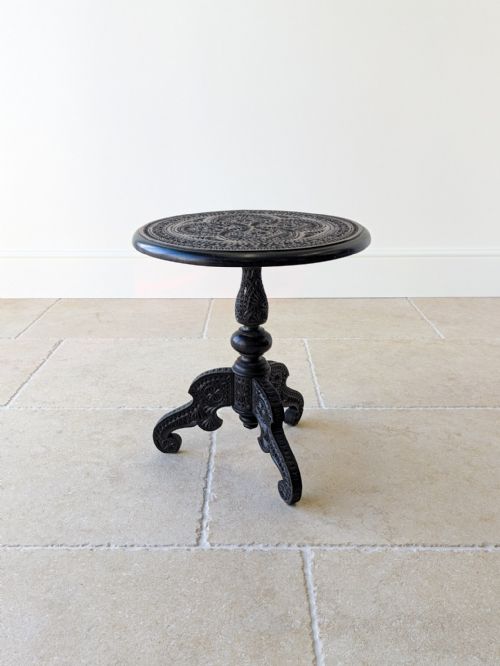
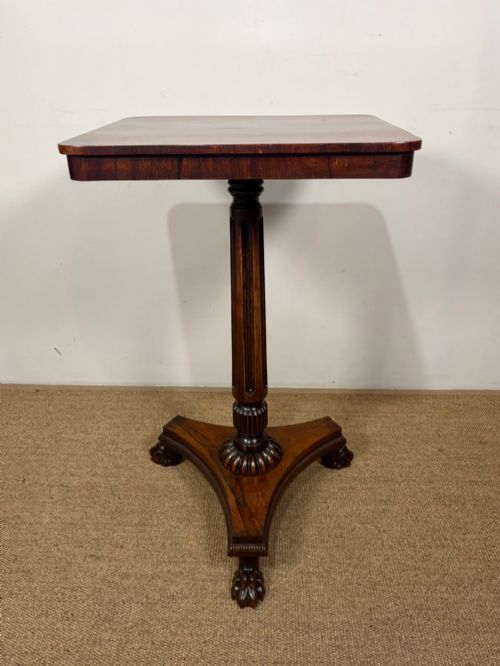
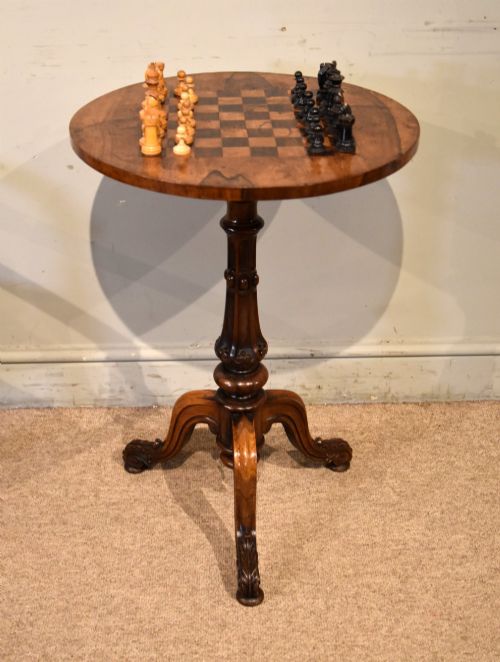
The selection on this page also includes furniture supported by central columns, such as rosewood card tables, tilt-top dining tables, tripod wine tables and teapoys. These pieces combine functional surfaces with sculptural undercarriages originating primarily in the nineteenth century.
Victorian, Regency and Edwardian examples dominate the selection, alongside Anglo-Indian, Burmese and Italian regional works. Buyers find everything from small mahogany lamp tables to substantial oak sideboards and display columns.
How they were made
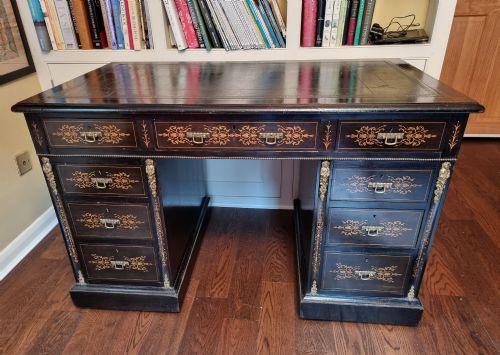
Cabinet makers utilised dense hardwoods such as mahogany, rosewood, walnut, burr walnut, ebony and oak, often selecting figured veneers to create patterned surfaces on tabletops and columns. Brass inlay, marble inserts and leather surfaces occasionally accent the timber framework.
Turned and carved solid timber forms the central support structures, featuring tripod bases, triform platforms, paw feet and detailed foliate carving. Joinery methods of the period relied on solid framing, tilt mechanisms and heavy turned shafts to support substantial marble or timber tops.
Carved Wood Pedestal Retail Price Guide 2026
Typical asking prices for carved wood pedestal among the pieces listed under this phrase on Sellingantiques today, from the lower quarter to the upper quarter. They describe what is for sale here now, not the wider market.
What varies in quality
The distinction between ordinary and exceptional pieces lies in the crispness of the carving and the quality of the timber selection. Figured veneers, well-matched burr walnut, and deeply undercut foliate or figural carving separate workshop standard items from high-end commissions.
Structural stability in the central column and base union determines longevity, particularly on tilt-top and tripod tables where weight distribution is critical. Original surfaces, intact brass mounts, and refined proportions elevate the status of a piece within any period.
Gillows
The Carved Wood Pedestal Glossary
- Torchiere
- A tall stand or pedestal originally designed to hold a torch or candle, often carved from walnut or gilt wood. These architectural pieces frequently feature columnar shafts.
- Triform
- A three-sided base or pedestal support common in Regency and William IV furniture. This configuration typically rests on three carved feet.
- Tilt-top
- A tabletop mechanism allowing the surface to pivot to a vertical position when not in use. This design saves space and displays the figured timber top.
- Teapoy
- A small box or chest supported on a central carved pedestal base, historically used to store loose tea leaves. Interiors often include fitted canisters.
- Gueridon
- A small French occasional table or stand, frequently taking the form of a column or small pedestal. These often feature walnut or exotic timber construction.
Carved Wood Pedestal: Frequently Asked Questions
How were pedestal tables used?
These tables served central roles in nineteenth-century drawing rooms and parlours, holding lamps, decorative ceramics or books. Tilt-top variants allowed households to clear floor space easily when tables were not in active use.
Dining and card tables on central pedestals provided unobstructed seating around the perimeter. Smaller tripod wine tables and teapoys offered moveable surfaces for tea service and intimate gatherings.
Where should I place a pedestal?
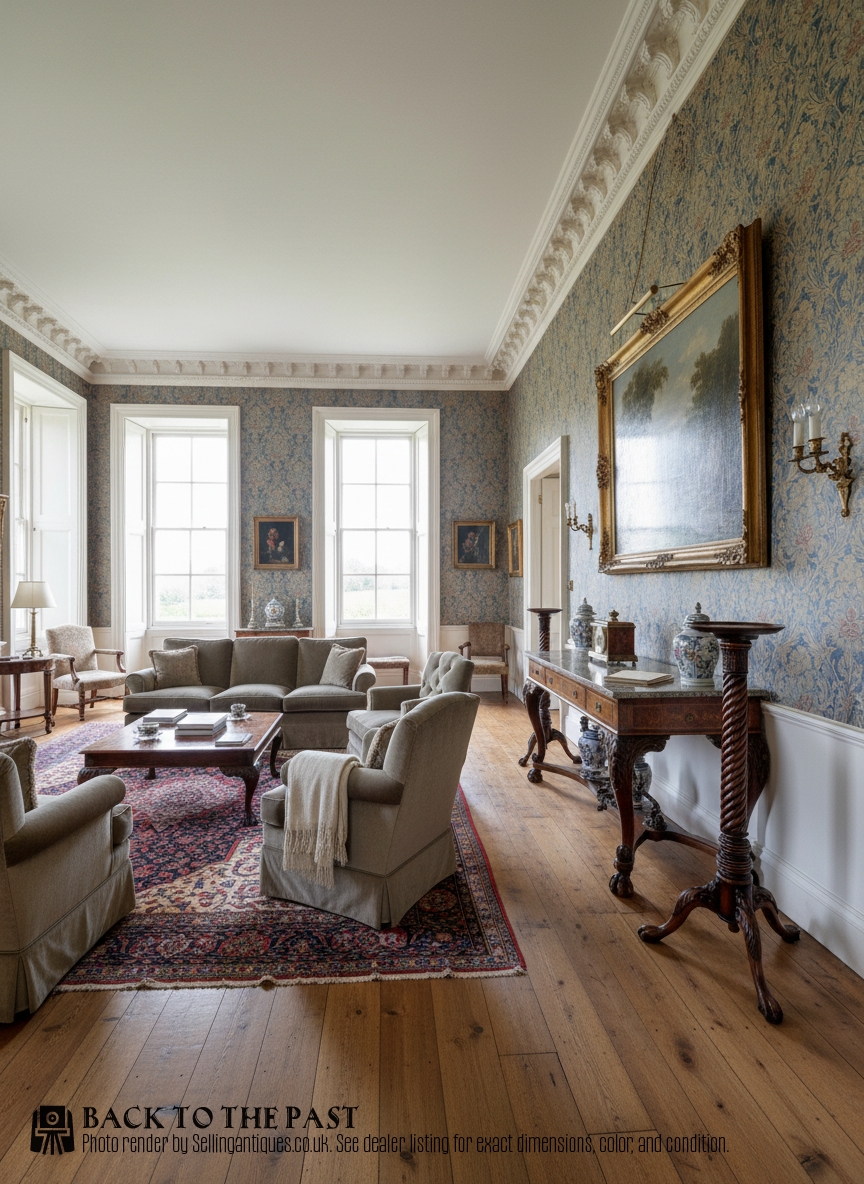
Display pedestals and torchieres suit corners, alcoves or entrance halls where they elevate sculptures, urns or table lamps to eye level. Their vertical profile draws the eye upward without occupying significant floor space.
Freestanding pedestal tables work well in the centre of rooms or beside seating areas where their carved bases remain visible. Placing them away from direct heat sources protects the timber and veneer from splitting.
How do I identify a Regency pedestal?
Regency pieces often display classical architectural influences, including reeded columns, brass inlay, sabre legs and bold rosewood or mahogany grain. Proportions tend to be clean and classical, reflecting early nineteenth-century design tastes.
Many examples incorporate triform bases with carved paw feet and heavy turned pedestals. Comparing timber density and construction joints helps separate genuine period work from later revivals.
What timber types are common?
Mahogany and rosewood appear most frequently across nineteenth-century tables and stands, offering deep natural colour and a smooth finish. Walnut and burr walnut introduce rich, swirling grain patterns favored for finer decorative surfaces.
Regional variations introduce exotic woods like Anglo-Indian and Ceybonese timbers, alongside Italian gilt wood and oak display columns. Each material responds differently to light and conditioning over time.