

Carved Wood Figure
A carved wood figure spans centuries of workshop traditions, bringing expressive form, material depth and regional character directly into a room.
Carved Wood Figure
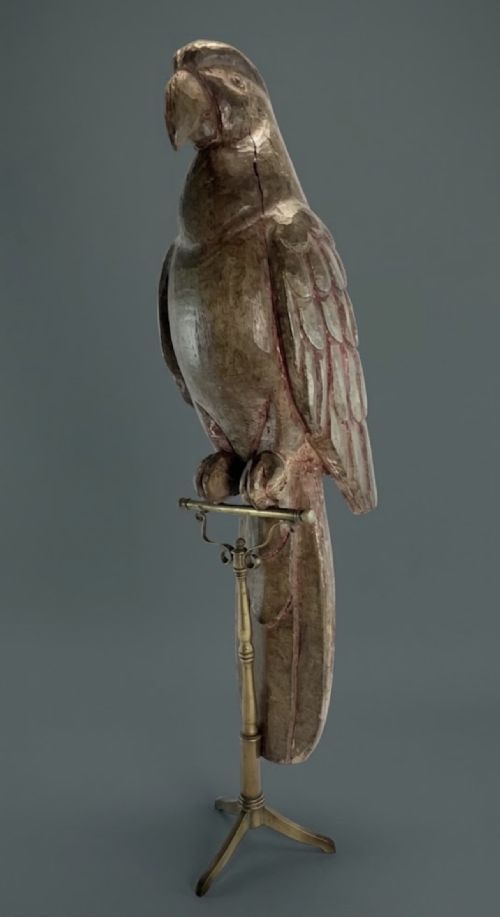
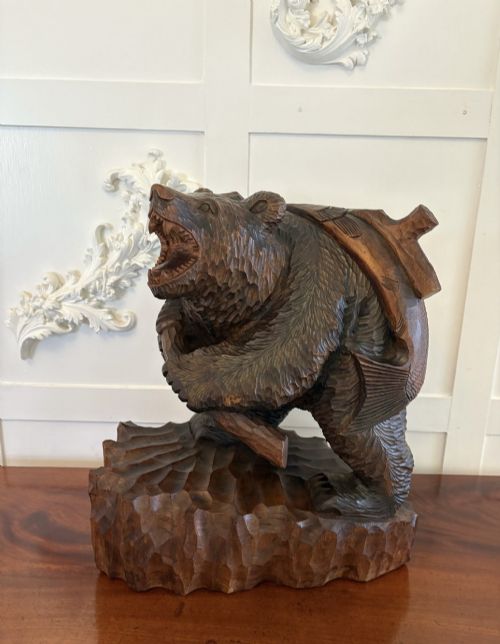
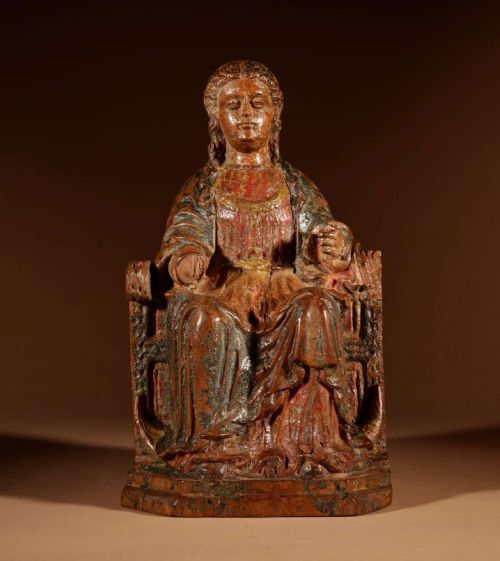
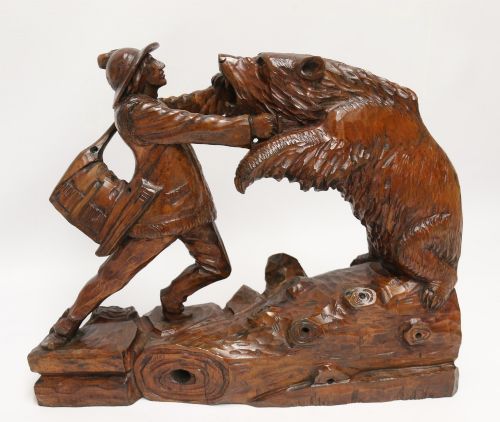
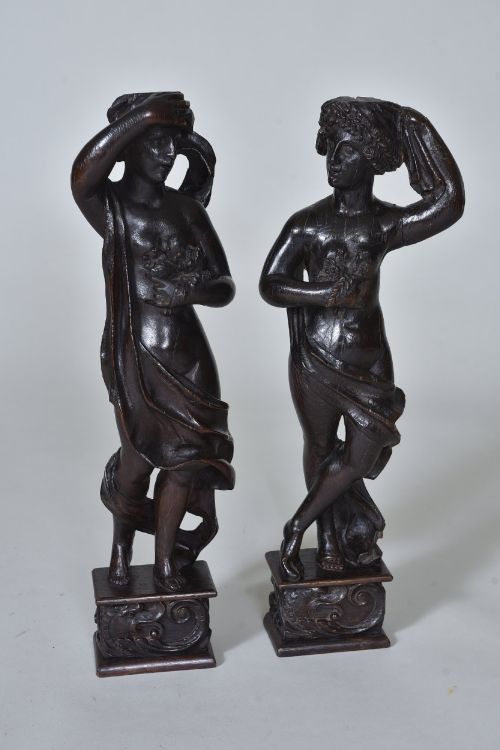
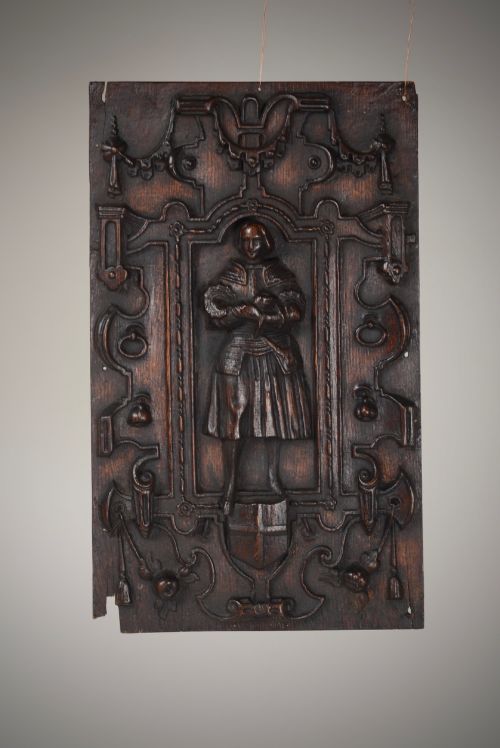
When searching for a carved wood figure, collectors encounter a diverse range of subjects including religious icons, animal studies, human portraits and mythological subjects. The objects on this page span from seventeenth-century devotional carvings to nineteenth-century Black Forest animal groups and twentieth-century folk art traditions.
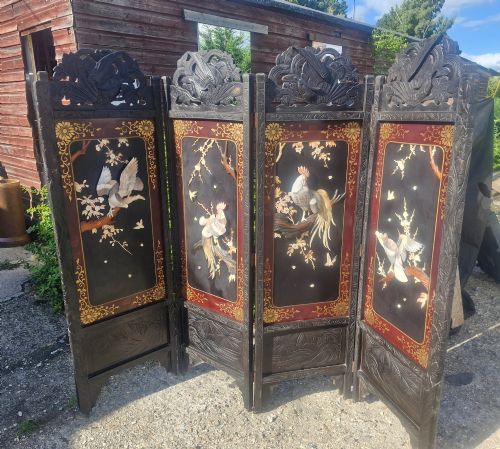
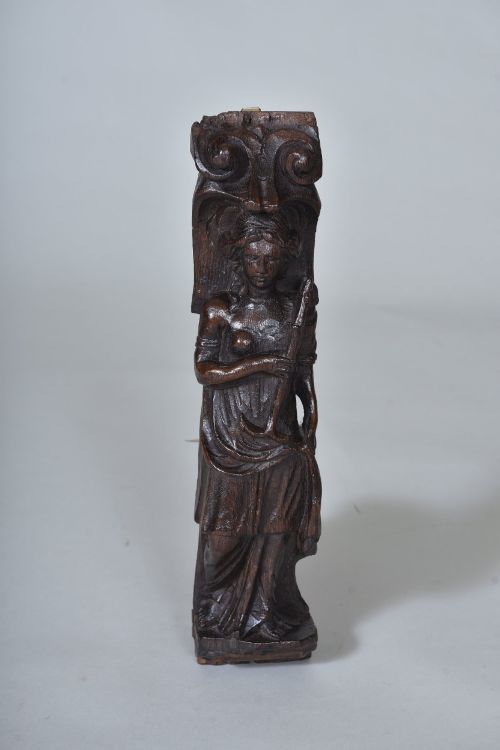
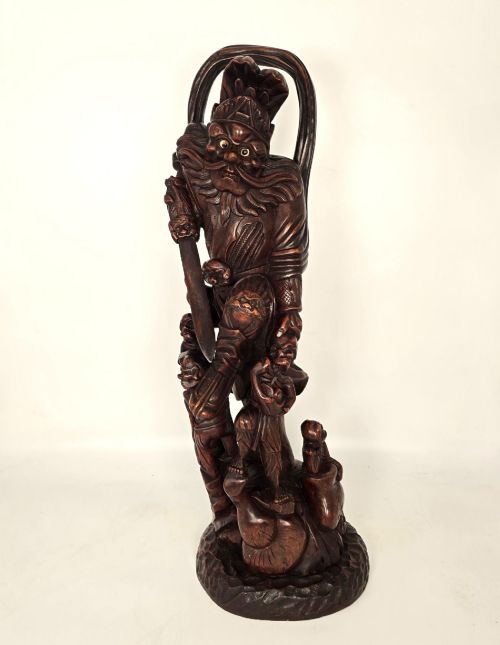
European religious carvings from the seventeenth and eighteenth centuries often depict saints, the Madonna or biblical figures, frequently retaining traces of original polychrome paint or gesso layers. Meanwhile, Asian works from the Qing dynasty onwards present Daoist immortals, guardians and deities carved from dense hardwoods.
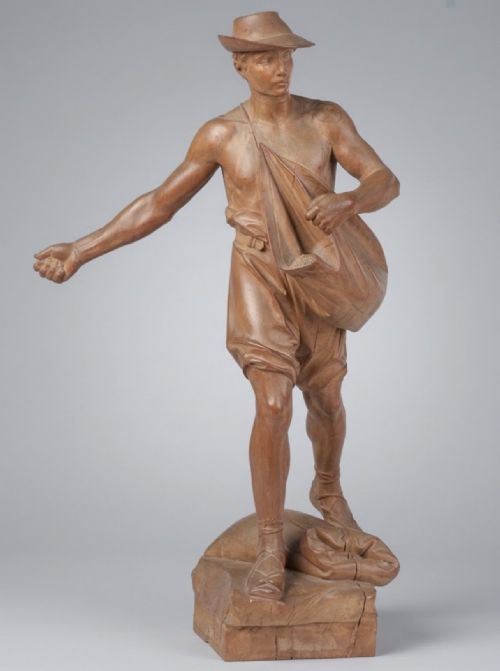
Domestic and decorative carvings from the Victorian era and early twentieth century include playful animal bookends, tradesman pieces and naturalistic human forms. Each piece reflects the specific sculptural conventions and cultural priorities of its period of origin.
Materials and carving techniques
Carvers utilised a variety of timbers depending on regional availability and the desired scale of the piece, ranging from soft lime and fruitwoods to dense oak, walnut and exotic hardwoods. Softer woods allowed for deep, fluid undercut details favoured by European workshops, while dense hardwoods supported the intricate, precise linework seen in Chinese and Japanese sculptures.
Surface treatments varied widely across traditions, with some pieces left as bare polished wood to highlight natural grain patterns, while others received applications of gesso, gold leaf or polychrome paint. Artisans employed specialised chisels and gouges to achieve textures ranging from the smooth drapery of religious robes to the rough fur of animals.
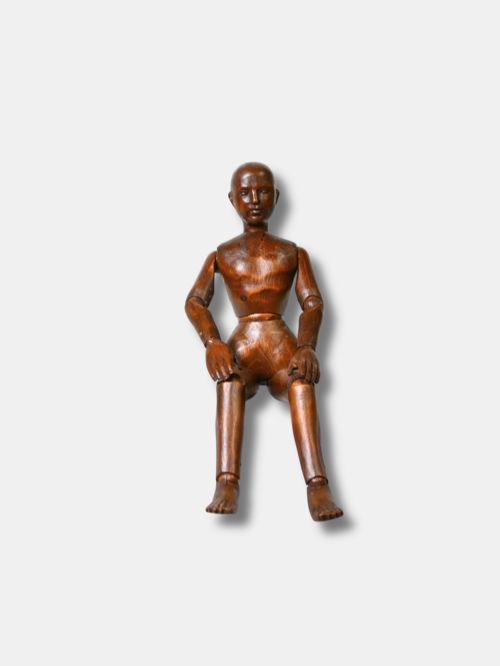
A nineteenth-century artist's lay figure waits patiently with fully articulated limbs to hold a permanent pose for its owner.
Markers of quality and execution
Quality in a carved wood figure rests upon the anatomical confidence of the carving, the crispness of the tool work and the preservation of the original surface. Master carvers achieved convincing weight, movement and expression without relying on heavy surface paint to mask structural weaknesses.
The integration of the material grain into the design also distinguishes finer examples, where the natural properties of walnut, oak or fruitwood enhance rather than hinder the composition. Pieces bearing legible signatures or stamps from recognised workshops demonstrate superior provenance and workshop pride.
The Carved Wood Figure Glossary
- Polychrome
- Painted in several colours. This term frequently describes early religious wooden sculptures that retain portions of their original decorative pigment.
- Gesso
- A plaster mix applied to wood surfaces as a smooth base for gilding or painting. Artisans used this preparation layer extensively on continental religious figures.
- Linden wood
- A pale, fine-grained timber favoured by European carvers for intricate detail work. It was widely utilised in Black Forest animal and figure groups.
- Hardwood
- Timber derived from broad-leaved trees, offering exceptional density and durability. Asian sculptures frequently rely on these heavy imported woods.
- Lay figure
- An articulated wooden mannequin used by artists to study drapery and human posture. Nineteenth-century examples often feature fully functional joints.
Carved Wood Figure: Frequently Asked Questions
How do I clean a wooden figure?
Dust the surface gently with a soft, dry brush to prevent accumulation in carved crevices. Avoid using liquid cleaners, damp cloths or furniture polishes that might degrade aged wood or historic finishes.
Keep the piece away from direct sunlight and sudden temperature shifts to prevent the timber from drying out, cracking or warping over time.
Are these figures signed by makers?
Some pieces bear maker signatures, workshop stamps or dates carved directly into the base or integrated into the composition. European animal carvings and specific studio figures occasionally include these identifying marks.
Many historic carvings remain unsigned, requiring attribution based on style, tool marks, wood species and regional characteristics rather than a signature.
How are different periods identified?
Period identification relies on stylistic cues, costume details, tool marks and the specific ageing characteristics of the timber. Seventeenth and eighteenth-century pieces often show distinct hand-tool signatures and devotional subject matter.
Nineteenth and twentieth-century works typically reflect industrial-era precision, distinct regional folk traditions or specific artistic movements such as the Arts and Crafts style.
Where were these figures displayed originally?
Religious figures stood within domestic shrines, churches or private chapels as objects of active devotion. Secular animal studies and human figures decorated the mantelpieces, libraries and drawing rooms of grand homes.
Folk art and trade pieces served both functional roles and public displays, reflecting the everyday commerce and cultural life of their creators.